The single facer is the heart of any corrugated board production line. It transforms raw paper into single-face corrugated board at high speed through the precise coordination of four critical roll assemblies. Each component has a distinct job, and when any one drifts out of specification, board quality suffers immediately.
1. Corrugating Rolls: Forming the Flute Profile
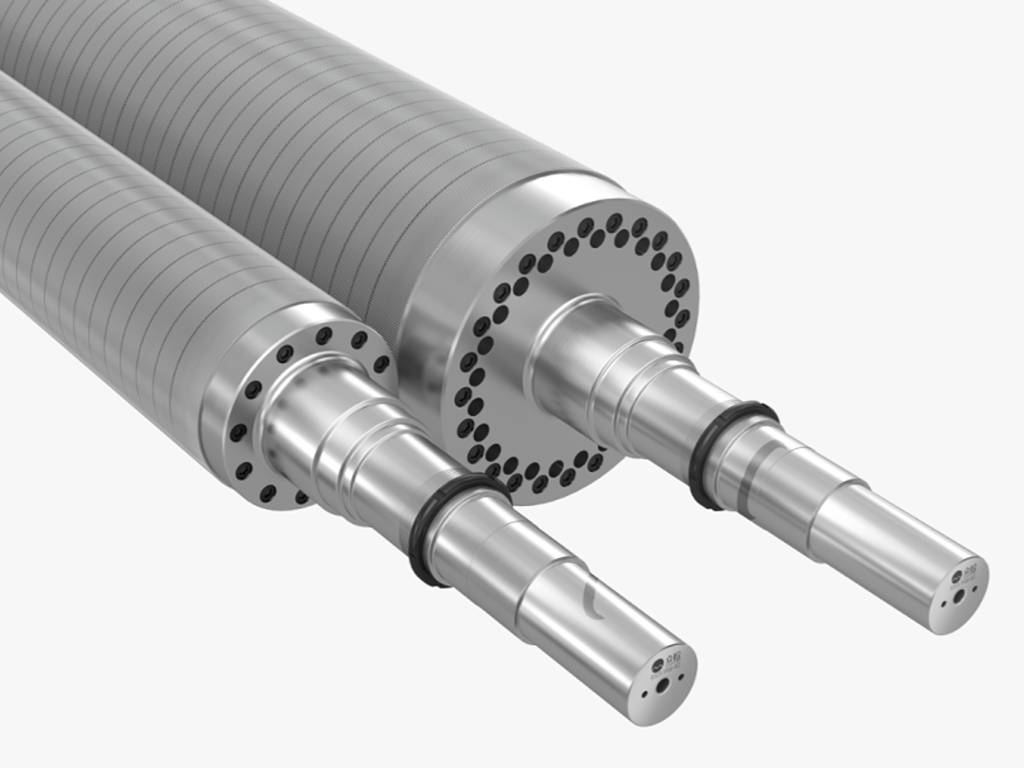
The corrugating rolls — an upper and lower matched pair — shape the corrugated medium into the wave-like flute structure that gives corrugated board its compressive strength.
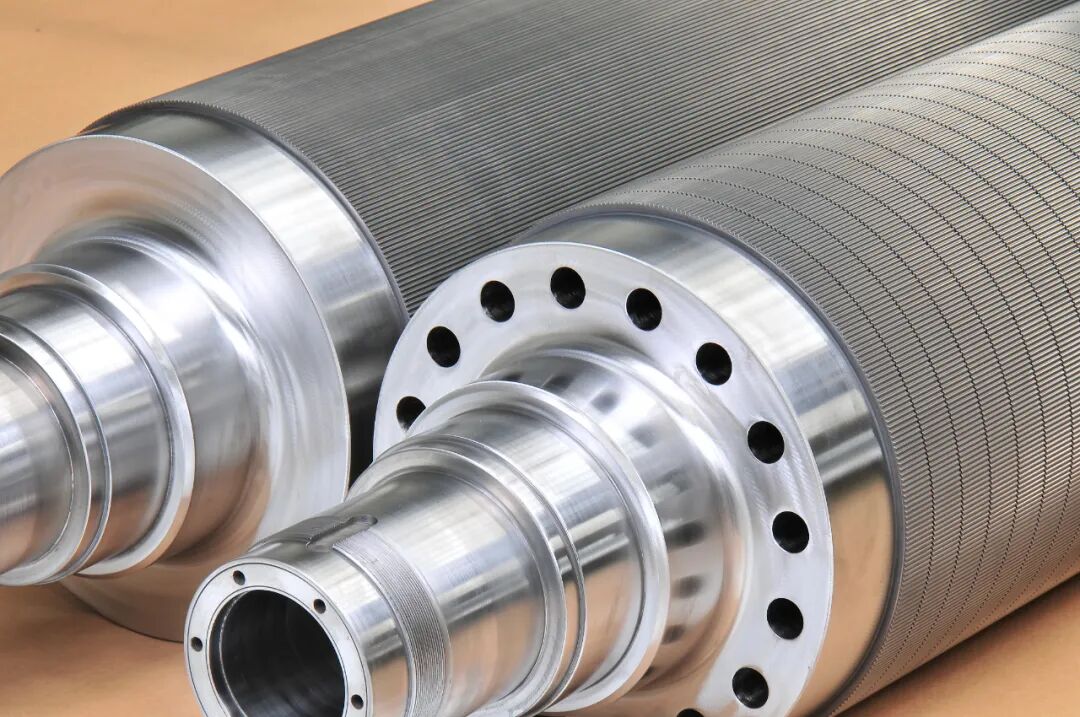
The lower roll is driven (active), while the upper roll is passive, rotating through contact. Both feature precisely machined teeth that intermesh like gears. As the medium passes between them, steam heat circulating inside the rolls and mechanical pressure force it into the flute shape.
Why it matters: Nip pressure and roll gap directly control flute height, take-up ratio, and paper tension. Too much pressure crushes the medium and weakens the board; too little produces shallow flutes that lack rigidity. Worn roll profiles cause inconsistent fluting and increase paper waste at startup.
2. The Glue (Applicator) Roll: Precision Adhesive Transfer
Once the medium is formed into flutes, the glue roll applies a controlled film of starch adhesive to the flute tips — and only the flute tips.
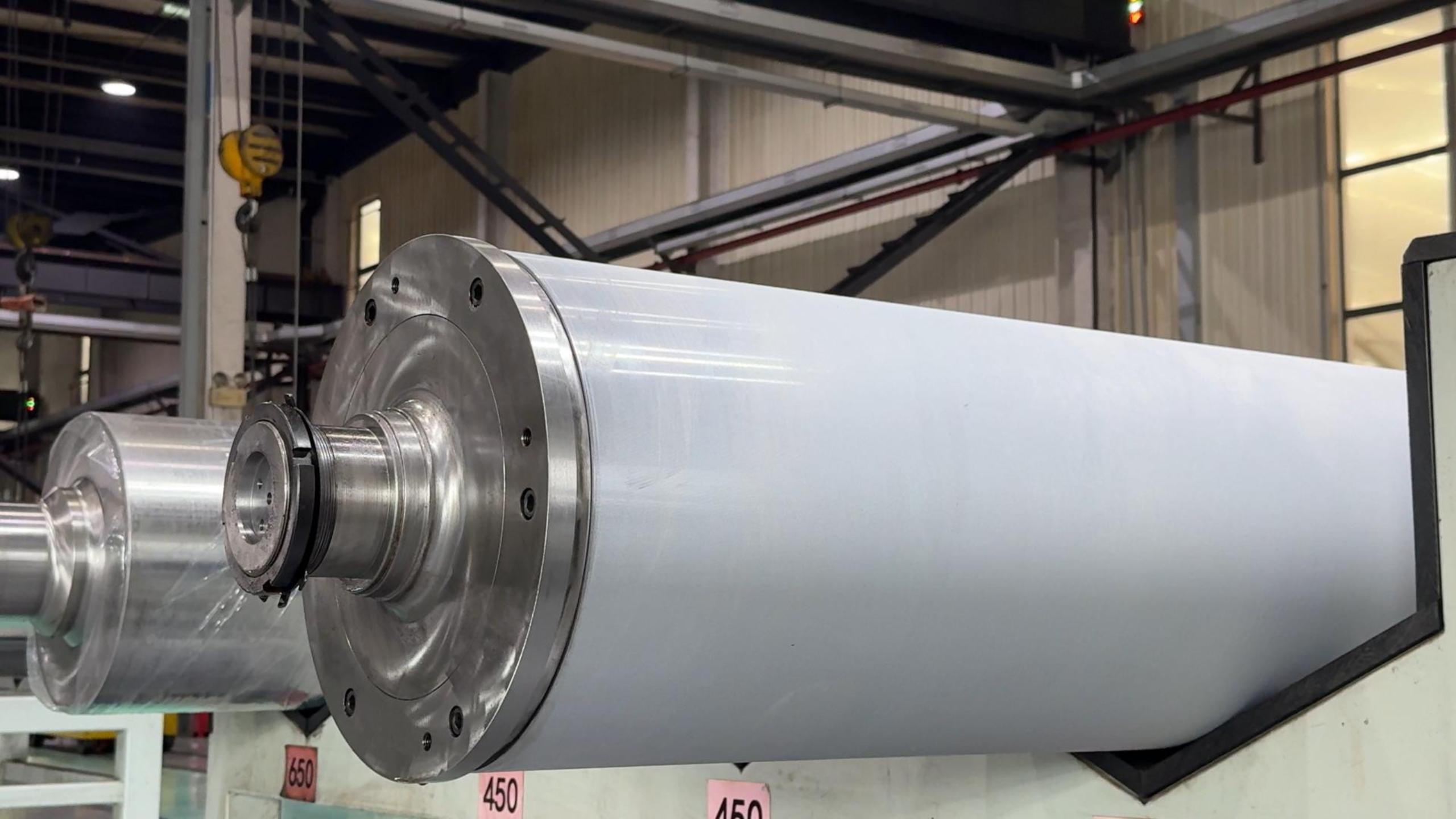
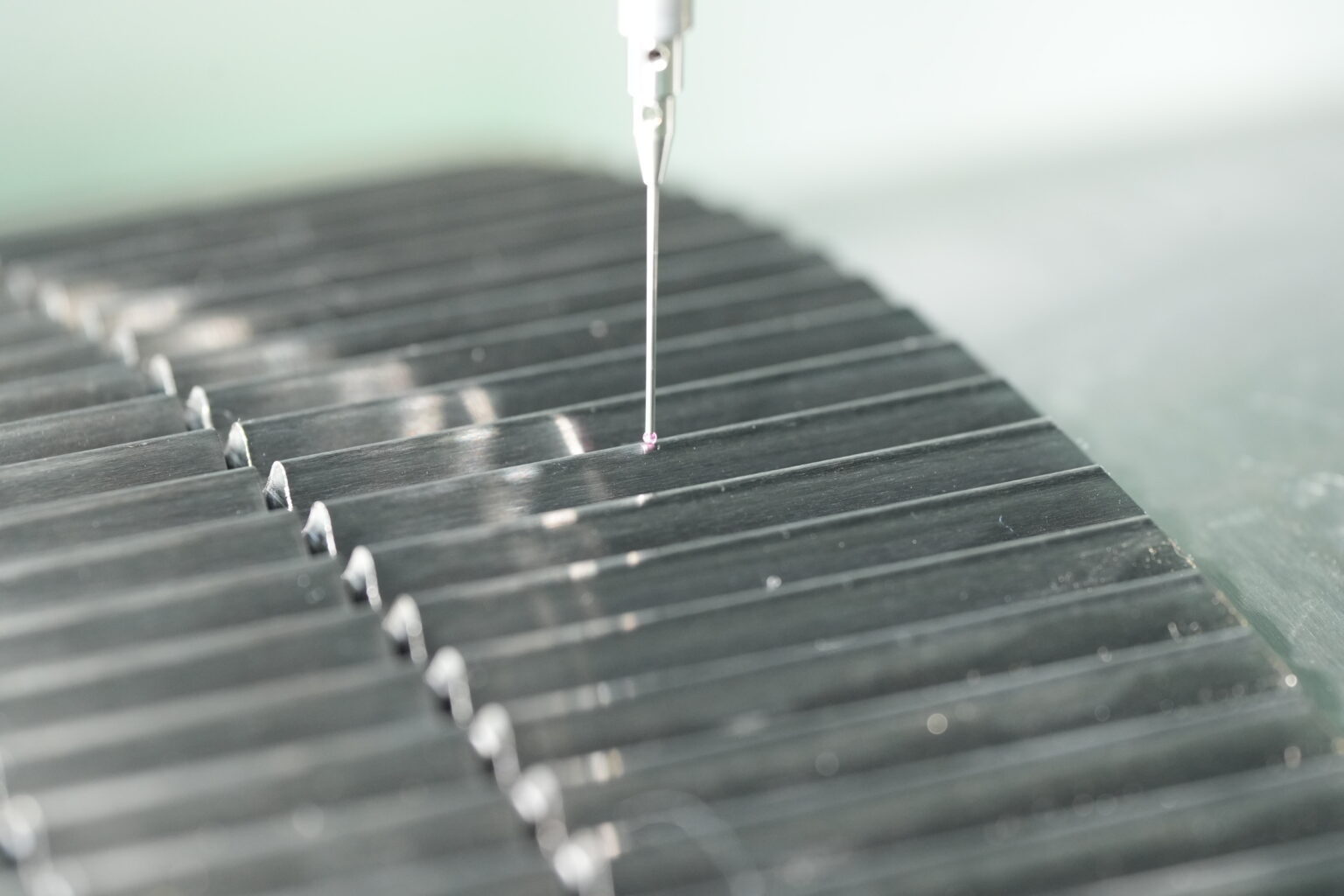
Positioned directly beneath the lower corrugating roll, the glue roll carries adhesive picked up from the pan below. Its surface is engraved with grooves matching the flute pitch, ensuring adhesive deposits exclusively on the flute crowns. A slight speed differential — the glue roll rotating slower than the corrugating roll — helps control film splitting and prevents adhesive from slinging off at high speeds.
Why it matters: Under-gluing leads to weak bonds and delamination. Over-gluing causes adhesive to bleed through the liner — "strike-through" — which not only looks bad but absorbs moisture unevenly and warps the finished board.
3. The Doctor (Metering) Roll: Controlling Glue Film Thickness
The doctor roll sits above the glue roll and works as a metering blade — scraping away excess adhesive to leave a uniform, precisely controlled film.
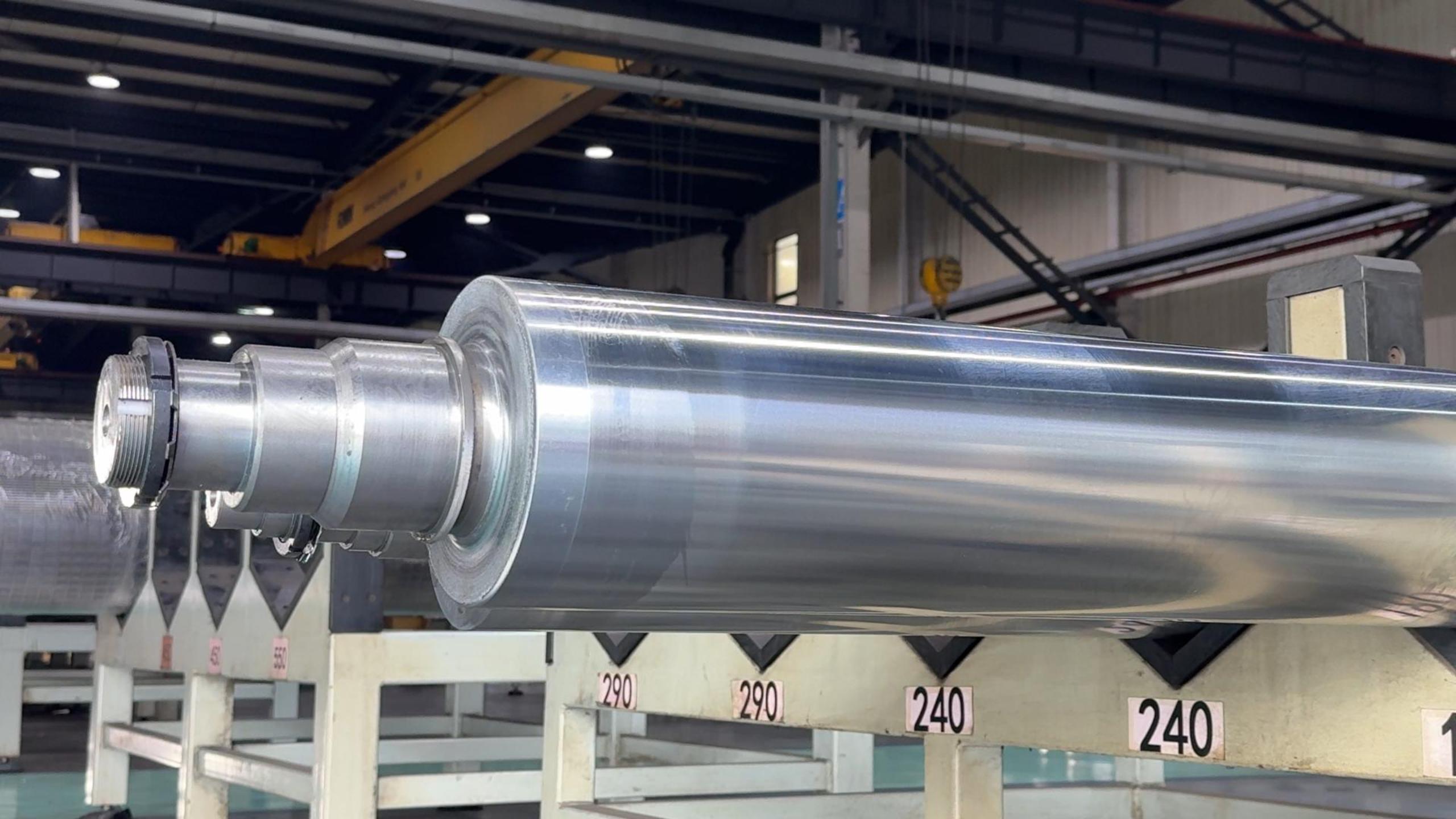 The gap between the doctor roll and the glue roll determines the thickness of the adhesive film that reaches the flute tips. Both rolls rotate in the same direction at the same speed, so the doctor roll functions as a rolling squeegee rather than a stationary blade. This prevents uneven adhesive buildup and ensures consistent transfer.
Why it matters: The doctor roll gap is one of the most frequently adjusted parameters on a single facer. Too wide and you get excessive adhesive consumption and strike-through risk. Too narrow and the glue roll is starved, causing intermittent bond failure. Operators typically dial this gap within hundredths of a millimeter — a true precision control point.
4. The Pressure Roll: Final Bonding Under Heat and Force
The pressure roll provides the force that presses the liner against the adhesive-coated flute tips, completing the bond that turns two sheets into single-face corrugated board.
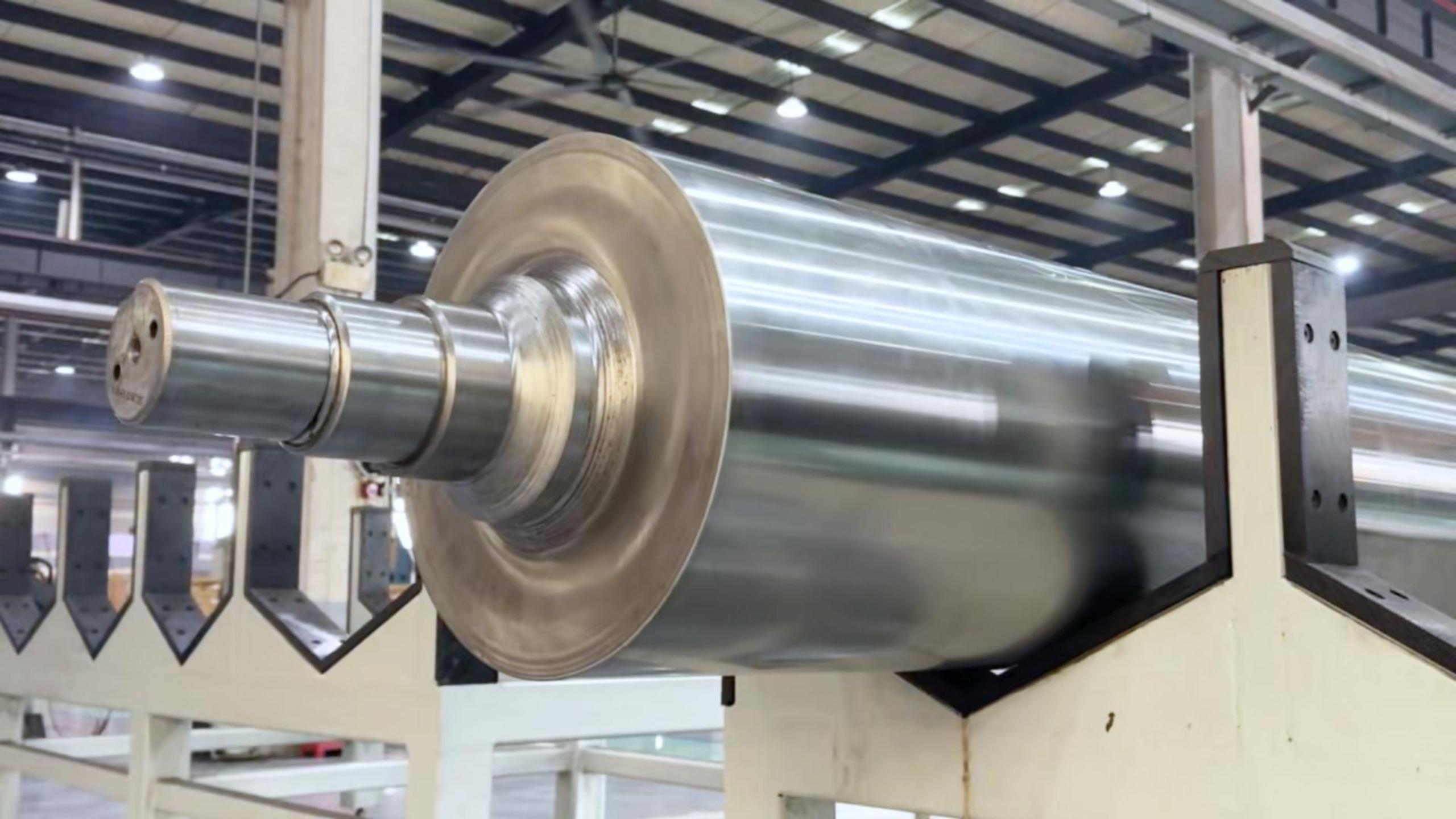
Located behind the lower corrugating roll (or above the upper roll, depending on design), the pressure roll applies controlled linear force to the liner as it meets the fluted medium. Like the corrugating rolls, it is steam-heated internally, so heat and pressure arrive simultaneously at the bonding point. This drives the starch adhesive into the liner fibers and triggers gelatinization, creating a permanent bond in a fraction of a second.
Why it matters: Insufficient pressure produces "false bonds" — joints that look bonded initially but delaminate downstream. Excessive pressure can crush the flute tips, weakening compression strength or tearing the paper. The correct setting depends on paper grade, flute type, line speed, and adhesive formulation.
Tuning the System
A single facer is not four independent mechanisms — it is one interdependent system. The corrugating rolls shape the medium, the glue roll and doctor roll team up to deposit exactly the right amount of adhesive, and the pressure roll seals the bond under heat and force. If any roll is out of adjustment, the effects cascade through the entire process.
Stable corrugated board production depends on more than one high-quality component. Corrugating rolls, pressure rolls, glue rolls, and doctor rolls must work together as a precisely tuned system. Investing in precision roll manufacturing, proper maintenance, and accurate machine adjustment is the key to achieving consistent flute formation, reliable bonding, and long-term production efficiency.
Looking for precision-engineered roll solutions? Explore RMM's complete range of corrugating rolls, pressure rolls, glue rolls, and doctor rolls designed for high-speed corrugators.