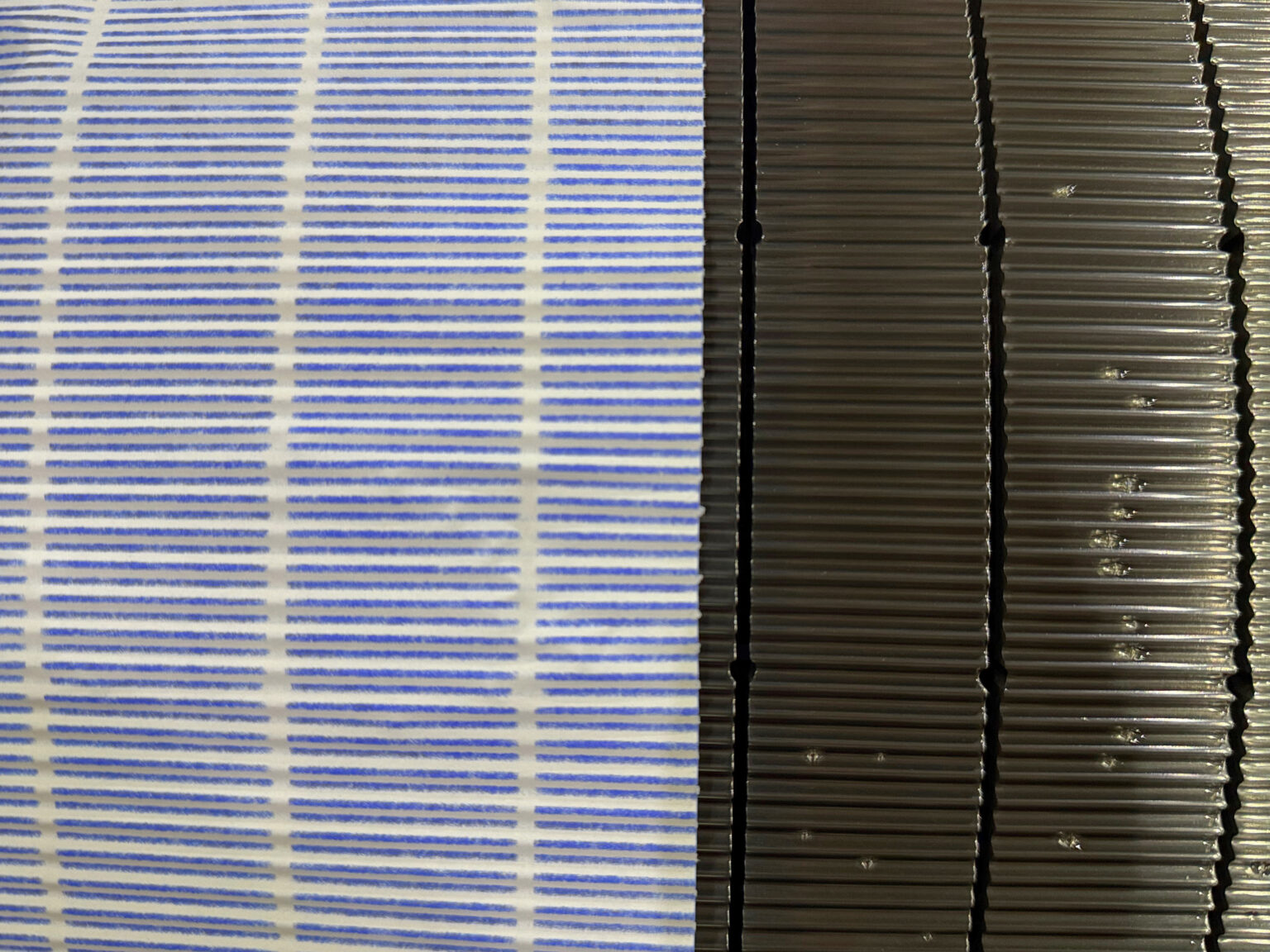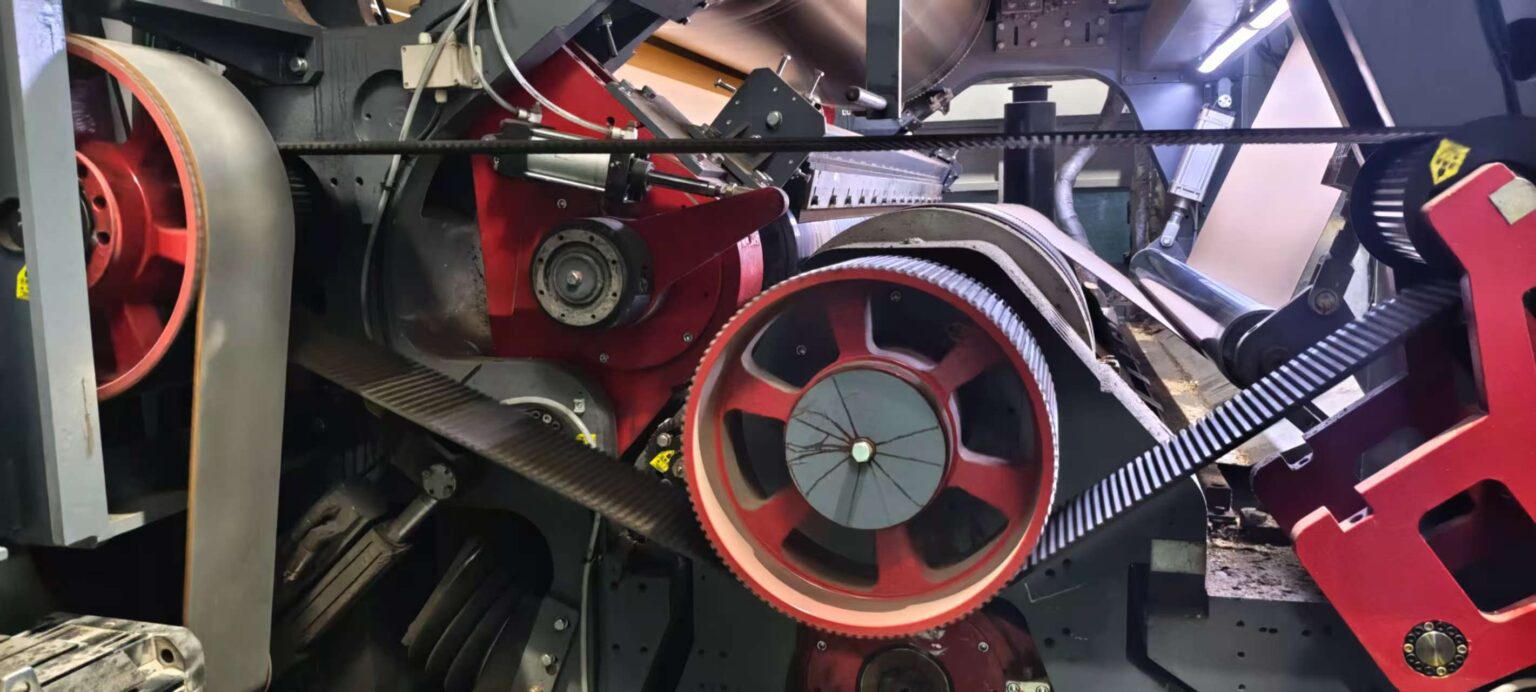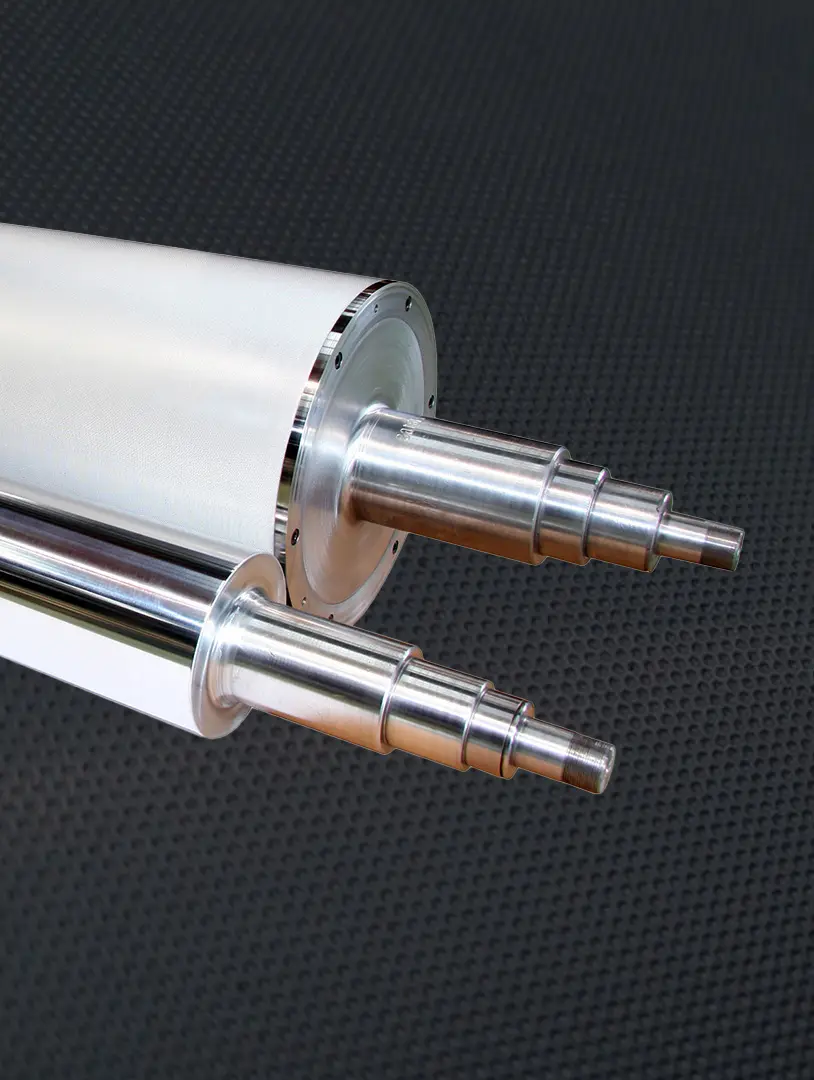
In corrugated board production, high-low flute is a common quality problem where some flutes are fully formed while others are partially formed. This uneven flute formation can affect board appearance, bonding strength, printing performance, and overall product consistency.
From the perspective of corrugating rolls, high-low flute issues are usually related to roll alignment, operating clearance, surface condition, running stability, and flute design parameters. Understanding these factors can help corrugated board manufacturers improve production stability and reduce quality defects.
What Is High-Low Flute?
High-low flute refers to an uneven flute height condition after the corrugated medium passes through the corrugating rolls. Some areas achieve normal flute formation, while other areas show lower or incomplete flute shapes.
This issue may result in:
- Uneven board surface
- Reduced bonding performance
- Poor printing quality
- Inconsistent board strength
- Increased production waste
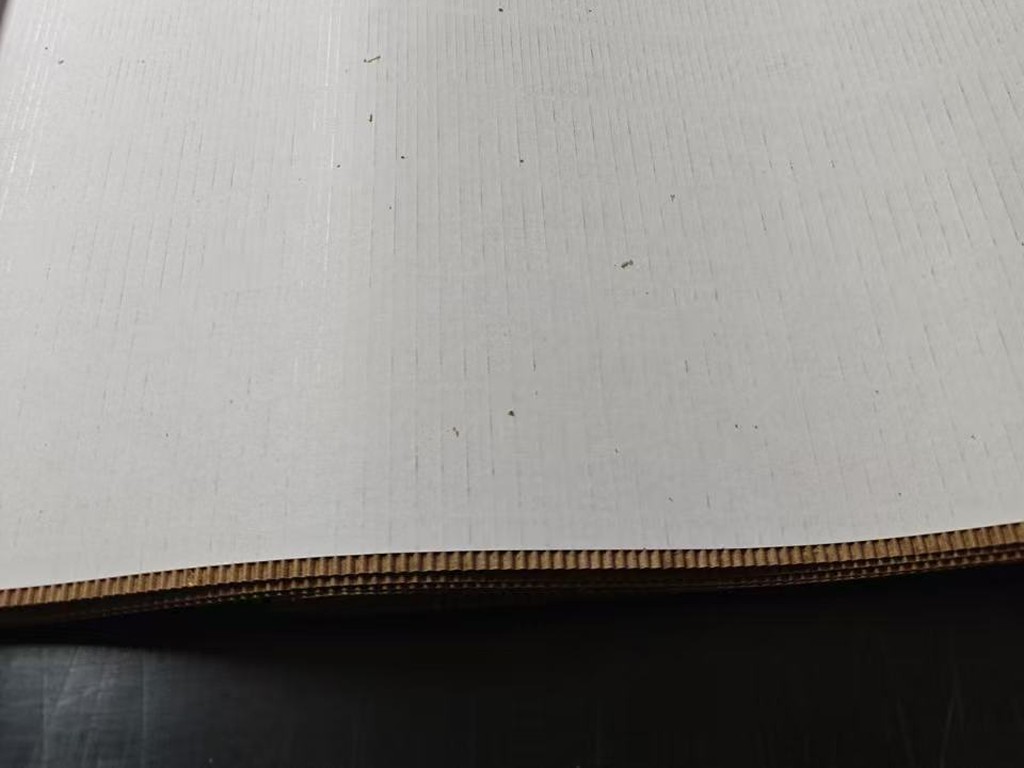
Since corrugating rolls directly determine flute formation, their condition and adjustment accuracy play an important role in maintaining stable corrugated board quality.
Main Causes of High-Low Flute Related to Corrugating Rolls
1. Incorrect Corrugating Roll Parallelism
The upper and lower corrugating rolls must maintain accurate parallel alignment during operation.
If the roll parallelism is not properly adjusted, or if the bearings at both ends are worn, uneven pressure distribution may occur between the rolls. During high-speed operation, roll vibration can affect flute forming consistency and result in high-low flute defects.
2. Uneven Roll Gap and Pressure Adjustment
The gap between corrugating rolls directly affects the forming pressure applied to the paper.
When the pressure between the upper and lower corrugating rolls is insufficient, or the contact gap between the pressure roll and corrugating roll is inconsistent, some areas may receive excessive pressure while others receive insufficient pressure.
This uneven forming force can cause inconsistent flute height across the board.
3. Poor Corrugating Roll Surface Condition
The surface condition of corrugating rolls has a direct impact on flute quality.
During long-term production, waste paper, dust, or dried adhesive may accumulate inside flute grooves. Blocked flute grooves can prevent the paper from forming smoothly, causing stretching and incomplete flute formation.
In addition, worn flute profiles or uneven temperature distribution across the roll surface may also lead to unstable flute forming.
4. Roll Vibration and Mechanical Instability
Stable roll operation is essential for producing consistent corrugated board.
If corrugating rolls, pressure rolls, or glue rolls have excessive runout, or if bearing clearance becomes too large, abnormal vibration and mechanical resonance may occur during operation.
These conditions can affect the contact stability between rolls and reduce flute forming accuracy, especially at high production speeds.
5. Improper Clearance Between Guide Fingers and Corrugating Roll
Guide fingers help guide the formed corrugated medium during production.
If the clearance between guide fingers and the lower corrugating roll is too small, or if the guide fingers are deformed, the movement of the paper may become restricted.
This can cause uneven flute formation and create low flute areas on the board.
6. Unsuitable Flute Parameters or Poor Roll Condition
Corrugating roll design parameters also influence flute forming performance.
Factors such as flute geometry, pitch, and tip radius can affect the forming result. If the flute design is not suitable for specific paper grades, especially lightweight paper, unstable flute formation may occur.
In addition, insufficient roll temperature or improper bearing expansion can affect the forming pressure and result in high-low flute problems.
How to Prevent High-Low Flute Problems?
To reduce high-low flute defects, corrugated board manufacturers should focus on:
- Regular inspection of corrugating roll condition
- Maintaining correct roll parallelism and operating clearance
- Cleaning flute grooves to prevent contamination
- Monitoring roll vibration and bearing condition
- Maintaining stable roll temperature
- Selecting suitable flute profiles according to paper grades
Proper adjustment and regular maintenance of corrugating rolls are essential for achieving consistent flute formation and stable board quality.
RMM Corrugating Rolls: Supporting Stable Production
As a professional corrugating roll manufacturer, RMM focuses on precision manufacturing, accurate flute profiles, and reliable roll performance.
Through advanced machining, surface treatment, and strict inspection processes, RMM corrugating rolls are designed to maintain stable flute formation and consistent performance in modern corrugated board production.
By ensuring precise flute geometry and excellent surface quality, high-performance corrugating rolls help manufacturers reduce production issues and improve overall board quality.