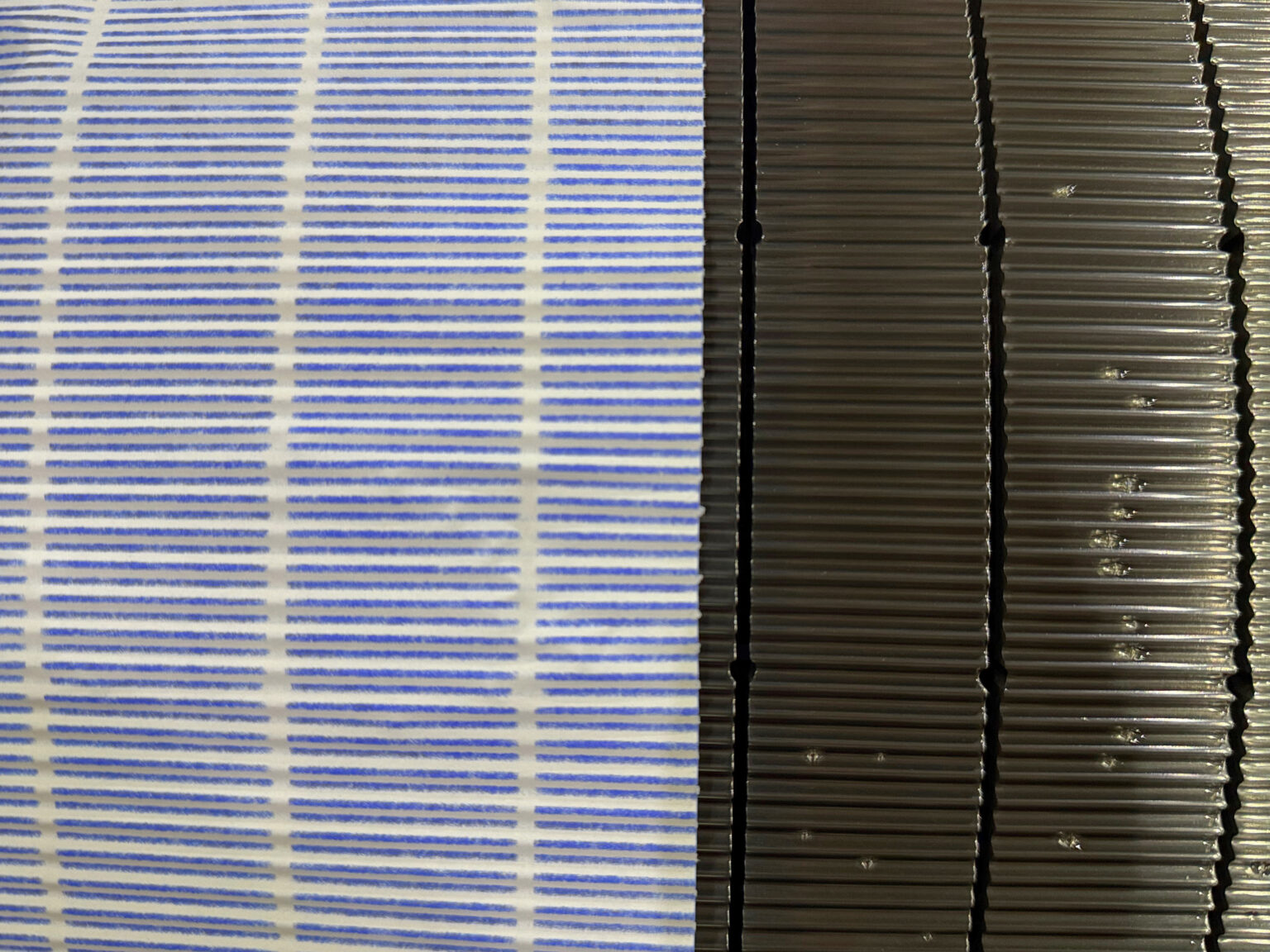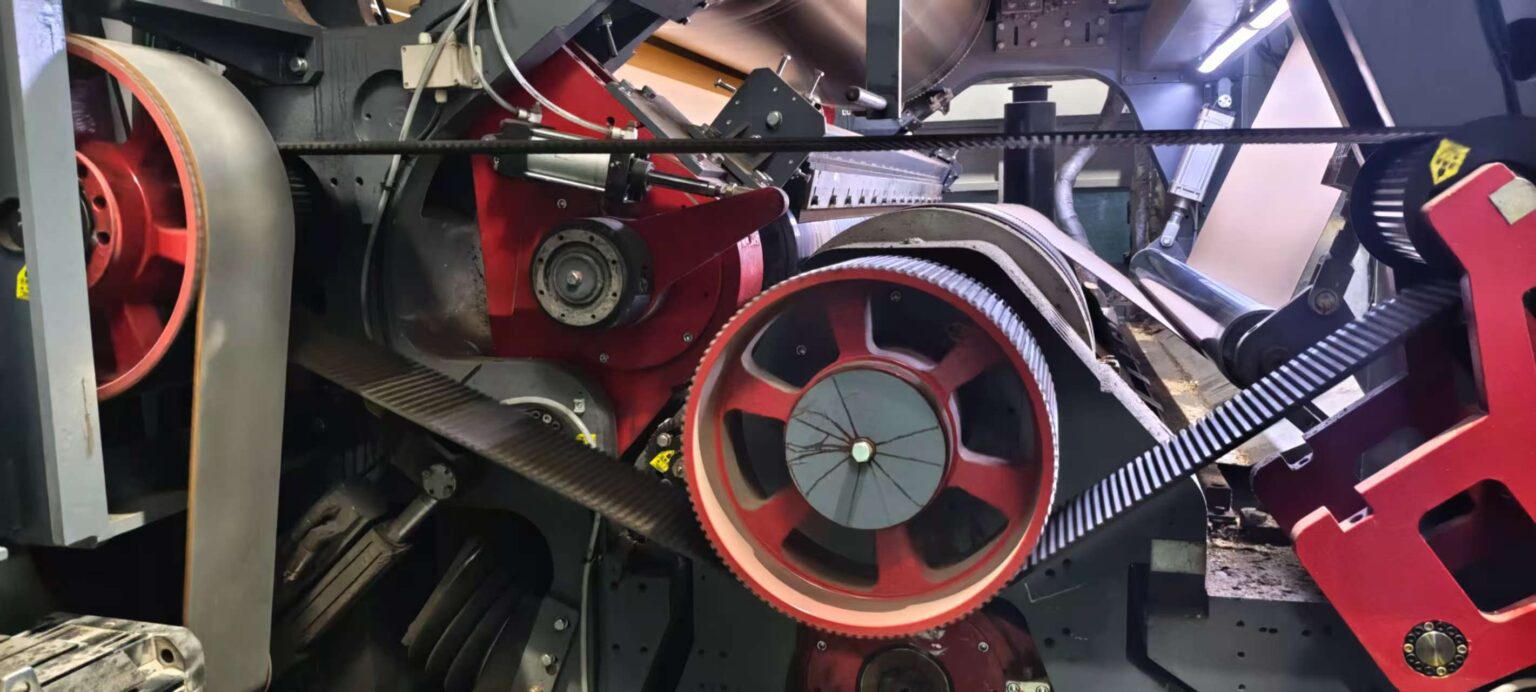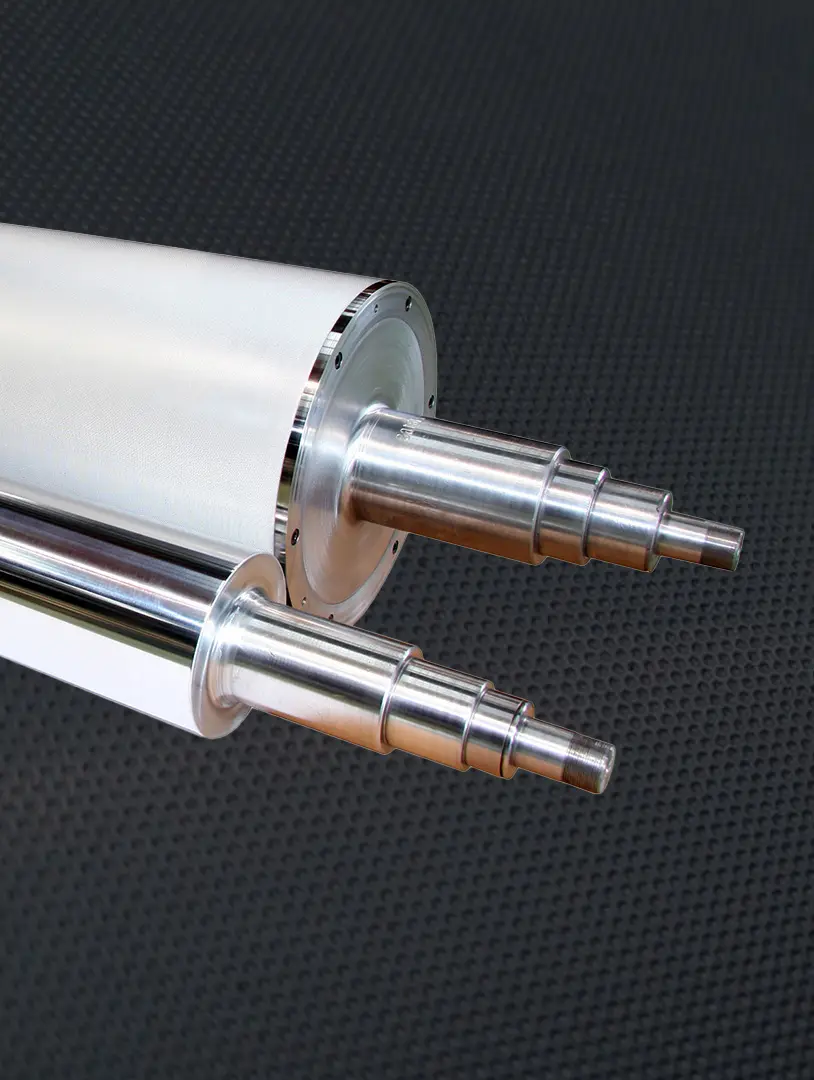
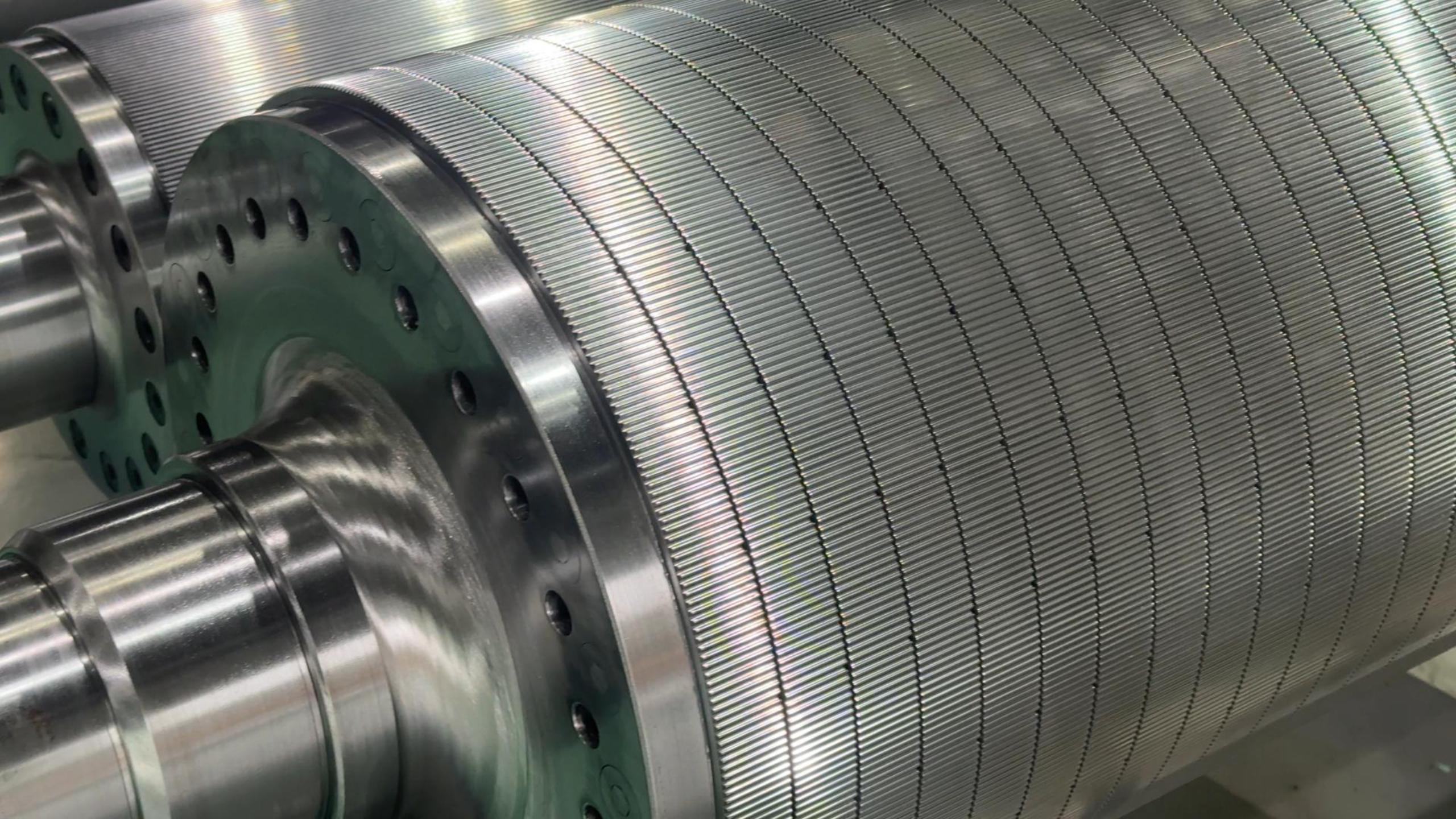
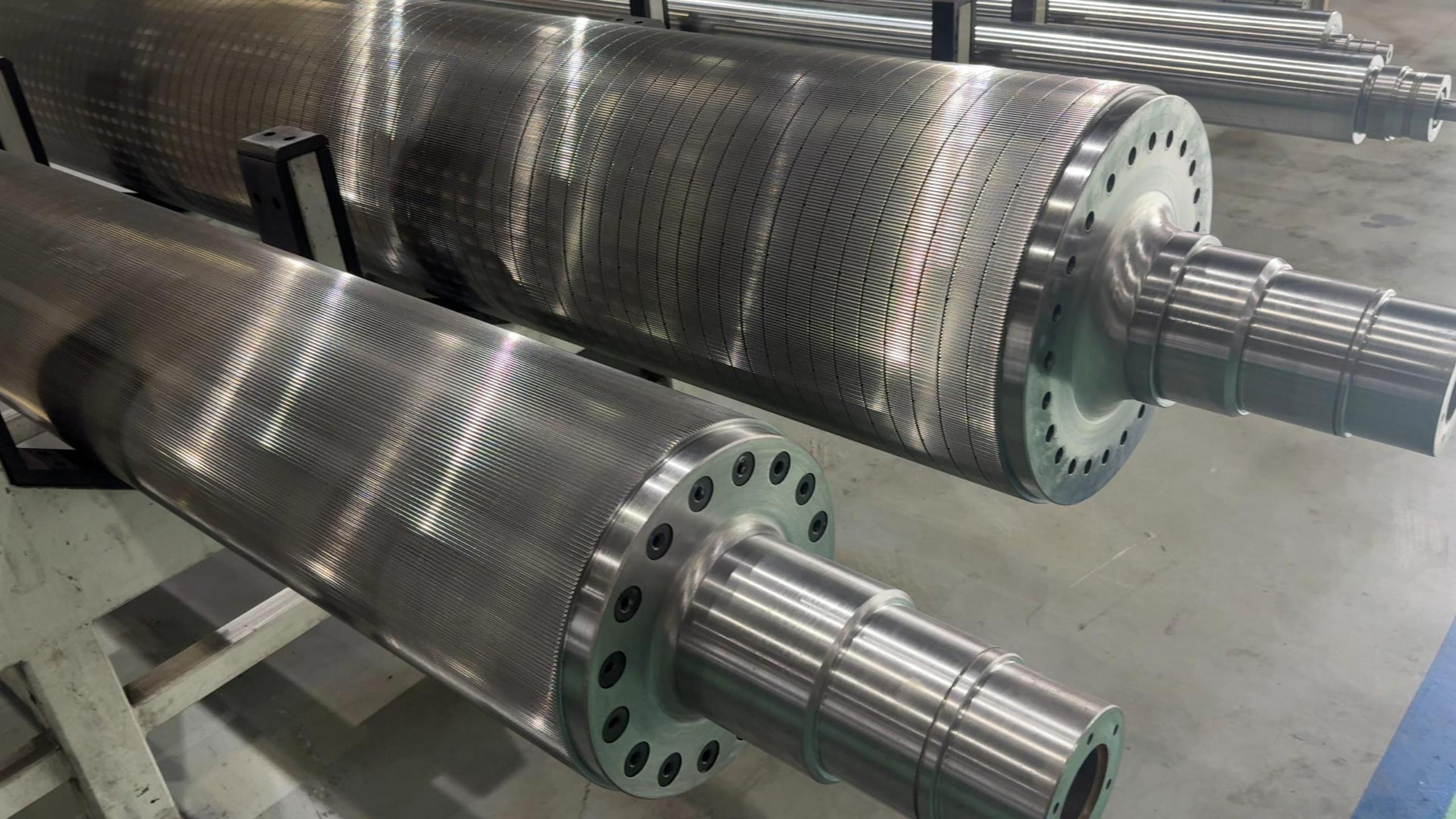
The corrugating roll is one of the most critical components in a corrugated cardboard production line. As the core forming component of the single facer, it determines the geometry of the flute, the stability of the corrugating process, and ultimately the quality and strength of the finished board.
During continuous production, corrugating rolls operate under high temperature, pressure, friction, and mechanical load. Over time, flute wear, bearing deterioration, improper alignment, contamination, and incorrect roller pressure can gradually affect performance. These problems may first appear as minor board defects but can eventually result in increased waste, unstable production, and premature roll replacement.
For this reason, proper corrugating roll maintenance is not simply a routine task—it is an important part of maintaining production efficiency and extending roll service life.
How Do Corrugating Rolls Affect Corrugated Cardboard Quality?
The condition of a corrugating roll directly influences flute formation, adhesive application, board thickness, and bonding strength. Common problems include:
1. Poor Flute Formation
Worn bearings, damaged roll journals, poor parallelism, or worn flute teeth can cause uneven pressure during the forming process. This may result in high and low flutes, crushed flutes, flat flutes, or inconsistent flute formation.
Since flute geometry provides the basic structure of corrugated board, even relatively small deviations can affect board stiffness and compression performance.
2. Poor Bonding and Delamination
The condition of the corrugating roll also affects adhesive transfer. If a roll develops uneven wear or a concave profile, the pressure and glue application can become inconsistent.
Contamination inside the flute grooves can create a similar problem. Excessive glue in some areas and insufficient glue in others may lead to delamination, bubbling, or weak bonding strength.
3. Insufficient Board Thickness and Crushed Flutes
Incorrect roller clearance or excessive wear can change the forming pressure between the corrugating roll and pressure roll. Uneven pressure may cause the flute to collapse or crack, reducing the finished board thickness.
This can negatively affect important performance properties such as edge crush resistance (ECT) and compression strength.
4. Surface Defects and Irregular Flutes
Paper dust, dried adhesive, or other contaminants trapped in the flute grooves can interfere with paper forming. Localized roll wear may also produce skewed flutes, inverted flutes, or uneven flute profiles.
These defects not only affect appearance but may also influence subsequent printing, converting, and packaging processes.
 |
 |
|---|
Corrugating Roll Maintenance: Key Practices
A systematic maintenance program should cover the roll before, during, and after production, together with scheduled inspection and servicing.
1. Check Alignment and Roller Gap Before Production
Correct parallelism is essential for stable flute formation. The upper and lower corrugating rolls, as well as the corrugating roll and pressure roll, should be checked regularly.
Pressure-sensitive paper or carbon paper can be used to identify uneven contact and help verify parallelism. The roller gap should also be adjusted according to the paper grade and production requirements.
Proper alignment prevents localized pressure, excessive wear, and unnecessary contact between critical components.
2. Confirm Lubrication and Preheat the Roll
Before production, inspect the lubrication condition of bearings and transmission components. Adequate lubrication helps reduce friction, vibration, and bearing wear.
The corrugating roll should also reach the required operating temperature before full production. Proper thermal preparation helps maintain stable flute formation and reduces the risk of paper damage during start-up.
3. Control Operating Pressure
Roll pressure should be adjusted according to paper width, paper grade, and actual production conditions. Narrow-width production may require appropriately reduced pressure to minimize unnecessary loading and prevent metal-to-metal contact around the journals.
Excessive pressure does not necessarily improve board quality. In many cases, it can accelerate flute wear and increase operating costs.
4. Monitor Flute Wear Regularly
Corrugating roll wear should be measured rather than judged only by appearance.
Regular measurement of flute height, flute profile, and roll condition can help operators identify wear trends, estimate remaining service life, and determine when regrinding or replacement should be scheduled.
Early detection is particularly important for high-speed production lines, where small changes in flute geometry can quickly affect board quality.
5. Keep the Roll Surface and Flutes Clean
Paper dust, carbonized adhesive, and other contaminants should be removed regularly. Foreign particles trapped in the flute grooves can interfere with forming and adhesive transfer while accelerating local wear.
Cleaning should be performed using appropriate methods and tools. High-temperature roll surfaces should not be exposed to sudden cooling with water, as thermal shock may damage the roll.
6. Release Pressure After Production
When production stops, the working pressure should be released appropriately. Leaving the corrugating roll under unnecessary pressure for extended periods can increase stress on the roll and bearings.
Proper shutdown procedures are a simple but effective way to protect the roll between production cycles.
7. Regrind or Replace When Necessary
When a corrugating roll develops stepped wear, localized wear, or an uneven profile, professional corrugating roll regrinding may restore the flute geometry and extend its service life.
However, regrinding should be based on the remaining flute depth, coating condition, and overall roll geometry. Severely worn or damaged rolls should be replaced rather than repeatedly repaired.
For tungsten carbide corrugating rolls, professional grinding and inspection are especially important because the coating and flute profile must be carefully controlled during refurbishment. RMM provides precision regrinding services designed to restore roll performance and extend usable life.
Preventive Maintenance Is the Key to Stable Production
Corrugating roll maintenance should not begin only after board defects appear. A preventive approach—combining alignment checks, pressure control, lubrication, cleaning, wear measurement, and timely regrinding—can help manufacturers maintain consistent flute geometry and reduce unexpected downtime.
A high-quality corrugating roll provides the foundation, but its long-term performance also depends on how it is installed, operated, inspected, and maintained. For demanding corrugator applications, technologies such as tungsten carbide coating can further improve wear resistance and help maintain stable flute formation over extended production runs. RMM’s tungsten carbide corrugating rolls are designed for high-speed production and can be professionally reground to further extend their service life.