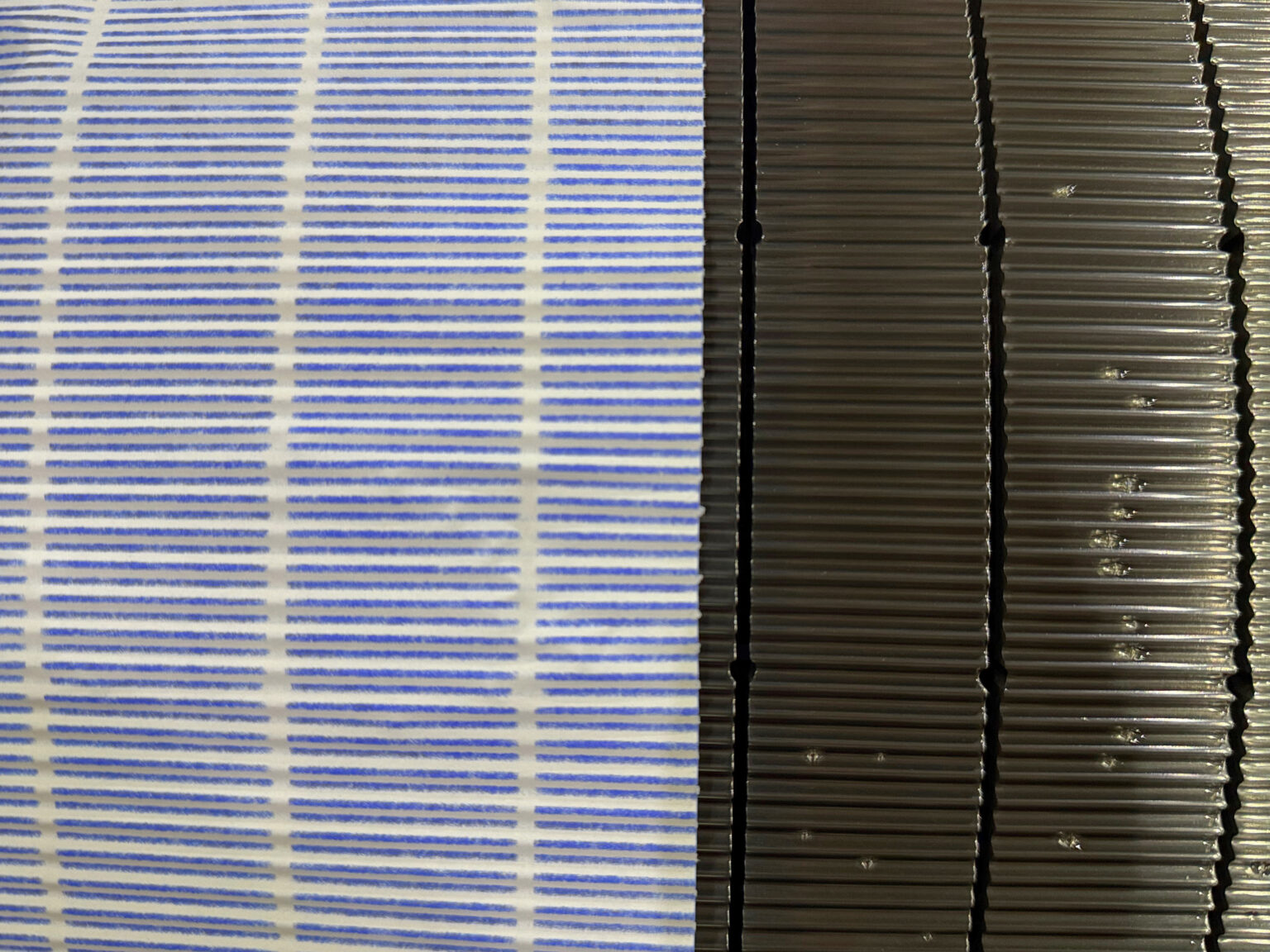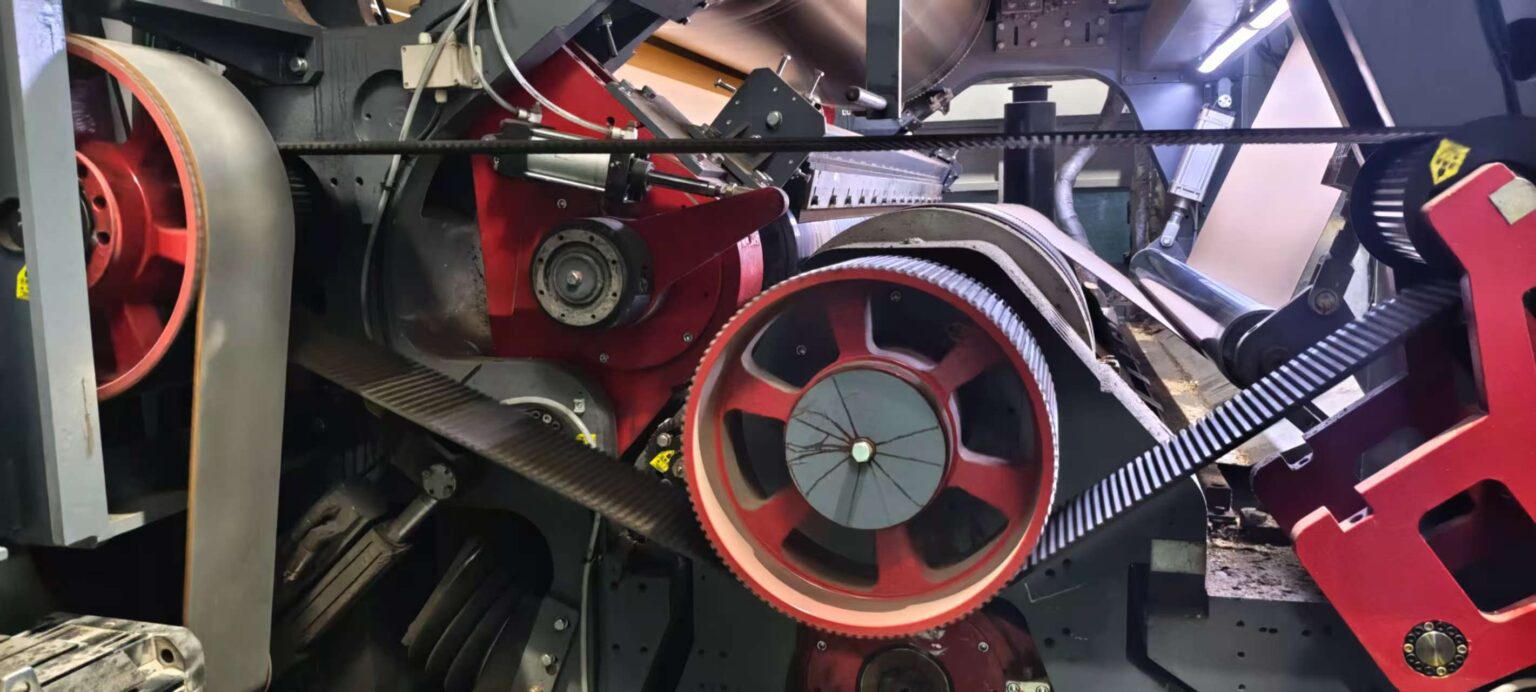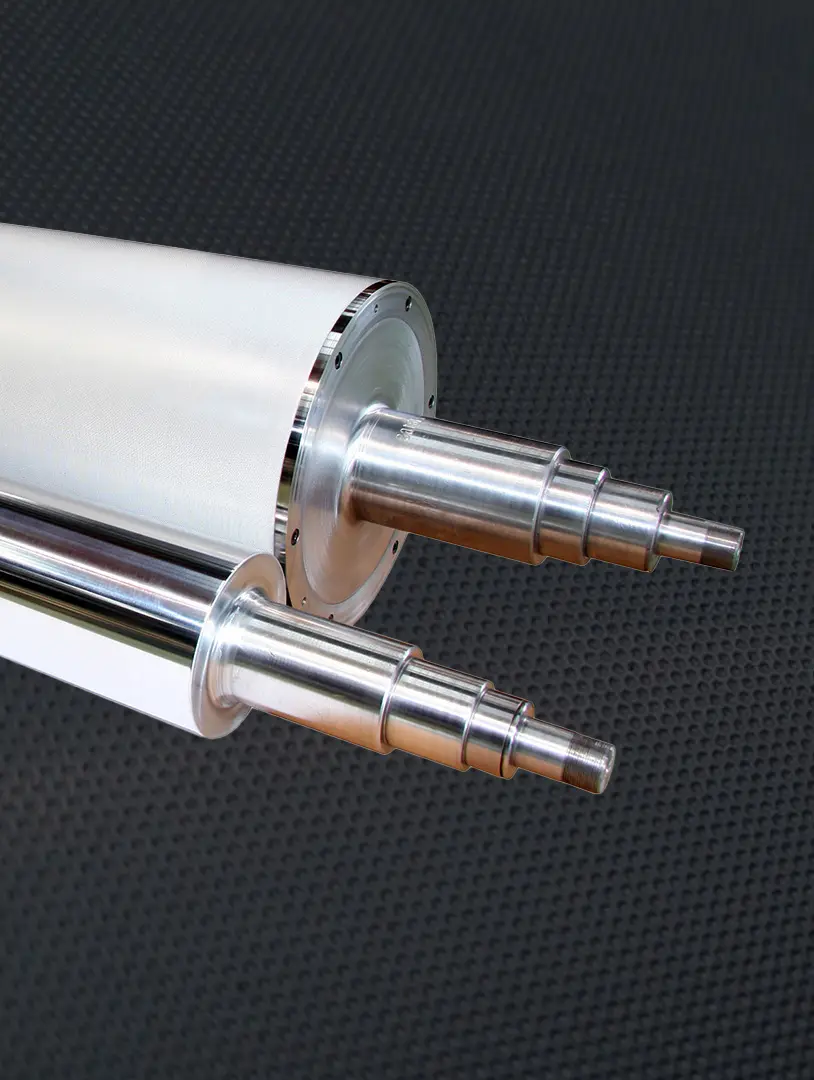
Corrugating rolls are among the most critical components in a corrugator machine. Their condition directly affects flute formation, board quality, production stability, and operating efficiency. However, even a high-quality corrugating roll can suffer premature wear if daily maintenance is not performed correctly.
From pressure and gap adjustment to cleaning, lubrication, and shutdown procedures, small maintenance mistakes can gradually lead to uneven wear, damaged surfaces, and unstable flute formation.
Here are 7 common corrugating roll maintenance mistakes and the recommended practices to help extend roll life and maintain consistent production.

1. Applying Excessive or Constant Pressure
One of the most common mistakes is running the corrugating rolls with unnecessarily high pressure. Keeping maximum pressure regardless of paper width, board grade, or machine speed can accelerate roll wear, particularly around areas that are not fully covered by the paper web.
Running the rolls under pressure without paper is even more damaging because the metal surfaces can come into direct contact.
Best practice: Use the minimum effective pressure required for stable flute formation. Pressure should be adjusted according to paper characteristics, production speed, and sheet width. Always release pressure when the machine is running without paper.
2. Washing a Hot Corrugating Roll with Cold Water
Rapid temperature changes can place unnecessary thermal stress on the roll surface. For rolls with tungsten carbide coatings, improper cleaning at high temperatures may also increase the risk of surface damage or coating failure.
Best practice: Allow the corrugating roll to cool before water-based cleaning. For removing paper dust and surface contamination during operation or routine maintenance, suitable steam cleaning equipment can be used according to the machine manufacturer's recommendations.
3. Ignoring Roll Gap and Parallelism
Correct roll gap and parallelism are essential for uniform flute formation. If the rolls are not properly aligned, contact pressure can become uneven, causing localized wear and inconsistent board quality.
A small alignment problem can gradually become a major production issue.
Best practice: Check roll parallelism regularly using an appropriate measurement method, such as pressure-sensitive paper or lead-wire testing where applicable. Correct any deviation before it causes significant roll wear.
4. Leaving Paper Dust, Glue, and Other Contaminants on the Roll
Paper fibers, starch residue, glue deposits, and other contaminants can accumulate on the roll surface. Over time, they may harden and interfere with proper roll engagement or damage the roll surface.
Foreign objects are an even greater risk. Hard debris entering the nip can cause serious mechanical damage.
Best practice: Clean the roll surface as part of the daily maintenance routine. Remove glue residue and accumulated debris promptly, especially after production changes or abnormal operating conditions.
5. Neglecting Lubrication and Running-In
Bearings and related components require proper lubrication to maintain smooth operation. Insufficient or unsuitable high-temperature grease can increase friction, heat generation, and component wear.
New or reconditioned corrugating rolls also require appropriate running-in before being exposed to full production conditions.
Best practice: Inspect lubrication points regularly and use the recommended high-temperature grease. For a new roll, follow a controlled running-in procedure and monitor operating temperature before increasing speed and load.
6. Stopping the Machine Without Releasing Pressure
Shutdown procedures are just as important as production settings. Leaving corrugating rolls under pressure after production can create unnecessary localized stress and heat concentration.
Insufficient cooling may also affect roll geometry and surface condition.
Best practice: Release roll pressure promptly after stopping production and allow the rolls to cool according to the equipment manufacturer's recommended procedure. For some machines, controlled idle rotation during cooling may be required.
7. Making Mechanical Adjustments While the Rolls Are Under Pressure
Adjusting roll gaps, pressure, or other mechanical components while the machine is operating or under load can damage equipment and create serious safety risks.
Best practice: Follow the machine manufacturer's lockout and safety procedures before making mechanical adjustments. Mechanical alignment and gap adjustments should only be performed when the equipment is in a safe, properly isolated condition.
Consistent Maintenance Means Consistent Flute Quality
Corrugating roll maintenance is not simply about preventing breakdowns. Proper maintenance helps control roll wear, flute geometry, surface condition, and production stability over the entire service life of the roll.
A practical maintenance routine should include:
- Checking roll pressure and parallelism
- Monitoring operating temperature
- Cleaning paper and glue residues
- Inspecting bearings and lubrication
- Checking roll surface condition
- Following proper startup and shutdown procedures
- Recording abnormal wear or production changes
For plants running high-speed or demanding corrugated board production, maintenance should be combined with regular professional inspection and regrinding when necessary. A well-maintained corrugating roll not only lasts longer—it helps keep every flute performing consistently.
Looking for professional corrugating roll solutions? RMM provides new corrugating rolls, tungsten carbide coated rolls, regrinding services, custom flute profiles, and technical support for different corrugator applications.