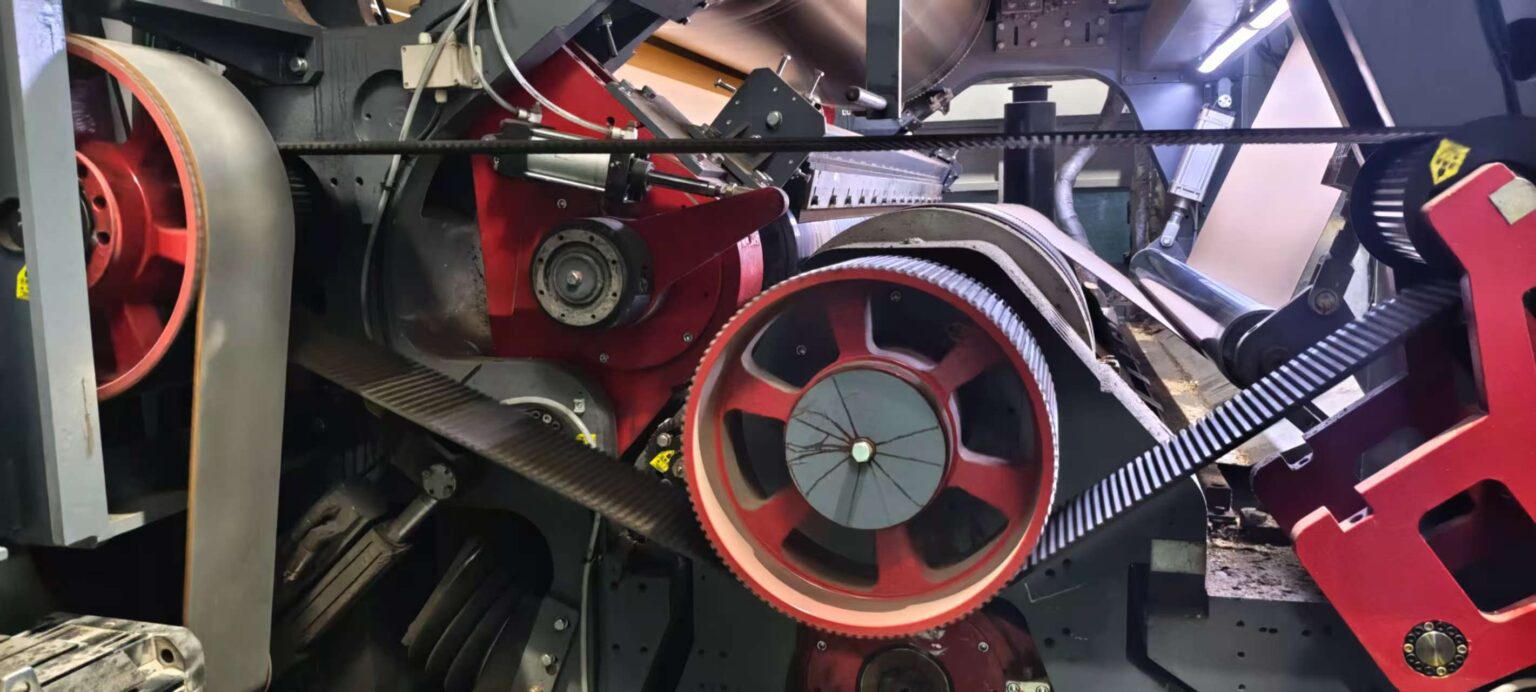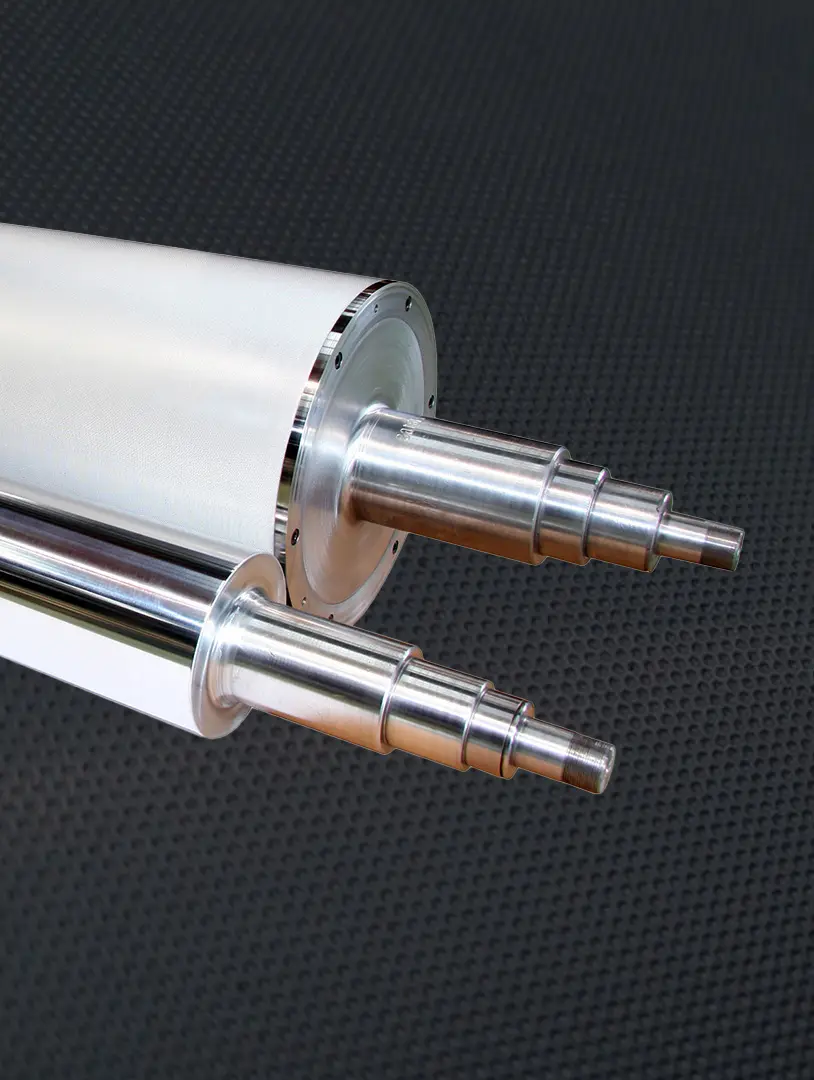
Large-and-small diameter corrugating rolls are a roll configuration that combines upper and lower corrugating rolls with different diameters. The upper corrugating roll is typically significantly larger than the lower roll. For example, the upper roll may have a diameter of 540–560 mm, while the lower roll is approximately 325–360 mm.
By using different roll diameters, this configuration is designed to optimize several key aspects of corrugated board production, including running stability, heat transfer, flute formation, roll wear, and high-speed production performance.
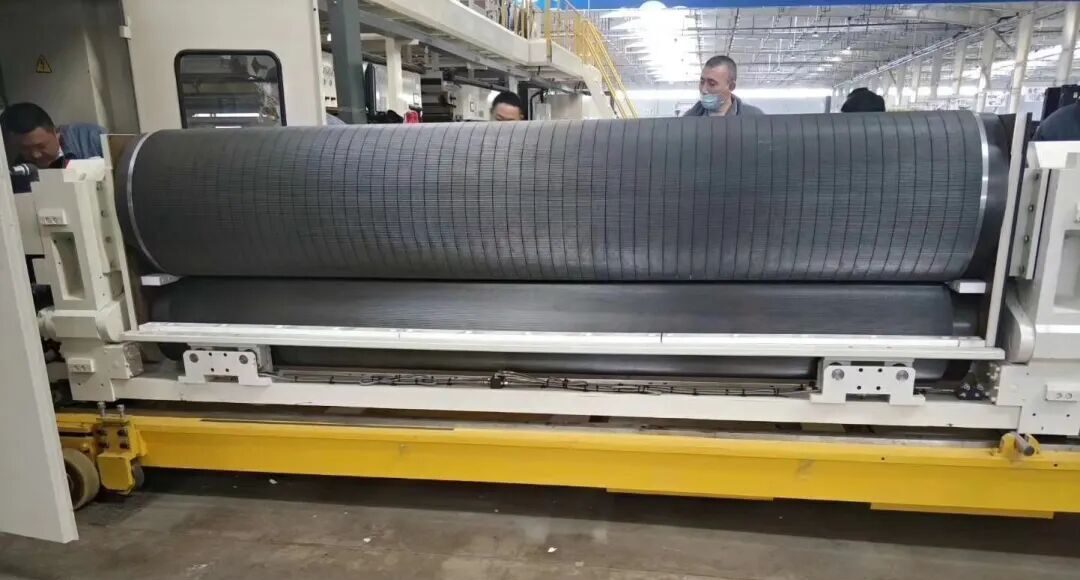
1. Working Principle of Large-and-Small Diameter Corrugating Rolls
The large-and-small diameter corrugating roll design changes the overall structure and load distribution of the corrugating roll set by combining upper and lower rolls with different diameters.
Because the upper corrugating roll has a larger diameter, it has greater rotational inertia, higher rigidity, and relatively more internal space for steam heating. At the same production speed, the larger roll rotates at a lower speed than the smaller roll, which can help reduce wear on the large roll over time. In addition, the larger diameter provides a greater heating area, helping maintain a more stable working temperature so that the corrugating medium can be formed more consistently.
The combination of different roll diameters can also optimize the overall center of gravity of the equipment, helping reduce vibration and improve running stability. By properly controlling the gap between the upper and lower corrugating rolls, the distance between the rolls can be reduced, paper tension can be lowered, and the effective contact time between the paper and corrugating rolls can be increased.
2. Main Advantages of Large-and-Small Diameter Corrugating Rolls
1. Improved Stability at High Production Speeds
The larger-diameter corrugating roll provides greater rigidity and better resistance to vibration, helping reduce vibration and mechanical resonance during high-speed operation. For high-speed corrugator lines, this can contribute to more stable flute formation and consistent board quality.
2. Improved Heating and Flute Formation
The larger corrugating roll has a greater heating area and more internal steam space, which helps transfer heat to the paper more consistently. This allows the corrugating medium to soften sufficiently and maintain a stable condition during flute formation.
3. Reduced Wear of the Large Corrugating Roll
At the same machine speed, the larger corrugating roll rotates at a relatively lower speed. Therefore, its wear rate can be reduced to a certain extent. Lower wear helps maintain stable flute geometry and extend the service life of the corrugating roll.
4. Longer Paper Contact Time
With a properly designed large-and-small roll configuration, the distance between the rolls can be reduced while the effective contact time between the paper and the corrugating rolls can be increased. This provides more favorable conditions for flute formation during high-speed production.
5. Reduced Equipment Vibration
Because the weight and dimensions of the upper and lower corrugating rolls are different, the overall center of gravity of the equipment can be optimized. This helps improve running stability, particularly on wide-width and high-speed corrugator lines.
3. Suitable Production Applications
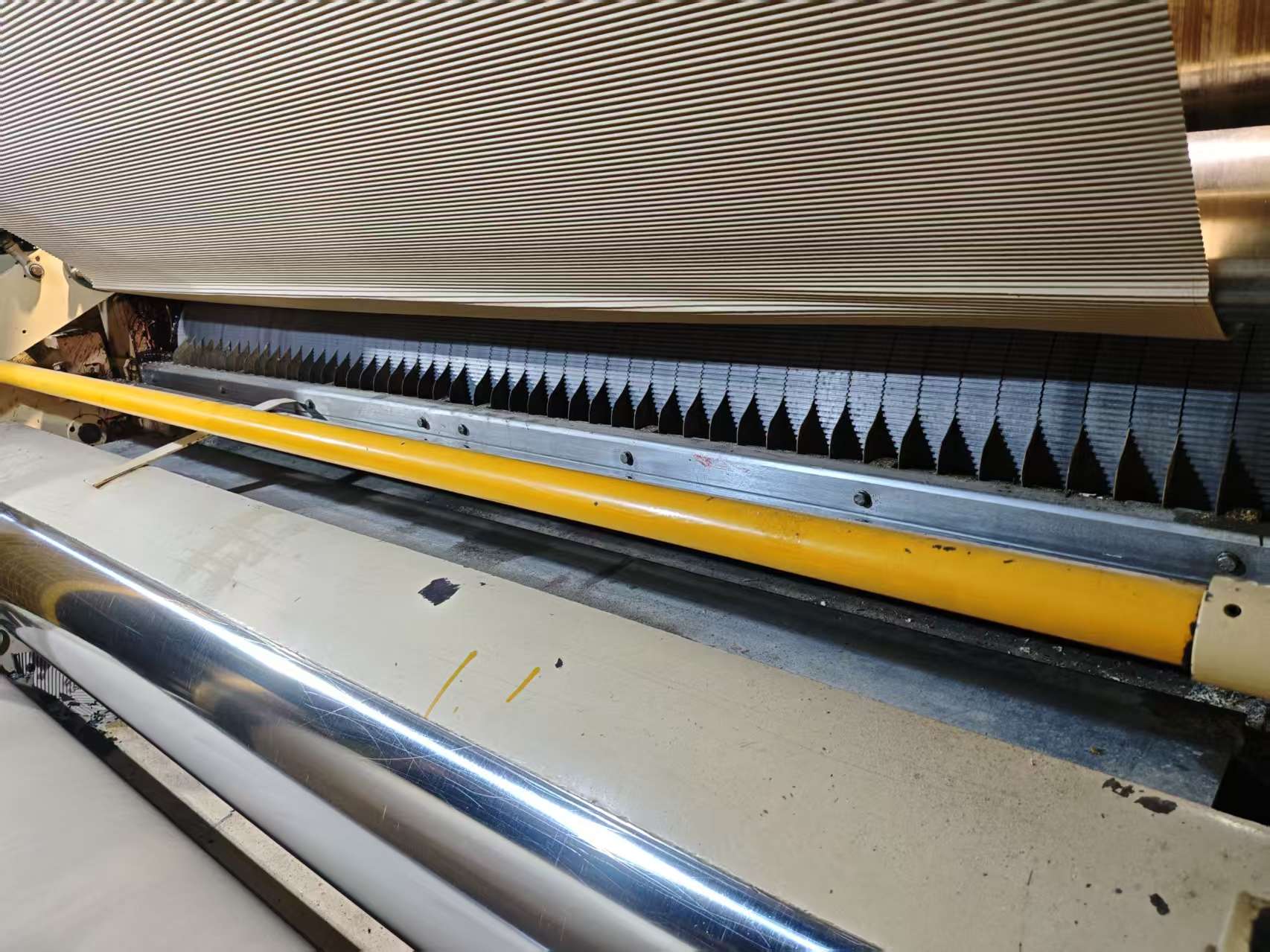
High-Speed Corrugated Board Production Lines
Large-and-small diameter corrugating rolls are particularly suitable for high-speed corrugator lines. At production speeds above 300 m/min and even higher, the lower rotational speed of the large roll, combined with its greater rigidity and stable heating performance, can help maintain consistent flute formation.
Wide-Width and Ultra-Wide Corrugator Lines
For wide-width corrugator lines of 2.5 m, 2.8 m, 3.1 m, and above, longer rolls are more susceptible to vibration and resonance. The larger-diameter corrugating roll provides better rigidity and vibration resistance, helping improve running stability during wide-width production.
Heavyweight and High-Quality Corrugated Board
With appropriate flute profile and roll gap design, large-and-small diameter corrugating rolls can improve flute formation and heating conditions. They are suitable for heavyweight and lightweight corrugated board, as well as applications requiring high edge crush strength, flat crush strength, and board flatness.
Long-Term Continuous Production
For large-scale corrugated packaging plants that require long periods of high-speed operation, stability and wear resistance are particularly important. Large-and-small diameter corrugating rolls can provide more stable operation by reducing vibration, optimizing heating, and reducing certain types of roll wear.
4. Considerations for Large-and-Small Diameter Corrugating Rolls
The large-and-small diameter corrugating roll design also has certain limitations. Since the upper and lower rolls have different diameters, their wear rates may differ. Regular inspection of the flute profile, roll gap, and parallelism is therefore required. The smaller-diameter corrugating roll typically operates at a higher rotational speed, so its wear condition should also receive particular attention.
At the same time, when the paper contact length and number of engaged flutes increase, higher paper tension may occur. This places higher requirements on roll surface finish, flute profile design, roll gap control, and paper adaptability.
Conclusion
Large-and-small diameter corrugating rolls optimize the performance of the corrugating roll set through a combination of upper and lower rolls with different diameters, providing improvements in rigidity, heating, vibration control, wear, and paper contact time.
This configuration is particularly suitable for high-speed, wide-width, and high-demand corrugated board production lines.
By properly matching the corrugating roll diameter, flute profile, roll gap, and operating parameters, large-and-small diameter corrugating rolls can help improve production stability, enhance flute formation, and provide a reliable foundation for high-speed and efficient corrugated board production.