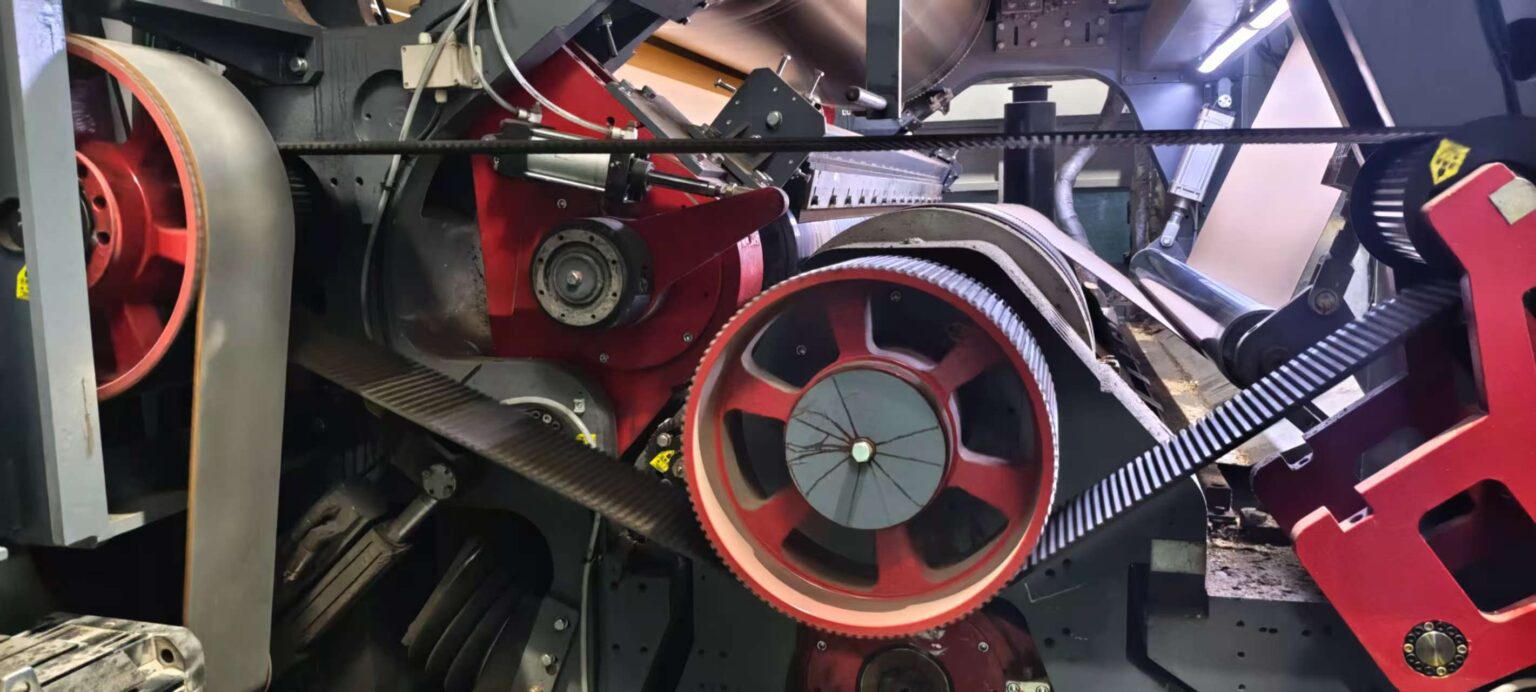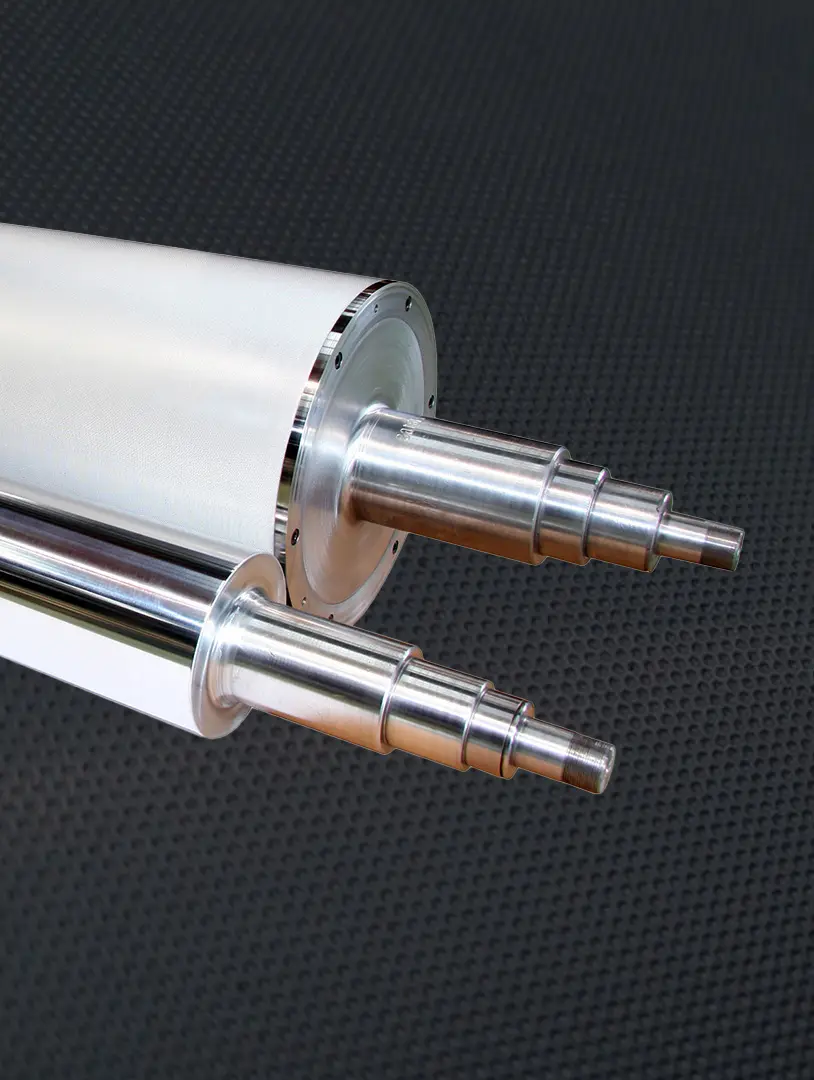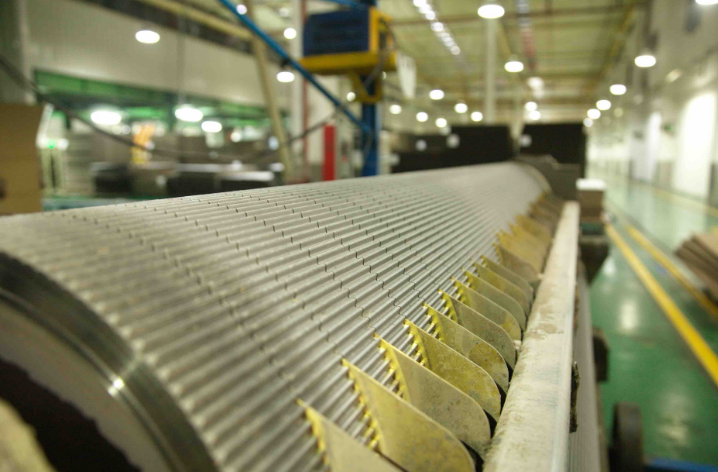
Corrugating rolls are the key functional components of a corrugated board production line and single facer. They are also among the more expensive wear parts in the corrugating process.
Because corrugating rolls operate continuously under pressure, heat, and friction, proper maintenance is essential for protecting roll performance, extending service life, and maintaining consistent board quality.
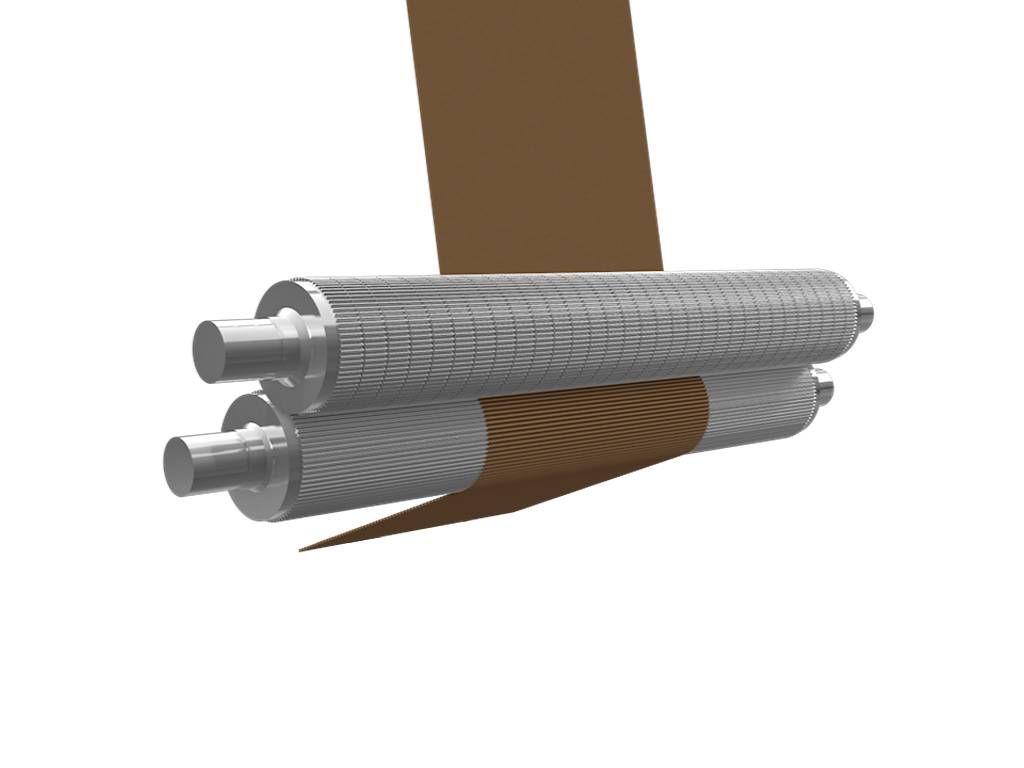
Before Use: Check and Adjust the Corrugating Rolls
Before putting corrugating rolls into operation, a thorough inspection should be carried out.
First, check the parallelism and fastening condition of the rolls to ensure they are correctly installed and securely positioned.
It is also important to adjust the working pressure between the rolls properly. Correct pressure helps the corrugating rolls run smoothly during production while reducing unnecessary friction and wear.
Proper preparation before production can prevent avoidable mechanical problems and help establish stable operating conditions from the beginning.
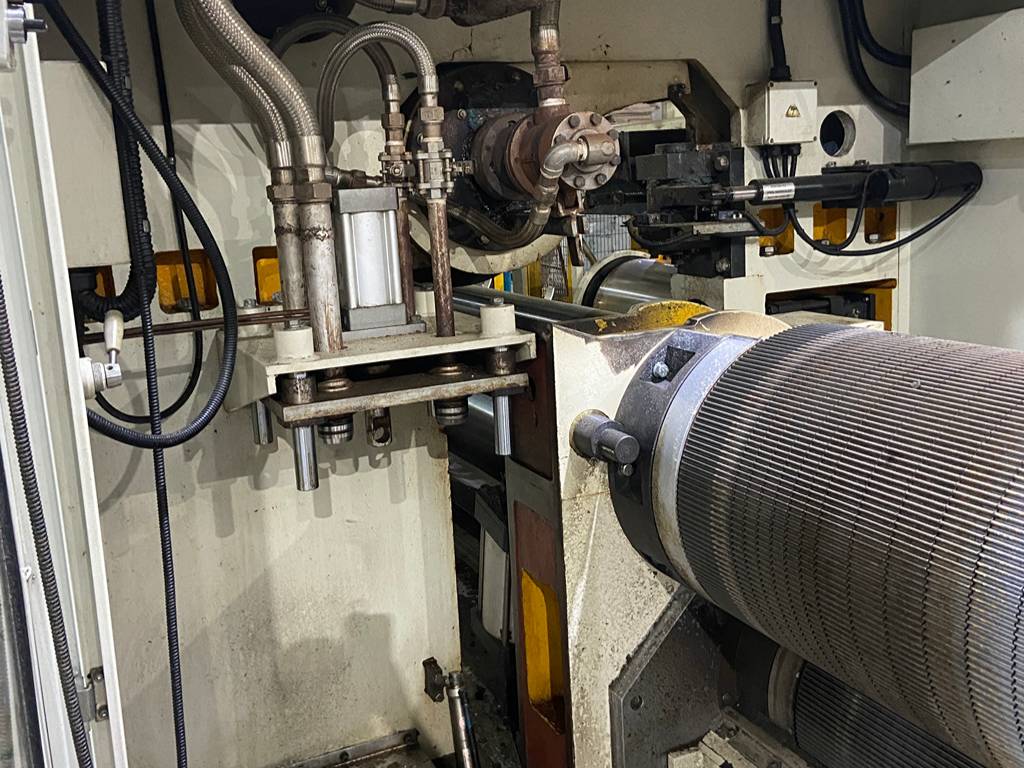
During Use: Pay Attention to Lubrication
During operation, proper lubrication should not be overlooked.
Depending on the equipment and operating conditions, a small amount of oil mist or friction-reducing agent can be applied to the corrugating roll surface as appropriate.
This can help reduce friction and wear between the rolls while also helping minimize problems such as paper breaks and blistering during production.
However, lubrication should always follow the equipment manufacturer's recommended method and operating conditions.
After Use: Clean the Roll Surface Properly
After production, the corrugating rolls should be cleaned promptly.
First, release the working pressure so that the rolls are no longer under unnecessary load. Then carefully clean the roll surface to remove paper fibers, dust, adhesive residue, and other contaminants.
One important precaution is to never rinse a hot corrugating roll with water.
A sudden temperature change can cause thermal deformation and may affect the roll's dimensional accuracy and surface condition. Repeated improper cooling can also contribute to premature wear and reduce the service life of the corrugating roll.
Allow the roll to cool properly according to the equipment manufacturer's recommended procedure before carrying out further cleaning or maintenance.
Regular Maintenance: When Should a Corrugating Roll Be Reground?
Under normal production conditions, a corrugating roll may process approximately 20 million meters of corrugated board before professional regrinding is required, depending on the roll material, flute profile, paper grades, operating conditions, and maintenance practices.
For example, at a production rate of 50,000 meters per day, this corresponds to roughly one year of operation.
During professional regrinding, a small amount of material is removed from the roll surface to restore the flute profile and working surface. As the roll diameter gradually decreases after regrinding, the corrugating coefficient may increase, which can lead to higher consumption of base paper and adhesive.
Therefore, professional regrinding should not simply be viewed as a repair operation. It is an important part of the corrugating roll's service-life management.
Regular maintenance and timely professional regrinding can help extend corrugating roll service life, maintain flute profile performance, and support consistent corrugated board quality.
Conclusion
Corrugating rolls are at the heart of the corrugating process, and their condition directly affects production stability and board quality.
From pre-operation inspection and pressure adjustment to proper lubrication, cleaning, and regular regrinding, every maintenance step contributes to protecting the roll and maintaining its performance.