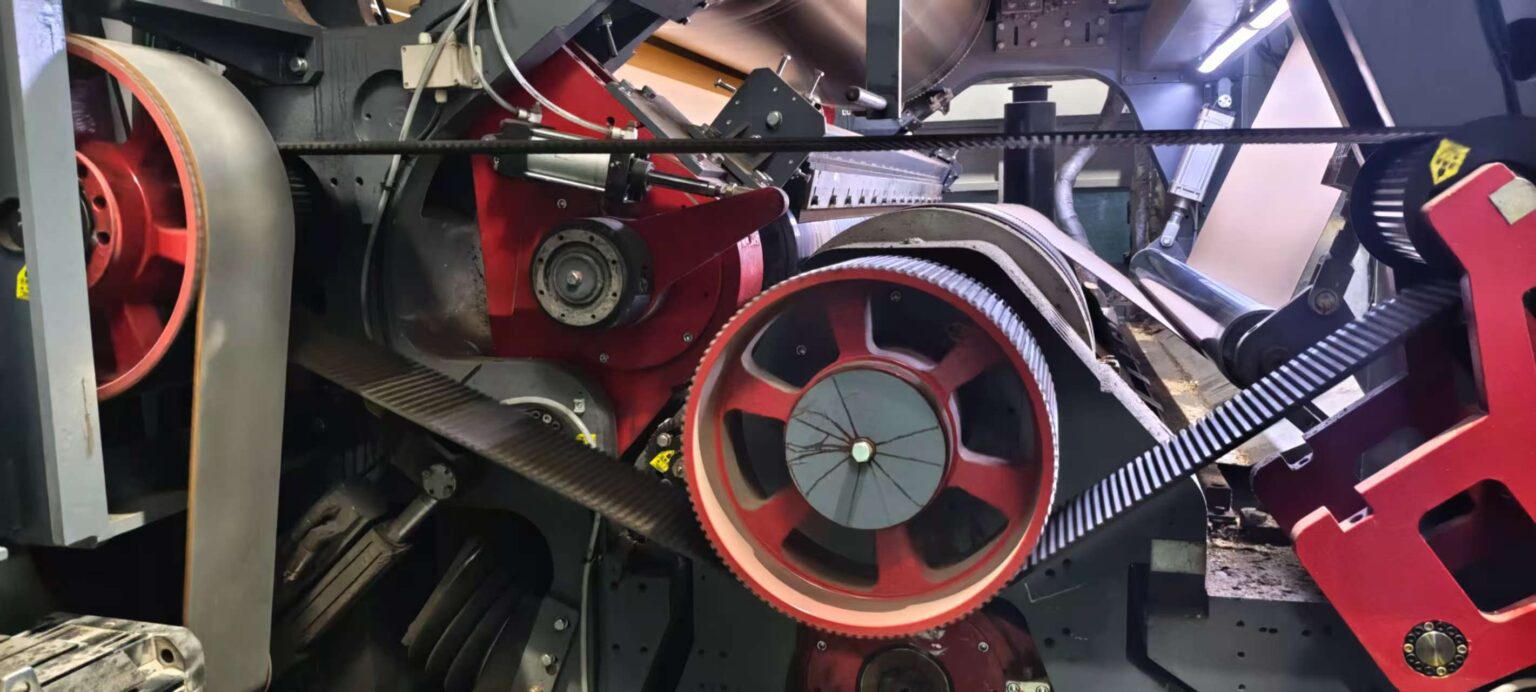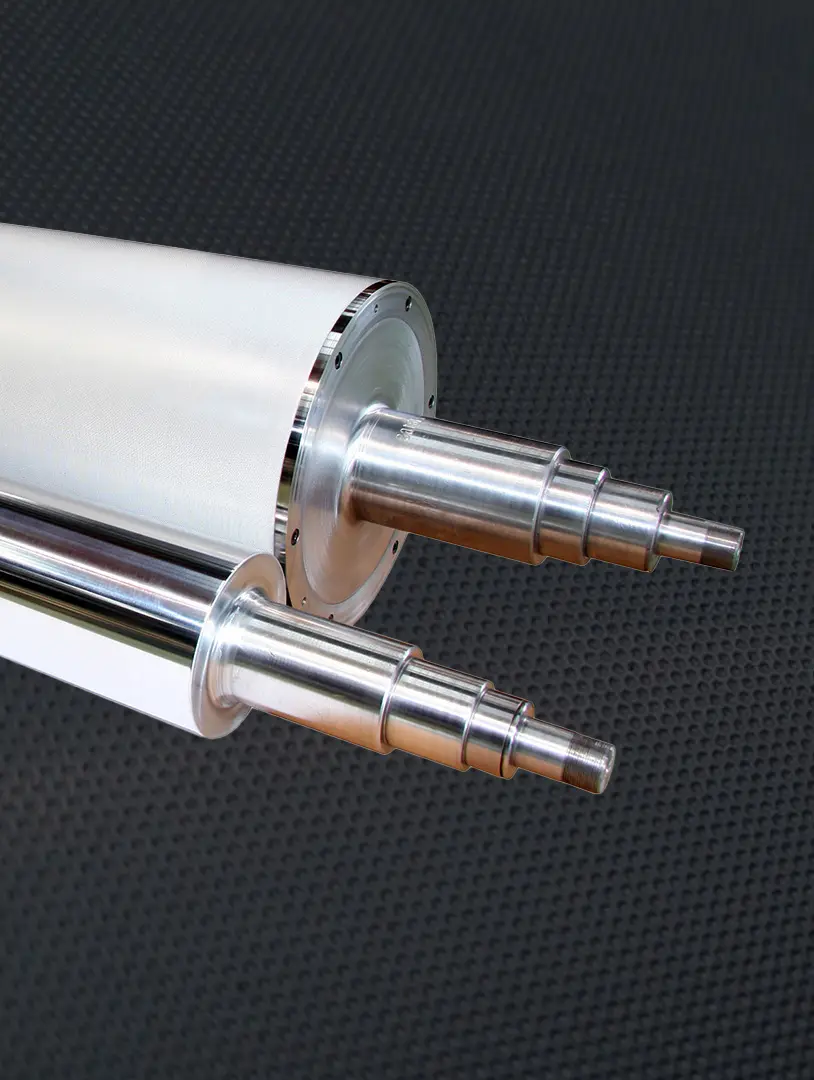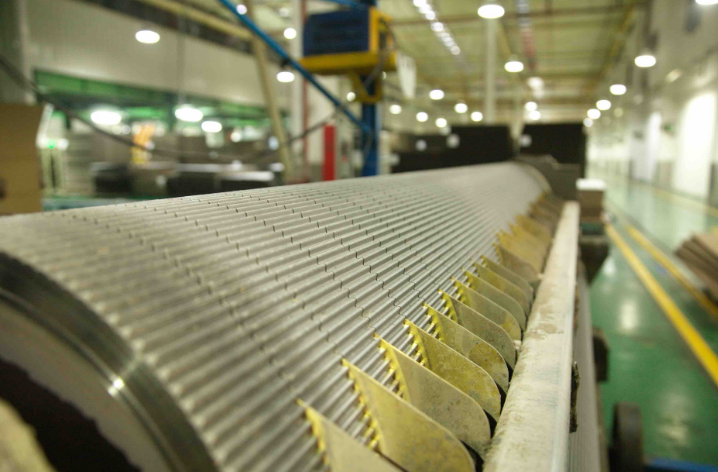
The material of a corrugating roll is more than a specification on a product sheet. As a core component of the single facer, the corrugating roll operates under heat, pressure, and continuous rotation. Its material directly affects structural stability, resistance to deformation, service life, and flute formation. For this reason, choosing the right corrugating roll material requires consideration of both the roll substrate and the surface treatment.
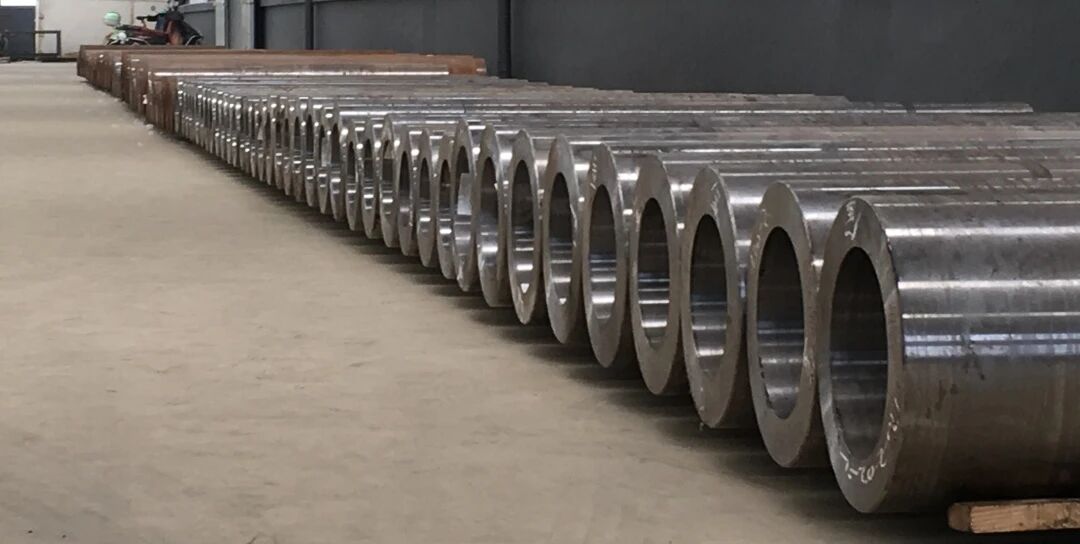
Why Does Corrugating Roll Material Matter?
During production, corrugating rolls are exposed to elevated temperatures from the heating system, pressure between the roll pair, and continuous mechanical loads. The roll body therefore needs sufficient strength, toughness, thermal stability, and resistance to deformation.
For this reason, alloy steel is commonly used as the substrate for corrugating rolls. Industry specifications for corrugating machinery rolls also cover forged carbon/manganese and low-alloy steel bodies and require appropriate heat treatment and material quality evaluation.
However, the substrate is only one part of the roll. Heat treatment, flute machining, surface coating, and final grinding all contribute to the finished roll's performance.
Common Alloy Steel Materials for Corrugating Rolls
Different alloy steels can be selected according to production requirements, machine configuration, and operating conditions.
48CrMoA Alloy Steel
48CrMoA offers a combination of strength, toughness, hardenability, and dimensional stability. It is commonly considered for conventional and medium-to-high-speed corrugating applications.
50CrMoA Alloy Steel
50CrMoA alloy steel provides a strong foundation for demanding corrugating applications where roll rigidity and thermal stability are important.
Its mechanical properties make it suitable for applications involving high production speeds, wide working widths, and demanding operating conditions. The material is also used by corrugating roll manufacturers for high-performance roll construction.
At RMM, 50CrMoA alloy steel is used as the substrate for our corrugating rolls, providing a stable foundation for flute machining and surface treatment.
42CrMo Alloy Steel
42CrMo is another widely used alloy steel with good overall mechanical properties. It can be suitable for conventional corrugating applications where the operating requirements and performance targets are appropriately matched to the material.
35CrMo Alloy Steel
35CrMo can be considered for applications with less demanding operating conditions. Material selection should always be based on the required roll performance rather than material cost alone.
50CrMoA: The Foundation of RMM Corrugating Rolls
For RMM, material selection starts with the roll body.
Using 50CrMoA alloy steel provides a strong substrate for the subsequent manufacturing processes. After the roll body is produced, heat treatment and precision machining help establish the required mechanical and dimensional properties before flute grinding and surface treatment.
This is particularly important for large-diameter and wide-width corrugating rolls, where maintaining dimensional stability under operating conditions is critical.
Material Is Only the Beginning
A high-quality corrugating roll cannot be defined by its steel grade alone.
The final performance also depends on:
- Heat treatment for strength and dimensional stability
- Flute machining and grinding for accurate flute geometry
- Surface treatment for wear resistance and service life
- Surface finishing for stable paper contact
- Inspection for flute profile, runout, dimensions, and surface condition
The combination of these processes determines how accurately the finished roll can reproduce the designed flute profile and maintain stable performance during production.
Choosing the Right Corrugating Roll Material
The right material should be selected according to the actual production requirements, including machine speed, working width, heating conditions, paper grades, production volume, and expected service life.
For demanding corrugating applications, a stable and reliable substrate is the starting point. With 50CrMoA alloy steel as the roll foundation, RMM combines material selection with controlled heat treatment, flute machining, surface treatment, and inspection to produce corrugating rolls designed for consistent production performance.
Conclusion
Corrugating roll performance starts from the inside.
The substrate provides the structural foundation, while heat treatment, flute machining, surface treatment, and inspection determine how that foundation performs in real production.
For RMM, 50CrMoA alloy steel is the starting point for building corrugating rolls that combine structural stability with accurate flute formation and reliable long-term operation.