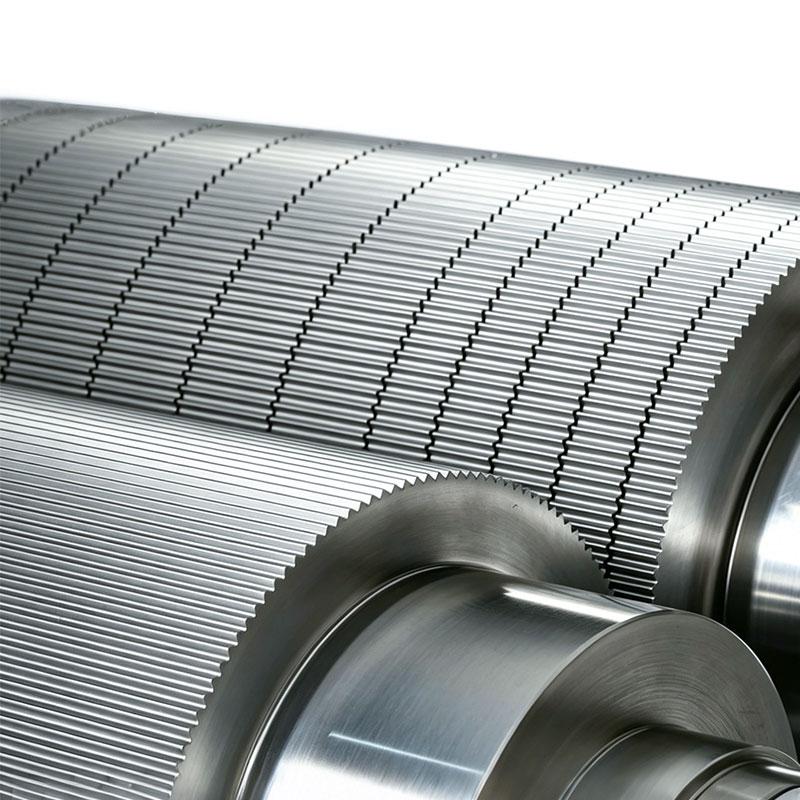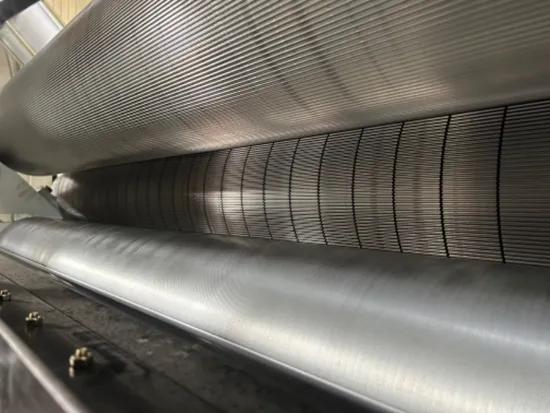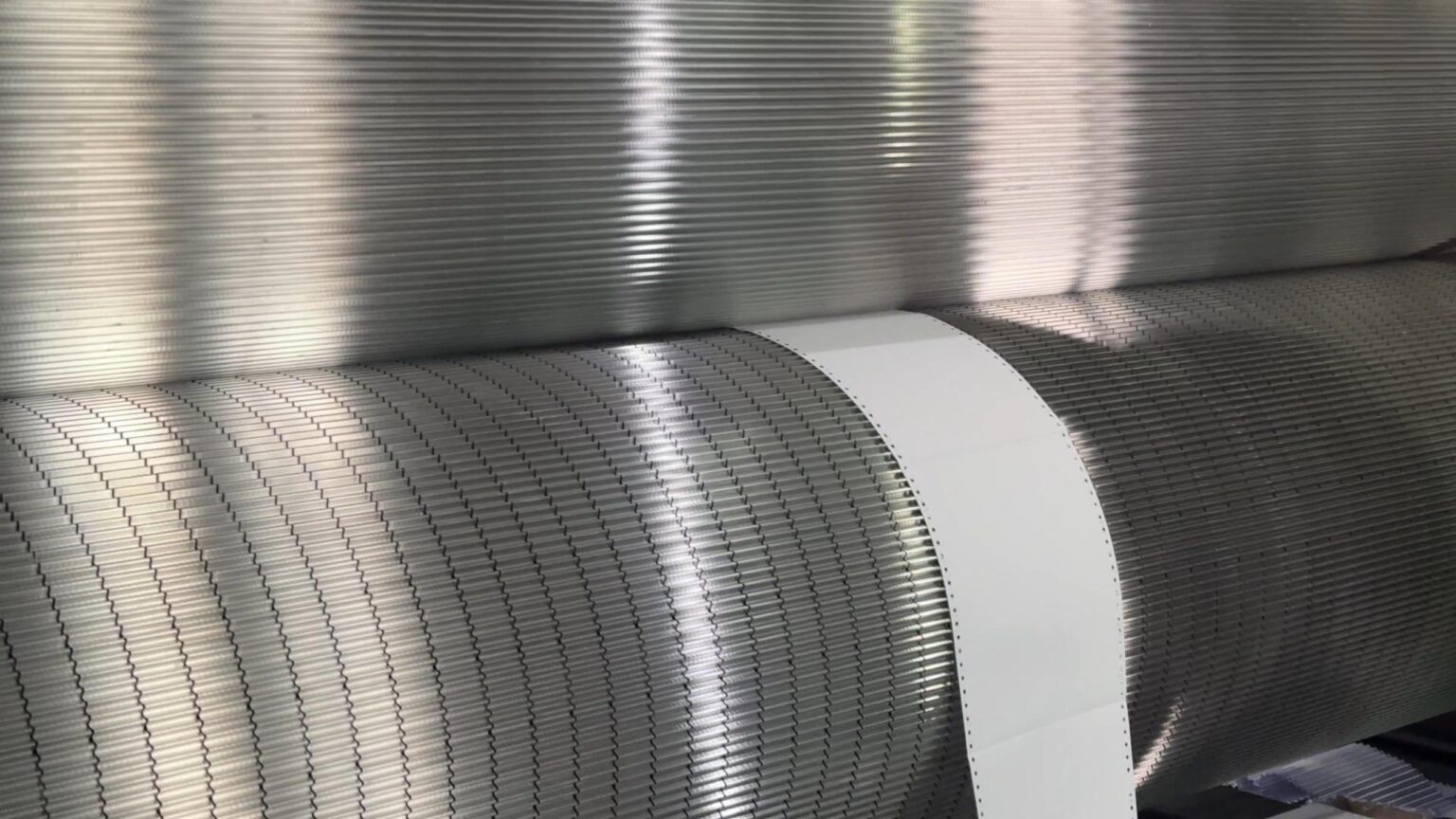
The quality of corrugating rolls directly affects corrugated board quality. Manufacturers typically inspect corrugating rolls periodically, focusing on five key parameters: flute pitch, flute height, roll crown, roll diameter, and roll engagement clearance.
If these parameters are not properly designed, maintained, or adjusted, they can affect board strength, thickness, printability, and production stability. Let’s look at five common corrugating roll issues and their impact on board quality.
1. Excessive Flute Pitch
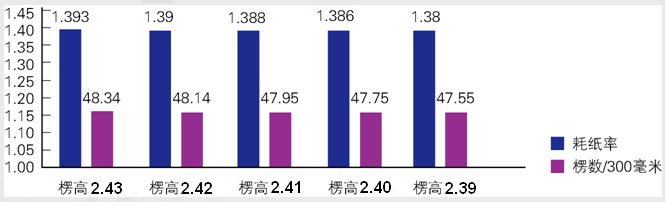
Flute pitch is the distance between the peaks of two adjacent flutes. It can also be expressed as the number of flutes within a specified length.
In general, a larger flute pitch may be less favorable for printing quality. However, it can reduce the take-up ratio of the corrugated medium and help lower paper consumption. The trade-off is that it may affect the edge crush strength of the corrugated board.
2. Excessive Flute Height
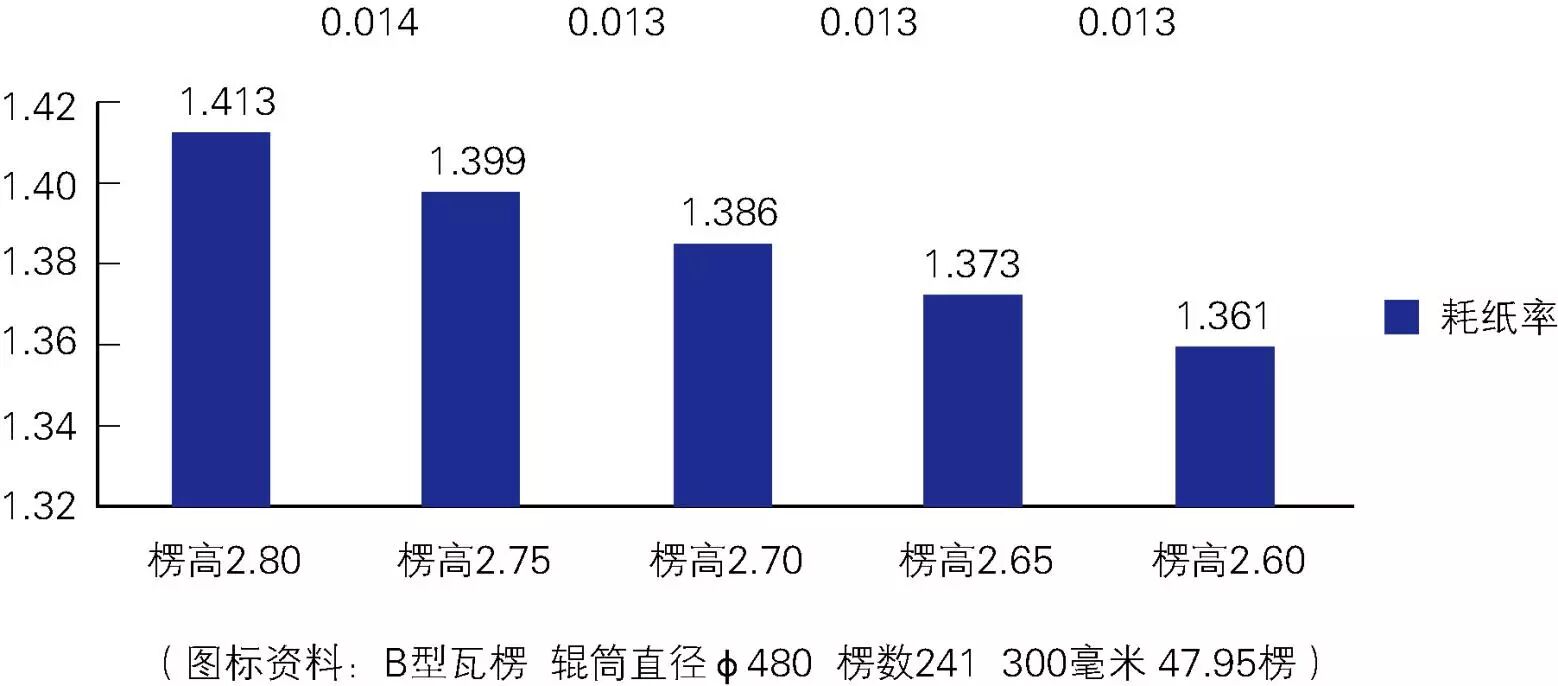
Flute height is the vertical distance from a flute peak to the adjacent valley.
In general, greater flute height can contribute to higher edge crush strength, but it also increases the amount of paper required to form the corrugated medium and results in thicker board. At the same time, flat crush strength may be relatively lower, and the corrugating roll may be more susceptible to wear.
3. Improper Roll Crown
To help distribute pressure evenly across the width of the corrugated medium and liner during operation, the lower corrugating roll is generally designed with a certain amount of crown.
Some pressure rolls also have a crown, while others do not, depending on the equipment design.
Roll crown refers to the difference between the diameter at the center of the roll and the diameter at both ends. A typical crown value may range from 0.18 to 0.50 mm, depending on the roll diameter, working width, material, and other factors.
An inappropriate crown can affect pressure distribution across the roll width, potentially resulting in uneven forming and inconsistent board quality.
4. Excessive Roll Diameter
A larger corrugating roll diameter generally provides greater rigidity and requires less crown. It also allows more space inside the roll for steam, which can help reduce vibration and make the roll easier to operate.
However, a larger diameter increases the contact area with the corrugated medium, which can increase tension in the medium.
5. Incorrect Roll Engagement Clearance
The engagement clearance between the upper and lower corrugating rolls is critical to flute formation.
If the clearance is too small, the corrugated medium may be crushed or broken, affecting the strength of the finished board. If the clearance is too large, vibration between the rolls may increase, affecting operational stability.
Proper clearance helps maintain stable flute formation and consistent board quality.
Conclusion
Flute pitch, flute height, roll crown, roll diameter, and roll engagement clearance all influence corrugating roll performance and the quality of the finished board. Regular inspection and appropriate adjustments help manufacturers identify potential issues and maintain stable production.