Consistent flute formation is essential for producing high-quality corrugated board. In modern corrugated packaging production, corrugating rolls play a critical role in shaping the fluted medium and maintaining stable board quality.
Whether manufacturing e-commerce packaging, consumer product boxes, or industrial corrugated packaging, flute consistency directly affects board strength, appearance, paper consumption, and production efficiency.
Many corrugated board manufacturers experience issues such as uneven flute height, crushed flutes, inconsistent bonding, and unstable board performance. While paper quality and machine settings are important, the precision and condition of corrugating rolls are key factors in achieving consistent flute formation.
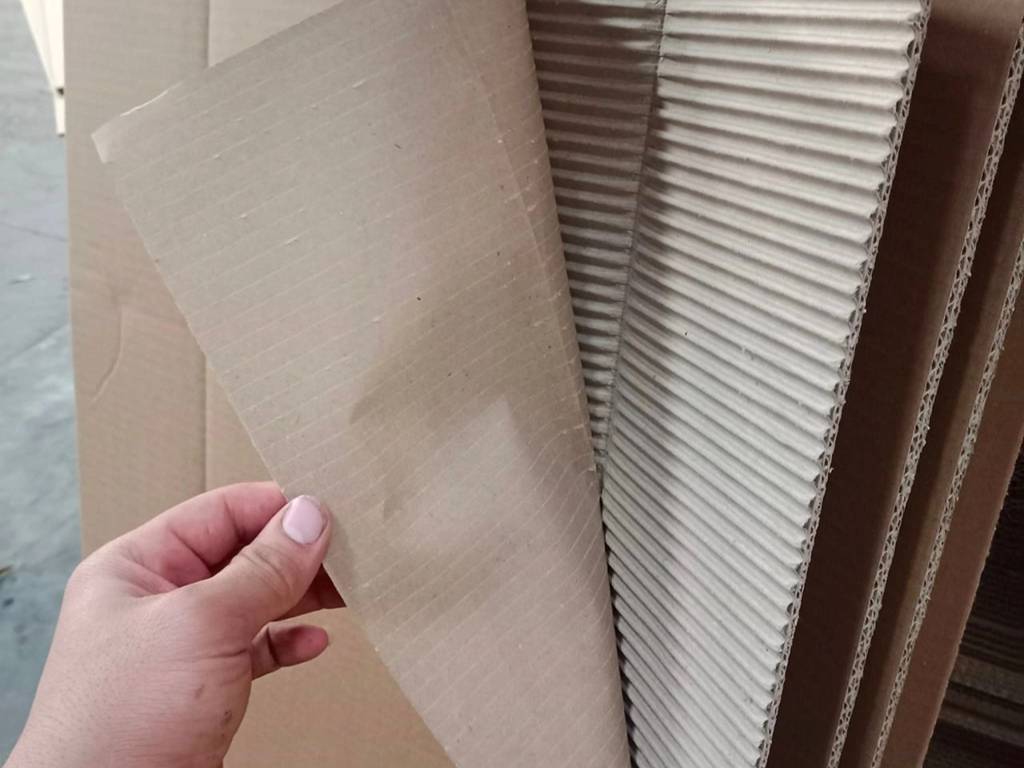
Why Consistent Flute Formation Is Important
Uniform flute formation helps maintain consistent corrugated board quality and supports efficient production.
Poor flute consistency may result in:
- Uneven board structure and thickness
- Reduced compression and cushioning performance
- Inconsistent bonding between the flute tips and liner
- Increased paper waste and production defects
- Lower corrugator production efficiency
For packaging applications requiring reliable strength and a smooth surface, even small variations in flute geometry can affect the final product.
What Causes Uneven Flute Formation?
Several factors can contribute to inconsistent flute formation.
One common issue is variation in the corrugating roll flute profile. Differences in flute height, pitch, or geometry may result in uneven paper forming across the working width.
Excessive roll runout or improper alignment can also affect the meshing condition between the upper and lower corrugator rolls. This may lead to uneven pressure, unstable flute formation, or localized flute damage.
In addition, worn flute profiles, unsuitable roll surface conditions, and unstable operating temperatures can reduce forming consistency.
How Corrugating Rolls Control Flute Formation
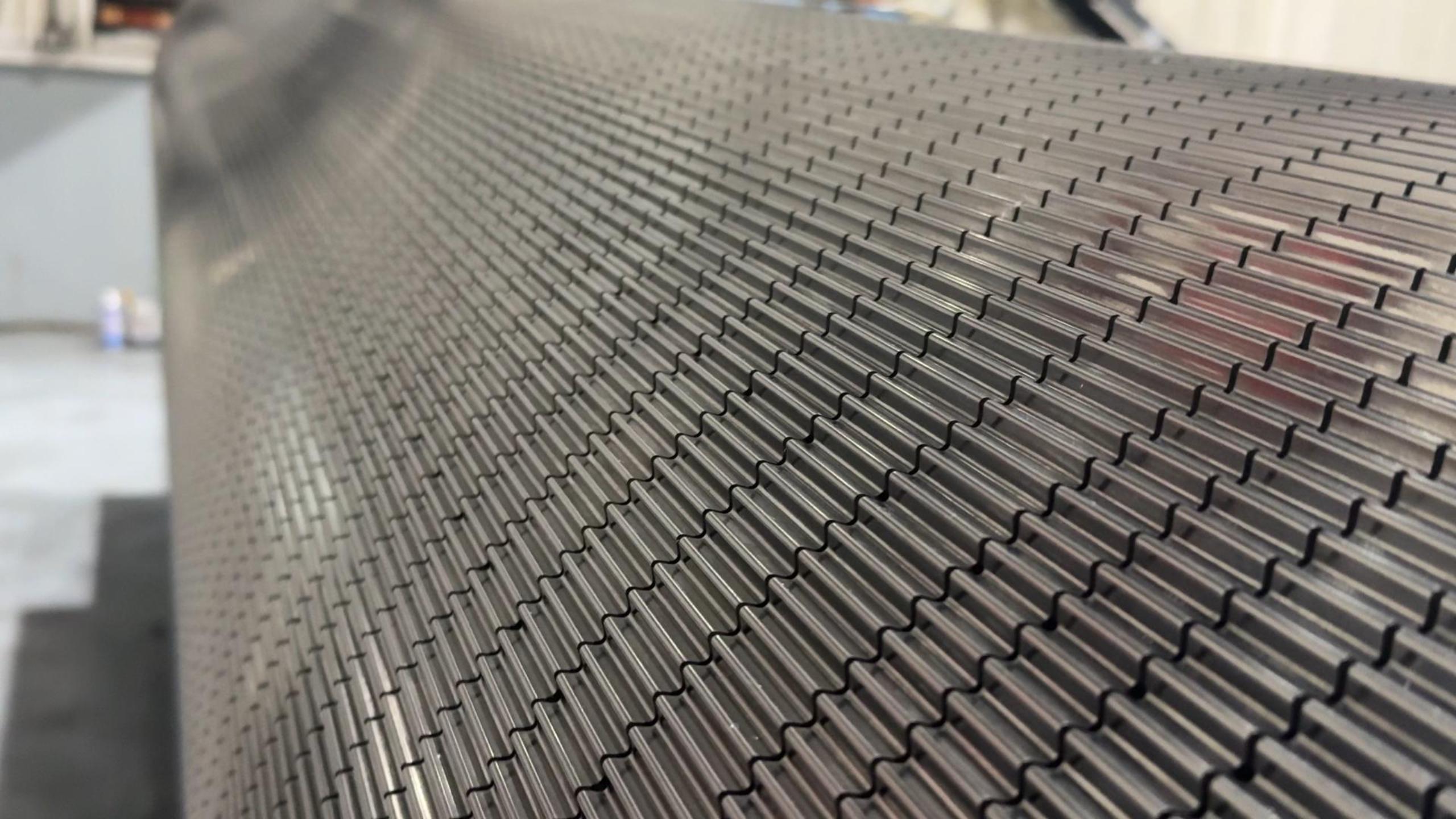
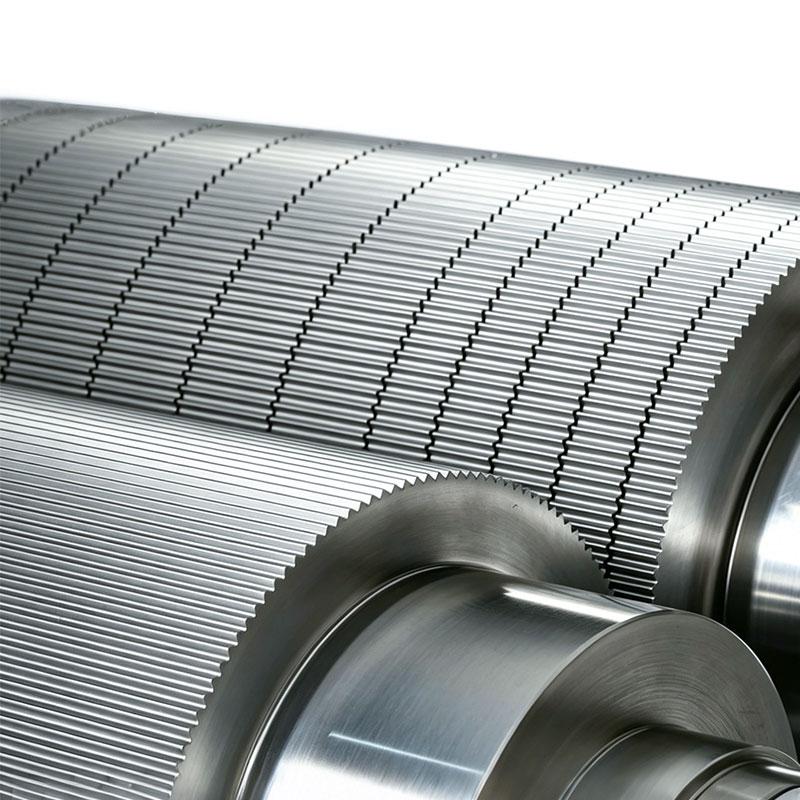
Corrugating rolls are the key components responsible for forming the fluted structure of corrugated board.
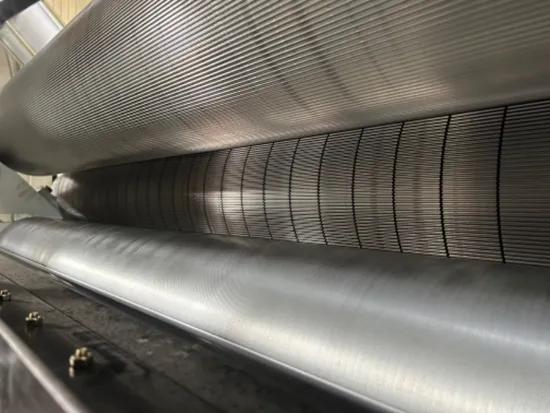
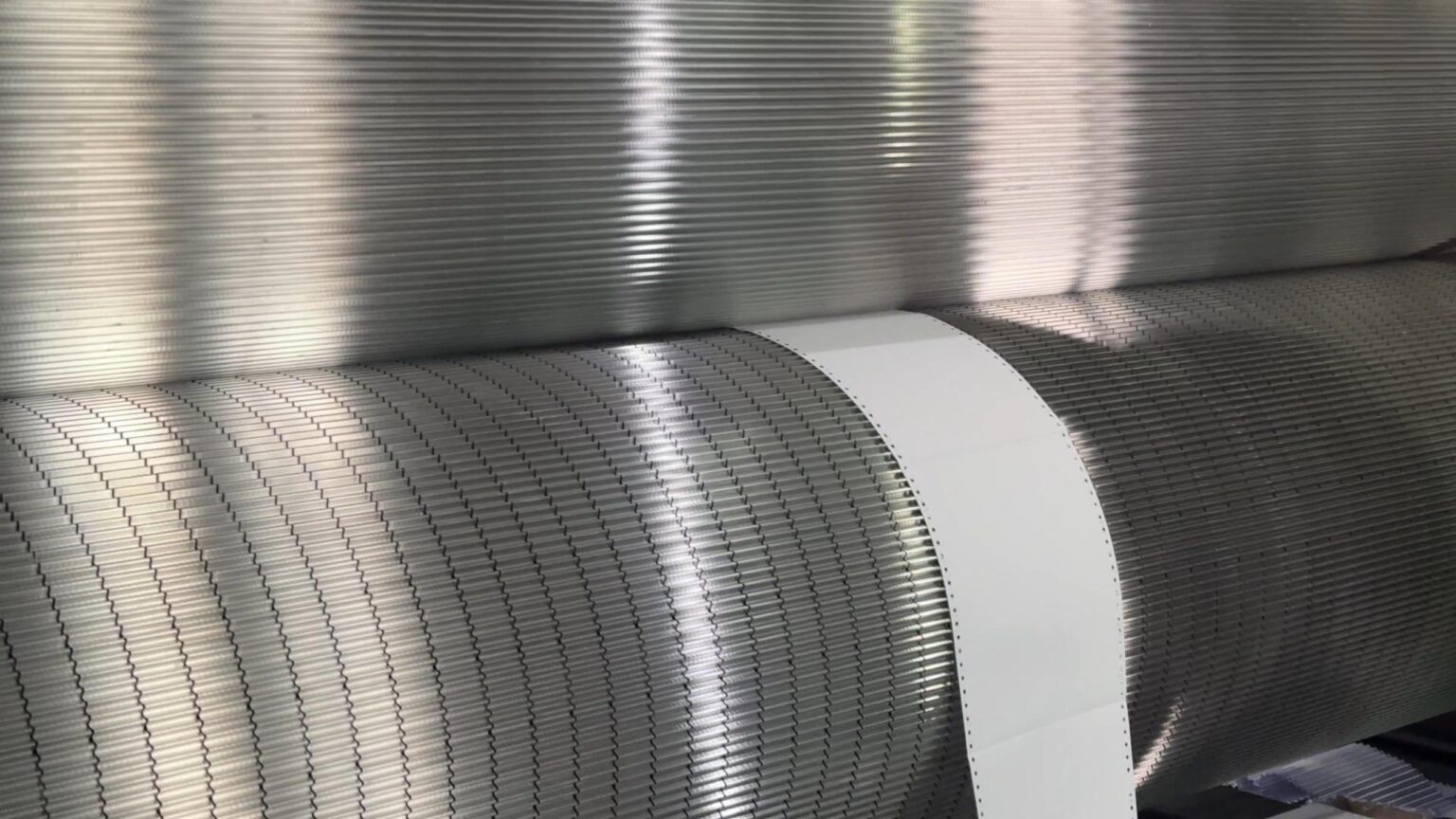
As corrugating medium passes between the upper and lower rolls, their matched flute profiles shape the paper into a consistent wave pattern. The accuracy of the flute geometry, roll alignment, and operating condition all influence the final result.
High-precision corrugator rolls help maintain consistent flute profiles, stable meshing, and uniform forming conditions across the working width.
Benefits of High-Precision Corrugating Rolls
Precision-manufactured corrugating rolls offer several advantages:
- Consistent flute geometry across the roll surface
- Accurate profile matching for stable flute formation
- Reliable running accuracy and alignment
- Improved wear resistance for longer service life
- More consistent corrugated board quality
These benefits help corrugated board manufacturers maintain stable production and reduce quality variations.
Common Corrugated Board Defects That Can Be Reduced
With suitable corrugating roll design and proper operating conditions, manufacturers can help reduce:
- Uneven flute height
- Crushed or deformed flutes
- Inconsistent board thickness
- Uneven bonding caused by unstable forming
- Quality variations across the working width
The results also depend on paper properties, pressure settings, temperature, and adhesive application.
Applications of Corrugating Rolls
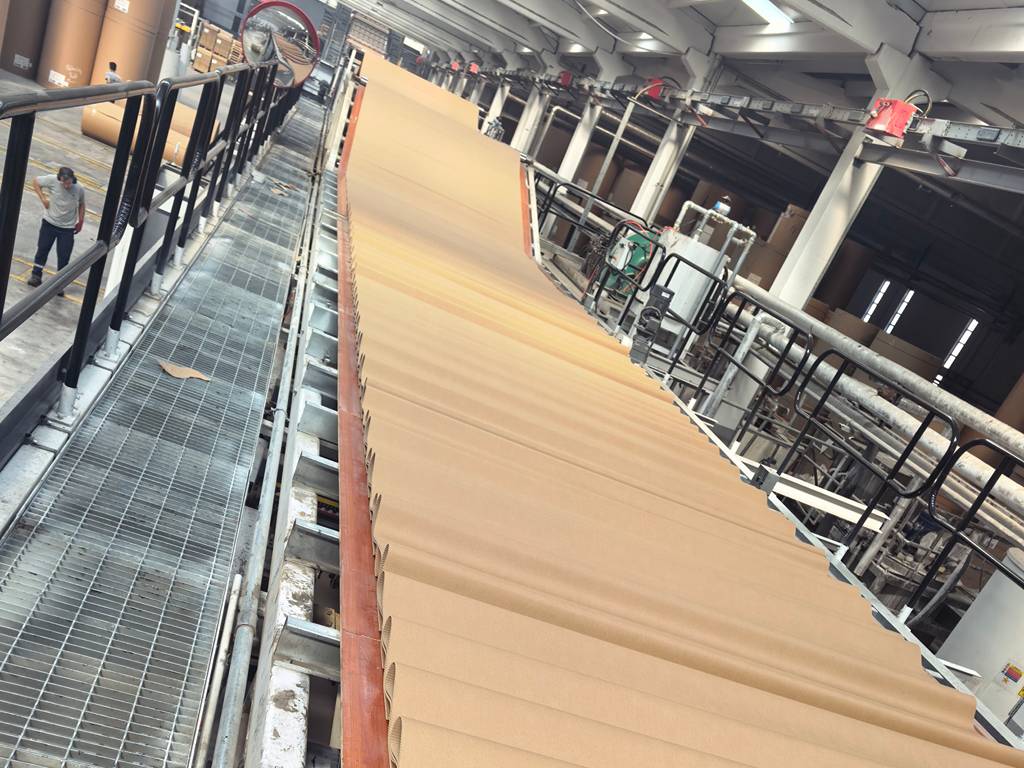
Corrugating rolls are used in the production of a wide range of corrugated board grades, including:
- Conventional A, B, and C flutes
- Fine and micro-flute board such as E, F, and G flutes
- Lightweight packaging board
- Heavy-duty corrugated packaging
- Specialty flute profiles for specific board requirements
Different applications require different flute profiles and roll specifications. Selecting the right corrugating roll flute profile helps balance board strength, cushioning performance, and paper consumption.
Why Choose RMM Corrugating Rolls
RMM is a corrugating roll manufacturer specializing in corrugating rolls for corrugated board production lines.
- Customized flute profile design
- Precision machining and profile inspection
- Tungsten carbide surface treatment options
- Roll specifications tailored to production requirements
- Corrugating roll regrinding and technical support
RMM supports corrugated board manufacturers in selecting suitable roll profiles and maintaining reliable production performance.
Conclusion
Achieving consistent flute formation requires more than adjusting machine settings or selecting suitable paper. The precision and condition of corrugating rolls are essential factors in shaping the flute structure and maintaining corrugated board quality.
High-precision corrugator rolls help improve forming consistency, reduce common board defects, and support stable production. For manufacturers seeking reliable corrugated board quality, selecting the right roll profile and maintaining roll performance are important long-term considerations.