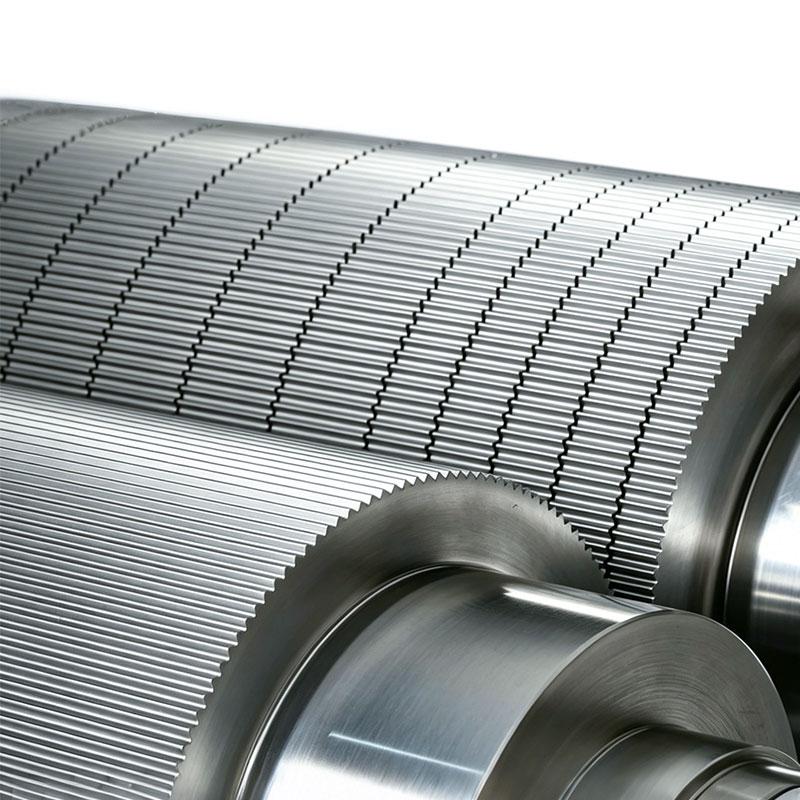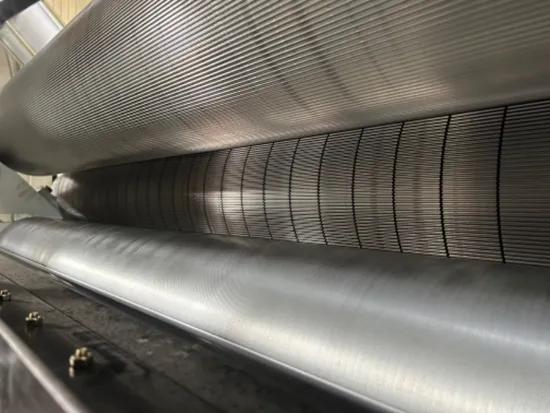
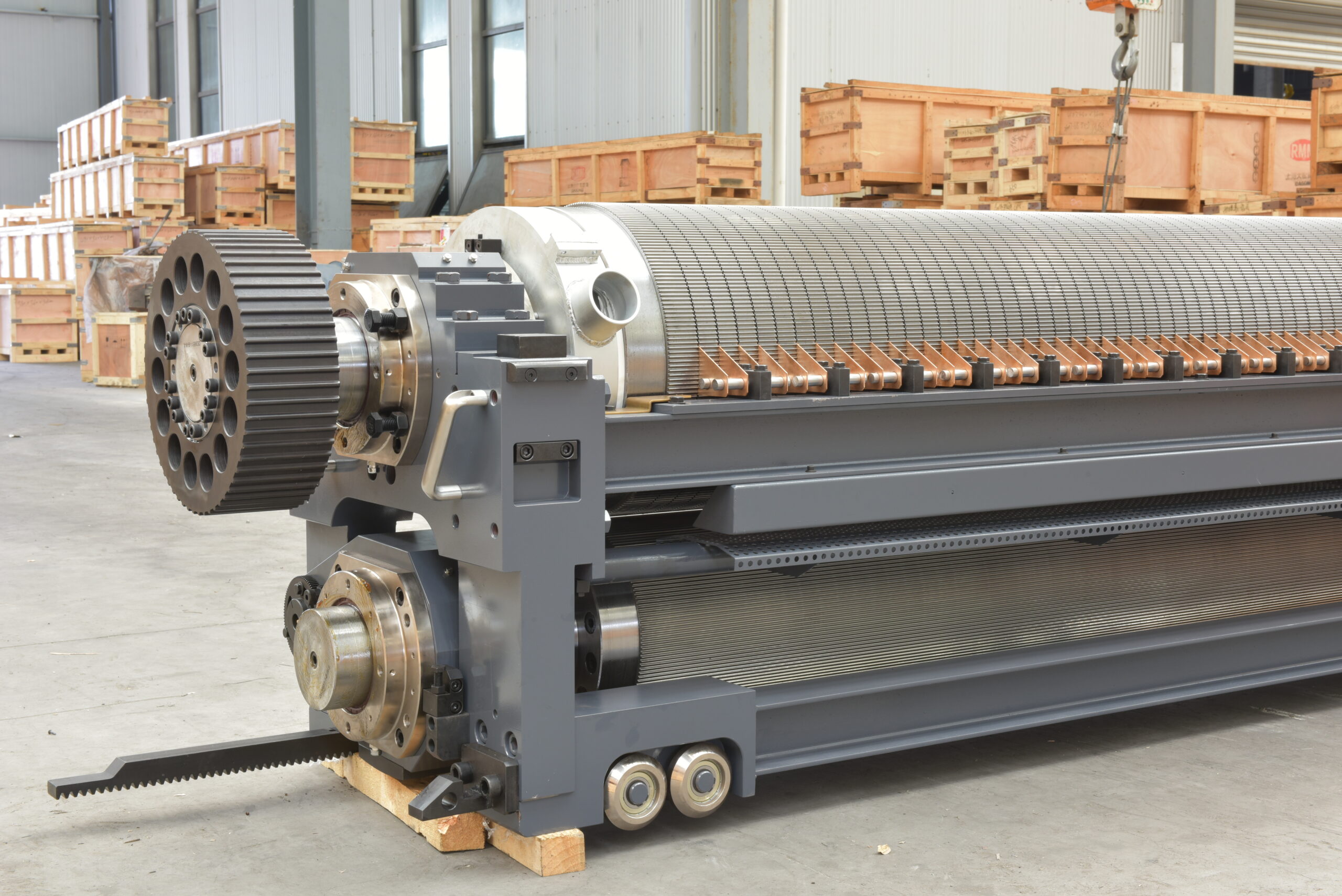
Corrugating roll parallelism is essential for consistent flute formation and stable corrugated board quality. When the upper and lower corrugating rolls are not properly aligned, uneven pressure distribution can lead to crushed flutes, inconsistent board thickness, poor bonding, and other production defects.
Over time, high temperatures, operating pressure, friction, and normal wear may affect roll alignment. Regular inspection and adjustment are therefore important parts of corrugating roll maintenance.
1. Why Is Corrugating Roll Parallelism Important?
Improper corrugating roll alignment can affect both flute formation and the final board quality.
Common problems include:
- Uneven board thickness: Different pressure levels across the machine width can result in inconsistent flute formation.
- Crushed or flattened flutes: Excessive local pressure may damage flute tips and reduce flute height.
- Poor bonding: Deformed flutes and uneven glue application can contribute to bonding problems and delamination.
- Edge defects: Uneven flute formation may cause different shrinkage and quality variations between the drive side and operator side.
Maintaining proper roll parallelism helps achieve more consistent flute profiles and stable production conditions.
2. How to Check Corrugating Roll Parallelism
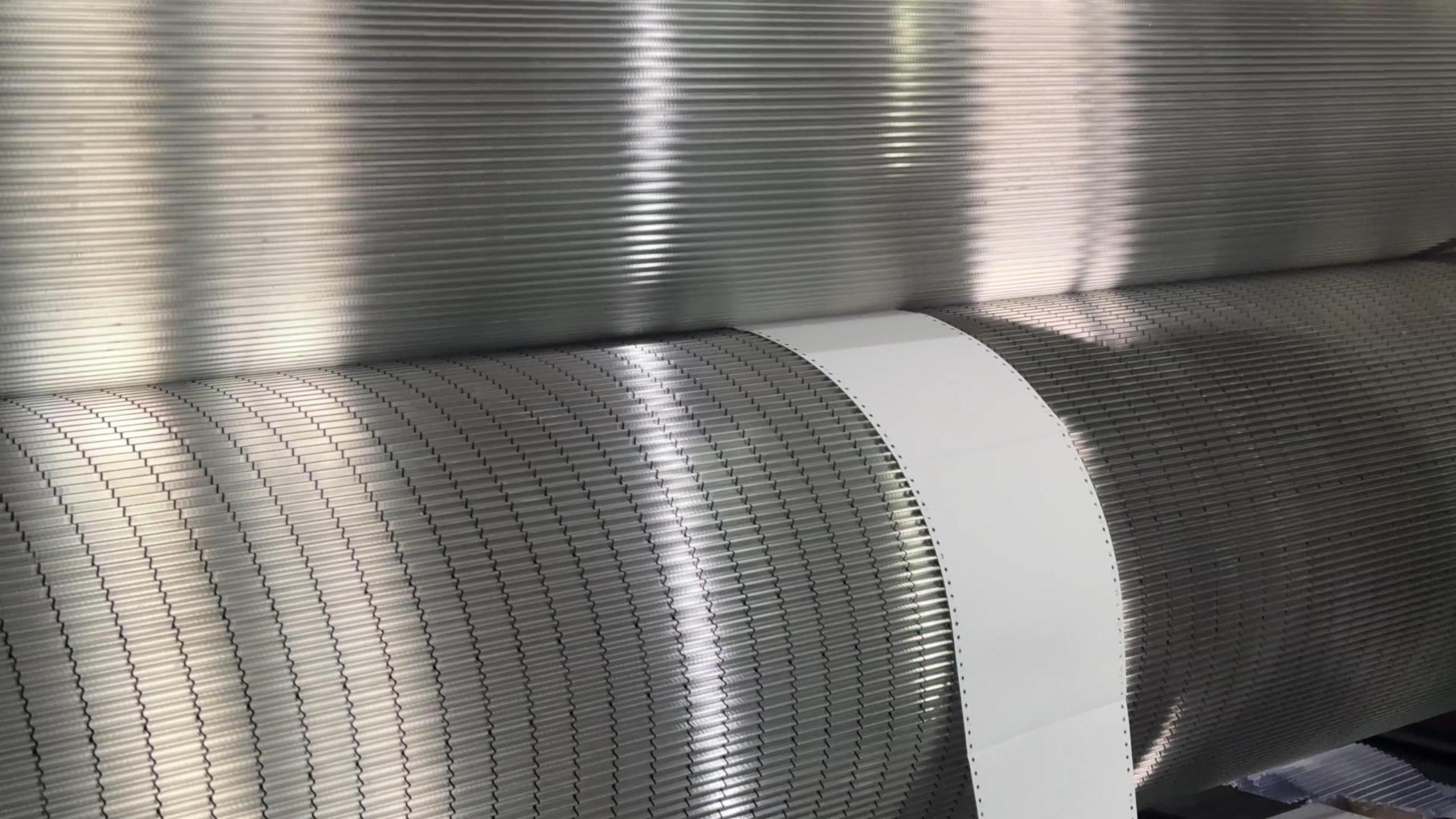
One commonly used inspection method is the impression paper test.
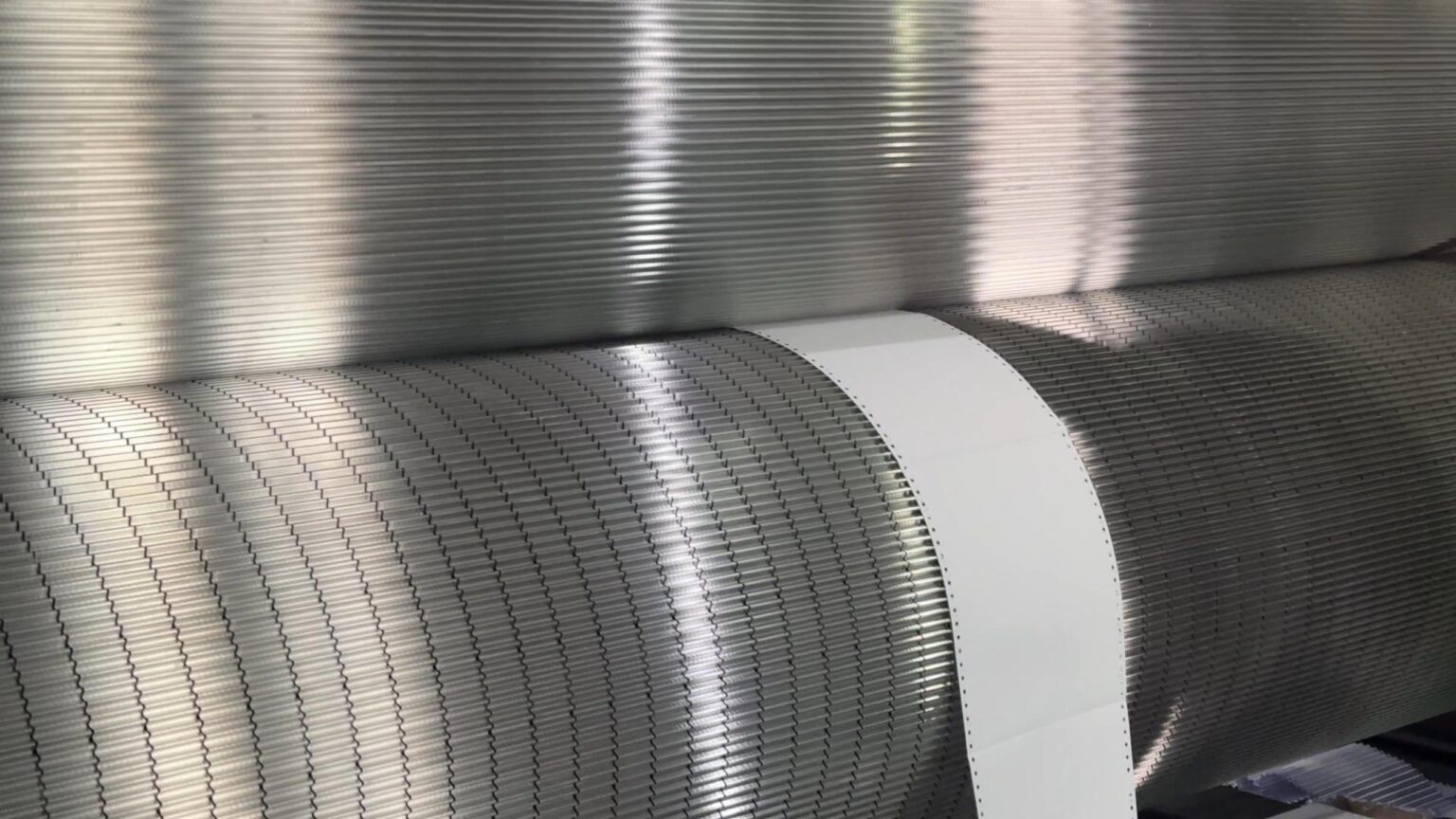
Impression paper helps evaluate contact patterns and pressure distribution between the corrugating rolls.
Recommended inspection procedure:
- Ensure the machine is operating under its normal production conditions. Inspection should follow the machine manufacturer's approved procedure.
- Prepare impression paper samples at five positions across the working width: near both ends, the center, and two intermediate positions.
- Have qualified maintenance personnel conduct the test using the designated machine procedure.
- Compare the resulting impressions across all five positions.
What should you look for?
Ideally, the impressions should be uniform and consistent across the working width. Noticeable differences may indicate uneven contact pressure or roll alignment issues that require further inspection.

3. How to Adjust and Correct Corrugating Roll Alignment
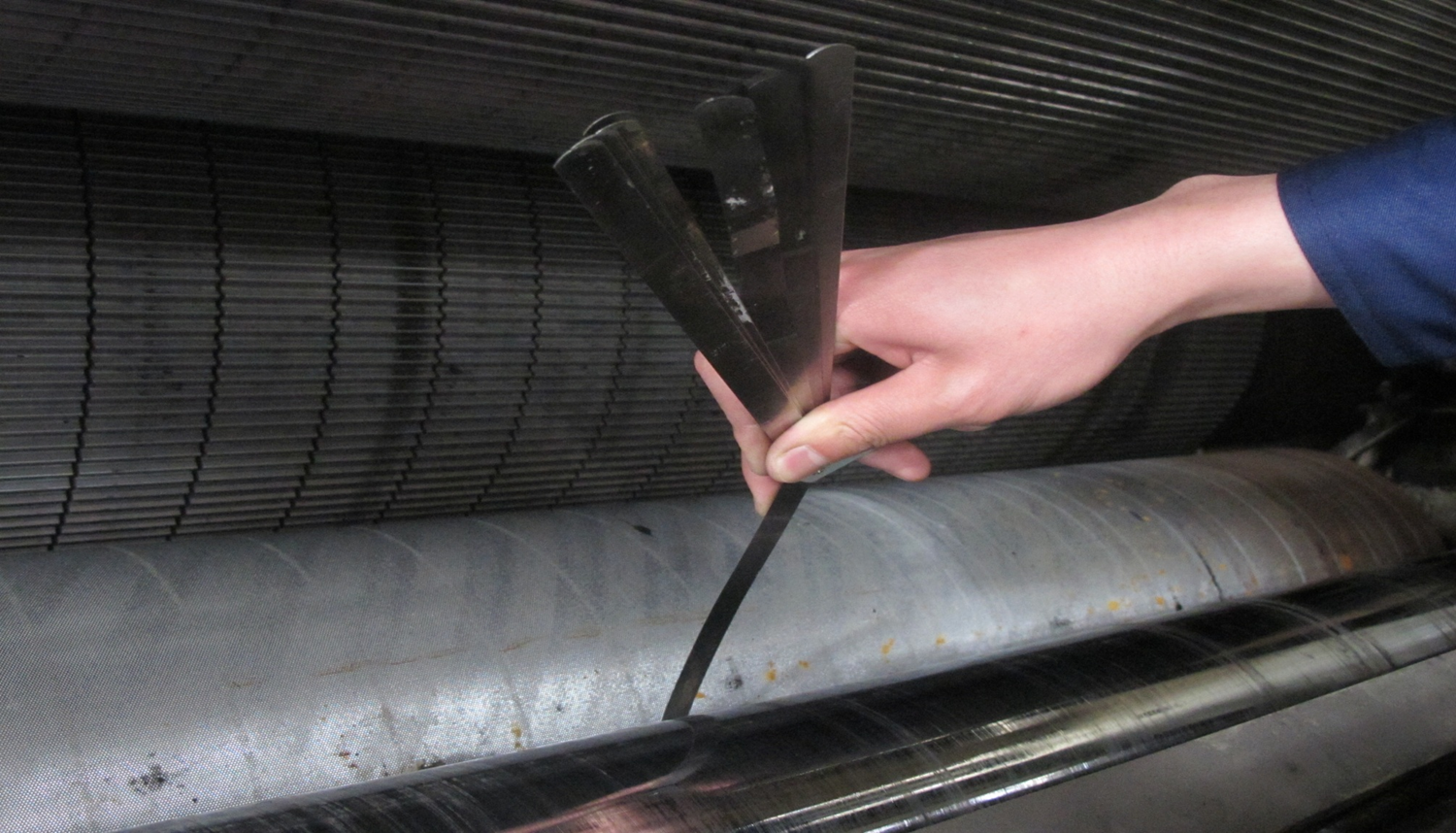
If uneven impressions are detected, the machine's alignment system and relevant adjustment components should be inspected.
Depending on the corrugator design, adjustment may involve eccentric shafts, bearing housings, or other alignment mechanisms.
Adjustments should be carried out incrementally by qualified technicians in accordance with the equipment manufacturer's specifications. After each correction, the impression test should be repeated to verify that contact pressure is evenly distributed.
Always follow the manufacturer's safety procedures before any inspection or maintenance involving the rolls.
 |
4. How Often Should Corrugating Roll Parallelism Be Checked?
Corrugating roll alignment should be included in a regular preventive maintenance program.
A biweekly inspection is a useful starting point, with additional checks after roll installation, major maintenance, or when abnormal board defects appear.
Consistent monitoring helps reduce uneven roll wear, maintain flute quality, and extend corrugating roll service life.
Conclusion
Proper corrugating roll parallelism is more than an installation requirement. It is an ongoing maintenance priority that directly affects production stability and corrugated board quality.
At RMM (Shanghai Dasong Corrugating Roll Co., Ltd.), we provide corrugating roll solutions, technical support, installation, and maintenance services to help corrugated board manufacturers maintain reliable production performance.