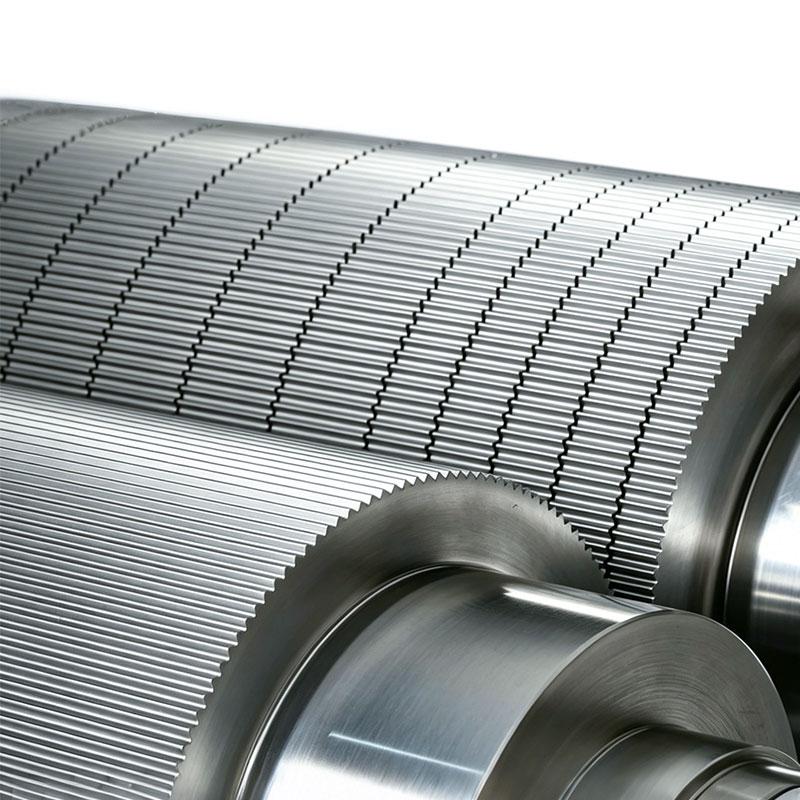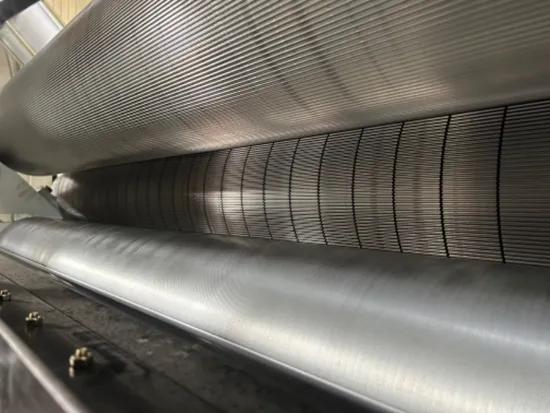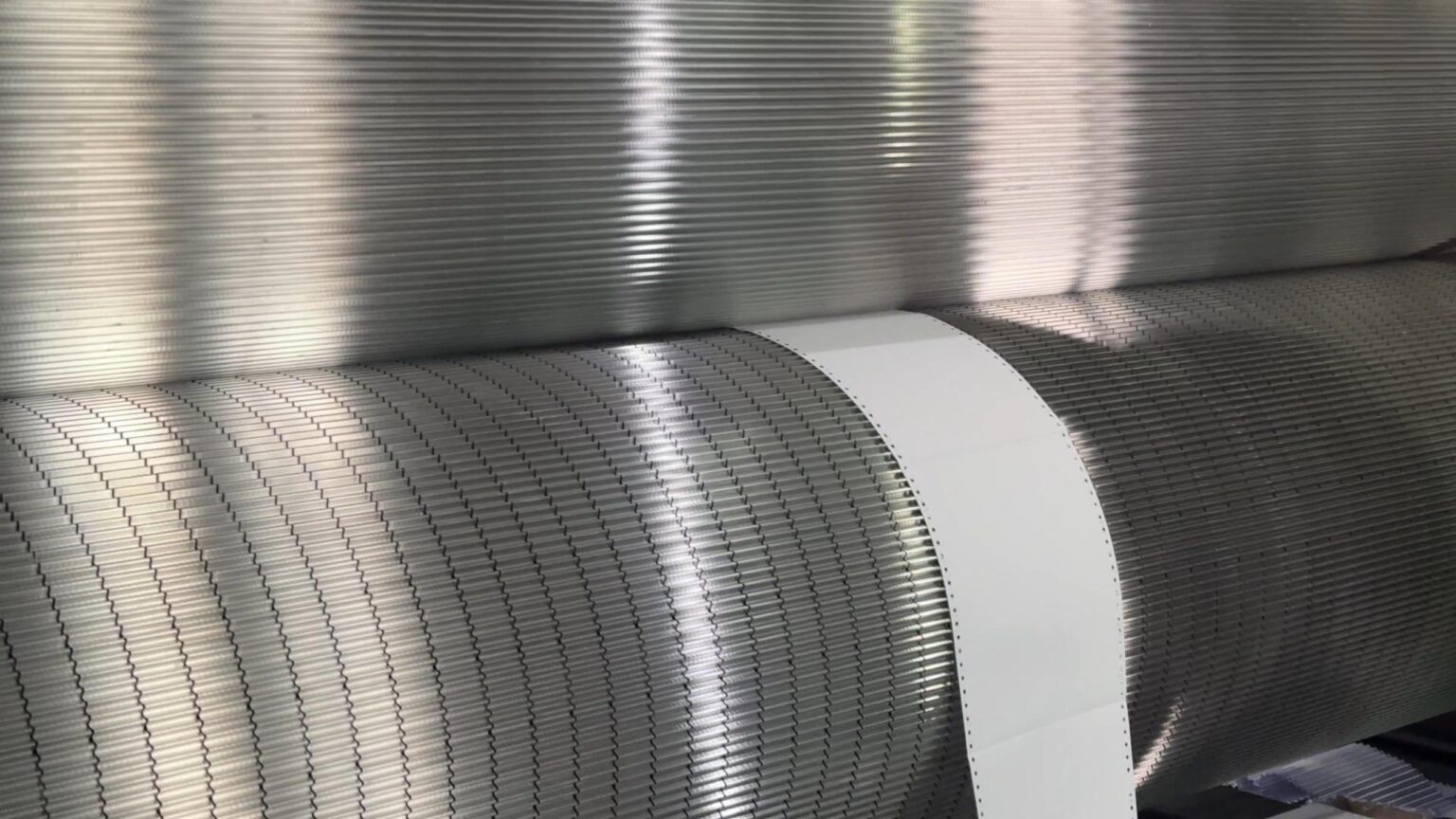
When corrugated board defects or premature corrugating roll wear occur, the problem is not always the roll material or machining precision. Incorrect gap settings between machine components can also be a major contributing factor.
On a single facer, proper clearance between the corrugating rolls, pressure roll, glue roll, bearings, and machine frame is essential for stable operation. Incorrect settings may cause uneven flute formation, poor bonding, excessive wear, and unnecessary maintenance costs.
Here are three critical clearance areas that deserve regular attention.
1. Bearing and Machine Frame Clearance
The clearance between the corrugating roll bearings and the machine frame should be properly controlled.
Manufacturing tolerances, bearing wear, and dimensional changes after roll regrinding may affect the axial clearance.
- Excessive clearance: May allow unwanted axial movement of the corrugating roll, affecting operating stability.
- Insufficient clearance: May restrict proper movement and contribute to abnormal friction or bearing problems.
Maintenance focus: Inspect bearing positioning, axial movement, and frame contact. Any correction should follow the machine manufacturer's specifications.
2. Pressure Roll-to-Corrugating Roll Clearance
This is one of the most important settings affecting flute formation and corrugating roll wear.
- Clearance too small: Excessive loading may increase contact stress, accelerate flute-tip wear, and contribute to crushed flutes or surface defects.
- Clearance too large: Insufficient pressure may result in poor flute formation and unstable bonding between the medium and liner.
Reference values: The original technical reference suggests a minimum clearance of 0.06 mm and a typical setting of 0.15–0.20 mm.
These figures are not universal standards. Actual settings must be confirmed against the single facer manufacturer's specifications and the operating conditions.
Maintenance recommendations:
- Recheck the clearance after replacing either roll.
- Include pressure roll clearance in regular monthly inspections.
- Monitor pressure roll wear and condition as part of preventive maintenance.
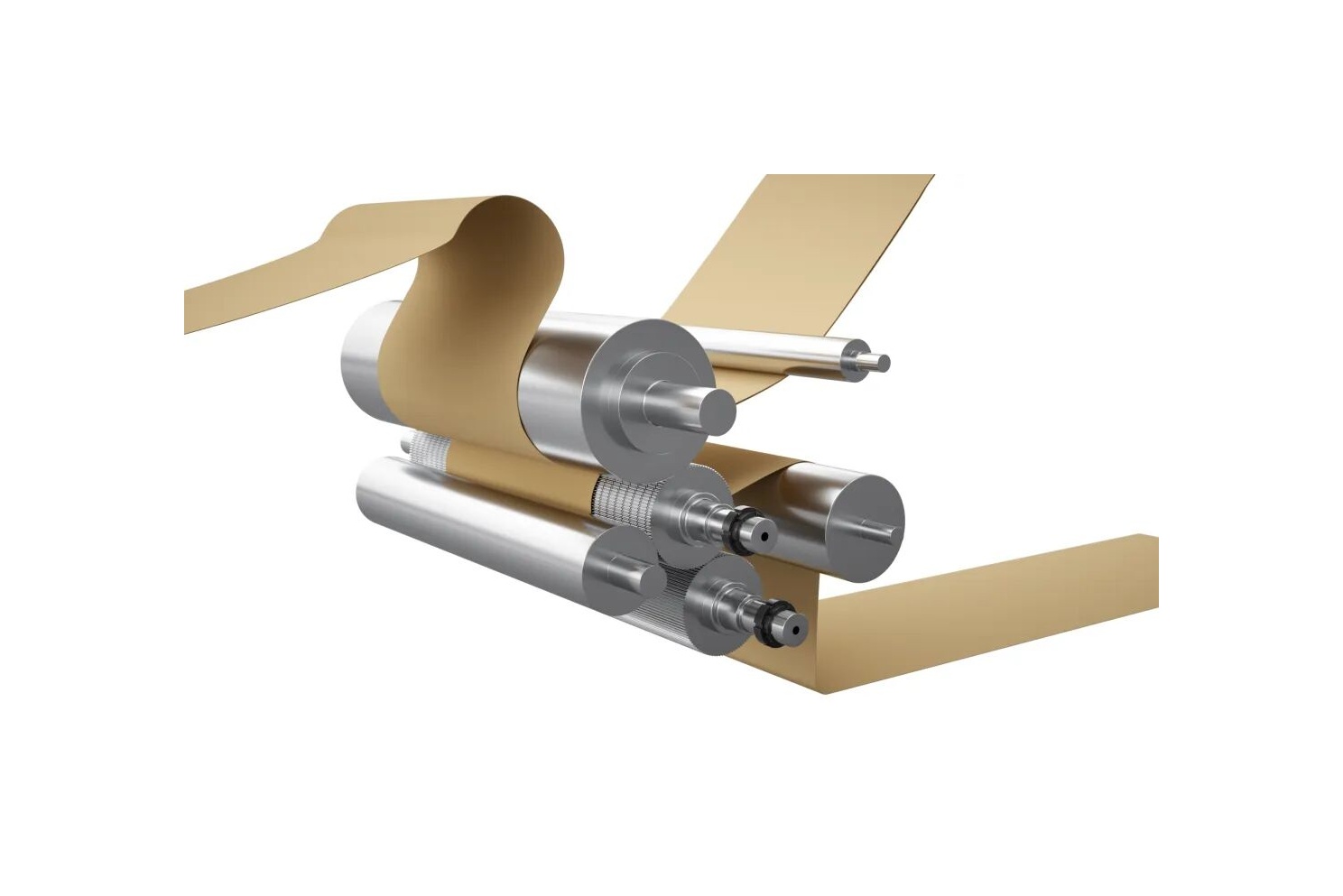
3. Glue Roll-to-Corrugating Roll Clearance
The gap between the glue roll and lower corrugating roll directly affects adhesive transfer to the flute tips.
Different roll diameters after replacement can change the original clearance, making readjustment necessary.
- Clearance too small: May cause mechanical contact, abnormal wear, and unstable operation.
- Clearance too large: May result in insufficient or uneven adhesive transfer, contributing to poor bonding and delamination.
The original reference recommends 0.10–0.15 mm as a reference range for relevant glue-unit clearances. The glue roll-to-metering roll gap should also be checked separately.
Maintenance focus: Recheck the settings after roll replacement and verify adhesive application under normal production conditions.
4. Why Regular Gap Inspection Matters
The three clearance areas work together to influence single facer performance. An imbalance in one area can affect flute formation, adhesive transfer, and overall operating stability.
Regular inspection helps:
- Reduce abnormal corrugating roll wear.
- Maintain consistent flute formation.
- Improve bonding quality.
- Reduce unexpected maintenance and replacement costs.
Conclusion
Accurate gap settings are an important part of single facer maintenance. Regular inspections, correct alignment, and timely adjustments help protect corrugating rolls and maintain stable corrugated board production.