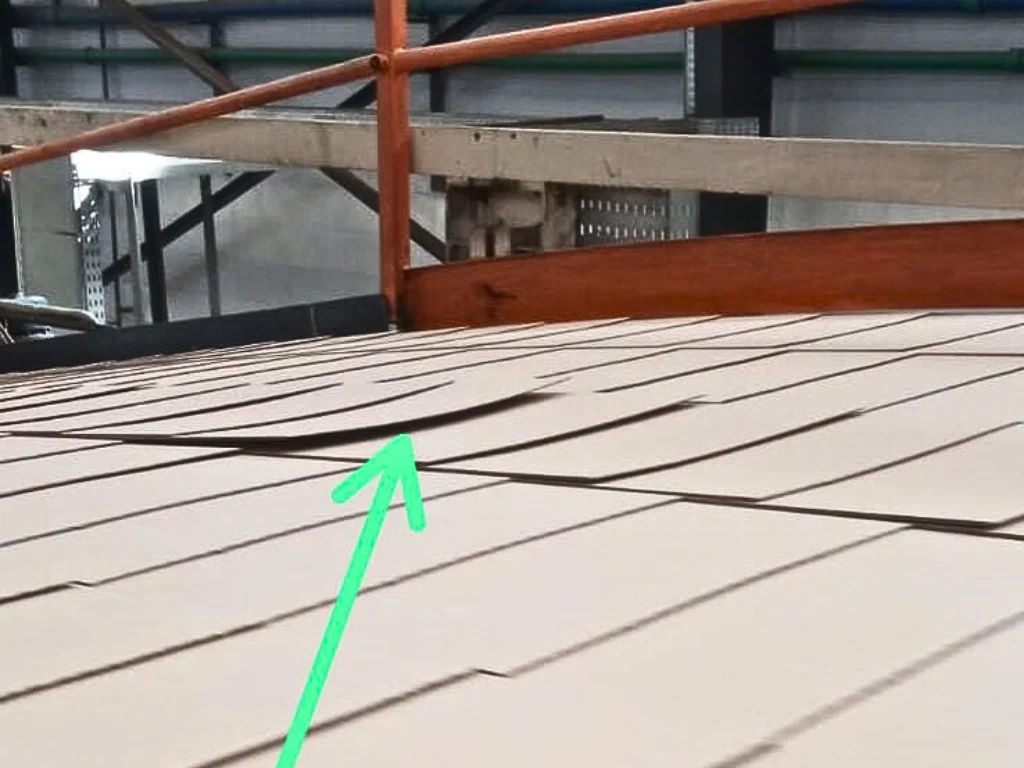
In corrugated board production, adhesion-related defects account for nearly 70% of total waste, making bonding quality a critical factor in cost control and production efficiency.
The bonding strength of corrugated board is influenced by four main factors:paper quality, adhesive performance, corrugating equipment, and production control including operator skill. These factors interact with each other and jointly determine bonding stability.
This article focuses on two key aspects: adhesive performance and corrugating machine adjustment.
Adhesive quality is a major contributor to bonding performance. Low-grade starch contains more impurities, leading to unstable adhesive properties, poor flowability, and uneven glue application. These issues can result in weak bonding, delamination, or moisture sensitivity. Using high-quality starch and maintaining stable viscosity and temperature are essential for reliable adhesion.
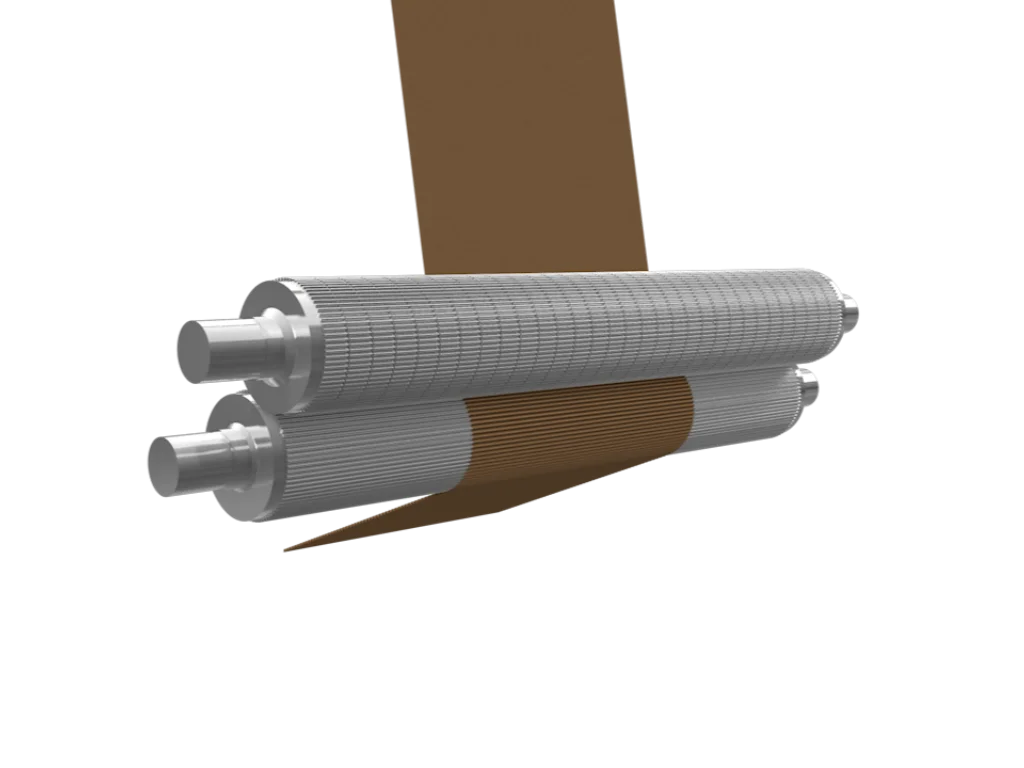
Corrugating equipment settings, especially corrugating rolls and glue application components, also play a decisive role. Proper roller gaps, accurate alignment, suitable glue line width, and controlled pressure help ensure uniform bonding without damaging the flute structure or increasing adhesive consumption.
Effective control of adhesive consistency and corrugating roll precision is essential for reducing bonding defects, improving corrugated board quality, and supporting stable, efficient production.