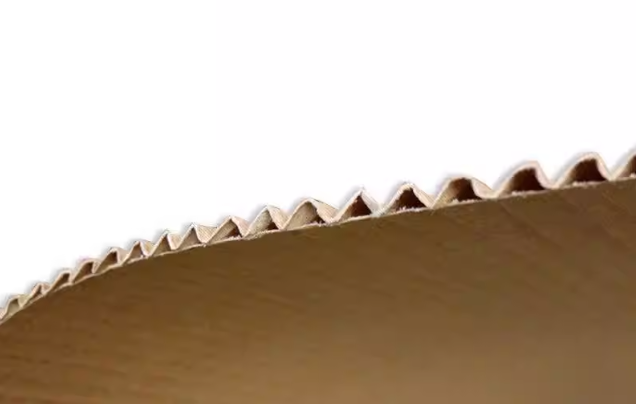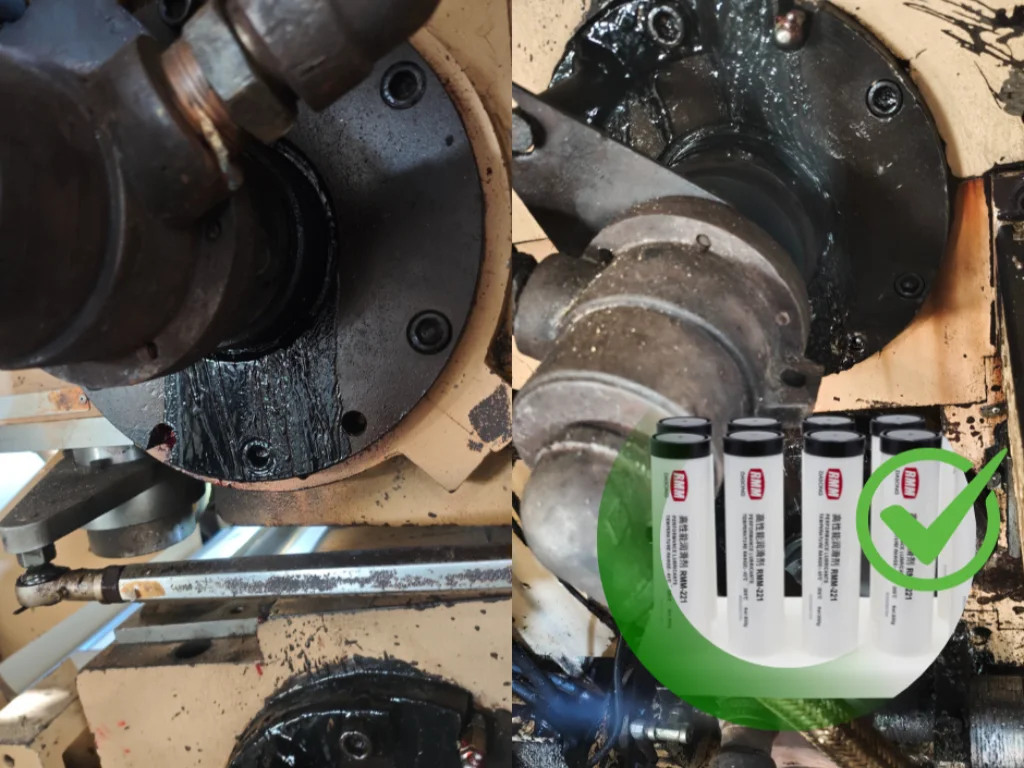
Paper breakage is a common issue in corrugated cardboard manufacturing, often leading to downtime, waste, and reduced board strength. So how do you solve paper breakage in corrugated board production, and what techniques can help improve stability and quality?
The summary below explains the main causes and practical solutions.
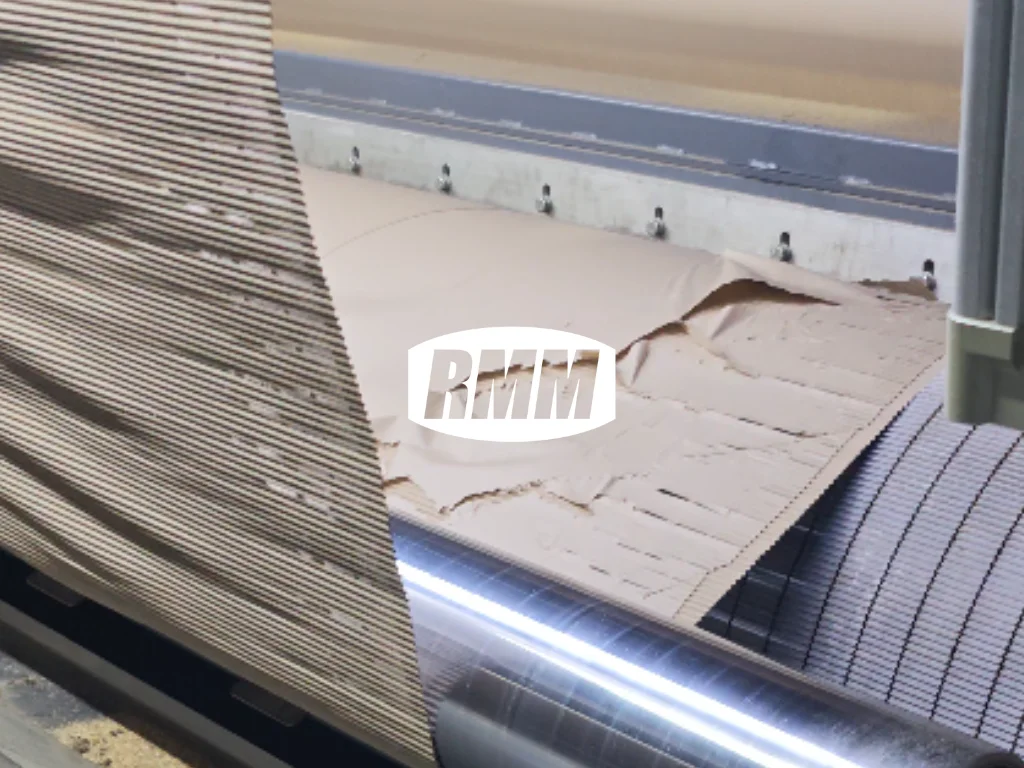
I. Single-Faced Board Breakage
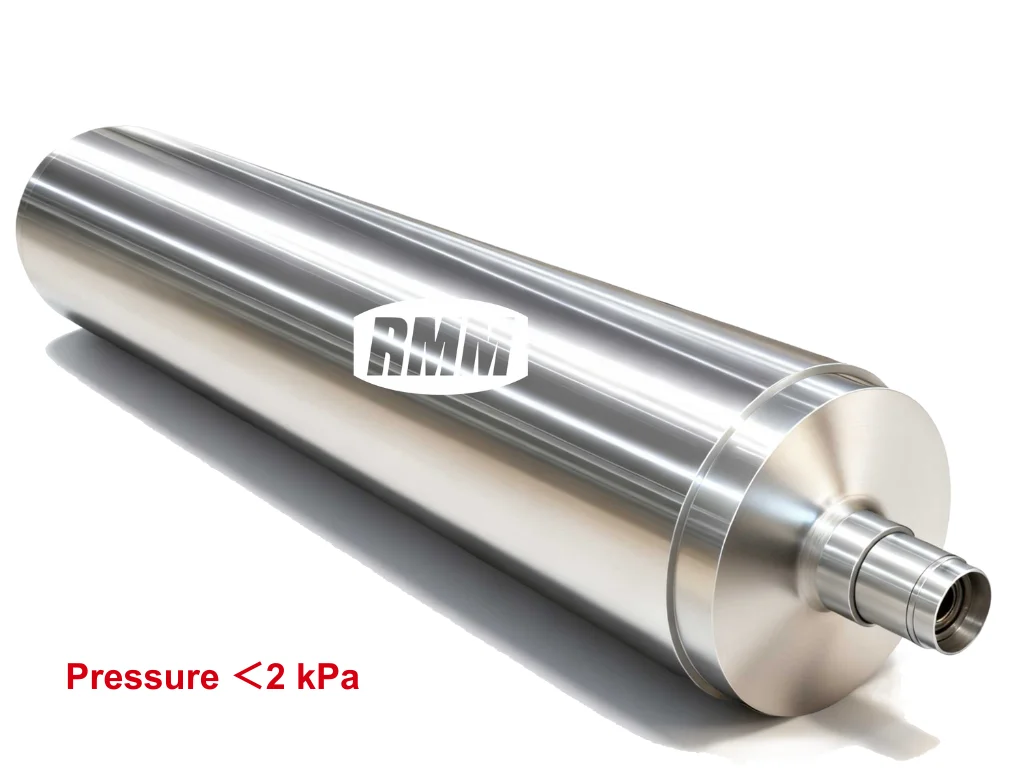
1. Excessive Pressure from Pressure Rollers
Cause: Pressure exceeds the tolerance limit of the paper, damaging the flute.
Solution: Keep pressure below 2 kPa and adjust according to bonding needs. Lower pressure helps extend roller life.
2. Poor Quality Corrugating Medium Paper
Cause: Short fibers and low toughness that cannot withstand corrugation pressure.
Solution: Use higher-quality medium with proper fiber length and strength.
3. Incorrect Corrugating Roll Gap
Cause: Improper spacing between upper and lower rolls, causing over-compression.
Solution: Re-adjust the roll gap to meet process standards.
4. Excessive Preheating Area or Temperature
Cause: Over-drying leads to paper brittleness; high roll temperature affects paper flexibility.
Solution: Reduce preheating area and keep roll temperature below 180°C.
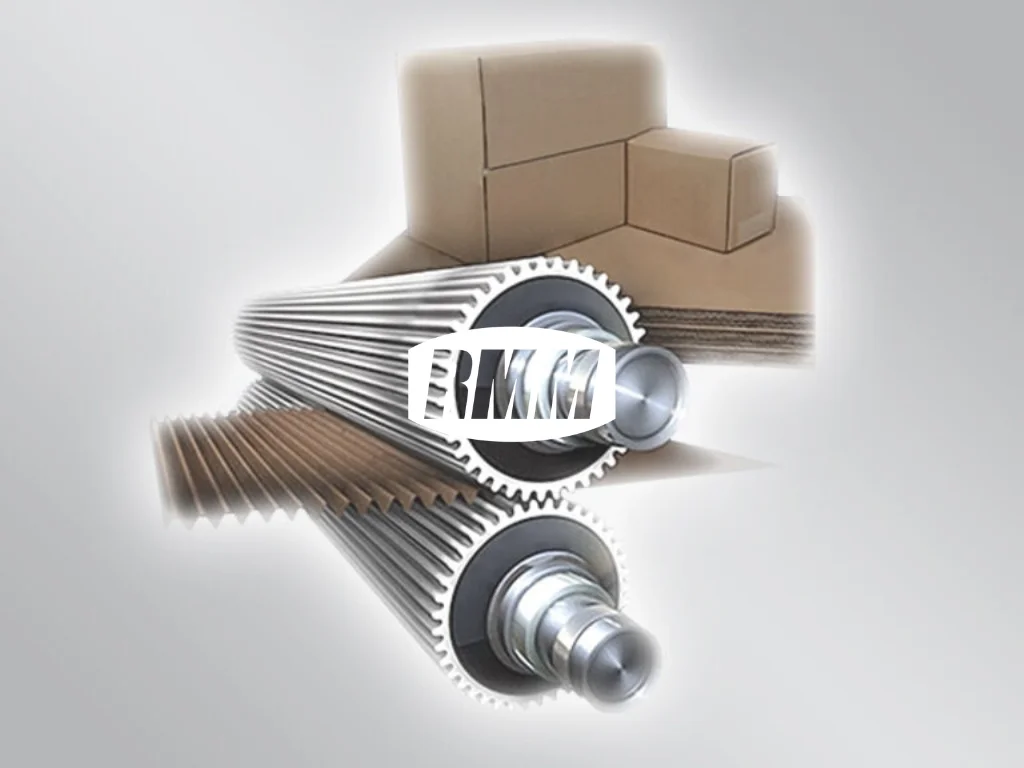
5. Corrugating Roll Wear
Cause: Worn flute profile increases pressure at both ends, causing breakage.
Solution: Regrind or replace worn corrugating rolls to restore precision.
II. Breakage After the Double Facer Section
1. Burrs on Guide Rollers or Preheaters
Cause: Mechanical scratches damage the paper surface.
Solution: Inspect and smooth burrs on all guide rollers and preheaters.
2. Conveyor belt buckle problems
Cause: Uneven buckle or sharp edges puncture the paper.
Solution: Replace and rejoin belt buckle to ensure a smooth surface.
III. Other Common Causes
1. Improper Flute Design
Cause: Mismatch between flute profile and paper thickness, reducing strength.
Solution: Optimize flute design and adjust R-value differences.
2. Incorrect Tension Control
Cause: Excessive tension during splicing or small-roll production leads to breakage.
Solution: Adjust splicer settings or reduce backstand pressure to balance tension.
3. Roller Surface Smoothness Issues
Cause: Rough new roller surfaces scratch paper at high speeds.
Solution: Polish new rollers to improve smoothness before production.
By optimizing key parameters such as pressure, temperature, roll alignment, and tension control, manufacturers can greatly reduce paper breakage throughout the corrugating process. Proper maintenance and material selection help stabilize production, protect flute integrity, and improve overall board quality.