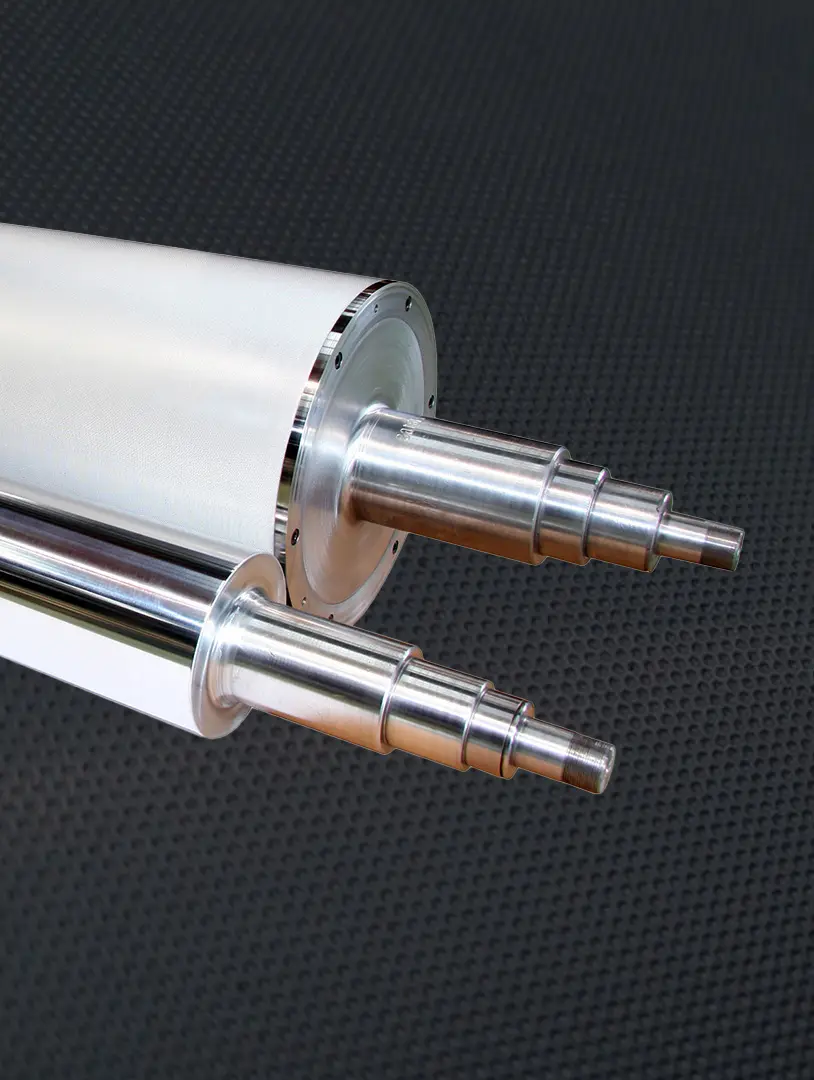
Replacing a corrugating roll is only the first step toward maintaining stable corrugated board production. Proper installation, adjustment, and routine maintenance are essential to maximize roll performance, extend service life, and ensure consistent board quality.
This guide explains the key maintenance practices after replacing a corrugating roll, covering three important stages: installation and commissioning, initial operation, and routine maintenance.
1. Installation and Commissioning
Proper installation lays the foundation for reliable operation.
Clean and Inspect the Roll
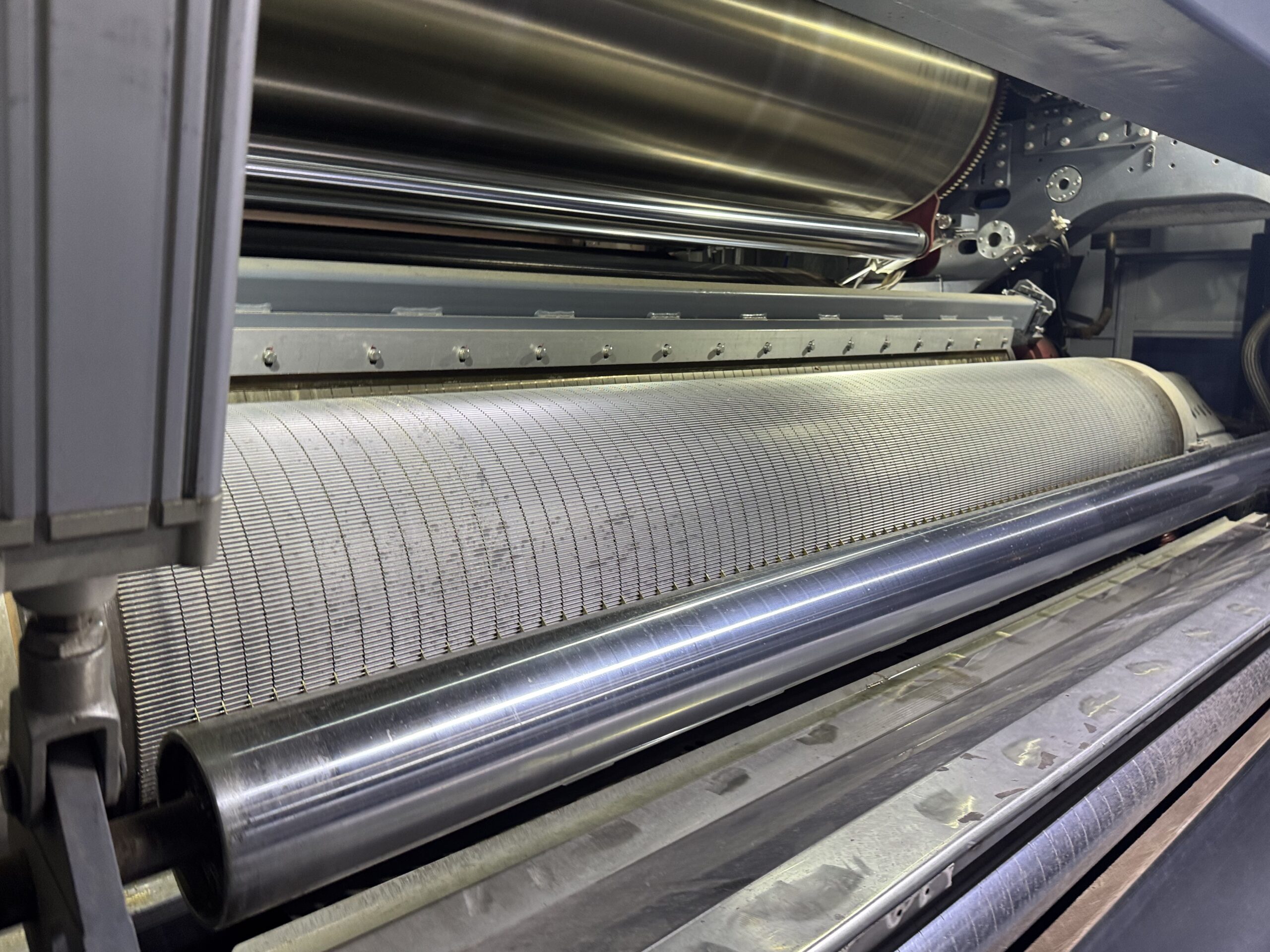
Before installation, thoroughly clean the corrugating roll surface and inspect it for any damage, such as chipped flute tips, scratches, or abnormal wear. At the same time, check the bearings and gears to ensure they are in good condition and free from contamination.
Check Parallelism and Roller Gap
Accurate alignment is essential for high-quality corrugated board production.
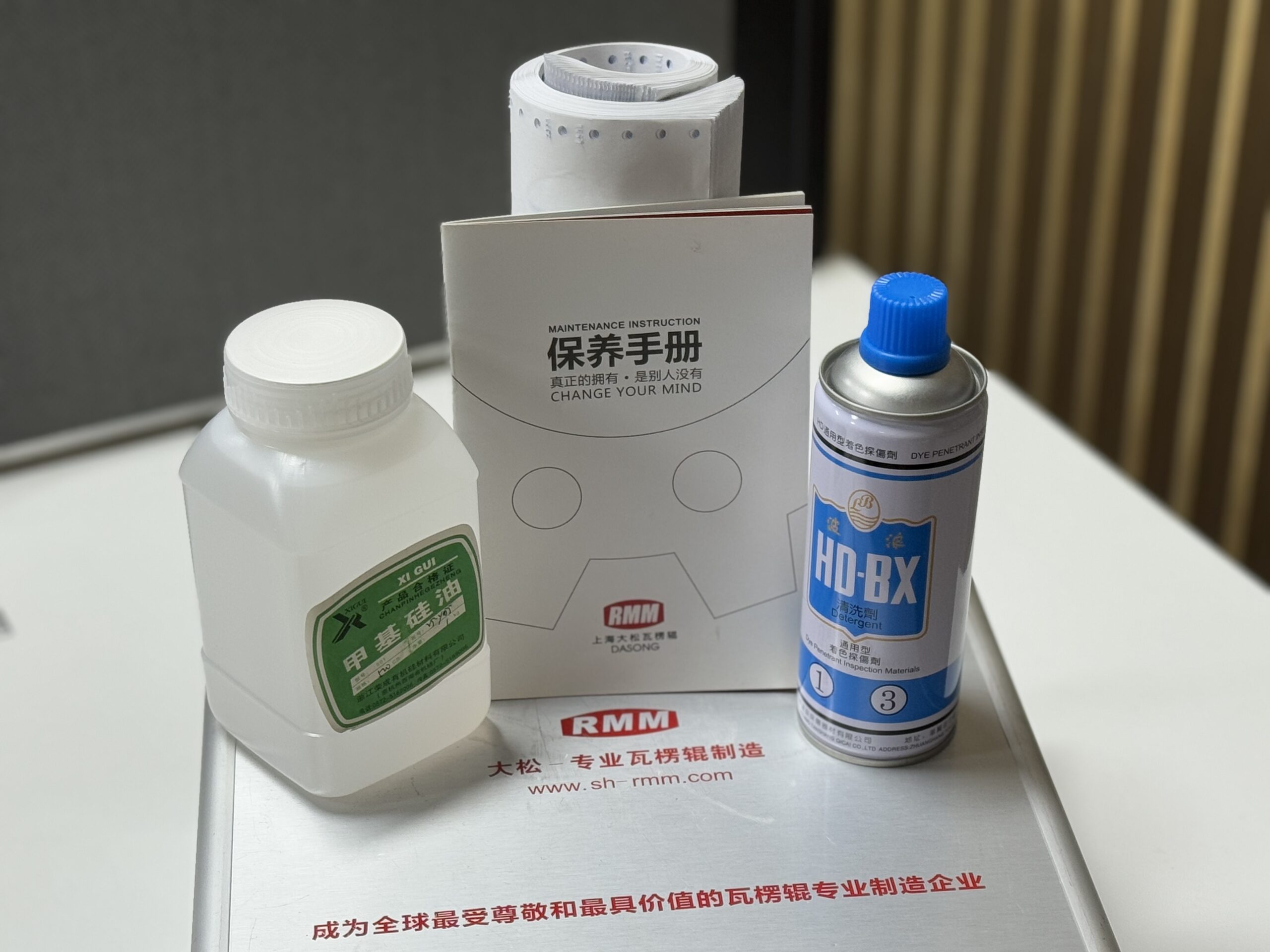
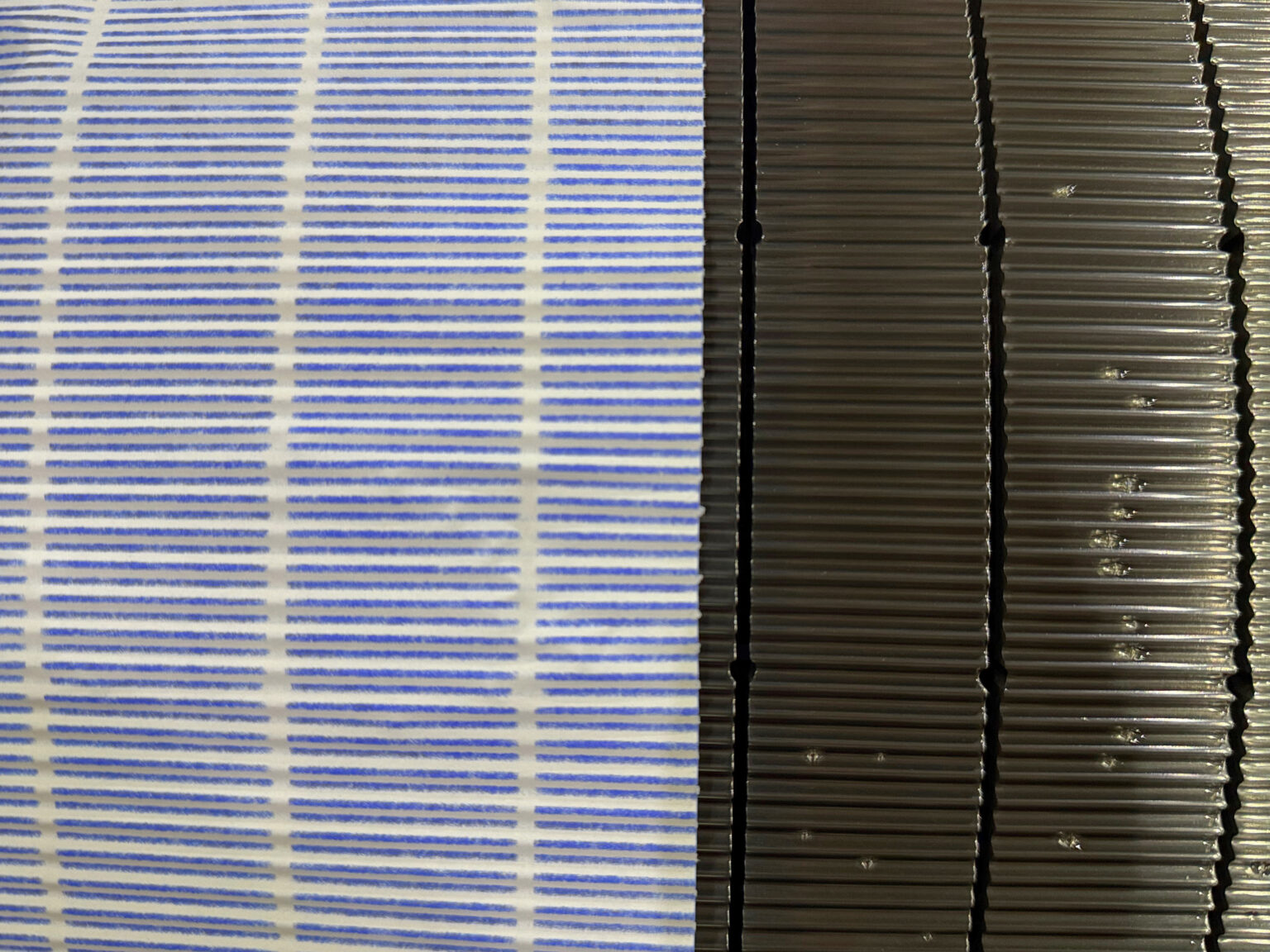
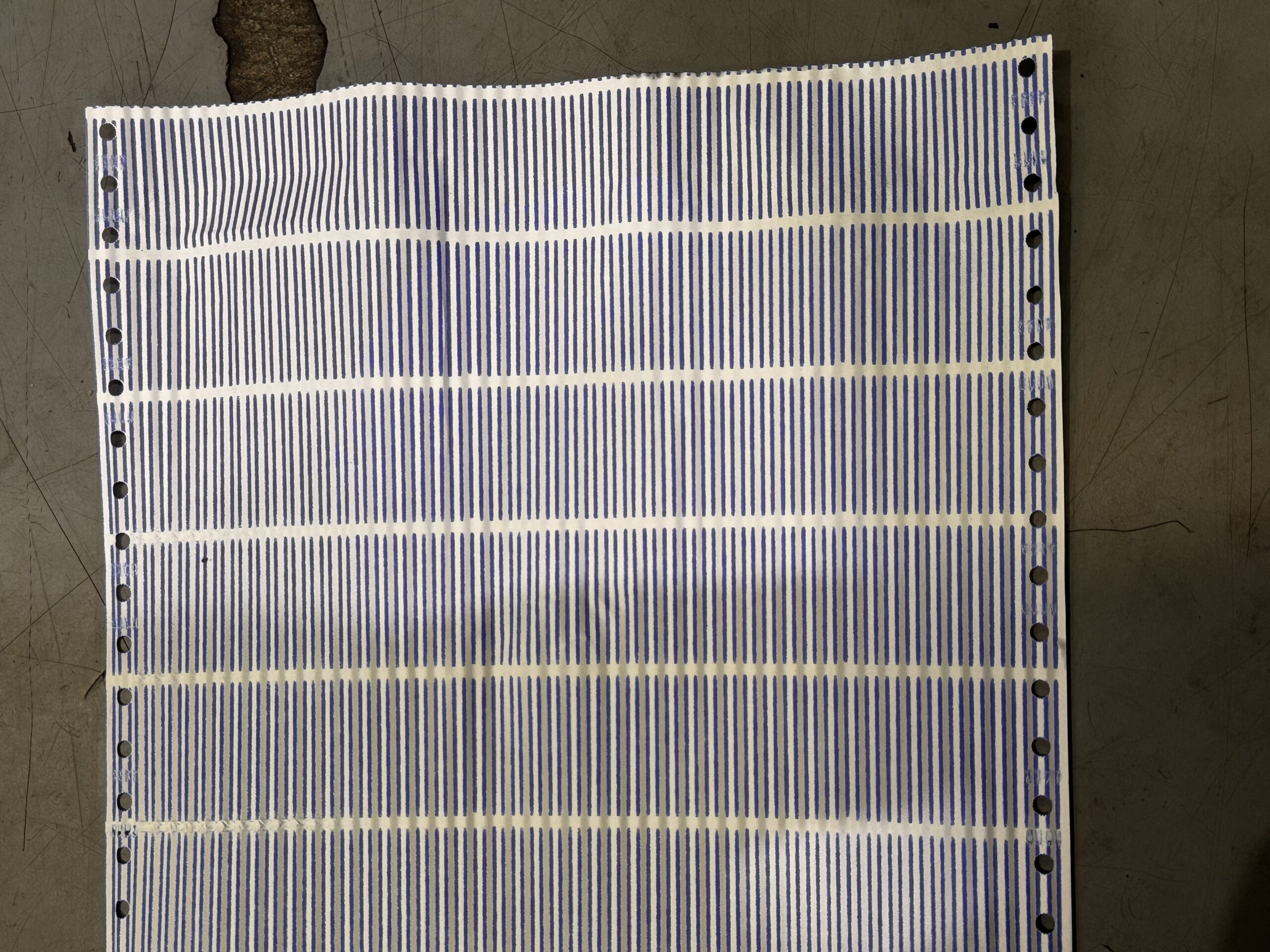
Use pressure-sensitive paper or carbon paper to verify the parallelism between the upper and lower corrugating rolls, as well as between the corrugating roll and the pressure roll. Adjust the eccentric mechanism until the roller axes are parallel and the contact pressure is evenly distributed.
The roller gap should also be adjusted correctly to prevent excessive pressure, uneven flute formation, or premature roll wear.
Lubrication and Trial Operation
Before production starts, apply a protective lubricant such as tungsten carbide silicone oil or N32 machine oil to the roll surface.
Run the machine without paper to lubricate the bearings and confirm that all rotating parts operate smoothly without abnormal vibration or noise.
2. Initial Running Period
The first few production shifts are critical for ensuring the new corrugating roll performs correctly.
Monitor Pressure and Roller Clearance
Adjust the pressure according to the paper width and grade. Narrower paper widths generally require lower pressure to prevent metal-to-metal contact at the roll journals and reduce unnecessary wear.
Correct pressure settings help protect the new corrugating roll while maintaining stable flute formation.
Keep the Roll Surface Clean
Remove glue residue, paper dust, and debris from the roll surface during production. Accumulated contamination can affect flute formation, cause crushed flutes, and reduce board quality.
Observe Machine Performance
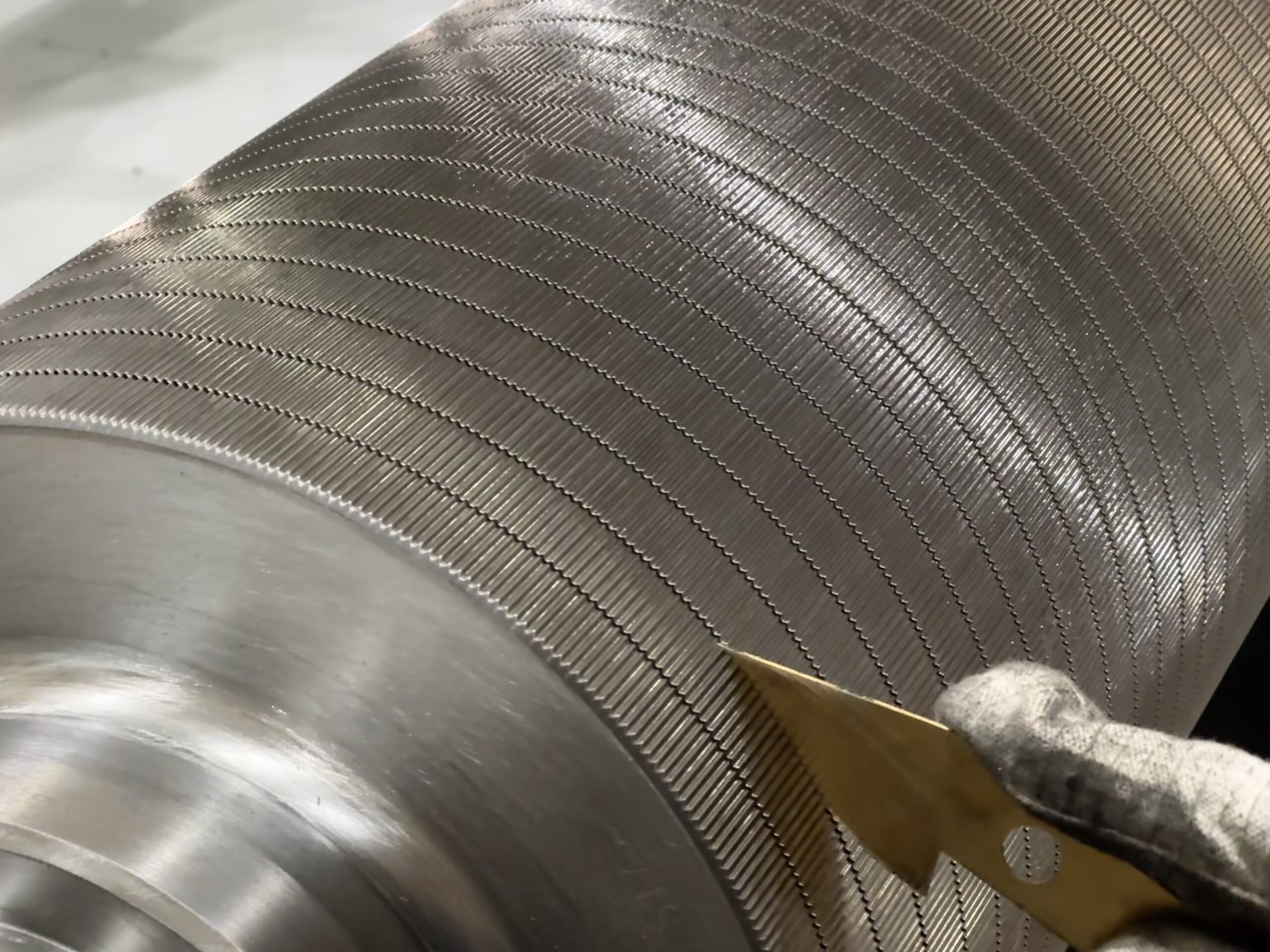
Pay close attention to the quality of the produced corrugated board. Uneven flute height, crushed flutes, inconsistent glue application, or unusual machine noise may indicate alignment or pressure issues that should be corrected immediately.
3. Routine Maintenance for Long-Term Performance
Regular maintenance helps extend the service life of corrugating rolls and reduces unexpected downtime.
Lubricate Mechanical Components
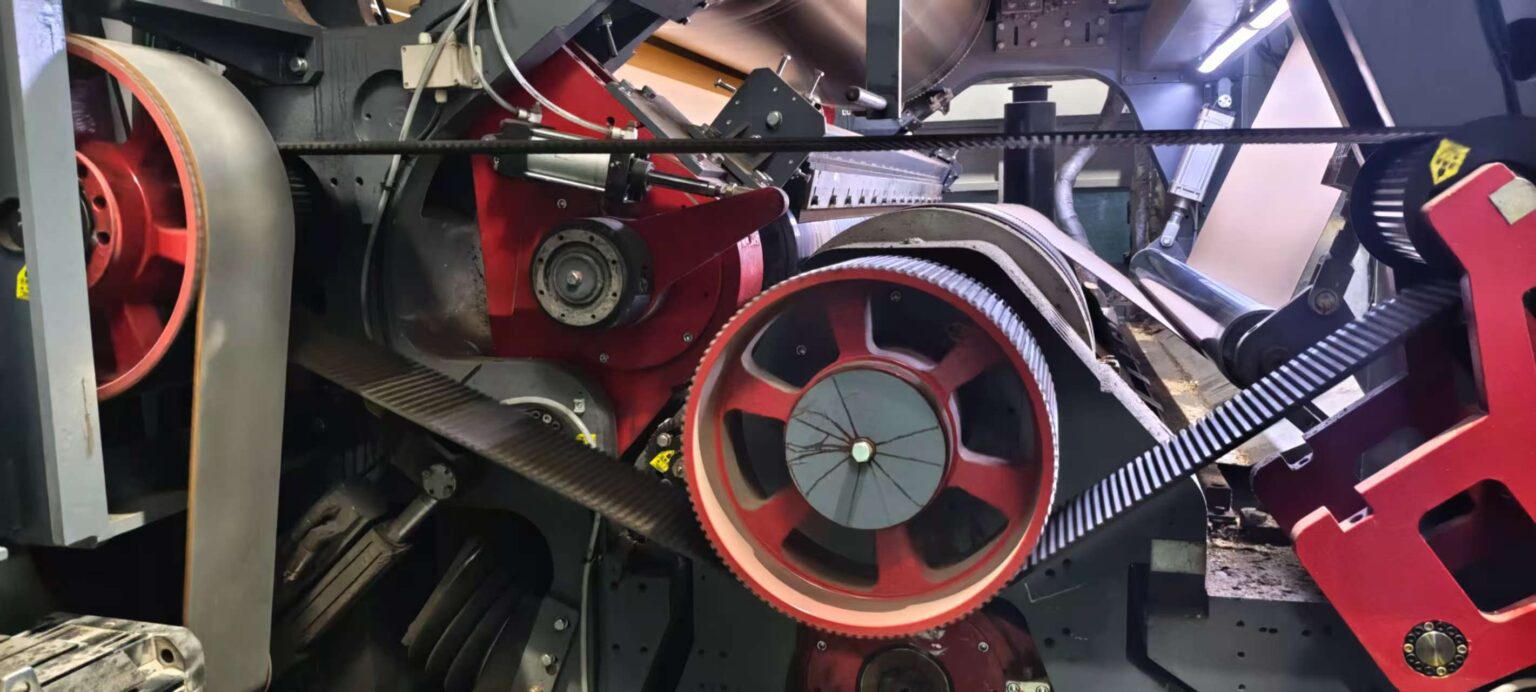
Bearings, gears, and eccentric adjustment mechanisms should be lubricated regularly with high-temperature grease. Monthly inspection and lubrication are generally recommended to ensure reliable operation and prevent premature bearing failure.
Perform Routine Cleaning
Clean the roll surface and remove debris after each production shift. In addition, periodically clean the vacuum grooves to maintain effective vacuum performance and stable paper transport.
Inspect Roller Condition Regularly
Check the parallelism of the corrugating rolls regularly using pressure-sensitive paper. Periodically inspect the roll surface for wear patterns. If excessive center wear or a concave profile develops, the roll should be reground or replaced promptly to maintain board quality and production efficiency.
Best Practices for Extending Corrugating Roll Life
To maximize the performance of your corrugating rolls:
- Keep the roller surface clean throughout production.
- Use the correct operating pressure for different paper grades and widths.
- Lubricate bearings and gears on a regular schedule.
- Inspect roller alignment and wear periodically.
- Address abnormal noise or board defects as soon as they appear.
- Schedule professional inspection and regrinding before severe wear occurs.
Conclusion
Proper maintenance after replacing a corrugating roll is just as important as selecting a high-quality roll. Correct installation, careful monitoring during the initial running period, and consistent preventive maintenance help extend service life, reduce downtime, and ensure stable corrugated board production.
At RMM, we not only manufacture high-performance corrugating rolls but also provide technical support and maintenance guidance to help customers achieve maximum productivity and long-term reliability.