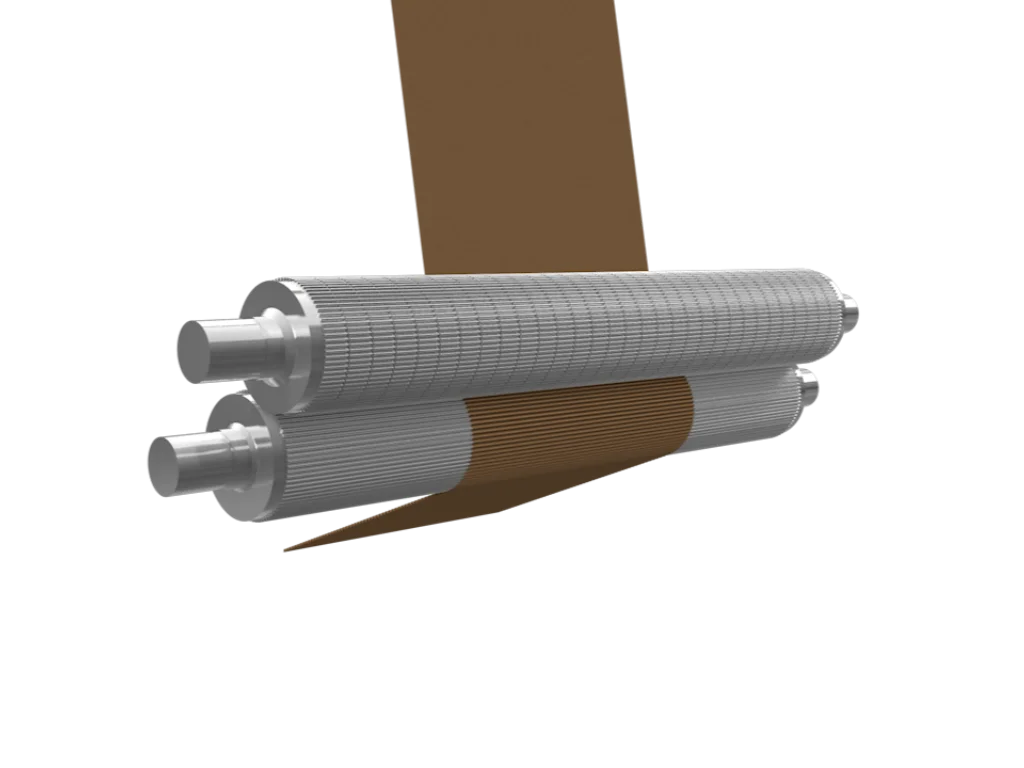
In corrugated board production, corrugating rolls are the core components of the single facer. Their condition directly affects flute formation quality, production efficiency, and overall operating costs.
When corrugating rolls show signs of wear or performance degradation, many box plants face a critical decision:
Should the rolls be repaired, or should they be replaced with new ones?
The choice between repair and replacement should be based on the actual wear condition, equipment status, and production requirements. The following common scenarios can serve as a reference.
1. Roll Body Structure Is Intact
First and most importantly, the roll body must be structurally sound.
If the base material shows no cracks, no bending or deformation, and no structural damage, the corrugating roll can still maintain stable operation after proper repair.
2. Light Flute Profile Wear
When the flute tips show only slight wear and the overall flute profile remains largely intact, precision grinding can effectively restore forming performance and ensure acceptable flute quality.
3. Surface Coating Still Repairable
For corrugating rolls with tungsten carbide coating, if the coating has not suffered large-scale peeling or failure, it is usually possible to re-spray and regrind the surface to extend the service life of the roll.
4. Urgent Production Schedule
Compared with purchasing new rolls, repair usually requires a shorter lead time, helping reduce downtime and maintain continuous production, especially under tight production schedules.
Important Notes
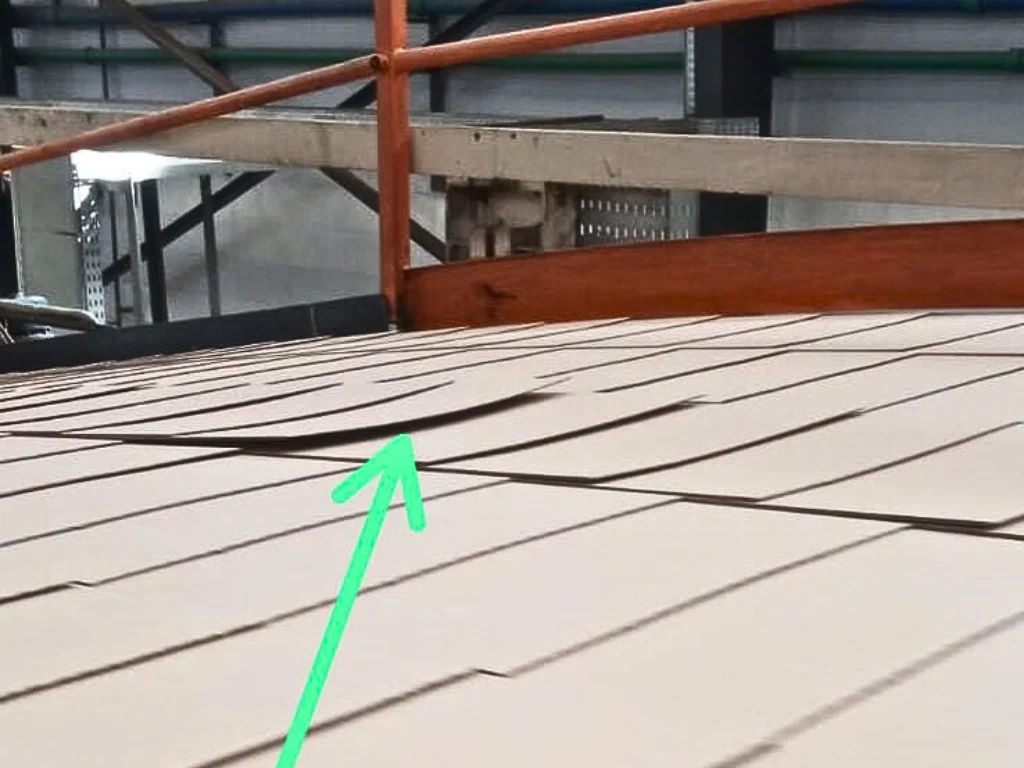
- If corrugating rolls show bending, cracks, or bearing seat deformation, grinding cannot restore the required precision. Continued use may result in uneven flute profiles and a sharp increase in scrap rates.
- If the roll diameter after grinding falls below the minimum size allowed by the machine, forced operation may damage the single facer.
- For old rolls that have undergone multiple grinding cycles, surface pitting or porosity may appear. In such cases, coating adhesion cannot be reliably guaranteed, and premature wear is likely to occur again.
Recommendation
Regular inspection and measurement of corrugating rolls are strongly recommended.
By recording wear conditions and evaluating production requirements alongside budget considerations, manufacturers can better balance the cost of repair versus replacement.
If repaired rolls can no longer meet production demands, timely replacement is essential to ensure consistent corrugated board quality and stable, efficient operation.