TECHNICAL INSIGHTS | CORRUGATING ROLL DESIGN
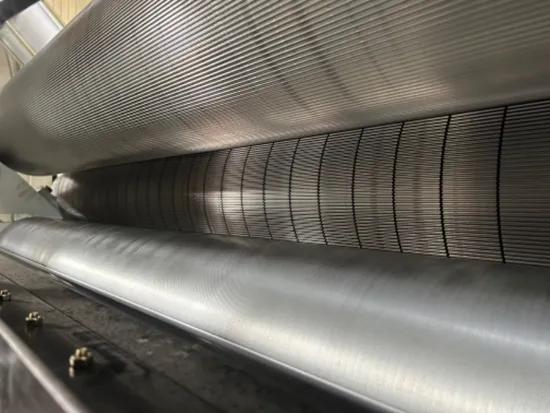
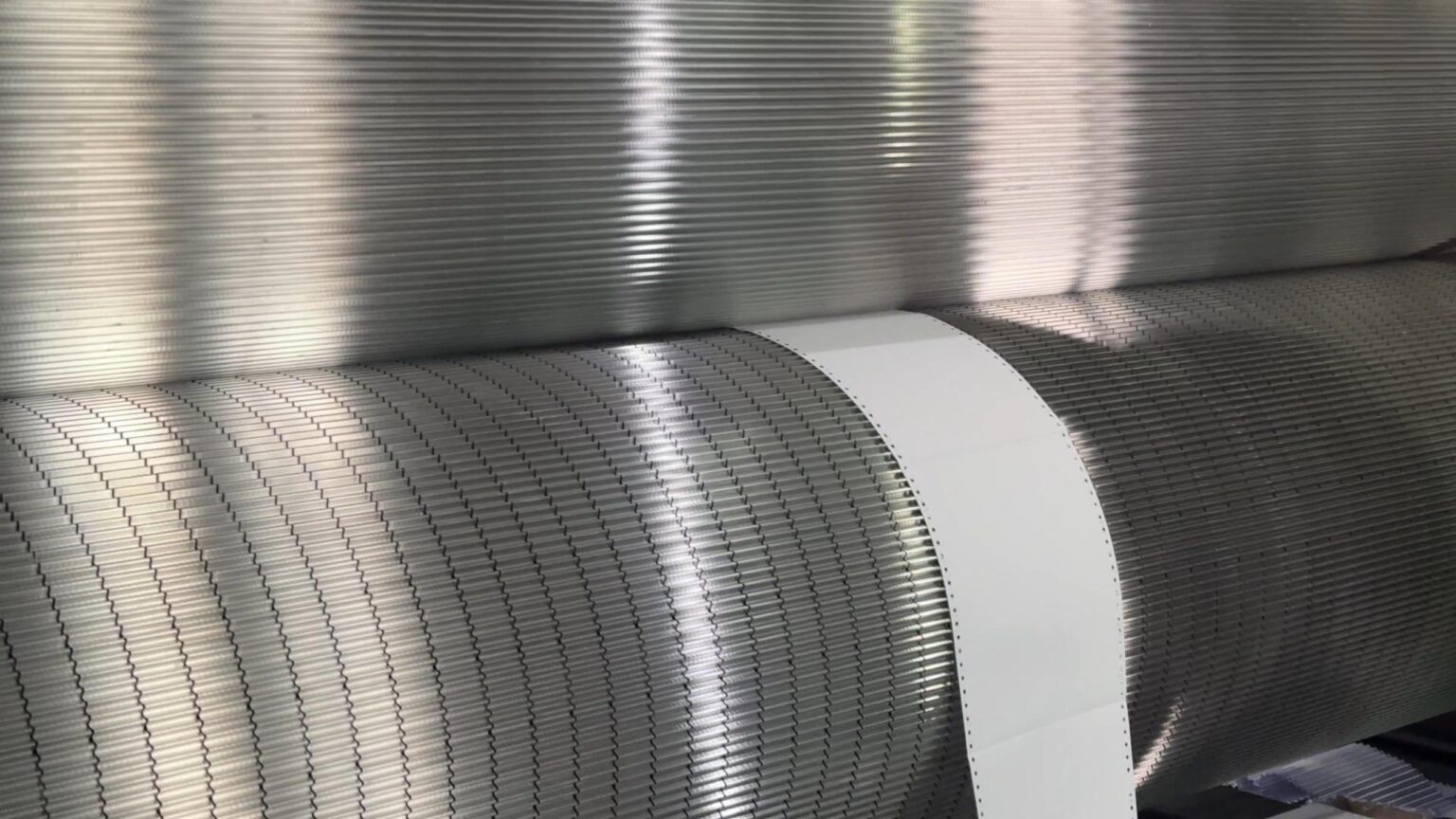
Corrugated board strength is not determined by paper properties alone. The geometry of the corrugating roll also influences flute formation, board thickness, structural stability, and the performance of the finished packaging.
For corrugated board manufacturers, the challenge is clear: How can the right flute profile help balance strength, paper consumption, and production efficiency?
Understanding three key elements of flute geometry is a good place to start.
01 / THREE KEY ELEMENTS OF FLUTE GEOMETRY
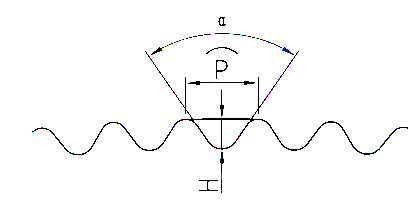
Flute height, pitch, and profile work together to define the structure of corrugated board. Each affects the way the corrugated medium is formed and supports the finished board.
| Design Parameter | What It Means | Why It Matters |
|---|---|---|
| Flute Height | The height of the formed flute | Influences board thickness and structural geometry |
| Flute Pitch | The distance between adjacent flute peaks | Affects flute density and the distribution of the corrugated structure |
| Flute Profile | The contour and shape of each flute | Influences paper forming, contact with liners, and load transfer |
The key is to evaluate these parameters together. A change in one geometric feature may affect other aspects of flute formation and board performance.
02 / FROM FLUTE GEOMETRY TO BOARD STRENGTH
Flute design contributes to board performance in different ways. To understand its role, it helps to distinguish three commonly used strength indicators.
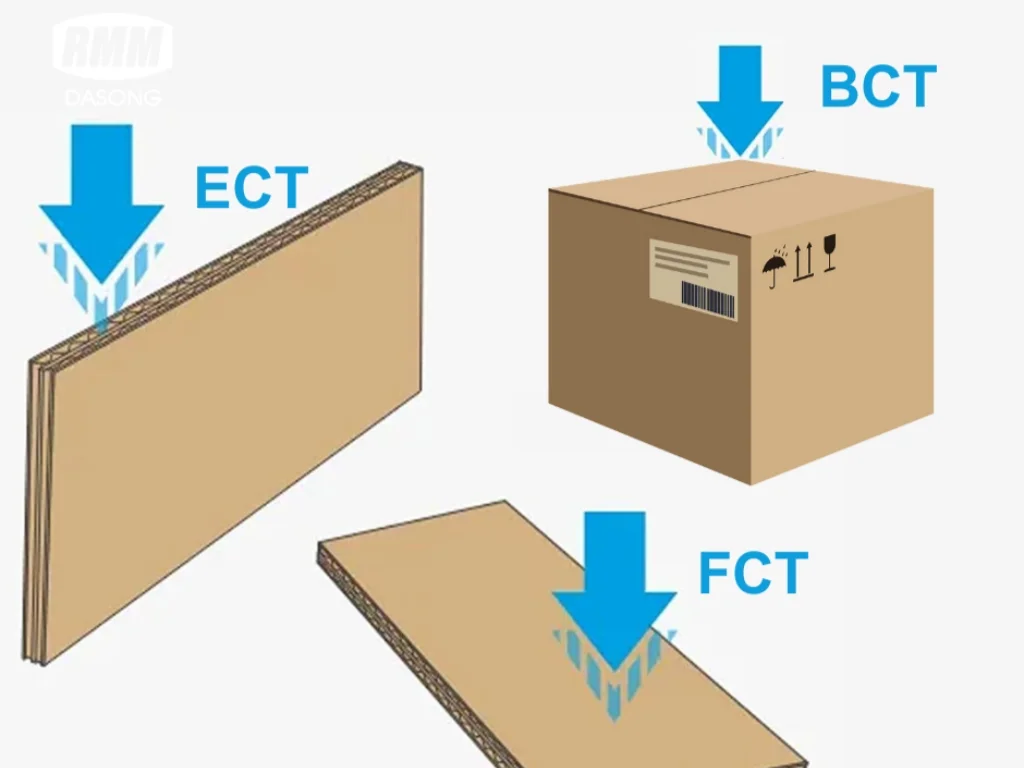
ECT — Edge Crush Test
Measures the resistance of corrugated board to edgewise compression.
Flute geometry influences how the corrugated medium supports the liners under compressive loads. Paper strength, flute formation, and bonding quality also contribute to the final result.
BCT — Box Compression Test
Measures the compression resistance of a completed corrugated box.
Flute geometry contributes to the structural properties of the board, while box dimensions, design, scoring, and environmental conditions also affect performance.
FCT — Flat Crush Test
Measures the resistance of corrugated board to compression perpendicular to its surface.
The stability of the fluted structure is particularly important. Flute geometry, paper properties, forming conditions, and production-related damage can all influence the result.
ECT, BCT, and FCT measure different aspects of performance.
Selecting a flute profile should start with the packaging requirements, not with a single strength value.
03 / THE BALANCING ACT: STRENGTH, THICKNESS & PAPER CONSUMPTION
A flute profile must do more than produce the desired board shape. It should also suit the manufacturer's material specifications, production conditions, and end-use requirements.
What should be considered when selecting a flute profile?
- Strength targets — Required ECT, BCT, and FCT performance.
- Board thickness — Dimensional requirements of the finished packaging.
- Paper consumption — The relationship between flute geometry, take-up, and paper specifications.
- Production stability — Consistent flute formation at the intended operating conditions.
- Packaging application — Stacking loads, handling conditions, and end-use requirements.
The objective is not simply to maximize one parameter. It is to identify a suitable balance based on the complete board construction and production process.
04 / W/V FLUTE PROFILE: A CUSTOMIZED APPROACH
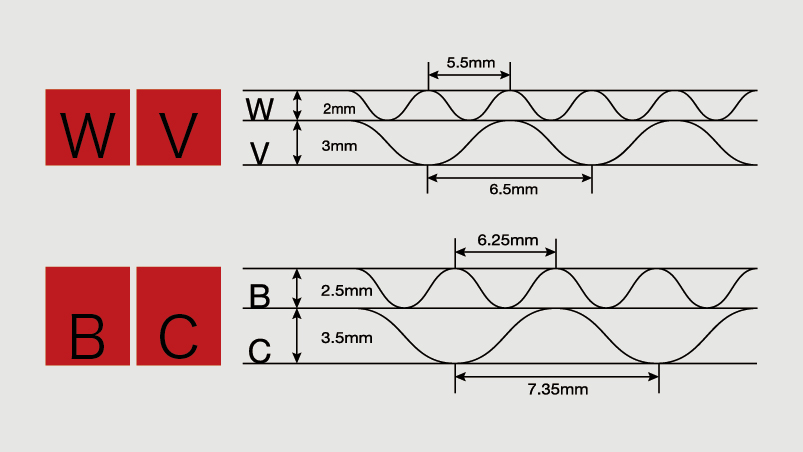
One profile does not fit every production target.
RMM's W/V flute profile provides another option for manufacturers evaluating the relationship between board performance and material efficiency.
Its geometry can be assessed against specific production targets, including ECT, FCT, and TUR, depending on the paper combination and operating conditions.
TUR | Take-Up Ratio
The take-up ratio describes the amount of corrugated medium consumed relative to the corresponding length of finished board. It is an important consideration when evaluating material utilization.
A customized profile should therefore be assessed against several factors:
| Evaluation Focus | Key Question |
|---|---|
| Board strength | Does the design meet the required performance targets? |
| Material utilization | How does the profile affect medium consumption? |
| Board structure | Does it provide the required thickness and flute stability? |
| Production conditions | Can the profile operate consistently on the intended corrugator? |
The actual performance of a W/V profile depends on its design, paper combination, and production conditions. Appropriate trials and testing are necessary to verify its suitability.
05 / HOW RMM TURNS FLUTE DESIGN INTO A PRACTICAL SOLUTION
From production requirements to customized corrugating rolls.
With a flute-design database containing more than 20,000 profiles, RMM supports corrugated board manufacturers in evaluating options for different paper combinations, board specifications, and production objectives.
Our approach includes:
01 — Understand Review the existing flute profile, paper specifications, machine conditions, and production challenges.
02 — Evaluate Identify relevant design options according to the customer's ECT, BCT, FCT, and TUR targets.
03 — Customize Develop a suitable flute profile for further technical assessment and manufacturing.
04 — Validate Evaluate the selected design against actual production conditions and agreed performance requirements.
The goal is to provide a corrugating roll solution that matches the customer's application, rather than relying on a one-size-fits-all design.
FIND THE RIGHT FLUTE PROFILE FOR YOUR PRODUCTION
The right flute geometry starts with a clear understanding of your board specifications and production goals.
Whether you are looking to improve board strength, optimize paper consumption, or explore a customized W/V flute profile, RMM can help you evaluate suitable corrugating roll solutions.
Have specific ECT, BCT, FCT, or TUR targets?
Contact RMM to discuss your requirements.