 |
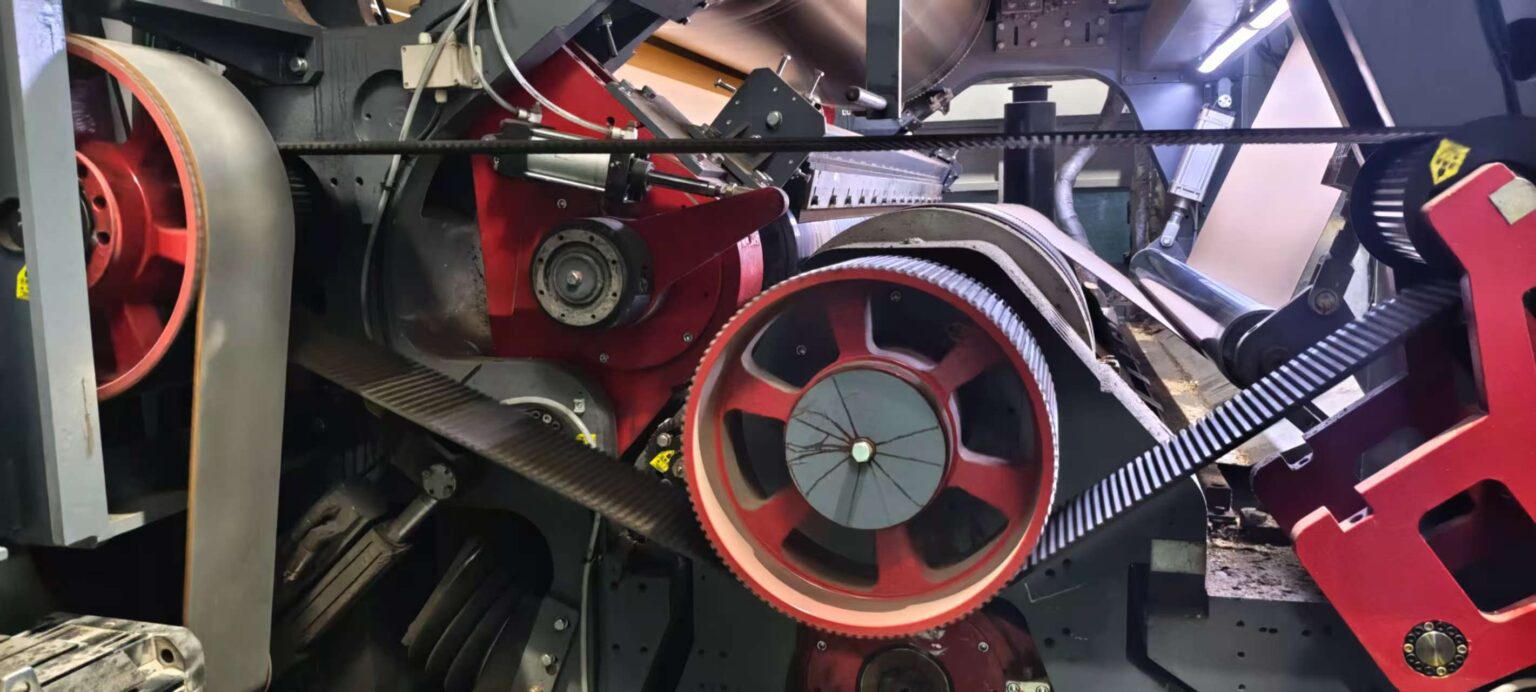
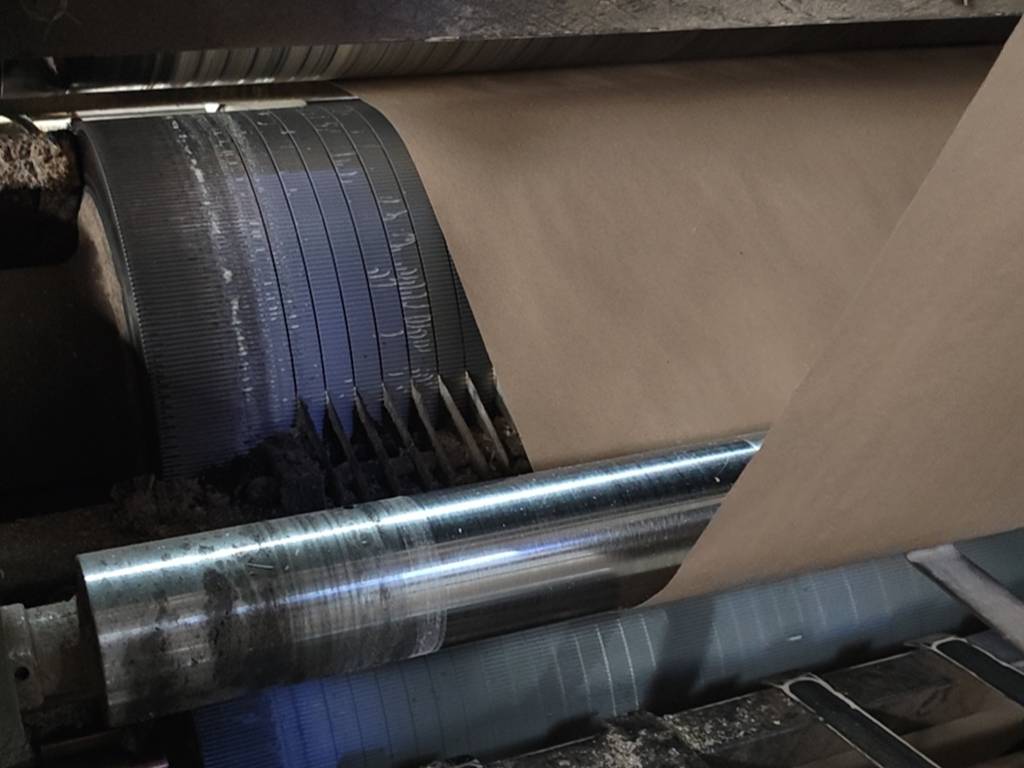
In corrugated board production, consistent board quality depends heavily on the condition of your corrugating roll. Many plants face the same problem: flute quality keeps declining even after adjusting temperature, pressure, and paper settings. At this point, the real question is: does your corrugating roll need replacement? This guide explains 5 clear signs that it's time to invest in a new roll — helping you avoid waste, downtime, and unnecessary cost. |
|---|
What Affects the Lifespan of a Corrugating Roll?
The service life of a corrugating roll depends on several factors:
- Surface coating (tungsten carbide vs. chrome plating)
- Flute profile and roll material
- Paper grade and corrugator speed
- Steam dryness and operating temperature
- Regrinding history and maintenance practices
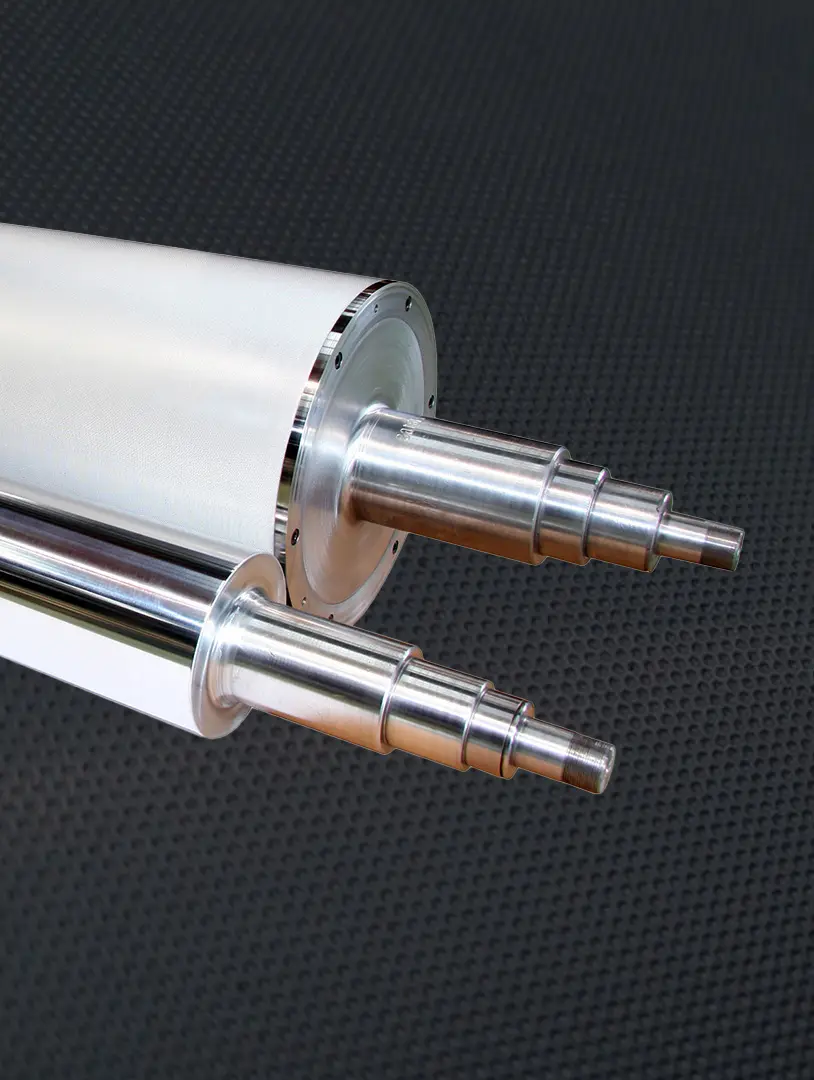
High-quality tungsten carbide rolls, when properly maintained, can last even longer while maintaining stable performance. Actual service life should be evaluated based on the machine's real operating conditions and daily maintenance level.
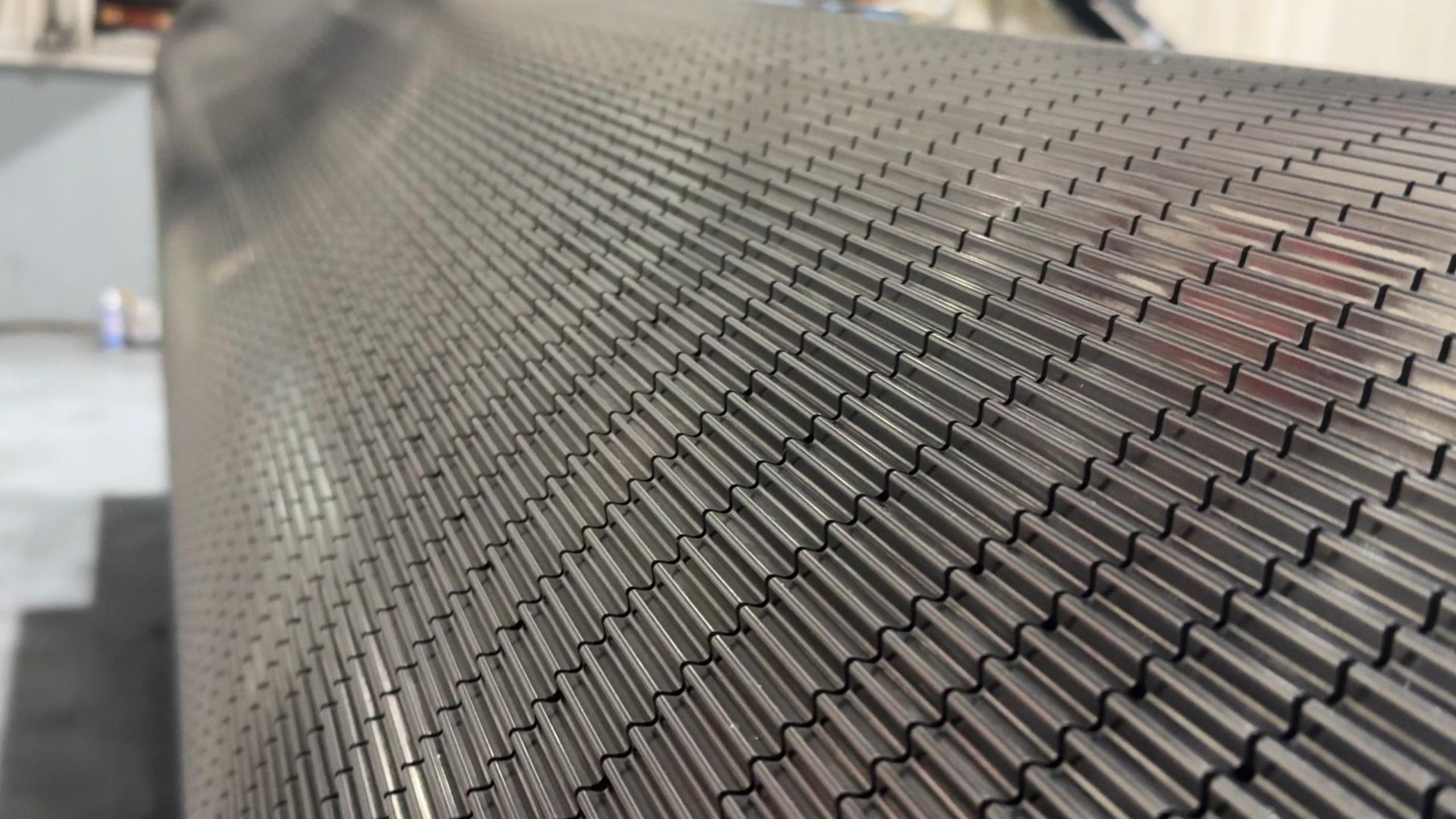
5 Key Signs Your Corrugating Roll Needs Replacement
1. Board Quality Problems Keep Coming Back
The most direct field sign is abnormal board appearance:
- Flattened or collapsed flutes, uneven flute height, leaning flutes
- Washboard effect or edge cracking
- Noticeable reduction in board thickness and compression strength
- Severe blistering, delamination, or loose layers
- Blurred printing or serious warping after paper and glue factors are ruled out
If these defects continue even after machine parameters have been adjusted, the roll surface is likely no longer forming flutes correctly.
2. Visible Surface Wear or Damage
Inspect the flute teeth directly:
- Flute tips flattened or worn down
- One-sided tooth wear or deep pits on the flute surface
- Coating peeling, such as tungsten carbide lifting off the base material
- Through-cracks, broken teeth, or chipped teeth
Coating loss usually means the roll base has been damaged and cannot be restored by regrinding. Through-cracks and broken teeth are also a safety hazard.
3. Uneven Wear Across the Roll Face
When the middle of the roll wears much faster than the ends, pressure distribution becomes uneven. The typical result is paper cracking or tearing at both edges of the board, even at normal nip settings. If this cannot be corrected by adjusting pressure, the roll profile has been permanently deformed.
4. Dimensional and Parameter Changes
Measurement tells the real story:
- Roll diameter has been reduced significantly after multiple regrinds, changing flute pitch and tooth angle, which affects the gear ratio
- Flute height wear has reached the replacement limit specified by the equipment manufacturer
- Wear rate versus running length is far beyond the expected curve
- A carbon-paper test shows uneven pressure across the width, or tooth alignment and parallelism can no longer be restored
Any of these indicates that the roll has exceeded its useful machining range.
5. Abnormal Operation and Low Repair Value
Listen to the machine:
- Abnormal vibration or noise during operation
- Bearing wear causing unstable running and further roll damage
- After repeated regrinds, the roll can no longer meet current board quality requirements
When continued use causes higher paper consumption, rising reject rates, and growing repair costs, replacing the roll is the more economical decision.
Why Accurate Inspection Is Critical
Choosing between repair and replacement based on feeling can be costly. At RMM, we use precision flute profile measurement, roll diameter checks, and surface condition analysis to:
- Quantify actual wear
- Identify coating or base material damage
- Provide data-based recommendations
This helps you make the right decision with confidence — before defects turn into wasted paper and lost production time.
Why Choose RMM Corrugating Rolls
- High-precision flute machining
- Durable wear-resistant surface coatings
- Strict quality inspection at every stage
- Customized production to match your corrugator
- Reliable performance and international support
Conclusion
Corrugating roll replacement standards vary by machine model, paper quality, and maintenance history. The right approach is to combine the manufacturer's maintenance manual with actual production data — measure the roll, inspect the surface, and track defect trends. A clear replacement decision protects board quality and keeps total production cost at its lowest.
Need help deciding whether your corrugating roll should be reground or replaced? Contact RMM for professional inspection and support.