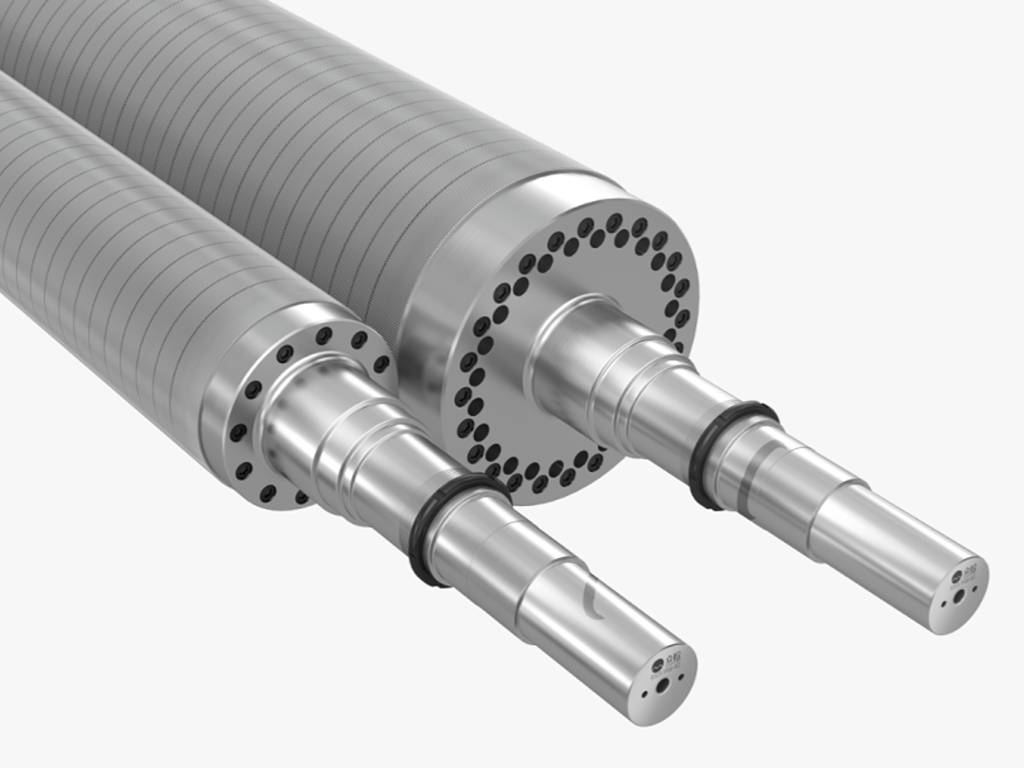
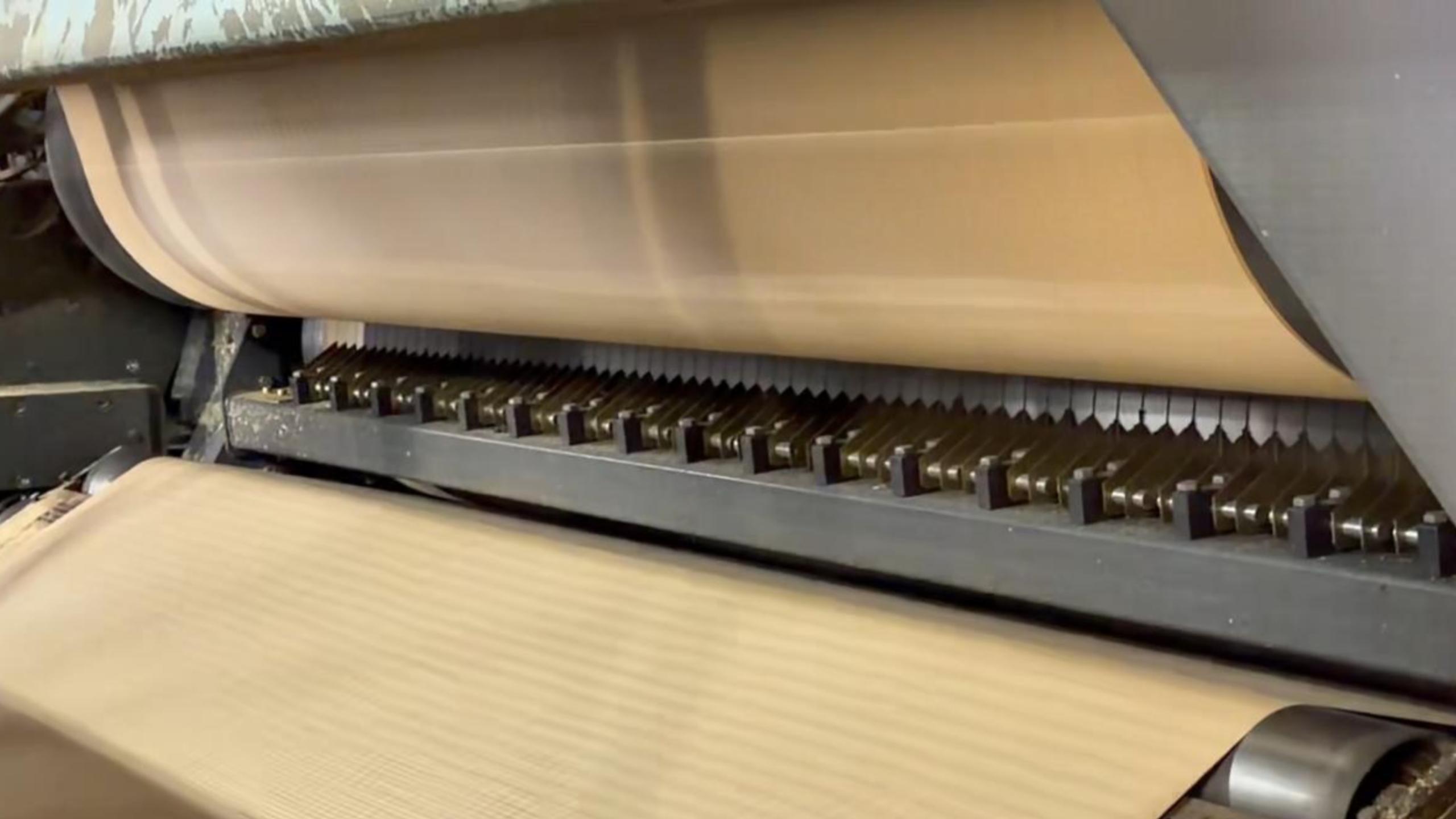
Every meter of corrugated board passes through the nip of a corrugating roll. That split-second contact determines more about the final board — its strength, its appearance, its bond quality — than almost any other variable on the line.
Yet the roll is often treated as a fixed asset that just runs. In reality, the condition of your corrugating rolls is one of the biggest levers you have for both board quality and production savings. Here is how.
How Rolls Drive Board Quality
Corrugating rolls affect board quality in four connected ways.
Flute Formation and Board Strength
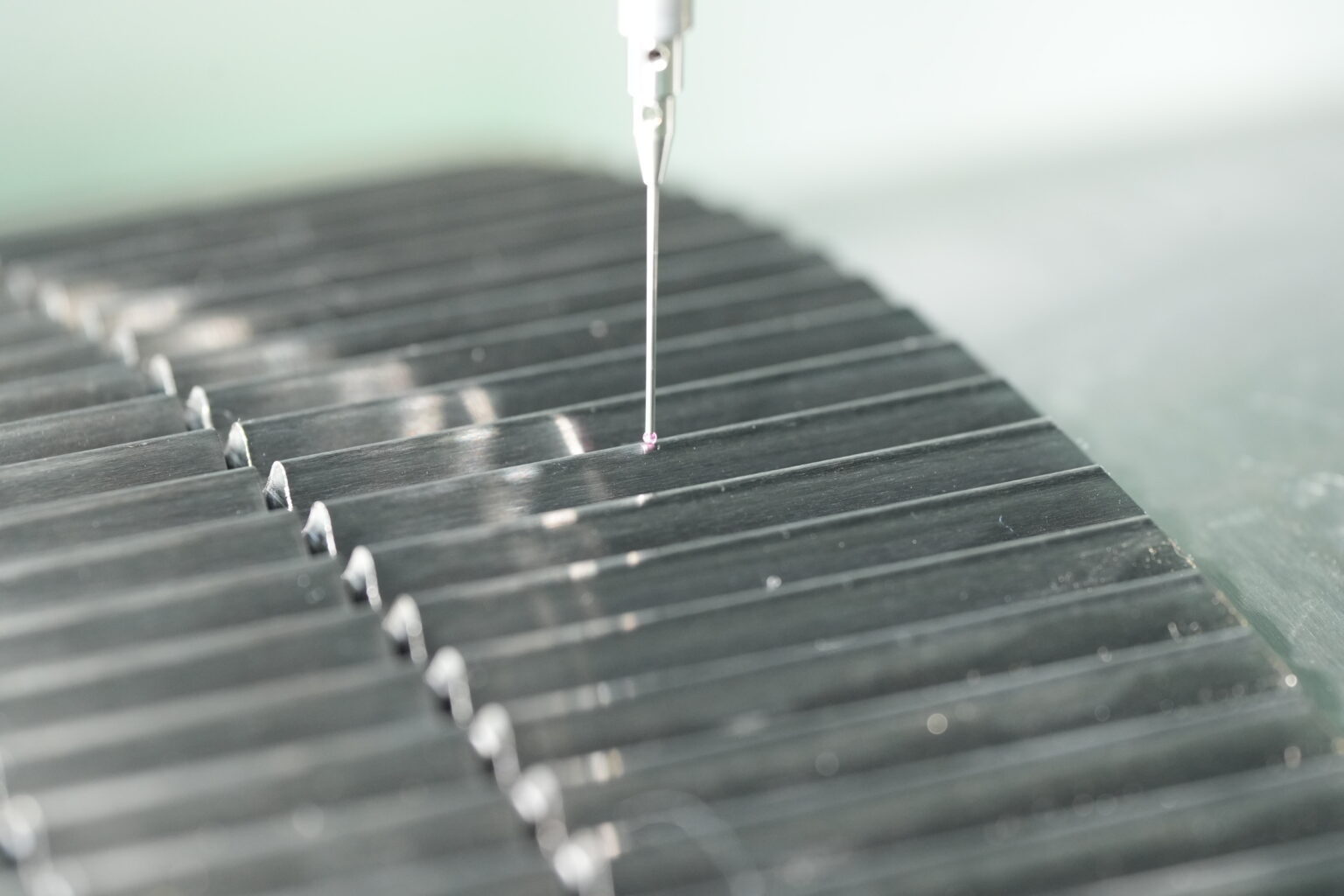
Every flute begins with the corrugating roll. Its flute profile—including flute type, height, pitch, and tooth geometry—determines how accurately the corrugating medium is formed. Consistent flute formation provides the foundation for stable board thickness, reliable cushioning performance, and predictable Edge Crush Test (ECT) and Flat Crush Test (FCT) results.
As the rolls wear over time, the flute profile gradually changes. Flute tips become flatter, sidewalls lose their designed geometry, and the meshing between the upper and lower rolls becomes less precise. These changes can lead to crushed flutes, uneven flute height, inconsistent board thickness, and reduced compression strength, ultimately affecting both product quality and production efficiency.
Bonding Quality
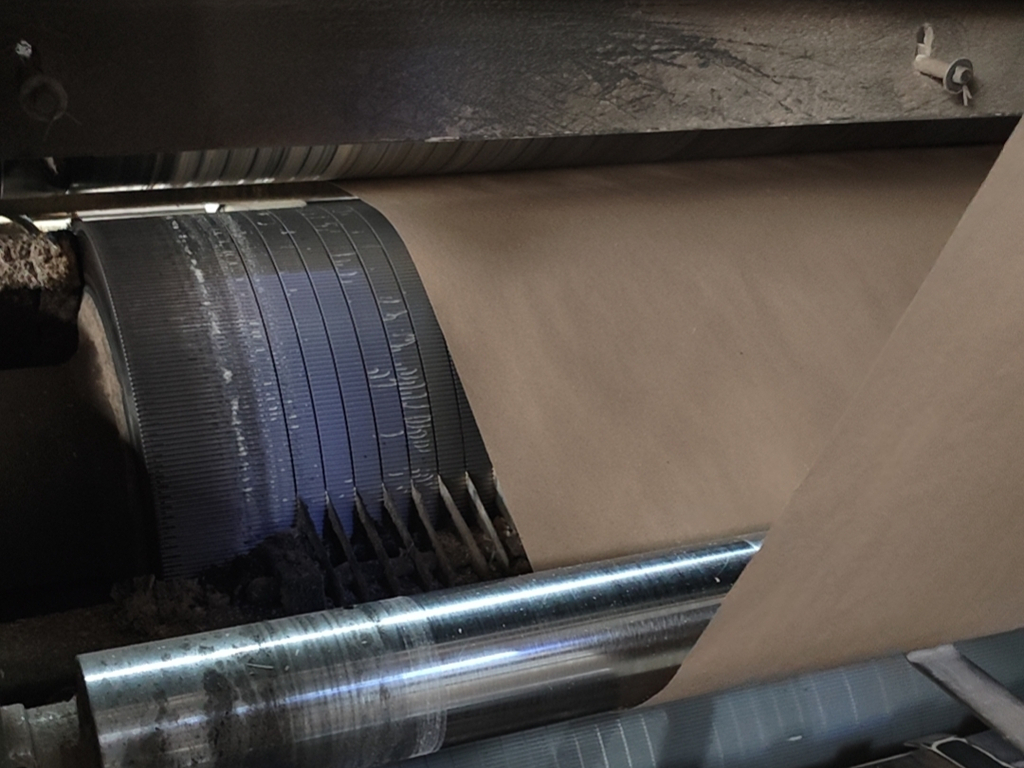
The roll surface carries adhesive to the flute tips. When the roll surface is uneven — worn in the center (a common issue called center wear), scored, or contaminated — adhesive transfer becomes inconsistent. Some tips get too much glue, causing strike-through. Others get too little, creating weak bonds that delaminate downstream.
Bonding defects do not just affect appearance. They create scrap, trigger customer complaints, and can shut down converting lines when board fails under stress.
Board Appearance
Corrugating rolls are in direct contact with the paper. Any imperfection on the roll surface transfers directly to the board. Scratches, pits, or built-up residue on the roll face create visible defects on every meter of board produced until the roll is cleaned or repaired.
For plain shipping boxes, minor appearance issues may be acceptable. For retail-ready packaging — especially micro-flute printing stock — surface quality is non-negotiable.
The Savings Side: Where Rolls Affect Your Cost
Corrugating rolls are long-term production assets. As they wear, quality gradually declines while operating costs increase.
Common signs of roll wear include:
- Inconsistent flute height
- Increased paper breaks
- Higher glue usage
- More board rejects
- Frequent machine adjustments
- Reduced production stability
Many of these problems develop slowly, making them difficult to notice until production losses become significant.
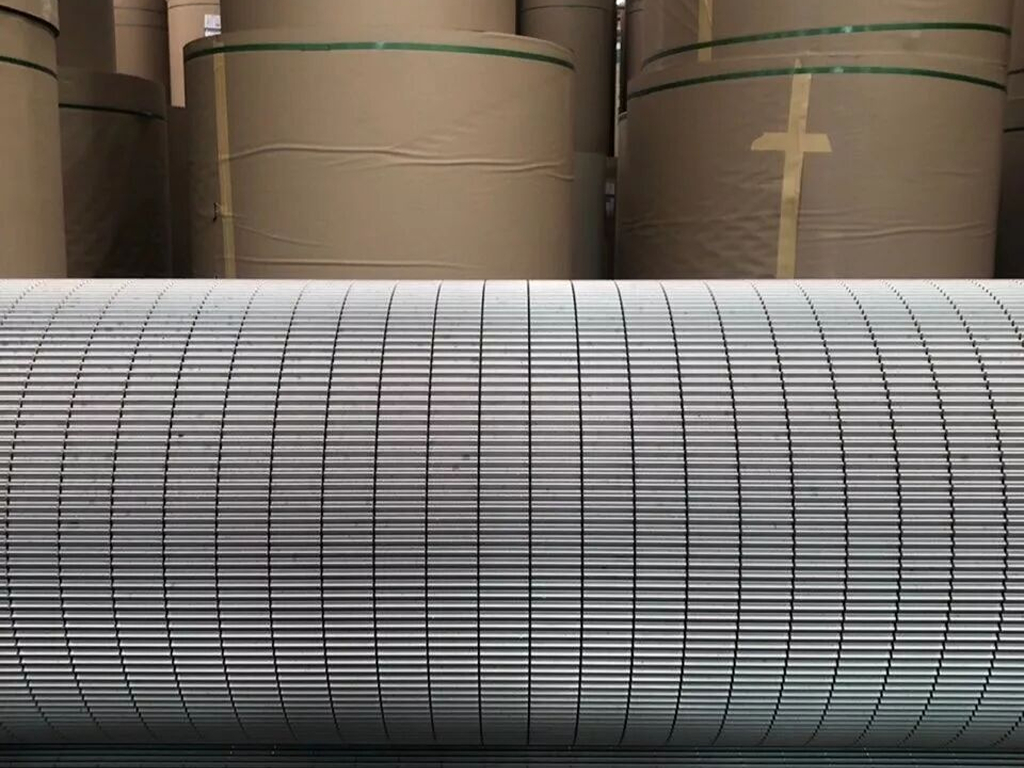
Regular inspection, proper maintenance, and timely regrinding help restore profile accuracy, extend roll service life, and reduce unexpected downtime.
Keeping the Roll Factor on Your Side
The good news is that most roll-related quality and cost issues are preventable with the right approach:
-
Inspect rolls on a schedule. Measure flute profile, surface condition, and run-out at regular intervals. Do not wait for quality complaints to trigger a roll check.
-
Track roll performance data. Record which roll sets produce the lowest start-up waste and best ECT values. That data tells you when a roll needs reconditioning before it starts costing money.
-
Invest in coating. Tungsten carbide or other advanced coatings extend roll life significantly on abrasive paper grades. The upfront cost is offset by longer intervals between reconditioning.
-
Match the roll to the job. A roll optimized for heavy double-wall board is not the right tool for micro-flute. If your product mix is varied, consider dedicated roll sets for each major flute type.
Conclusion
From flute formation and board strength to adhesive bonding, production stability, and operating costs, the condition and precision of the rolls directly determine manufacturing performance.
Investing in high-quality corrugating rolls is not simply a maintenance decision. It is an investment in better product quality, higher production efficiency, reduced material waste, and lower overall operating costs.
In today's competitive corrugated packaging industry, the right corrugating roll is not just a machine component—it is a key driver of both quality and savings.