| Micro-flute corrugated board is becoming increasingly popular for lightweight packaging, retail displays, and applications requiring better printability and structural efficiency. As flute dimensions become smaller and flute density increases, the corrugating roll must maintain tighter control over flute geometry, surface quality, and wear. Even small deviations in a micro-flute profile can affect forming stability, board quality, and overall production consistency. | 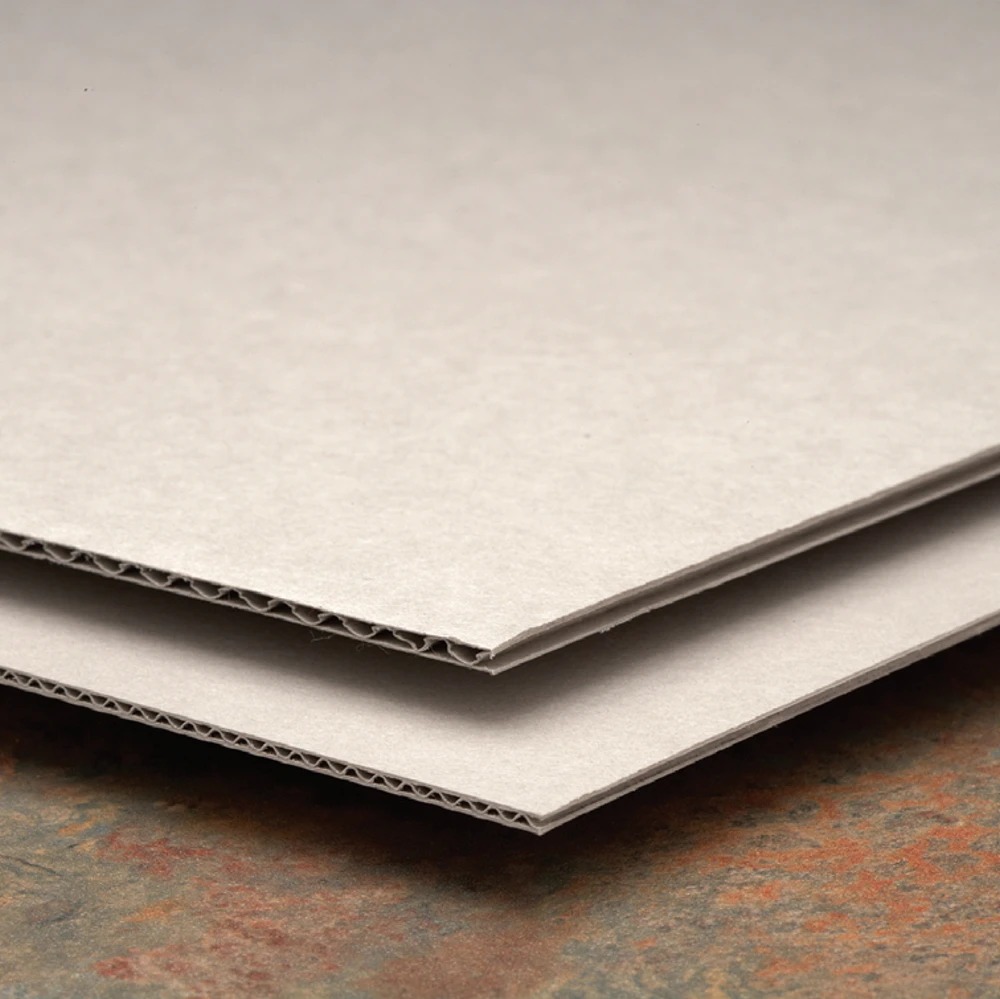 |
|---|
1. Smaller Flute Height Means Lower Wear Tolerance
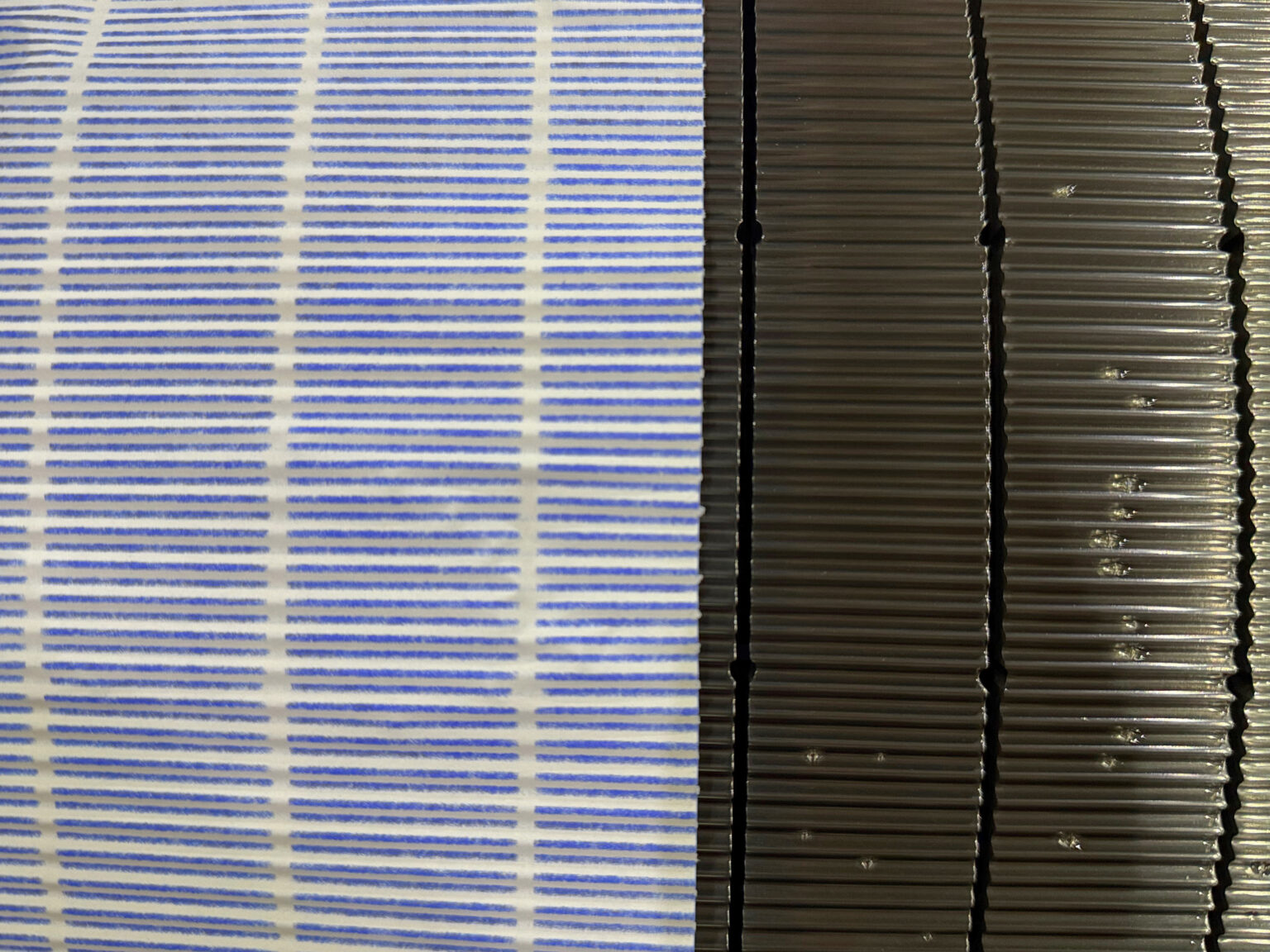
One of the defining characteristics of micro-flute corrugated board is its relatively small flute height. Compared with conventional flute profiles, micro-flutes have a much smaller working geometry, which means there is less room for wear or dimensional deviation.
During long-term operation, wear on the flute tips and valleys can gradually change the original profile. For larger flutes, a small amount of wear may have a relatively limited effect. With micro-flute corrugating rolls, however, the same amount of wear can represent a much larger percentage of the flute geometry.
This may influence flute formation, board thickness, compression performance, and bonding quality.
2. Higher Flute Density Requires Greater Stability
Micro-flute profiles typically contain more flutes within the same working width. The denser flute arrangement increases the importance of roll stability, profile consistency, and accurate meshing between the upper and lower corrugating rolls.
At high production speeds, even a small deviation in roll geometry or alignment can affect the interaction between the rolls and the paper medium. Inconsistent meshing may lead to unstable flute formation, uneven pressure, or variations across the board.
For this reason, micro-flute corrugating rolls require not only accurate flute geometry but also excellent overall dimensional stability.
3. Fine Flute Geometry Demands Precise Grinding
The smaller the flute, the more sensitive it becomes to machining accuracy.
Micro-flute profiles involve fine details such as flute height, pitch, tip radius, valley radius, and sidewall angle. These parameters work together to determine how the paper medium is formed between the corrugating rolls.
A small deviation in the flute tip or sidewall can affect the forming process. For delicate lightweight papers, inaccurate geometry may also increase the risk of fiber damage or unstable flute formation.
This makes precision grinding a critical step in the manufacturing of micro-flute corrugating rolls. Advanced CNC grinding equipment and strict process control help maintain the designed flute profile throughout the working width.
4. Roll Geometry and Surface Quality Matter
Flute accuracy is only one part of overall corrugating roll performance. The roll must also maintain proper cylindricity, concentricity, runout, and surface quality.
During operation, thermal conditions and mechanical forces can influence roll geometry. If the roll does not maintain sufficient dimensional stability, the pressure distribution across the working width may become uneven.
Surface finish is also particularly important for micro-flute applications. A properly finished roll surface helps reduce unnecessary friction and minimizes potential damage to lightweight paper during the forming process.
For micro-flute corrugating rolls, precision therefore needs to be considered at both the flute level and the overall roll level.
5. Wear Resistance Helps Protect the Flute Profile
Precision is valuable only when it can be maintained throughout the roll's service life.
As corrugating rolls operate continuously under mechanical pressure, heat, and friction, progressive wear can gradually change the original flute geometry. For micro-flute rolls, maintaining the profile is especially important because the available dimensional tolerance is relatively small.
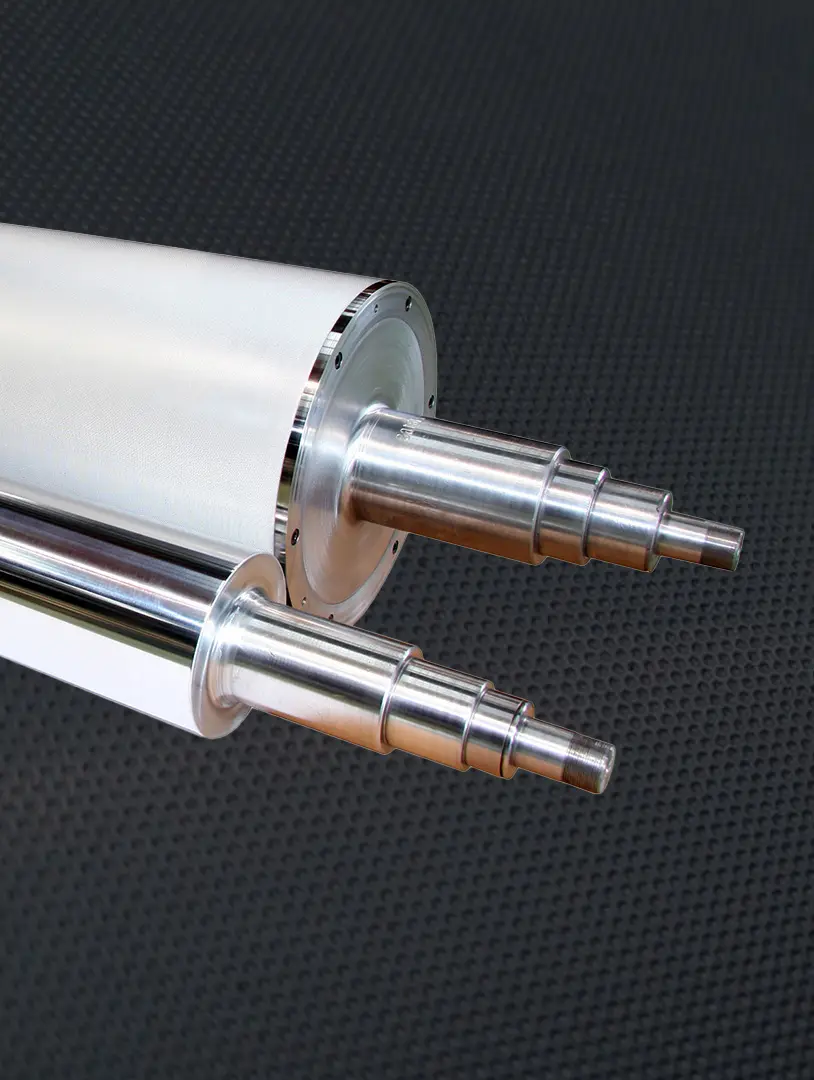
This is one reason tungsten carbide coating is widely used for high-performance corrugating rolls. A wear-resistant surface can help protect the flute tips and valleys and maintain more consistent flute geometry during extended operation.
RMM uses HVOF tungsten carbide coating technology for selected corrugating roll applications, combining a wear-resistant surface with precision-machined flute profiles.
6. Precision Starts with the Right Flute Profile
There is no single flute profile that is ideal for every application.
Different papers, board structures, production speeds, and performance requirements can call for different flute geometries. Micro-flute applications can be particularly sensitive to these differences because the smaller profile leaves less room for dimensional variation.
Flute design should therefore consider more than flute height alone. Parameters such as pitch, tip radius, valley geometry, and sidewall angle need to work together according to the intended application.
A well-designed flute profile provides the foundation for stable forming and consistent board performance.
RMM provides a Tailor-Made Flute Profile (TFP) Service, using engineering analysis and simulation to develop flute profiles according to specific production and performance requirements.
7. How Precision Is Controlled During Manufacturing
Achieving a precise micro-flute profile requires control throughout the entire manufacturing process, rather than relying on a single inspection step.
From material preparation and heat treatment to CNC machining, precision grinding, surface treatment, and final inspection, each stage can influence the final roll performance.
Dimensional inspection is particularly important for micro-flute applications. Coordinate Measuring Machines (CMM) can be used to verify flute geometry and dimensional accuracy against the original design.
By combining precision manufacturing with systematic inspection, manufacturers can identify deviations before the roll reaches production.
Conclusion: Smaller Flutes, Greater Precision
Micro-flute corrugating rolls may have smaller teeth, but their engineering requirements are anything but small.
Lower flute height, higher flute density, finer geometry, tighter wear tolerance, and greater sensitivity to surface and roll stability all increase the importance of precision.
From flute profile design and CNC grinding to surface treatment and CMM inspection, every manufacturing detail contributes to the final performance of the roll.