Walk through any supermarket, electronics store, or fast-food chain today, and one trend becomes immediately clear: more products are being packaged in thin, crisp corrugated board with print quality approaching that of folding cartons. Behind this shift is the rapid adoption of micro-flute corrugated packaging.
Driven by premium retail packaging, e-commerce, and sustainable packaging initiatives, micro-flutes such as E, F, G, and N are becoming increasingly popular across the corrugated industry. Compared with traditional flute profiles, these finer flutes demand significantly higher manufacturing precision. As a result, corrugating roll technology has become a key factor in achieving consistent board quality, production efficiency, and long-term operating reliability.

What Is a Micro-Flute?
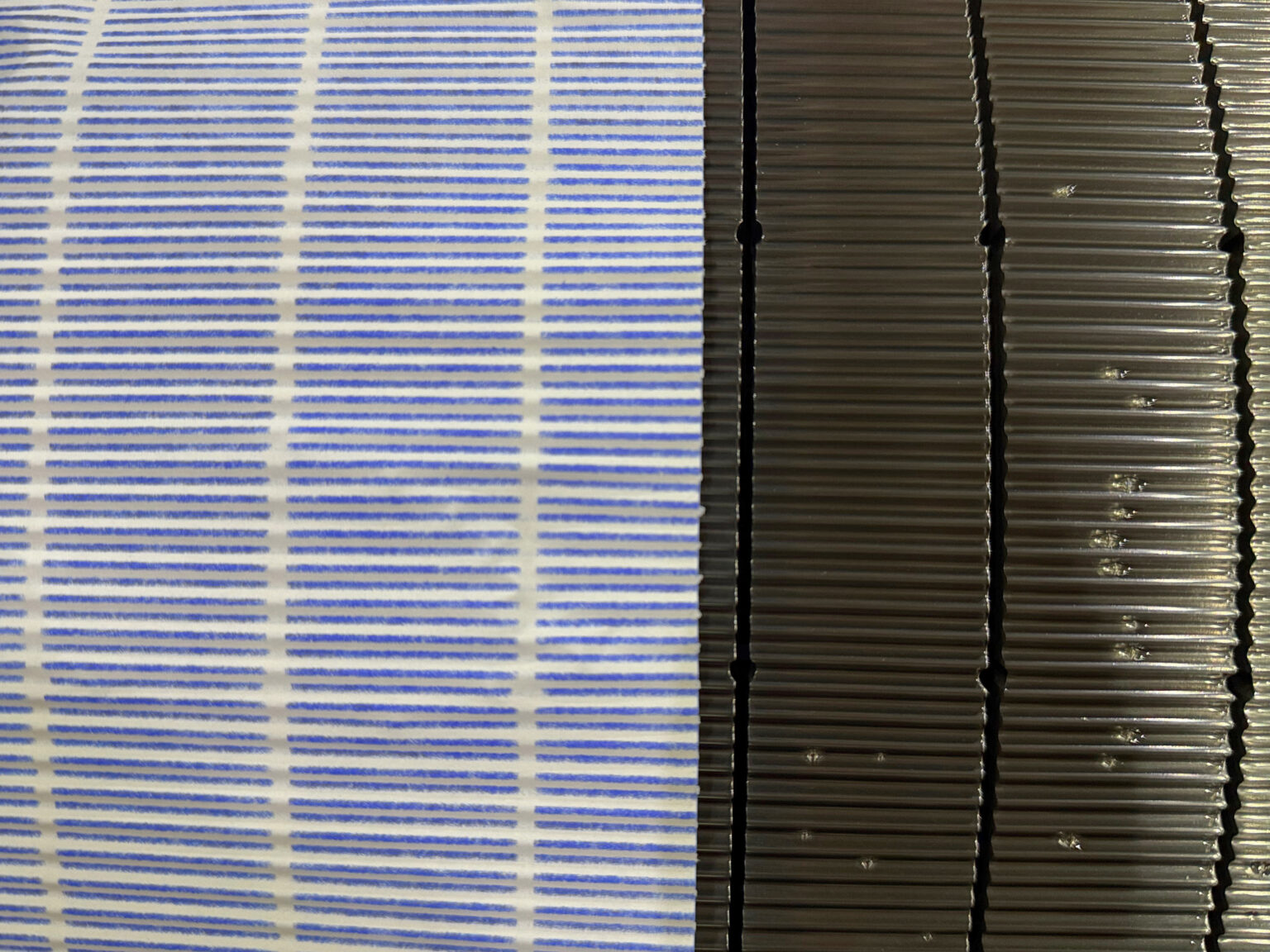
Micro-flutes generally refer to flute profiles with a height below 1.8 mm. Their compact geometry provides a smoother printing surface while reducing overall board thickness.
| Flute Type | Height | Flutes per Meter | Typical Applications |
|---|---|---|---|
| E-flute | 1.0–1.6 mm | ~68–92 | Gift boxes, cosmetics, retail displays |
| F-flute | 0.6–0.9 mm | ~115–145 | Fast-food packaging, pharmaceutical cartons |
| G-flute | 0.5–0.6 mm | ~140–170 | Premium consumer goods, electronics |
| N-flute | 0.4–0.5 mm | ~160–180 | Luxury packaging, high-end retail products |
Compared with traditional A-flute (4.5–5.0 mm) or C-flute (3.5–4.0 mm), these profiles are dramatically smaller, creating both new opportunities and new manufacturing challenges.
Why Micro-Flute Packaging Is Growing Rapidly
Superior Printing Quality
Micro-flutes provide a flatter, smoother surface that minimizes the washboard effect commonly seen on larger flute profiles. This allows brands to produce sharp graphics, fine text, and premium shelf-ready packaging without sacrificing the strength of corrugated board.
Material Savings
Because micro-flute board is thinner, it generally requires less fiber per square meter. For lightweight products, switching from B-flute to E-flute or F-flute can reduce material usage while maintaining sufficient structural performance.
Better Shelf Appeal
Micro-flute packaging combines the appearance of folding cartons with the strength of corrugated board. This makes it an increasingly popular choice for cosmetics, consumer electronics, pharmaceuticals, and premium food packaging.
Why Micro-Flute Production Is More Challenging
Producing micro-flute board is considerably more demanding than producing conventional flute profiles.
Much Tighter Tolerances
A typical C-flute roll has a flute pitch of approximately 7.5 mm, while an F-flute roll is closer to 2.8 mm. With much finer geometry, even small machining deviations can lead to poor flute formation and inconsistent board quality.
Higher Precision Requirements
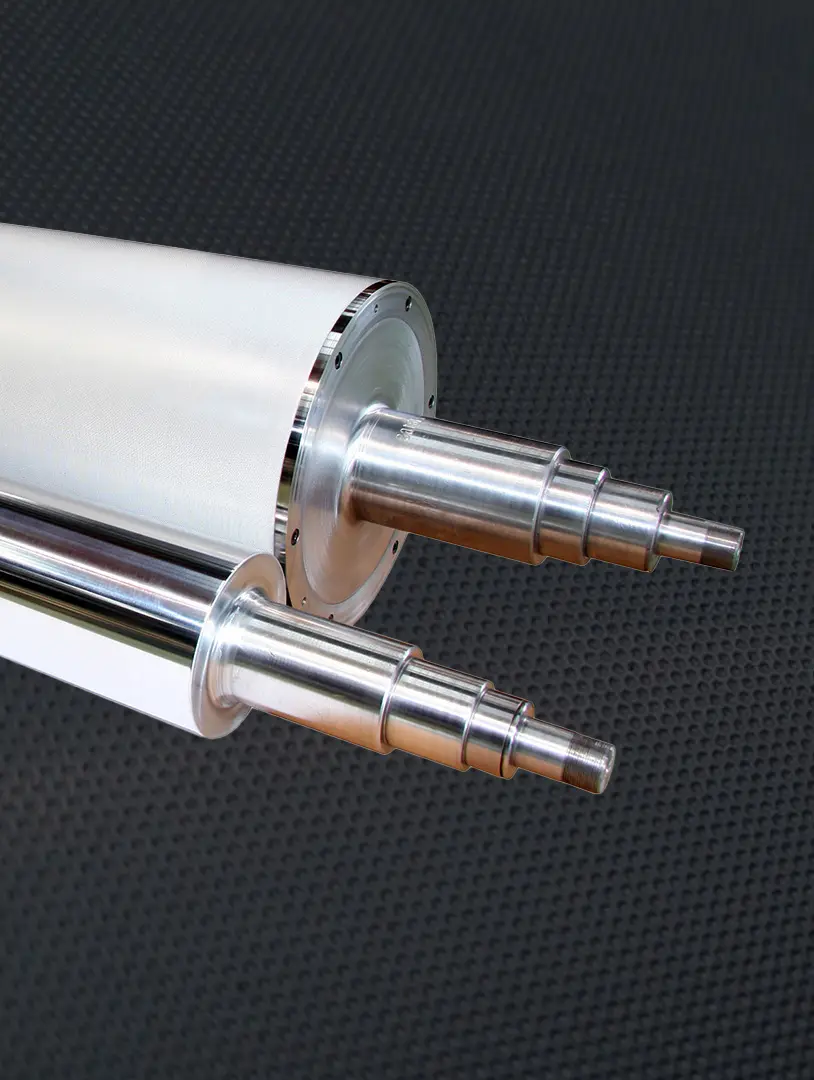
Micro-flute corrugating rolls require extremely accurate control of flute depth, tip radius, sidewall angle, and flute pitch. Deviations of only a few hundredths of a millimeter may result in uneven pressure distribution, unstable flute height, or inconsistent glue transfer.
Paper Alignment Becomes More Critical
Because the flute geometry is much smaller, there is less room for paper deformation during forming. Any slight misalignment between the upper and lower corrugating rolls may cause:
- Flute crushing
- Uneven flute height
- Inconsistent bonding
- Increased board warp
Wear Resistance Matters Even More
Fine flute teeth experience higher localized contact pressure than conventional flute profiles. As a result, tooth wear appears sooner and directly affects flute geometry, making coating durability significantly more important for long-term production stability.
How Corrugating Roll Technology Is Evolving
The rapid growth of micro-flute packaging is driving continuous innovation in corrugating roll technology. Compared with conventional flute profiles, E, F, G, and N flutes require greater precision in roll design, machining, surface performance, and system integration to achieve stable, high-speed production.
Optimized Flute Profile Design
Micro-flute profiles feature lower flute heights, finer pitches, and smaller tip radii, leaving far less room for error during forming. Modern corrugating rolls are designed with optimized flute geometry to reduce forming resistance while maintaining board strength, dimensional accuracy, and consistent flute quality.
Higher Precision and Wear Resistance
Micro-flute production demands extremely accurate machining and stable operating performance. High-quality corrugating rolls typically maintain profile tolerances within ±0.01 mm and run-out below 0.02 mm to ensure precise flute formation. Because even slight wear can alter flute geometry, HVOF-applied tungsten carbide coatings are widely used to provide exceptional wear resistance. For demanding micro-flute applications, tungsten carbide coated rolls can deliver 3–6 times the service life of conventional chrome-plated rolls while maintaining consistent board quality.
Improved Thermal Stability
Consistent heating is essential when forming thinner papers used in micro-flute production. Advanced steam channel designs help distribute heat more evenly across the roll surface while minimizing thermal deformation, ensuring stable flute formation throughout long production runs.
Better System Integration
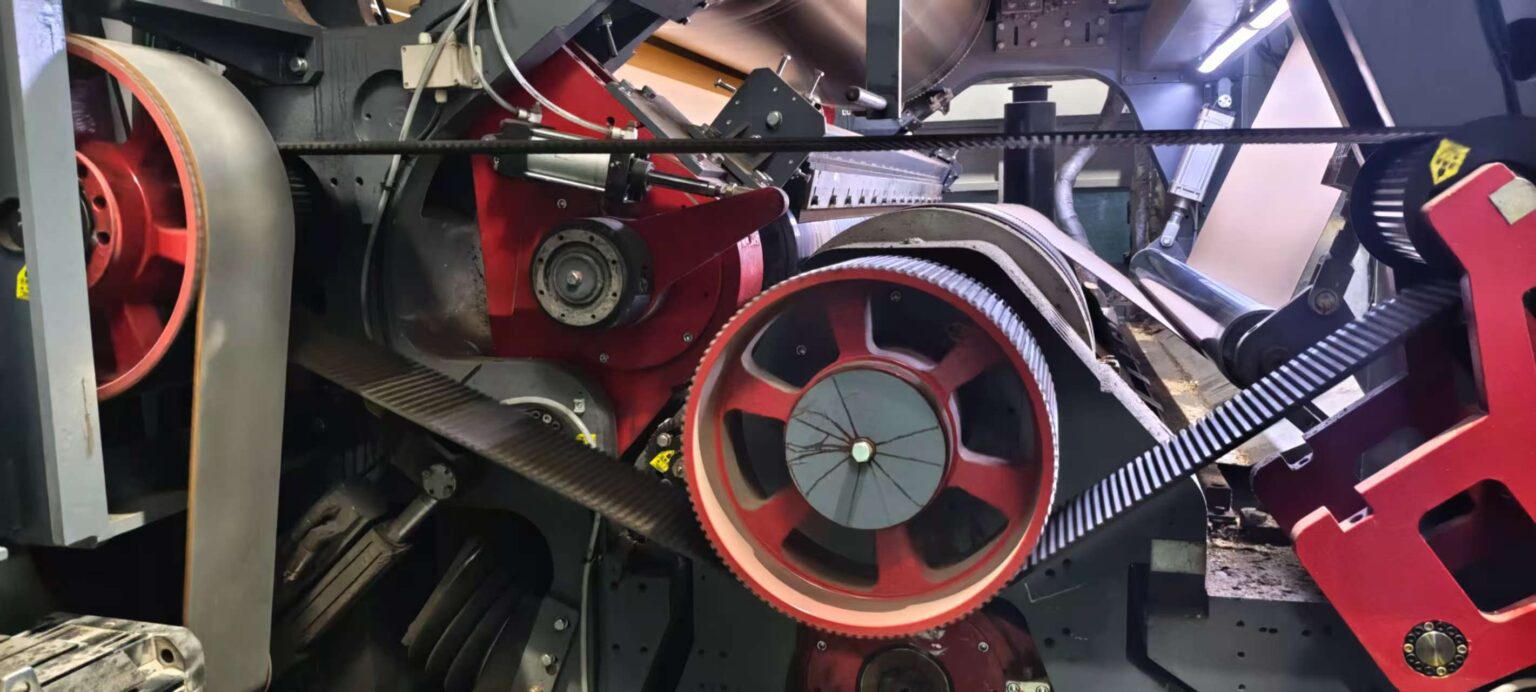
The performance of micro-flute corrugating rolls depends not only on the rolls themselves but also on their integration with the single facer. Optimized vacuum guidance, precise pressure control, and accurate glue application work together with the corrugating rolls to improve production stability, bonding quality, and high-speed operating performance.
To meet the growing demand for micro-flute production, corrugating roll technology continues to advance in several key areas.
Conclusion
Micro-flute packaging has evolved from a niche application into one of the fastest-growing segments of the corrugated packaging industry. As converters pursue higher print quality, lighter packaging, and greater production efficiency, the performance requirements placed on corrugating rolls continue to increase.
Success in micro-flute production depends not only on machine settings but also on the precision, durability, and thermal performance of the corrugating rolls themselves. Investing in high-quality rolls helps manufacturers maintain consistent board quality, reduce maintenance costs, minimize downtime, and remain competitive in an increasingly demanding market.