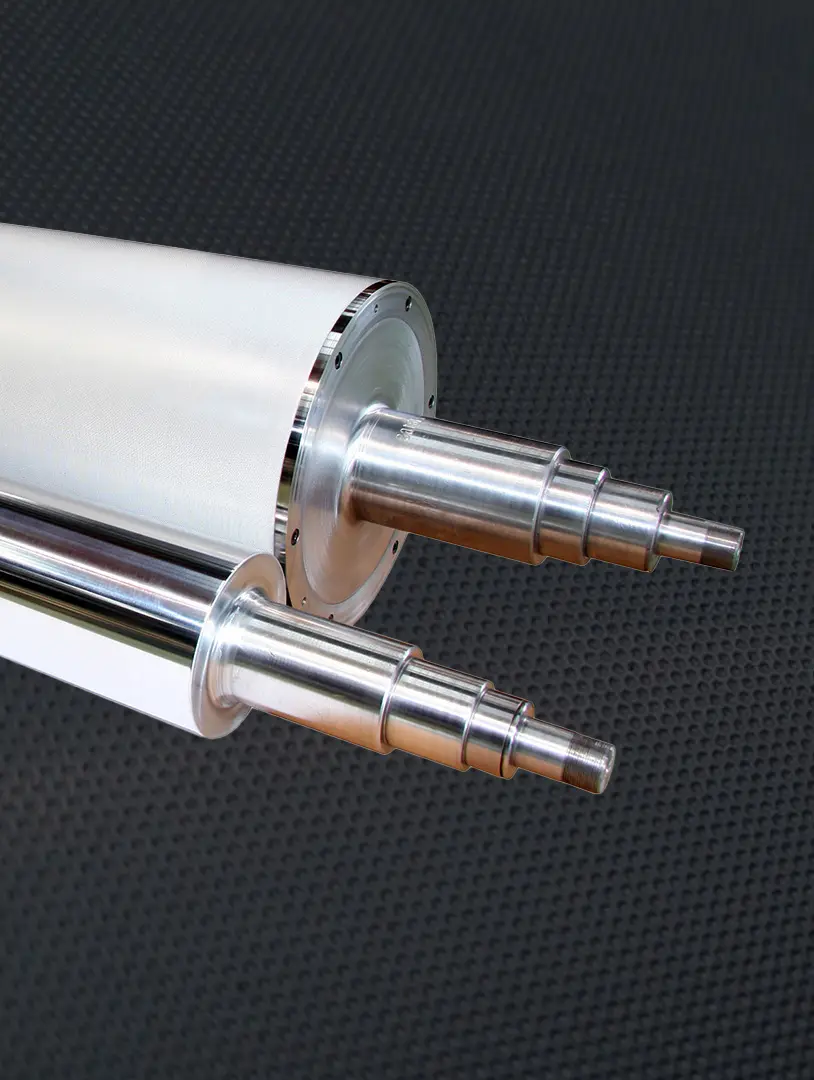
The single facer is the heart of every corrugated board production line, directly influencing board quality, production efficiency, and operating costs. At the center of the single facer are the corrugating rolls, making them one of the most critical components in the entire corrugator.
As manufacturers pursue higher speeds and lower production costs, peripheral heated corrugating rolls are becoming increasingly popular. Compared with traditional siphon-heated rolls, they offer faster heating, more uniform temperatures, and improved production stability.
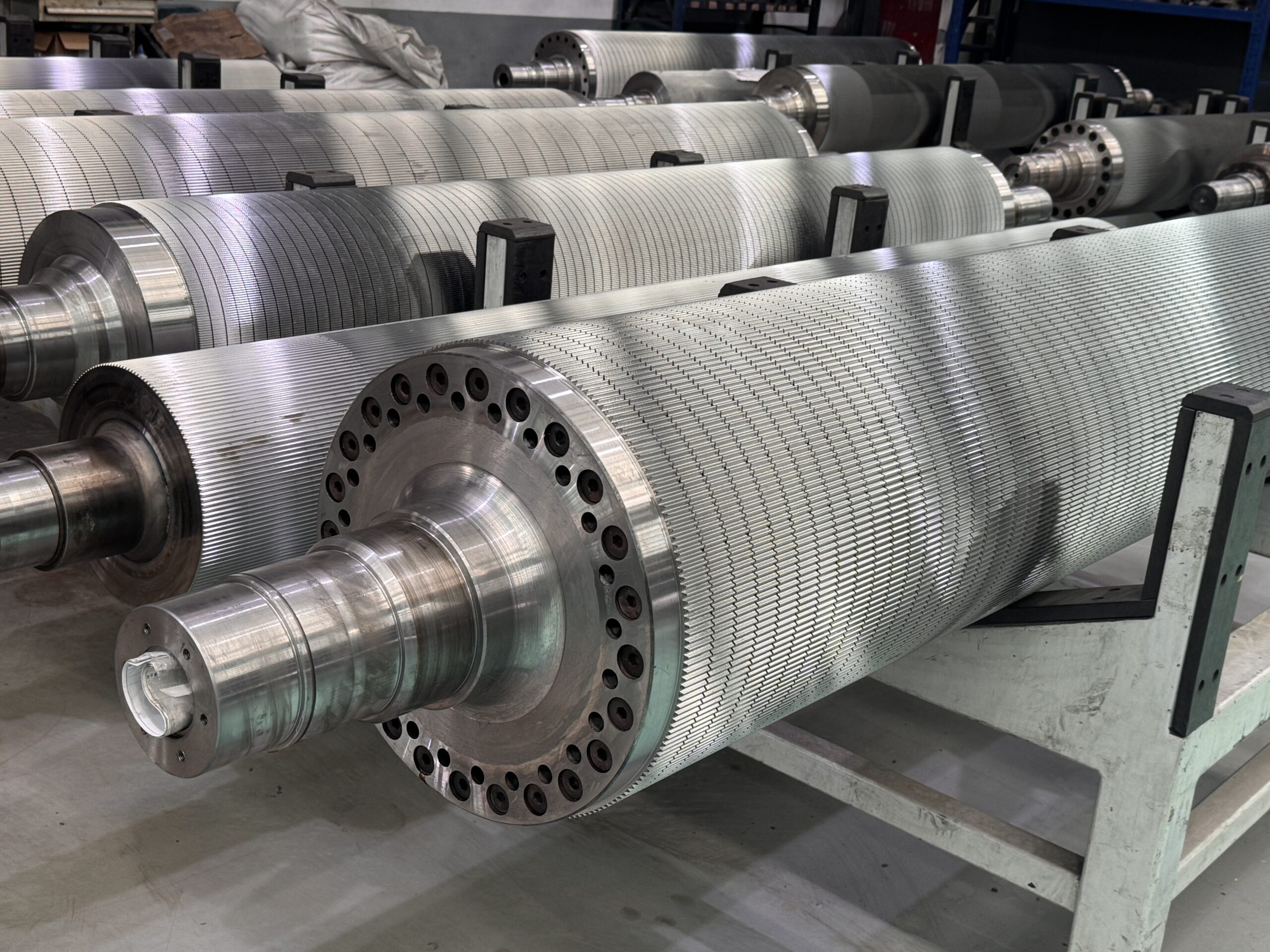
Traditional Heating vs. Peripheral Heating
| Type | Comparison |
|---|---|
| Traditional Heating | Steam heats the entire roll cavity through a siphon system. Condensate can accumulate inside the roll, resulting in long warm-up times and uneven temperature distribution. |
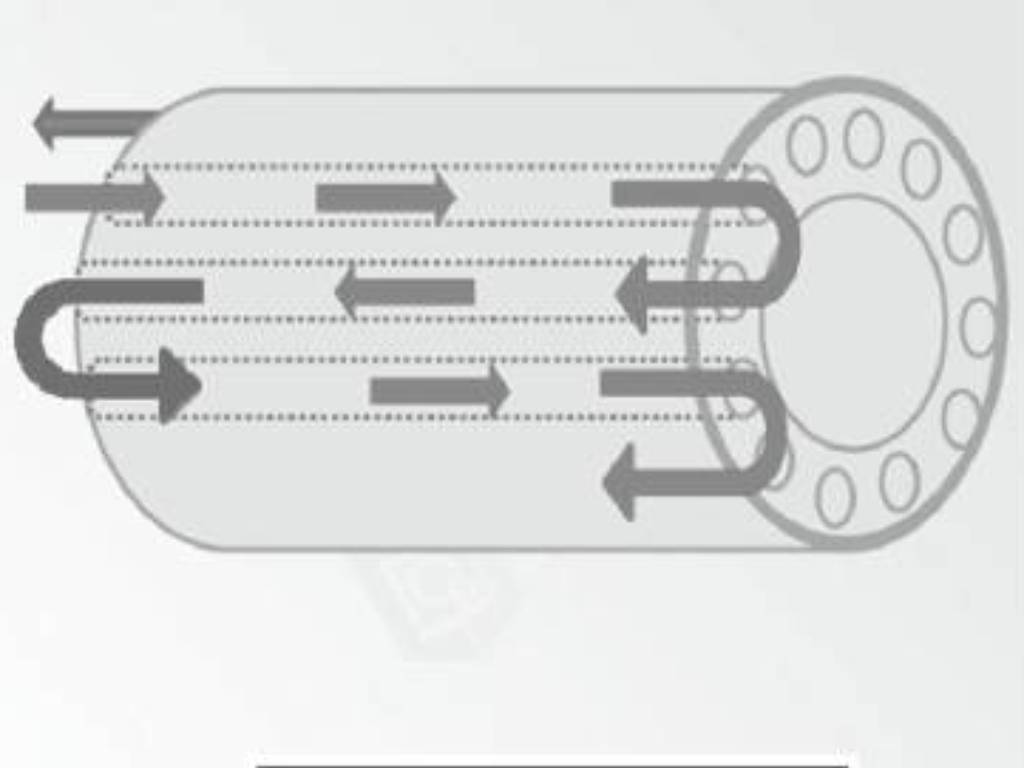
| Peripheral Heating | Steam circulates through heating channels close to the roll surface, continuously removing condensate. This enables faster heating, higher heat-transfer efficiency, and more uniform temperatures for stable production. |
1. Fast Heating with No Thermal Deformation
Traditional corrugating rolls usually require 40–60 minutes to reach operating temperature. During this process, condensate inside the roll can cause uneven heating and thermal deformation, commonly known as the "banana effect." After machine stops, this deformation often leads to additional paper waste during restart.
Peripheral heated corrugating rolls eliminate condensate accumulation by circulating steam near the roll surface. Warm-up time is typically less than 8 minutes, and restart waste can be reduced significantly while maintaining stable flute quality.
2. Faster Heat Compensation and Uniform Temperature
During production, paper continuously absorbs heat from the corrugating roll surface. Traditional heating systems respond slowly because heat must travel through the roll body before reaching the surface.
Peripheral heating places the steam channels much closer to the working surface, allowing rapid heat replenishment and maintaining a uniform roll temperature. Stable heating improves flute formation, starch bonding, and overall corrugated board quality, even during high-speed production.
3. Stable Production and Longer Roll Service Life
As production continues, paper removes heat from the roll surface. If heat cannot be replenished quickly, operators often need to reduce machine speed to prevent poor bonding or incomplete flute formation.
Peripheral heated corrugating rolls provide continuous thermal compensation, helping maintain consistent production speeds and stable board quality.
Another important advantage is reduced roll wear. On wide corrugators producing narrower board widths, uncovered roll sections become hotter than the working area when using conventional heating. The uneven thermal expansion can cause abnormal contact between the upper and lower corrugating rolls, leading to excessive wear on the corrugating rolls, pressure rolls, and glue rolls.
By maintaining a more uniform temperature across the entire roll width, peripheral heating minimizes thermal deformation, reduces abnormal wear, and extends the service life of all related rolls.
Conclusion
Compared with traditional siphon-heated corrugating rolls, peripheral heated corrugating rolls offer three major advantages:
- Fast warm-up with minimal thermal deformation
- Rapid heat compensation for uniform temperature
- Stable high-speed production with longer roll life
For corrugated box manufacturers looking to improve efficiency, reduce waste, and lower maintenance costs, upgrading to peripheral heated corrugating rolls is an effective long-term investment. Many existing conventional corrugating rolls can also be retrofitted with peripheral heating technology, providing a cost-effective upgrade without replacing the entire system.