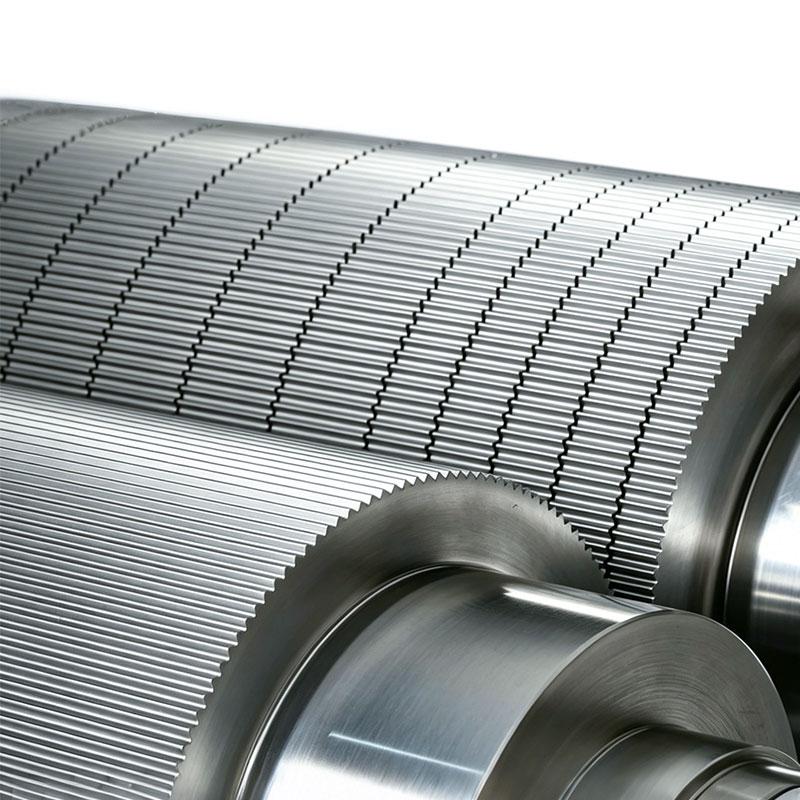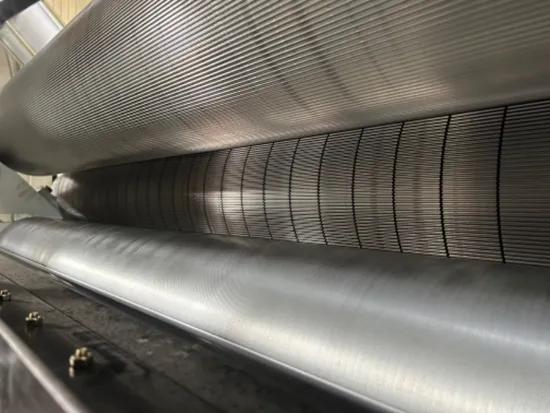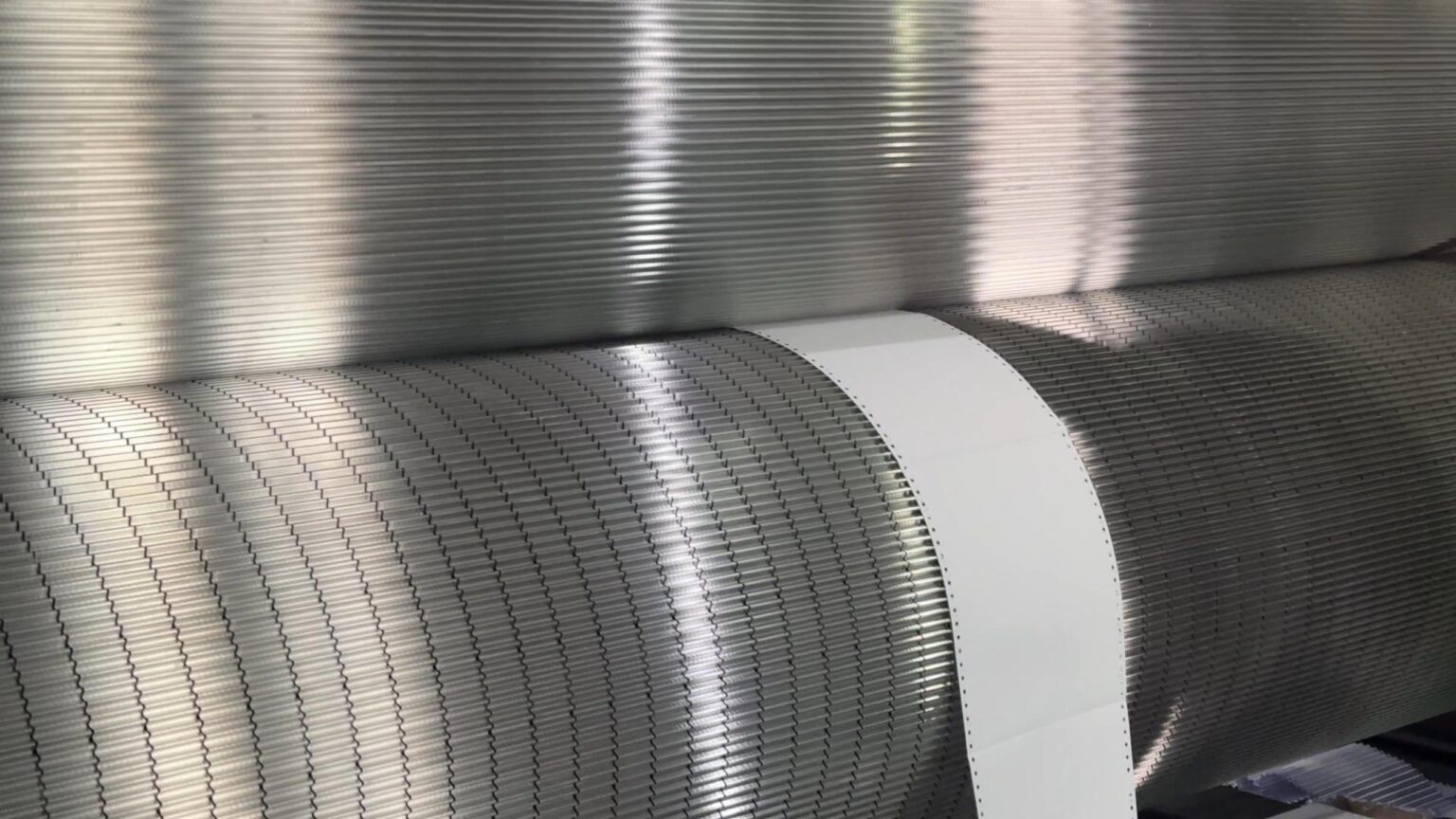
The corrugating roll is the core component of the single facer machine. The surface condition directly determines the thickness, strength and appearance of corrugated board. During long-term production, corrugating rolls suffer various forms of wear. Many board defects originate from damaged roll teeth. Below we sort out six common failure modes of corrugating rolls and relevant repair principles.
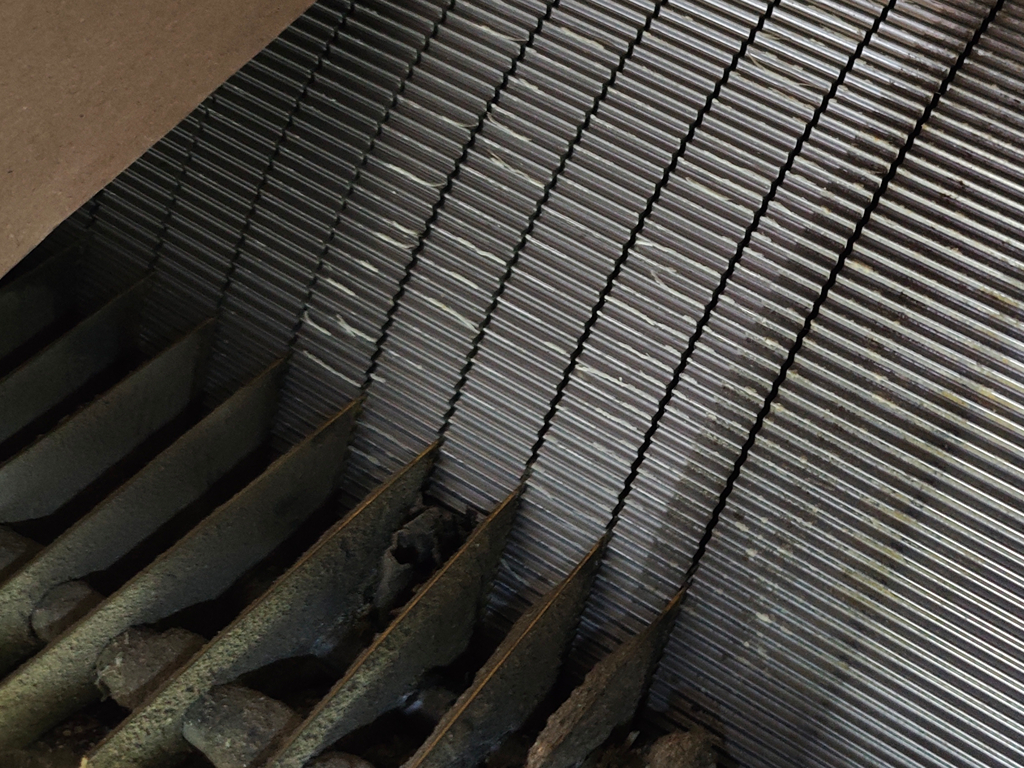
1. Reduced Corrugation Height
Constant pressure is applied between upper corrugating roll and pressure roll, with linear pressure normally above 5–10 kg/cm. Long-term pressure concentrates on the crests of UV-type corrugations. The corrugating medium rubs continuously against crests during forming, causing rapid wear of tooth/crest tips. When corrugation height falls below the minimum standard limit, direct consequences: insufficient board thickness, soft board and sharp drop of ring crush strength.
2. Flat Crest
Under three-roll pressing condition, the pressure roll continuously squeezes the lower corrugating roll, flattening the sharp crests into flat tops. Flat crests trigger a chain of problems: larger contact area increases glue consumption and slows gelatinization. To guarantee bonding quality, production speed has to be reduced, lowering the overall line capacity.
3. Tilted Teeth
The upper corrugating roll is driven by meshing teeth of the lower corrugating roll. The circumferential force acts on teeth in a fixed direction. Insufficient surface hardness of teeth will cause plastic deformation, making corrugation teeth lean to one side. The finished corrugated board also tilts, reducing compression resistance and causing obvious visual defects.
4. Pitting
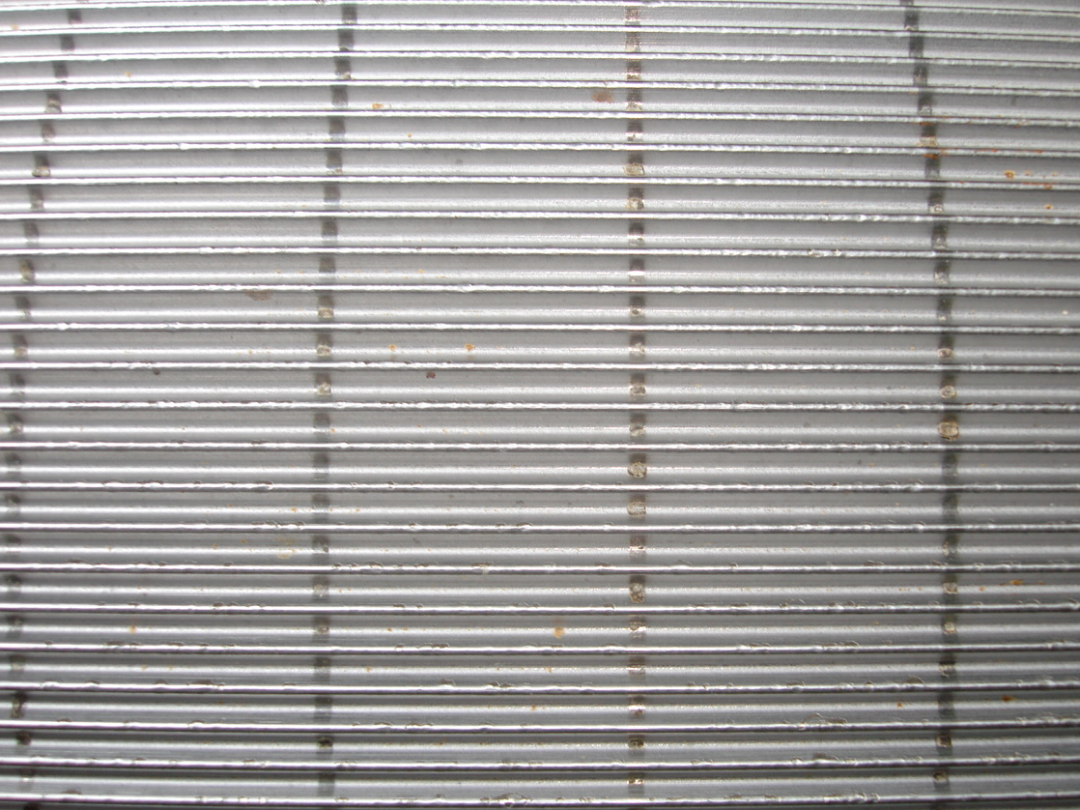
Fierce price competition in carton industry forces many mills to use low-cost, poor-quality corrugating medium. Such paper has high sand content due to inadequate sand removal. During corrugation forming, sand particles slide between paper and roll teeth, acting like an abrasive belt grinding the roll surface. Wear rate multiplies, forming dense pits on tooth surface, severely worsening surface roughness and accelerating paper abrasion.
5. Broken Corrugation Teeth
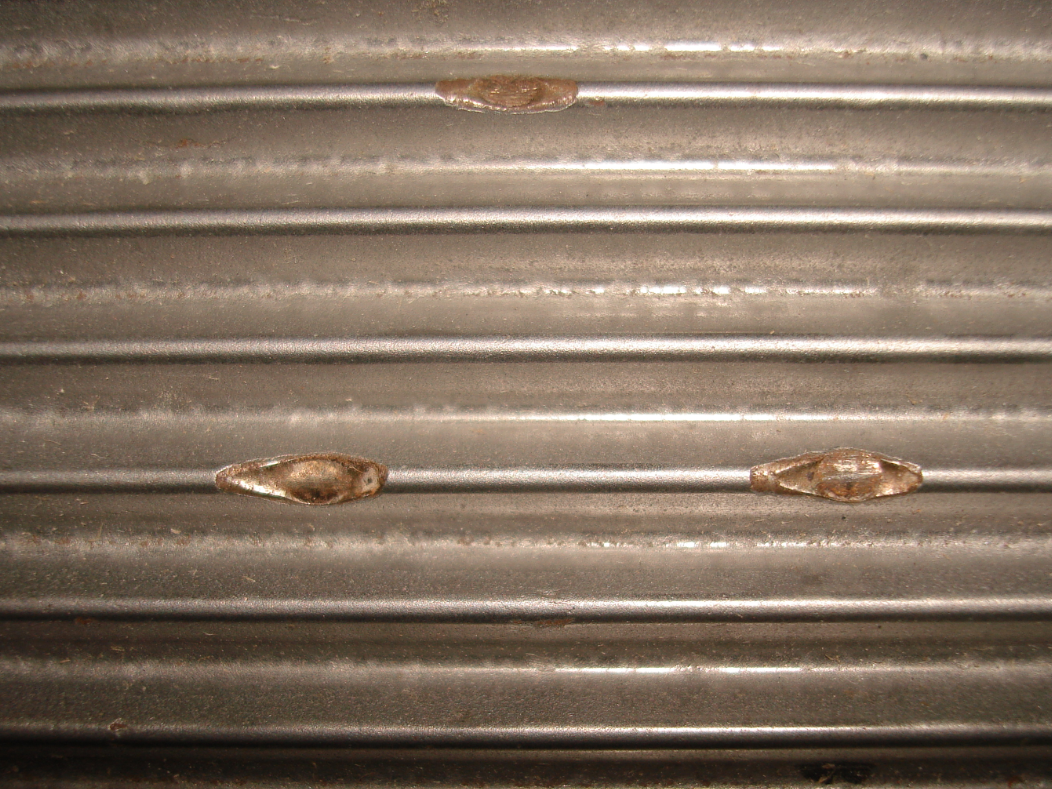
Two root causes:
- Operational error: Metal foreign objects such as screws or wrenches accidentally fall between upper and lower corrugating rolls, impacting and chipping the teeth.
- Material & adjustment issues: Improper heat treatment makes teeth overly brittle; incorrect machine settings may lead to massive tooth fracture. Fine flutes (E/F flute) are more vulnerable.
6. Geometric Deviation (Invisible to Naked Eyes, Highly Concealed)
- Long-run production with narrow-width paper leads to uneven wear only on the middle section of roll barrel, forming a middle concave shape.
- Narrow paper running constantly on one side of the roll creates taper on barrel.
- Poor parallel alignment between upper & lower corrugating rolls causes tilted or twisted teeth after long operation.
Additional precision errors include out-of-tolerance ovality and runout. Hard to detect visually, these defects result in uneven board thickness and poor corrugation forming.
Key Points for Corrugating Roll Repair
All six wear defects above can be eliminated via grinding, restoring roll dimensional accuracy and surface roughness to factory standards. After grinding, surface hardening treatment must be re-applied to guarantee service life of repaired rolls.
⚠️ Important limitation: A corrugating roll can be repaired for maximum 2–4 times
- Each grinding reduces roll diameter by approx. 1 mm.
- Diameter reduction cuts roll circumference by approx. 3.14 mm, changing tooth pitch and flute angle. With unchanged transmission ratio, lower corrugating roll and pressure roll run out of sync, causing board wrinkling.
Important note: When repairing corrugating rolls, it is recommended to repair pressure rolls at the same time to ensure matching of roll set.
✅ Summary: Once the above wear symptoms occur, corrugating rolls must be repaired or replaced timely to avoid continuous production of defective boards and waste of base paper & energy.
As the heart of corrugator line, regular inspection plus periodic regrinding stabilizes board quality and extends roll service life. Industry peers are welcome to share corrugating roll maintenance experience in comments.