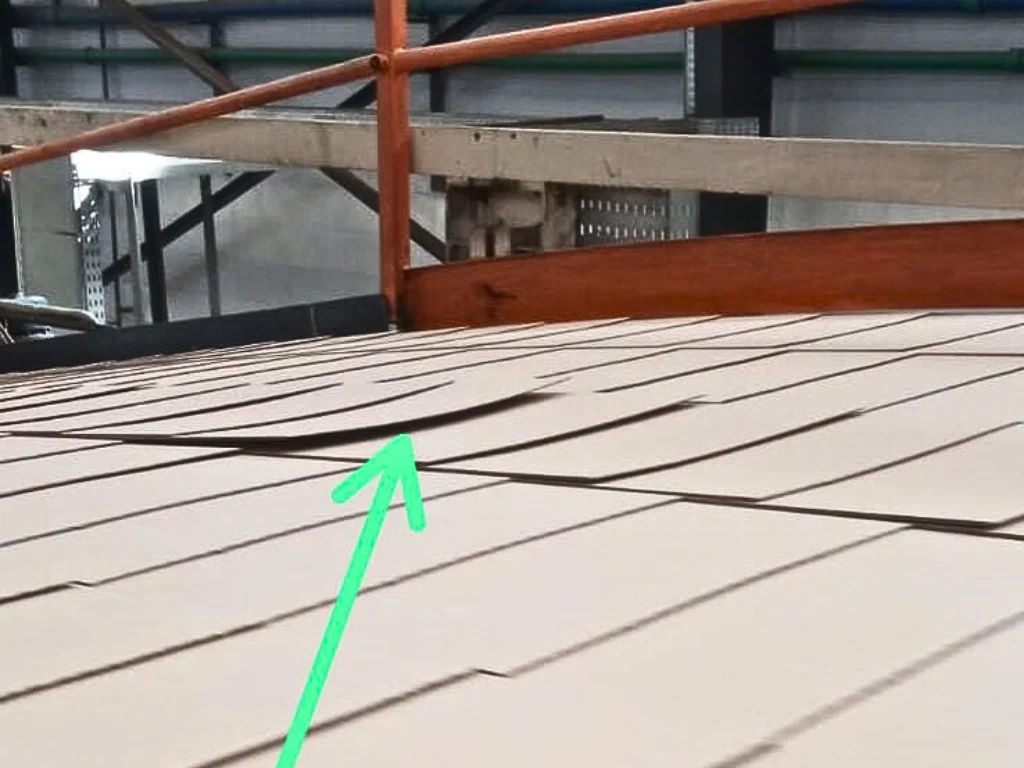
Soft corrugated board directly affects stacking strength and transportation safety and is a common quality issue in production. In most cases, it results from combined imbalances across multiple process parameters rather than a single cause.
1. Temperature Control
Flute formation depends on stable temperature conditions. Insufficient temperature leads to incomplete or irregular flute profiles, while excessive temperature causes moisture imbalance. Both conditions directly result in soft corrugated board.
2. Tension Control
Web tension refers to the longitudinal force applied to the paper. If tension is uneven, internal stress builds up in the board, causing inconsistent flute formation and stiffness at both edges. This imbalance directly reduces board strength and leads to softness.
3. Glue Application Control
Glue application refers to the amount of adhesive applied to the corrugated board. Excessive glue introduces too much moisture, causing the board to absorb water and rehumidify, which results in soft board.
4. Machine Speed Control
When machine speed is too low, the board becomes over-dried and brittle; when speed is too high, moisture remains and heat transfer is insufficient. Both conditions can lead to soft corrugated board.
5. Roller Gap Control
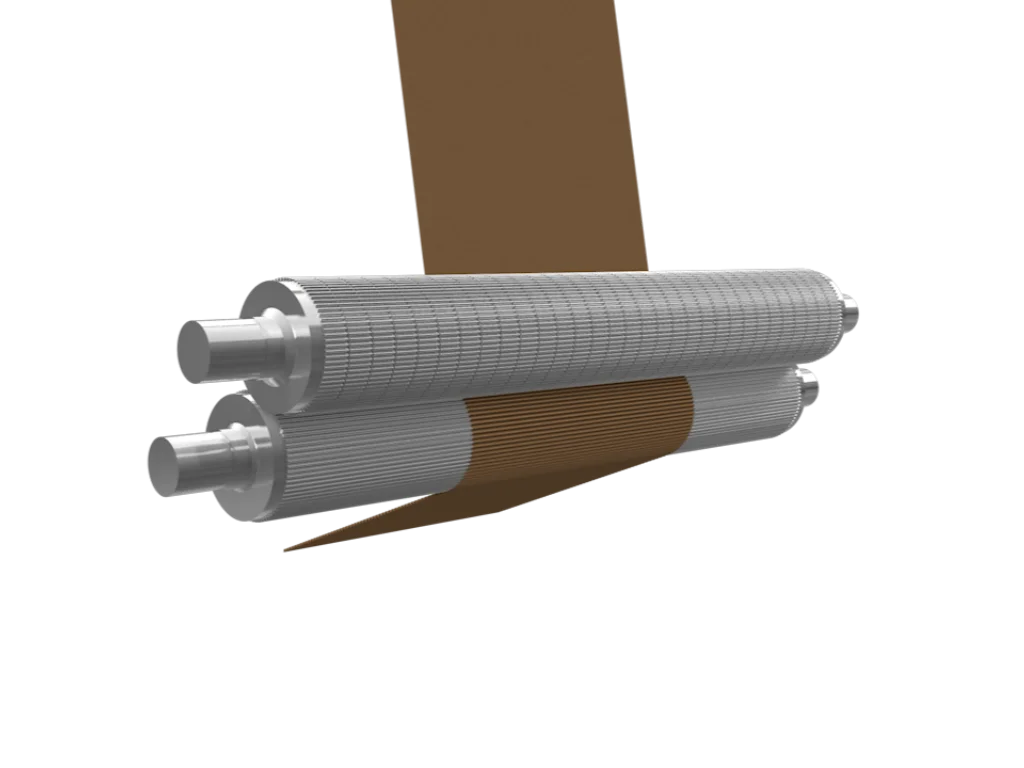
The commonly referred “five core rolls” include the upper corrugating roll, lower corrugating roll, pressure roll, glue roll, and doctor roll. A clearance of at least one sheet thickness must be maintained between these rolls. Direct contact can cause surface damage, irregular flute formation, high–low flutes, or flute jumping, all of which contribute to soft board.
6. Operating Pressure Control
Uneven pressure across the paper width can result in differences in formation and thickness. In particular, excessive pressure from the pressure roll—used to bond the corrugated medium to the liner—can damage paper fibers and reduce bursting strength.
System Control Is the Key
Soft corrugated board should be addressed through coordinated control of temperature, tension, glue application, machine speed, roller gaps, and operating pressure. Only by optimizing the entire production process as a system can manufacturers consistently produce corrugated board with reliable stiffness and strength.