In modern corrugated board production, corrugating roll precision plays a critical role in determining board quality, production stability, and operating efficiency. As the core components responsible for forming the flute profile, even small deviations in flute geometry, roll alignment, or runout can affect board strength, bonding, appearance, and consistency.
The Role of Precision in Corrugating Roll Performance
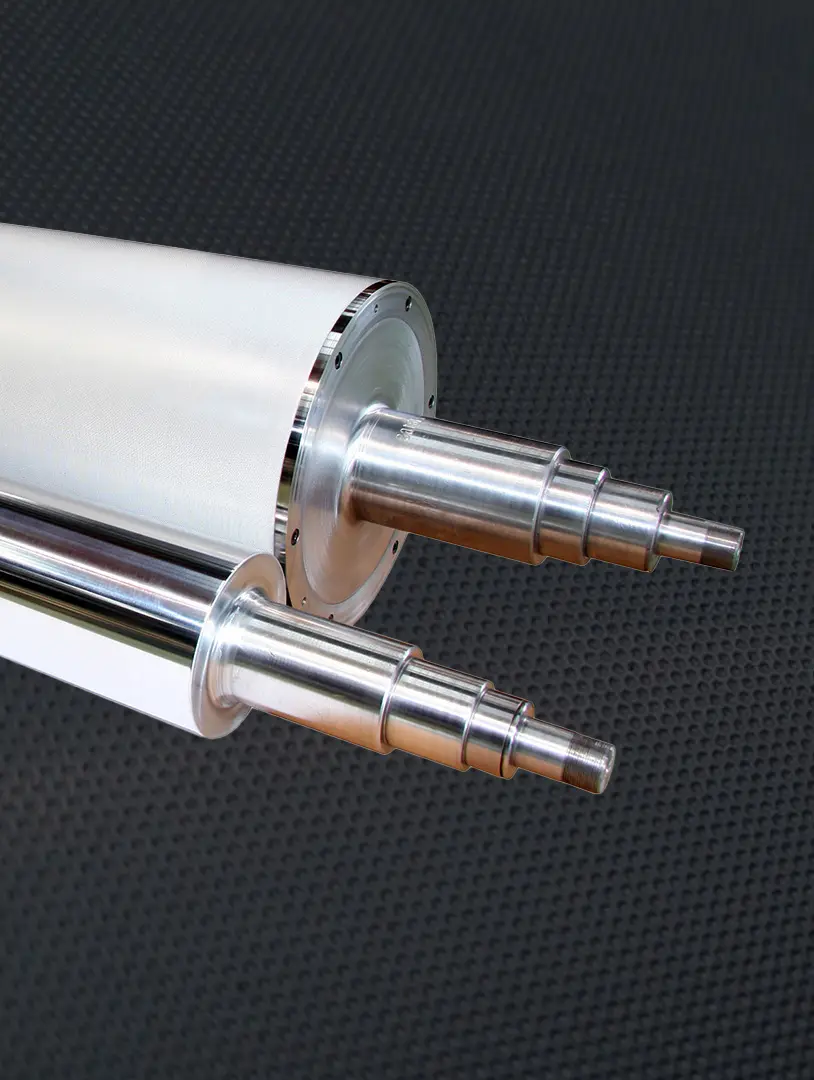
A corrugating roll transfers its precisely machined flute profile to the corrugated medium. The accuracy of the roll directly influences:
- Flute height and pitch
- Board thickness
- Edge Crush Test (ECT)
- Flat Crush Test (FCT)
- Surface appearance
- Production consistency
When flute dimensions are inconsistent, defects such as crushed flute, low-high flute, and uneven board formation may occur. Maintaining accurate flute geometry is therefore essential for stable corrugated board quality.
Flute Geometry and Board Formation
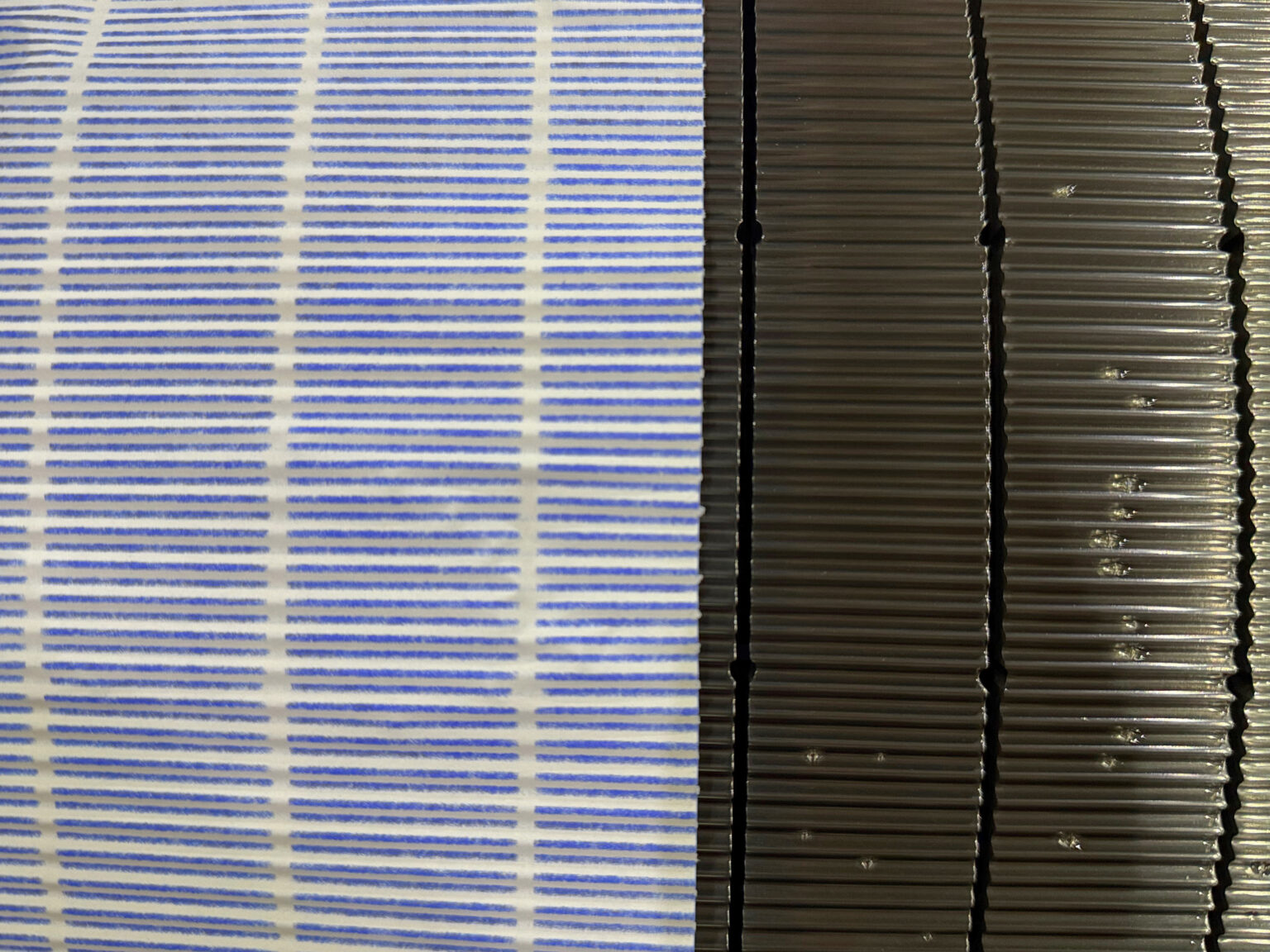
The flute profile is the foundation of corrugated board structure. Accurate control of flute height, pitch, tip radius, and profile geometry helps ensure uniform forming across the full roll width.
If the flute profile is worn or inaccurately machined, forming pressure may become uneven. This can result in incomplete flute formation, board deformation, or local crushing, directly affecting board thickness and mechanical strength.
For different paper grades and production requirements, the corrugating roll profile must also be properly selected and precisely manufactured.
Roll Precision and Bonding Performance
Corrugating roll precision also affects the bonding process.
The nip gap and alignment between the corrugating rolls determine how the medium is formed and how consistently the flute tips contact the liner during adhesive application and bonding.
An excessively small gap may damage the medium, while an excessive gap can result in incomplete flute formation. Uneven clearance across the roll width may further contribute to inconsistent adhesive contact, weak bonding, or local delamination.
Running Stability and Roll Runout
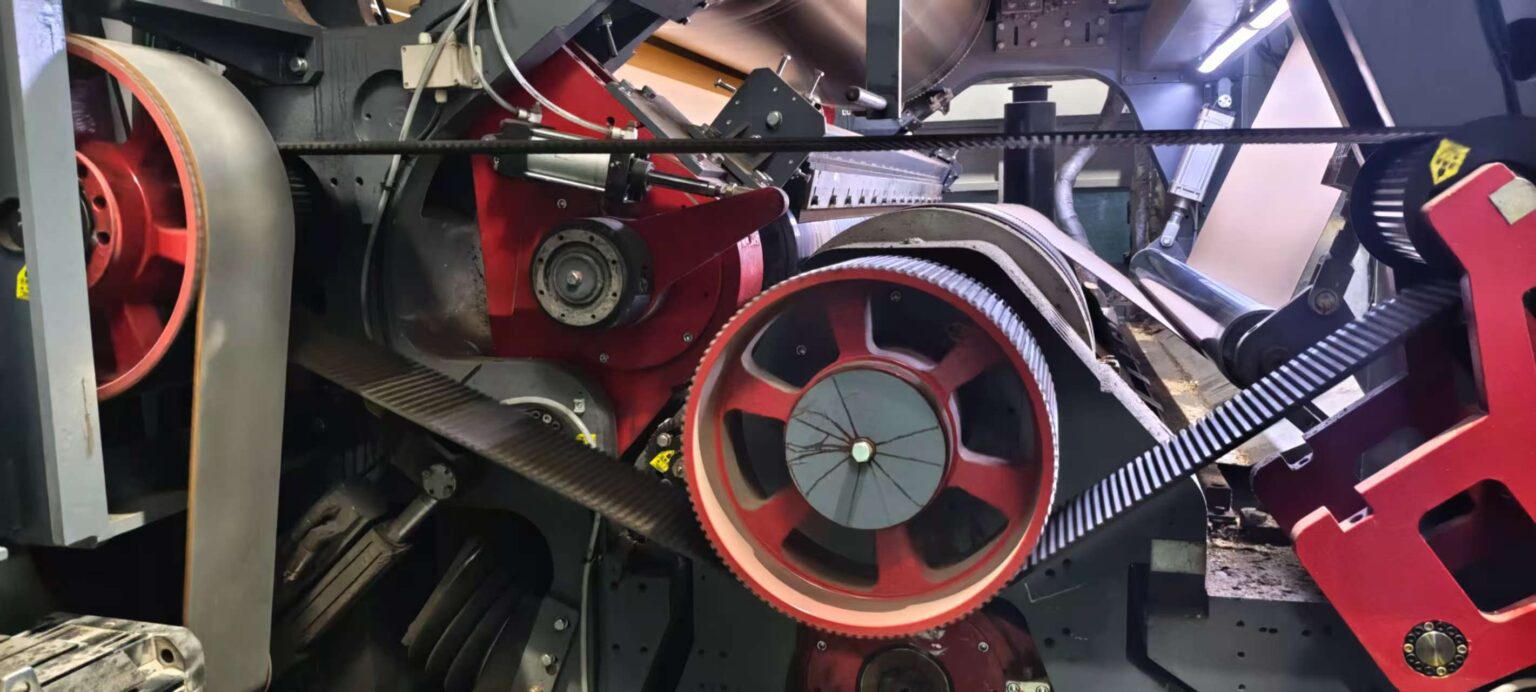
High-speed corrugator lines require excellent roll running stability.
Dynamic balance, concentricity, and runout control are important factors in maintaining stable operation. Excessive runout or vibration can cause uneven flute formation, board warping, and inconsistent production quality.
Stable roll operation also helps reduce mechanical vibration and unnecessary wear, supporting longer service life and more consistent production.
The Impact of Wear on Board Quality
Corrugating rolls gradually wear during continuous production. As flute tips become worn or the roll surface develops uneven wear, the original flute geometry can change.
This may lead to:
- Reduced board thickness
- Uneven flute formation
- Lower mechanical strength
- Inconsistent adhesive transfer
- Increased production waste
Regular inspection and timely corrugating roll maintenance or refurbishment can help maintain roll accuracy and extend usable service life.
Precision Manufacturing at RMM
As a professional corrugating roll manufacturer, RMM focuses on precision machining, accurate flute profiles, surface treatment, and quality inspection throughout the manufacturing process.
By controlling key parameters such as flute geometry, concentricity, runout, and surface condition, RMM corrugating rolls are designed to support stable flute formation and consistent corrugated board production.
Conclusion
Corrugating roll precision is not simply a machining specification—it is a key factor in corrugated board quality, bonding performance, production stability, and operating efficiency.
For modern high-speed corrugator lines, maintaining accurate flute geometry and stable roll performance can help manufacturers reduce quality defects, control production waste, and achieve more consistent board performance.