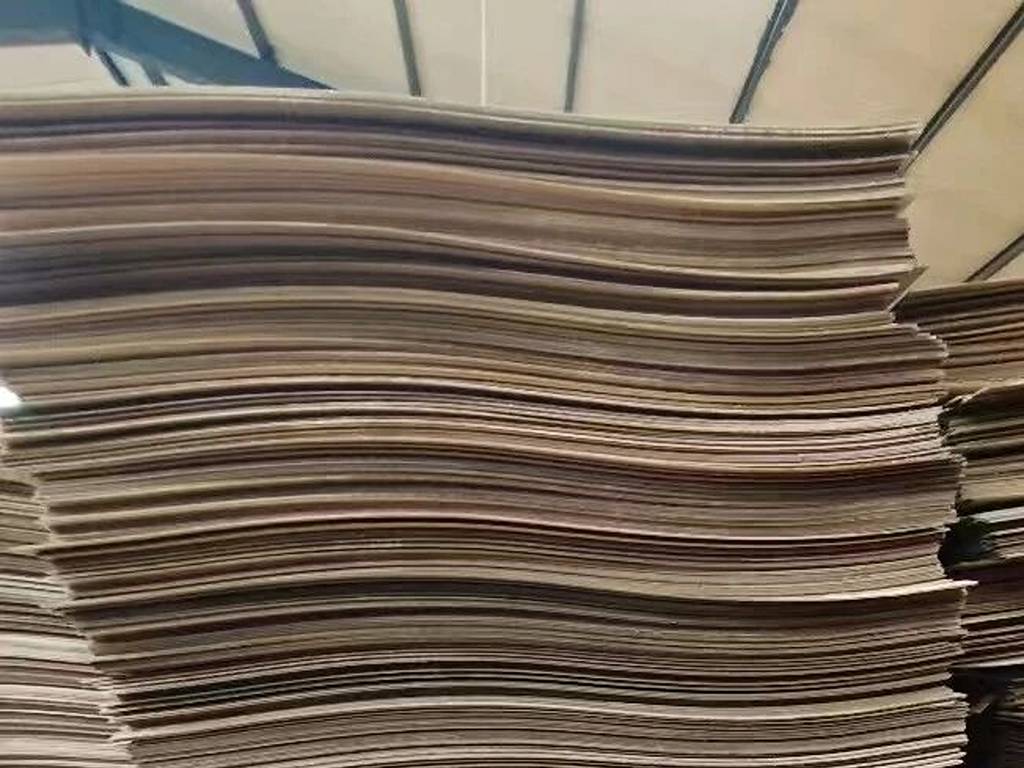
Warped corrugated board is one of the most common quality issues in corrugated board production. When finished boards begin to curl or bend, many operators immediately suspect the adhesive. In reality, adhesive is often blamed for problems that originate elsewhere.
Most board warp issues are caused by moisture imbalance, uneven adhesive application, incorrect web tension, or improper machine settings. Understanding the type of warp is the first step toward solving the problem quickly and reducing unnecessary downtime.
Identify the Type of Board Warp First
Different warp patterns usually indicate different production issues. Before adjusting process parameters, identify the direction of the warp.
| Warp Type | Primary Cause |
|---|---|
| Cross-Direction Up Warp | Linerboard moisture is too high or significantly higher than the corrugating medium (most common) |
| Cross-Direction Down Warp | Corrugating medium moisture is too high, or heating temperature is insufficient for the current machine speed |
| Machine-Direction Warp | Uneven web tension between linerboard and medium causes stress to be released after bonding |
| S-Shaped Warp | Uneven moisture distribution across the board width or fluctuating web tension, often mistaken for adhesive application issues |
Different warp types require different corrective actions. Identifying the correct warp pattern can significantly improve troubleshooting efficiency.
Moisture Imbalance Is the Leading Cause
The most common cause of corrugated board warp is the moisture difference between the linerboard and corrugating medium.
During the heating and drying process, paper with higher moisture content shrinks more than drier paper. Because all paper layers are bonded together, the unequal shrinkage causes the board to bend toward one side.
Even a 1% change in paper moisture can noticeably affect board dimensions. During production, moisture variations may become much larger, making moisture control one of the most critical factors in maintaining flat corrugated board.
Inspection Checklist
- Measure the moisture content of both linerboard and corrugating medium.
- Maintain paper moisture between 6% and 10% whenever possible.
- Keep the moisture difference between paper layers below 1.5%.
- Check warehouse conditions to prevent excessive moisture absorption before production.
Recommended Actions
- Allow paper rolls to acclimate to the production environment before use.
- Protect paper from humidity during storage and transportation.
- Minimize exposure time after unwrapping paper rolls.
- Work with paper suppliers to maintain consistent moisture specifications.
Check Adhesive Application
Once paper moisture has been verified, the next step is to inspect adhesive application.
Excessive adhesive increases local moisture and slows drying, while insufficient adhesive reduces bonding strength. Uneven adhesive distribution can also create localized warping that is difficult to detect visually.
Inspection Checklist
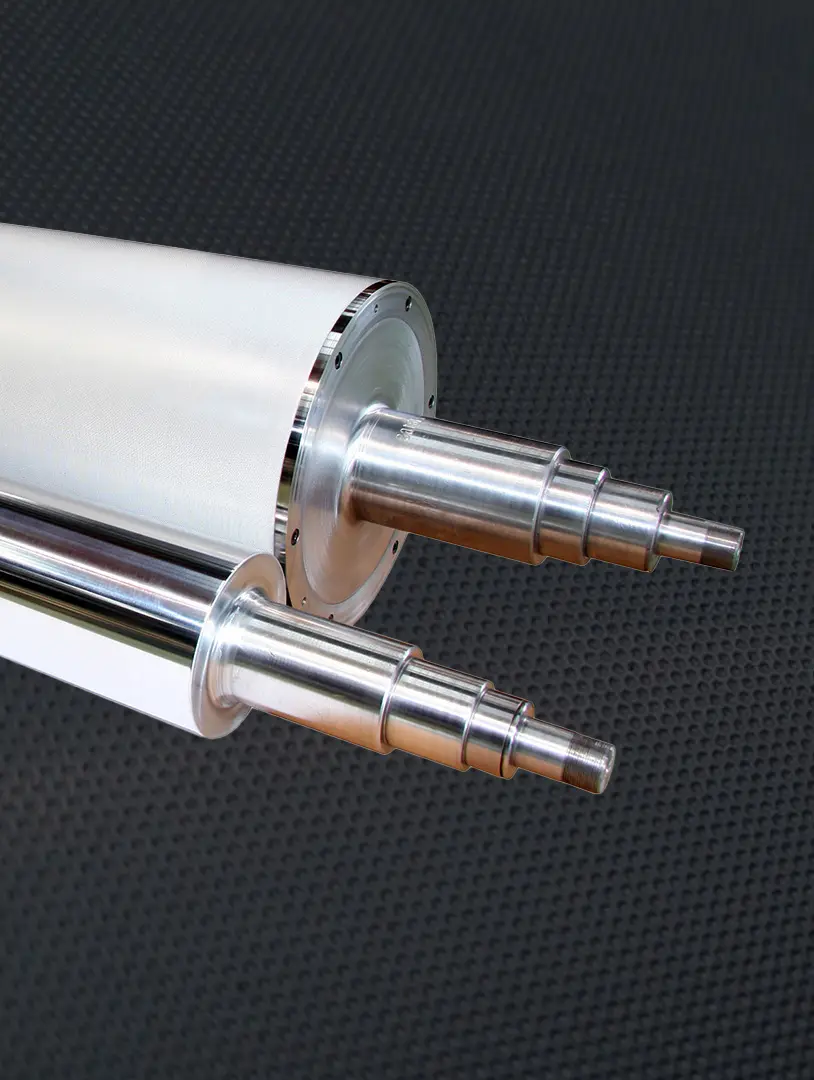
- Verify that adhesive is evenly distributed across the entire glue roll.
- Check adhesive viscosity.
- Inspect glue roll wear.
- Measure and adjust the glue gap according to the flute profile being produced.
Proper glue roll maintenance and accurate gap adjustment help ensure consistent adhesive transfer and stable board quality.
Match Web Tension with Machine Speed
Machine-direction warp is often caused by differences in web tension.
If the linerboard and corrugating medium are under different tension before bonding, the stored stress is released after lamination, causing the finished board to bend.
Machine speed also affects moisture removal.
- Excessive speed reduces drying time, leaving internal moisture trapped inside the board.
- Slow production may overdry one paper layer while the opposite side retains more moisture, creating uneven shrinkage.
Maintaining the correct balance between machine speed, steam pressure, and hot plate temperature is essential for stable production.
Follow a Systematic Troubleshooting Process
Instead of changing the adhesive immediately, troubleshoot the production line in the following order:
- Measure paper moisture content.
- Inspect paper storage conditions.
- Check adhesive application consistency.
- Inspect glue roll condition and gap settings.
- Verify web tension balance.
- Adjust machine speed, steam pressure, and heating temperature.
Following this sequence allows operators to eliminate the most common causes before investigating more complex equipment issues.
When the Problem Persists
If board warp continues after these adjustments, the issue may involve multiple factors simultaneously.
Possible causes include:
- Uneven hot plate temperature distribution
- Worn glue roll bearings causing inconsistent adhesive application
- Incorrect machine alignment
- Changes in paper grade without corresponding process adjustments
A comprehensive inspection of the corrugator can help identify hidden mechanical or process-related problems before they affect production efficiency.
Conclusion
Corrugated board warp is rarely caused by adhesive alone. In most cases, it results from a combination of paper moisture imbalance, adhesive application, web tension, machine speed, and heating conditions.
By identifying the warp type first and following a structured troubleshooting process, corrugated manufacturers can reduce waste, improve board quality, increase machine efficiency, and minimize unnecessary production interruptions.
Consistent process control and preventive maintenance remain the most effective ways to produce flat, high-quality corrugated board.