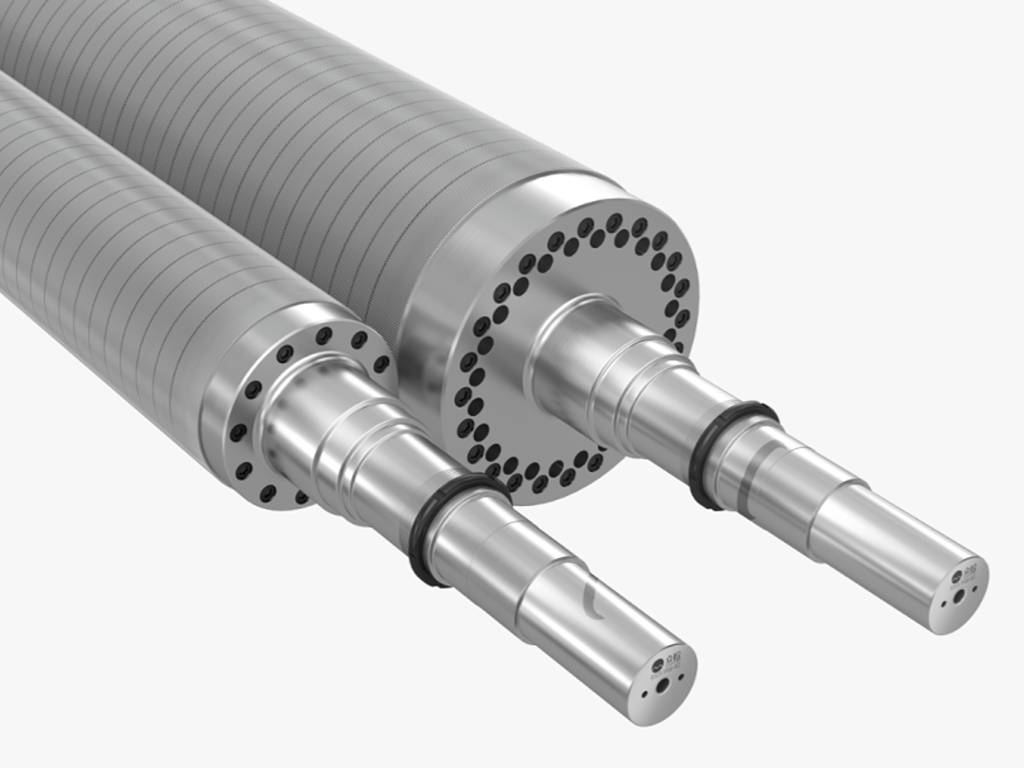
Are your corrugated boards failing quality checks? Poor adhesion and inconsistent flute profiles might be the problem. Your corrugating rolls could be the hidden cause, costing you money.
You should consider consider evaluating corrugating rolls for replacement when they show significant wear, such as flute height loss or surface damage. Other signs include reaching a production threshold, experiencing functional failures like vibration, or when you need to switch to a different flute profile for new orders.
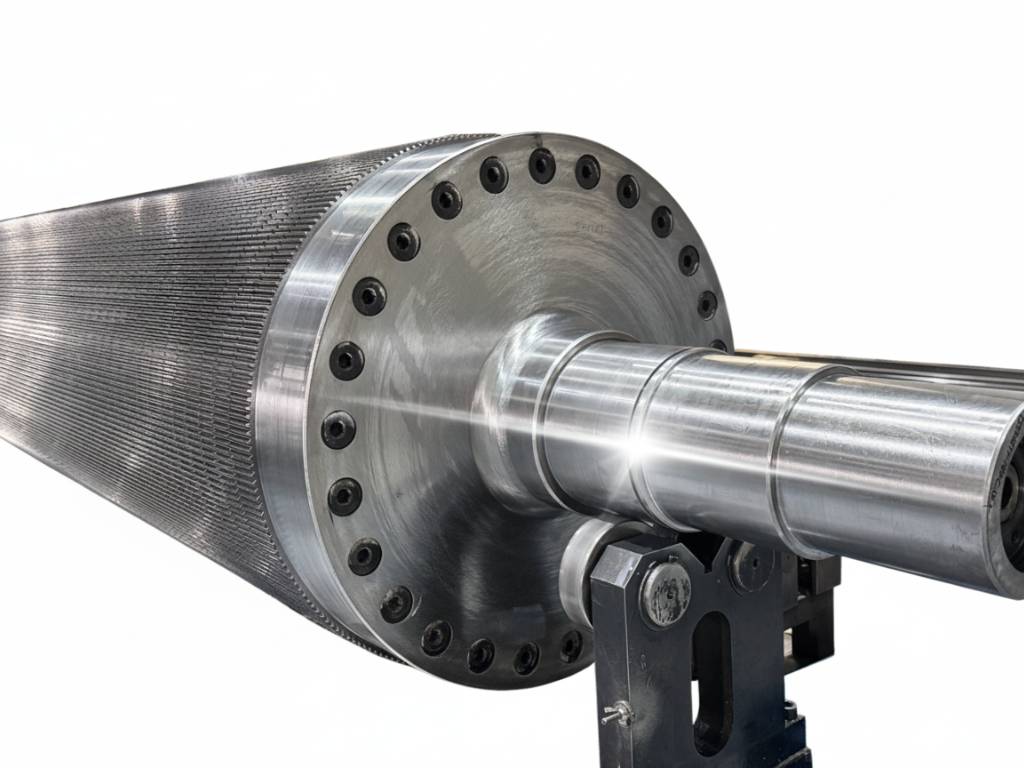
Knowing the right time to replace your rolls is key to maintaining production quality and efficiency. It's not just about waiting for a complete breakdown. Let's look at the specific signs that tell you it's time for a change. These indicators are based on our long-term industry experience, and they can save you a lot of headaches.
Has Wear and Tear Reached Its Limit?
Noticing a drop in your board quality? Worn-out rolls can cause deformed flutes and weak bonding. This directly impacts your final product and can lead to customer complaints.
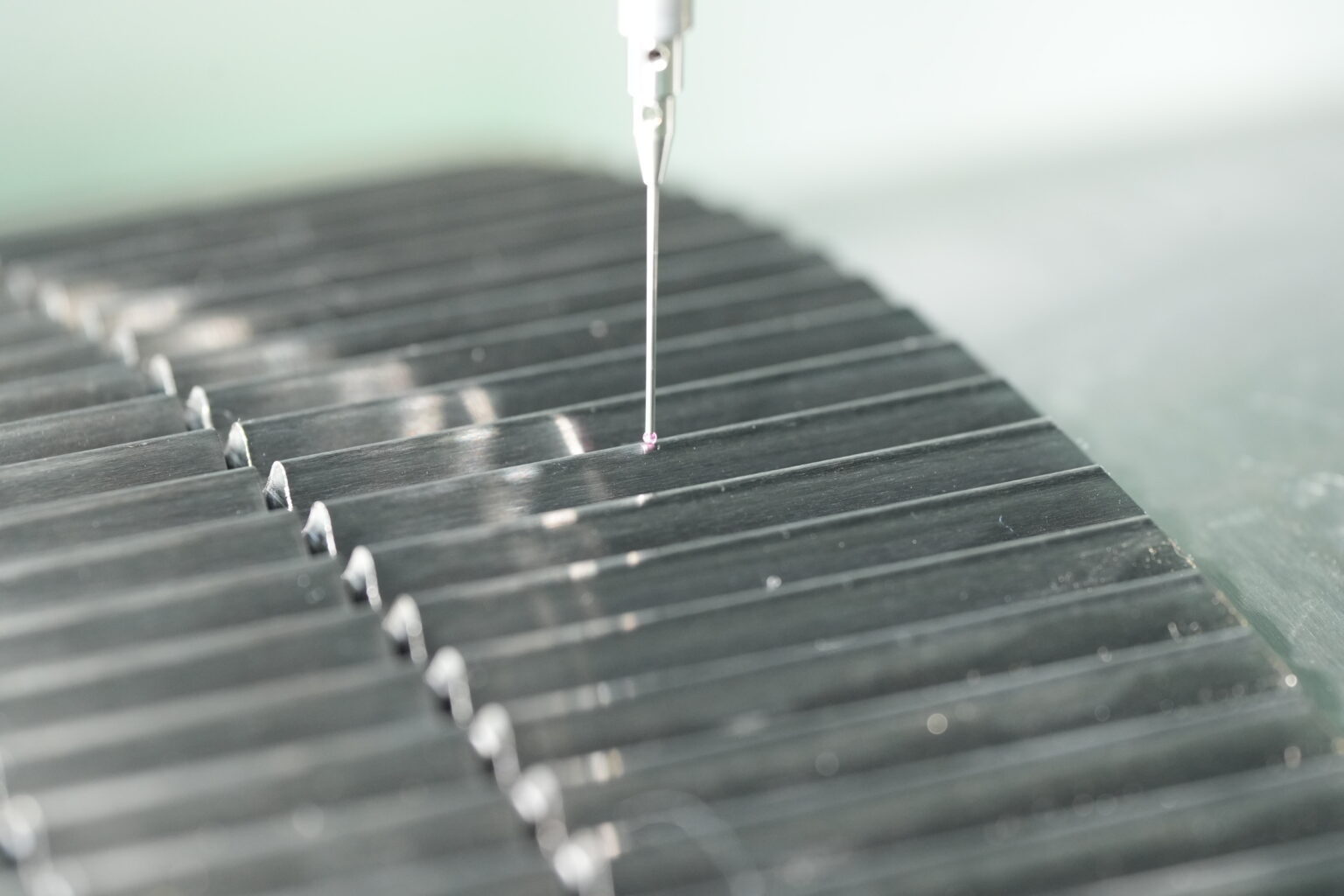
Yes, when wear reaches a critical point, replacement or refurbishment should be considered. Check for flute height loss, especially when the tungsten carbide coating is critically reduced (e.g., around 0.05 mm, depending on specifications).Also, look for severe scratches, pits, or chipped flutes that grinding can't fix, as these compromise board quality.
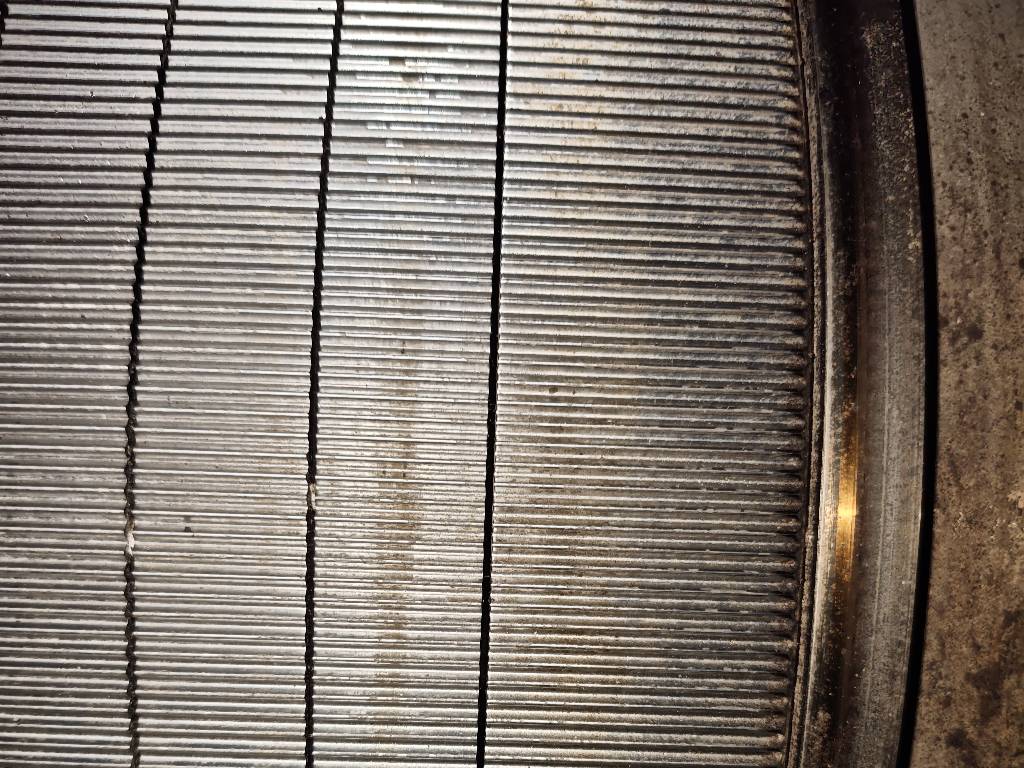
Let's dive deeper into what "wear and tear" really means for your rolls. It’s not just one thing; it’s two main problems: flute profile degradation and surface damage. I remember a client in Mexico who pushed their rolls too far. Their flute height was so worn down that their B-flute board was basically flat. Their crush strength tests were failing, and they were losing a major contract. It showed that proactive maintenance and timely replacement are often more cost-effective than reactive failure.
Flute Profile Degradation
The shape and height of the flutes are everything. They provide the strength and cushioning for the final board. When the flute tips wear down, the board becomes weaker and thinner. Glue application also becomes inconsistent, leading to poor adhesion. For our tungsten carbide rolls, we recommend replacement when the coating thickness on the flute tip is less than 0.05mm.
Surface Damage
The surface of the roll must be smooth and free of defects. Damage can ruin your board quality.
| Type of Damage | What it Looks Like | Why it's a Problem |
|---|---|---|
| Scratches | Lines or grooves along the roll surface. | Can tear the paper or create weak lines in the board. |
| Pits & Dents | Small craters or depressions. | Causes inconsistent glue transfer and weak spots. |
| Chipped Flutes | Broken or missing flute tips. | Results in missing or crushed flutes in the board. |
| Peeling | Coating flaking off the roll. | Leaves debris on the board and creates uneven surfaces. |
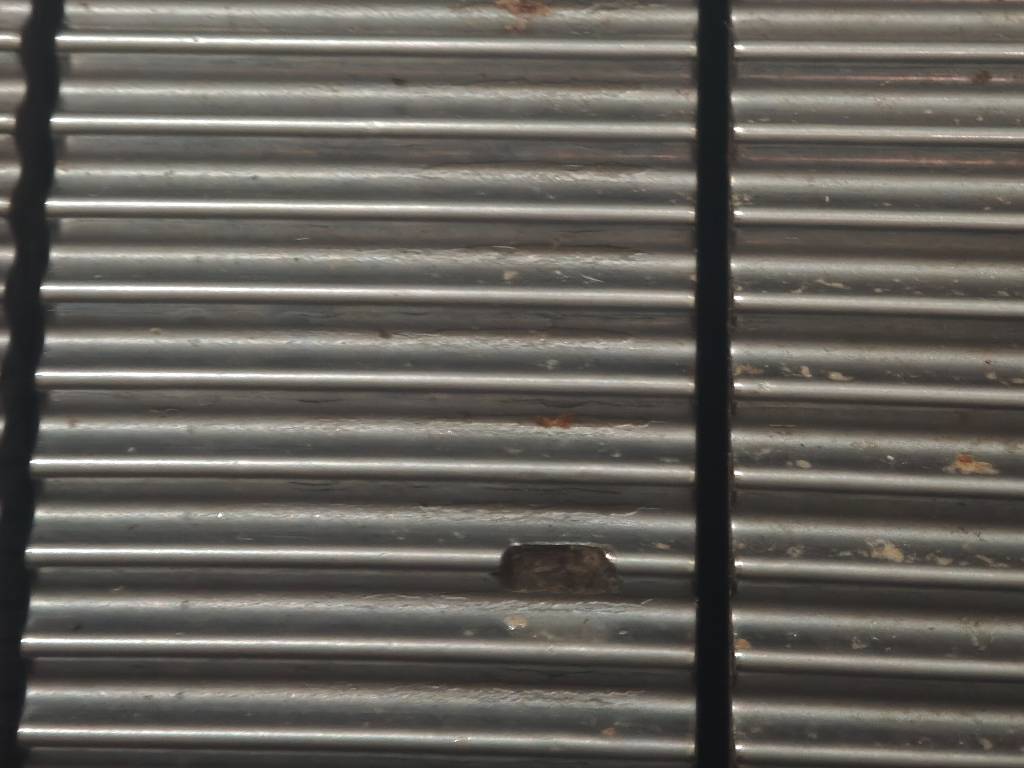 If you see these issues and grinding can't fix them, it's time for a new set of rolls. A professional inspection can give you a clear answer.
Have Your Rolls Reached Their Production Limit?
Are you tracking your rolls' production output? Ignoring their mileage is like driving a car without checking the odometer. A sudden failure can halt your entire production line unexpectedly.
Generally, corrugating rolls are evaluated for replacement based on their typical service life rather than a fixed production number. For conventional chrome-coated rolls, the service life is usually around 8 to 9 million linear meters, while tungsten carbide rolls can typically last between 20 to 50 million linear meters, depending on operating conditions. Factors such as paper quality, machine speed, and maintenance practices heavily influence the actual lifespan of the rolls..
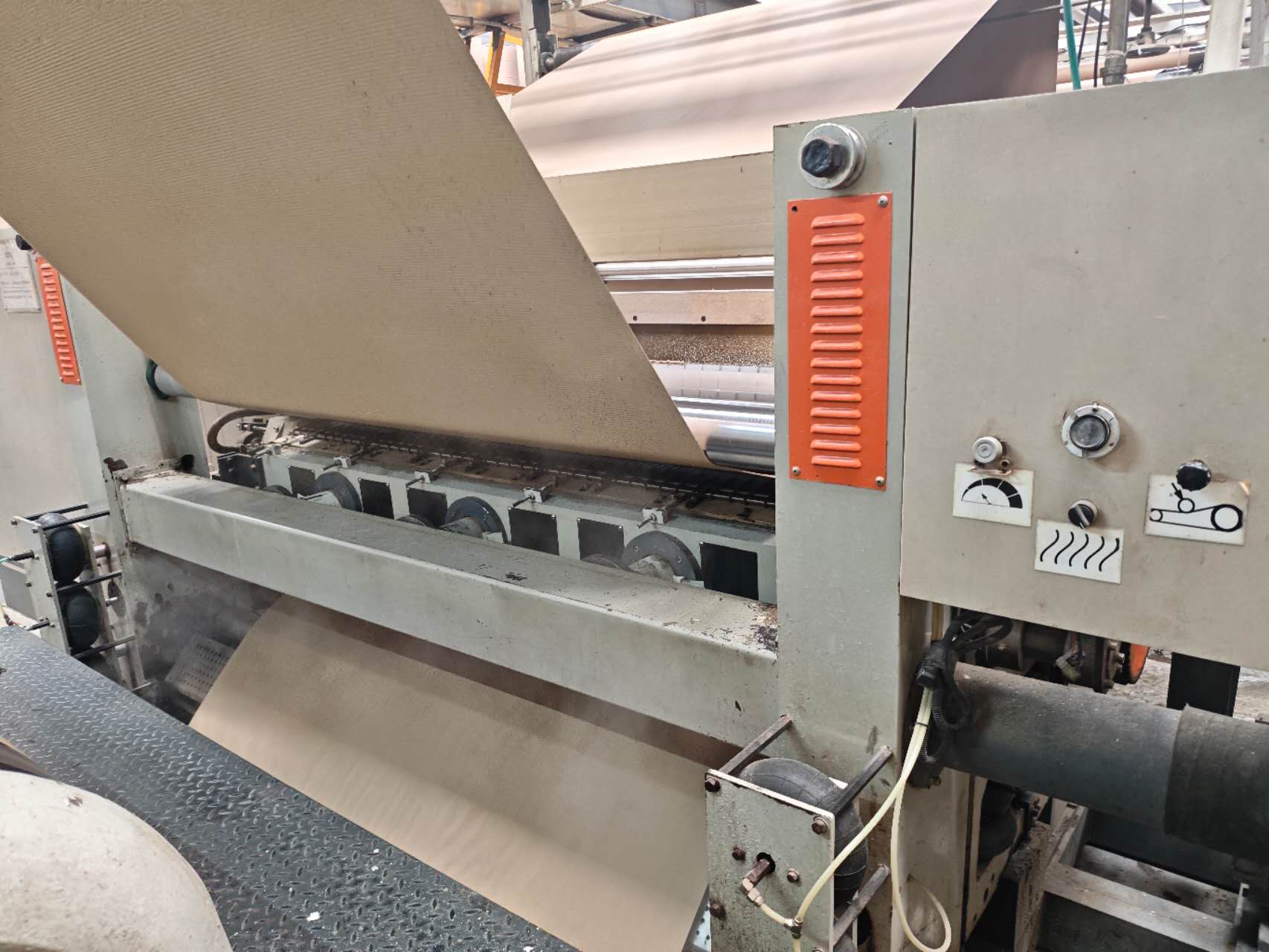
Thinking about roll life only in terms of a fixed number is a mistake. The example above is a guideline, not a strict rule. The real lifespan depends entirely on your specific operating conditions. We have a customer in South Africa who meticulously tracks their roll mileage. They replace their rolls at the 35 million meter mark, almost like clockwork. They see it not as an expense, but as a predictable part of their maintenance budget, which prevents any surprise shutdowns. Their line runs smoothly because of it.
Running a roll past its optimal life might seem like you are saving money. But the cost of wasted paper, excess glue usage, and potential downtime is often much higher than the cost of a new roll. It is a simple cost-benefit analysis. A planned replacement is always more economical than an emergency shutdown.
Are You Experiencing Functional Failures?
Do you hear strange noises or feel vibrations from your corrugator? These aren't just minor annoyances. They are warning signs of a serious mechanical failure that could be imminent.
Yes, functional failures are a clear signal for immediate replacement. Issues like damaged bearings, worn-out journals, or a bent roll body can cause vibration and runout. This makes it impossible to maintain parallelism with other rolls, ruining your board quality and potentially damaging other machine parts.
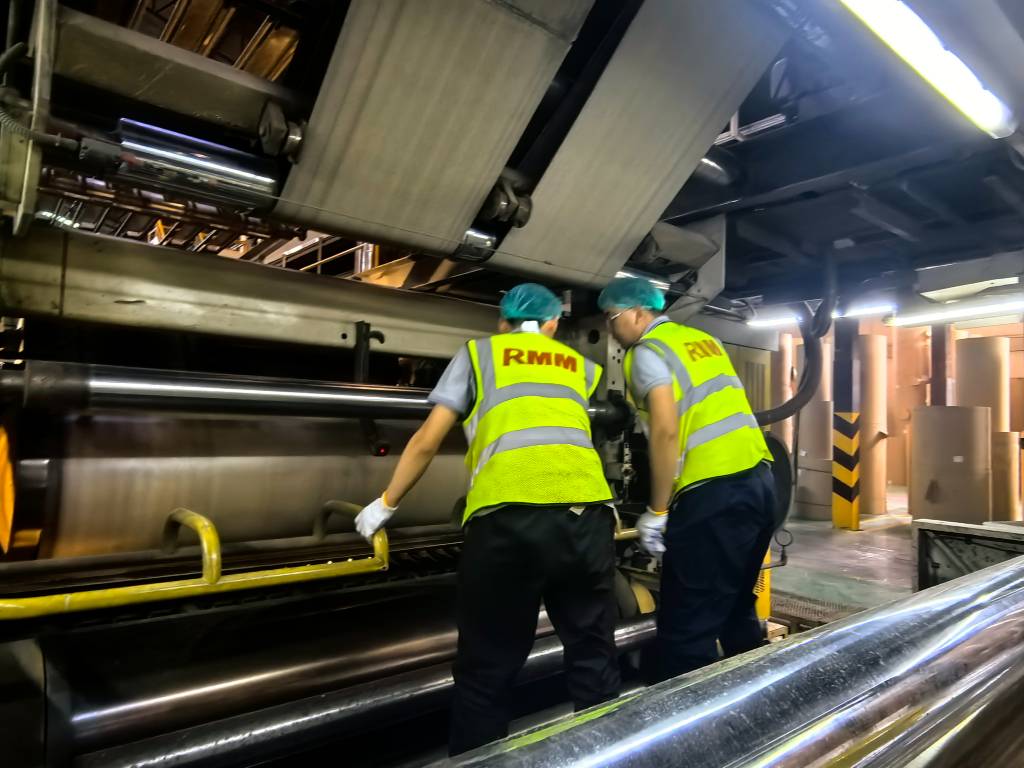
Mechanical failures are serious. They don’t fix themselves, and they always get worse. I've seen a simple bearing issue escalate into a full-blown cassette failure that cost a customer a week of production. These are not problems you can "run until they die" because they can take other expensive parts with them.
Common Mechanical Failures
- Damaged Bearings: This is the most common cause of vibration and loud, grinding noises. Worn-out bearings create instability, causing the roll to jump or run unevenly.
- Worn Journals: The journals are the ends of the roll that sit in the bearings. If they become worn, the roll will not sit securely. This leads to poor alignment and runout.
- Bent Roll Body: A bent or deformed roll body is a major problem. It creates uneven pressure across the paper, resulting in inconsistent flute height and weak, unusable board.
These issues create a domino effect. A vibrating corrugating roll can damage the pressure roll, the glue roll, and even the machine frame itself. It also poses a safety risk to your operators. At RMM, we don't just supply rolls. Our one-stop service includes providing a complete cassette with new bearings and refurbished components. This ensures all parts work together perfectly and prevents these functional failures from happening.
Do Your New Orders Require a Different Flute Profile?
Is your factory turning down profitable orders? If you can't produce the specific flute profiles your customers want, you're leaving money on the table for your competitors.
Absolutely. If you need to produce a different flute profile, like changing from C-flute to E-flute, you must change the corrugating rolls. Each roll set is precision-engineered for one specific flute type. Using the wrong rolls is not an option for producing quality board.
Conclusion
In short, replacing your corrugating rolls at the right time is crucial. Pay attention to wear, production mileage, functional failures, and order needs to ensure top quality and efficiency.