Paper waste is a silent profit killer in your plant. Every meter of discarded board is money lost, but you can fight back by optimizing your most critical asset.
To reduce paper waste, you must optimize your corrugating rolls. This involves selecting the right roll parameters for the job, using wear-resistant materials like tungsten carbide, precisely adjusting roll gaps, and following a strict, regular maintenance schedule to ensure consistent performance.
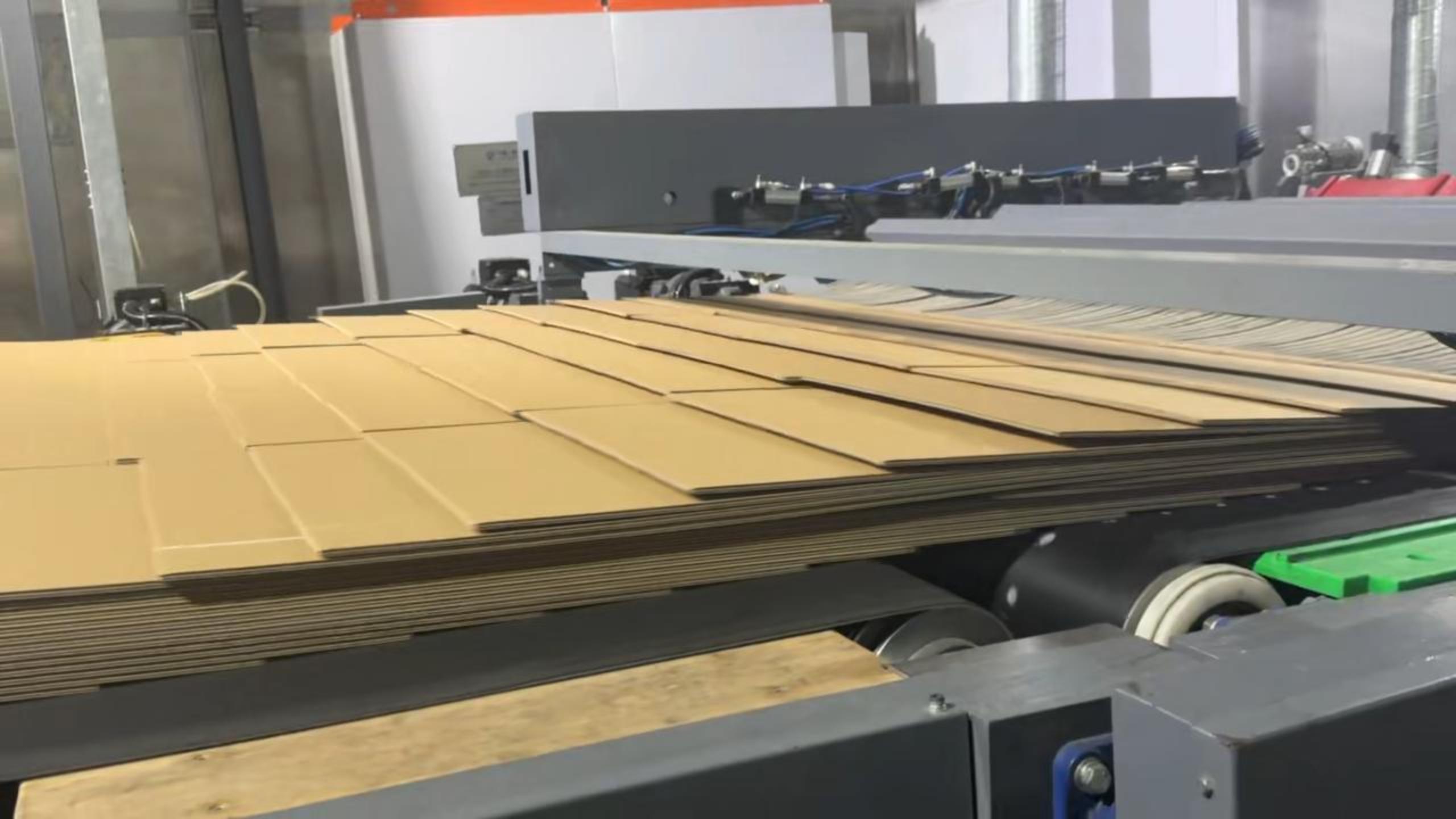
Those are the key actions, but the real savings are found in the details of how you apply them. Let's break down how you can turn these ideas into real savings and improve your bottom line, starting today.
Can Choosing the Right Roll Parameters Really Save Paper?
You use the same standard flute profile for most jobs because it's simple. But this "one-size-fits-all" approach often uses more paper than necessary, slowly eating away at your profits.
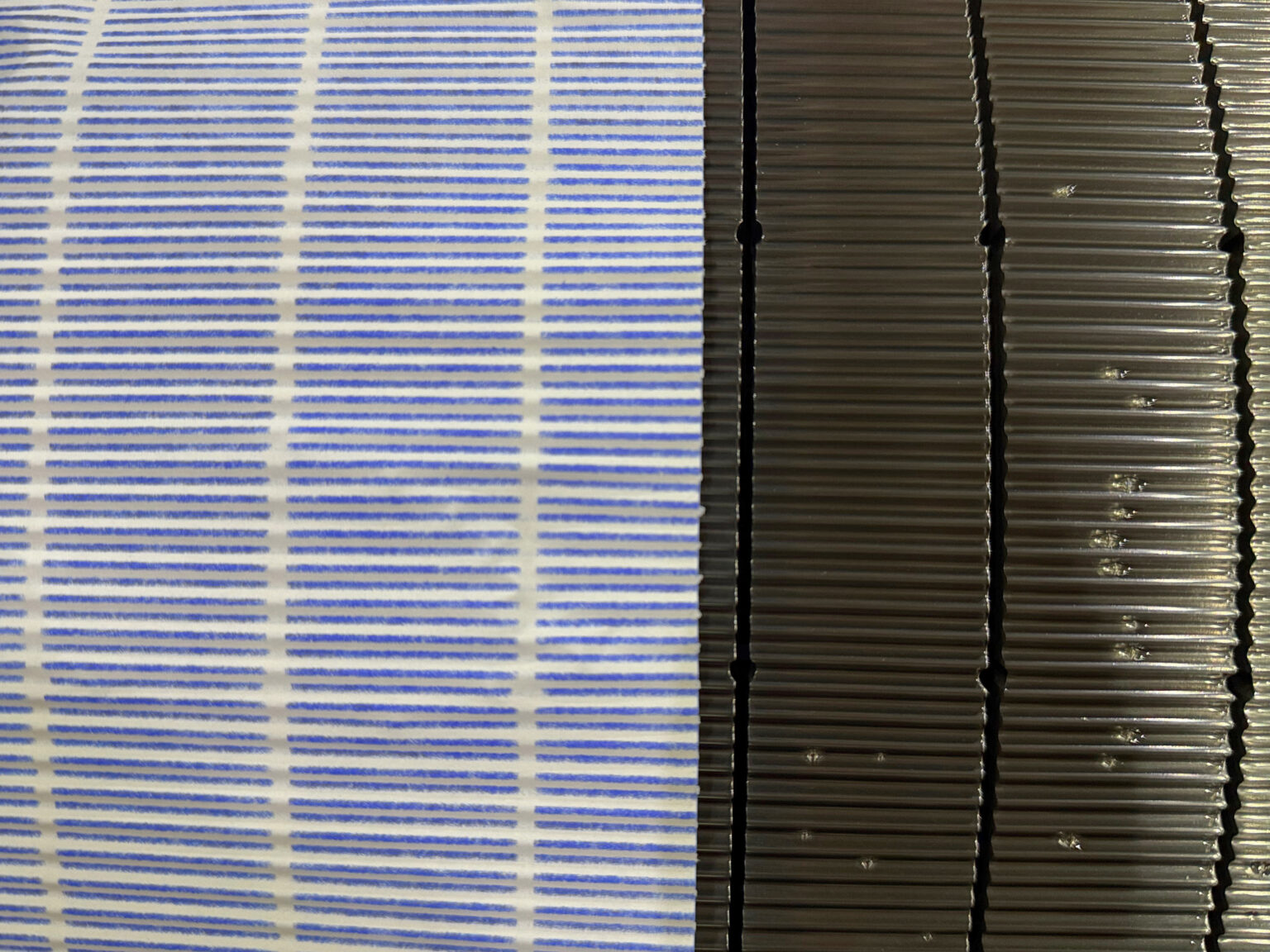
Yes, you can save a significant amount of paper. By adjusting the flute height and the number of flutes to match specific board strength requirements, you avoid over-engineering. This means you use the minimum amount of paper needed for a quality product, directly cutting material costs.
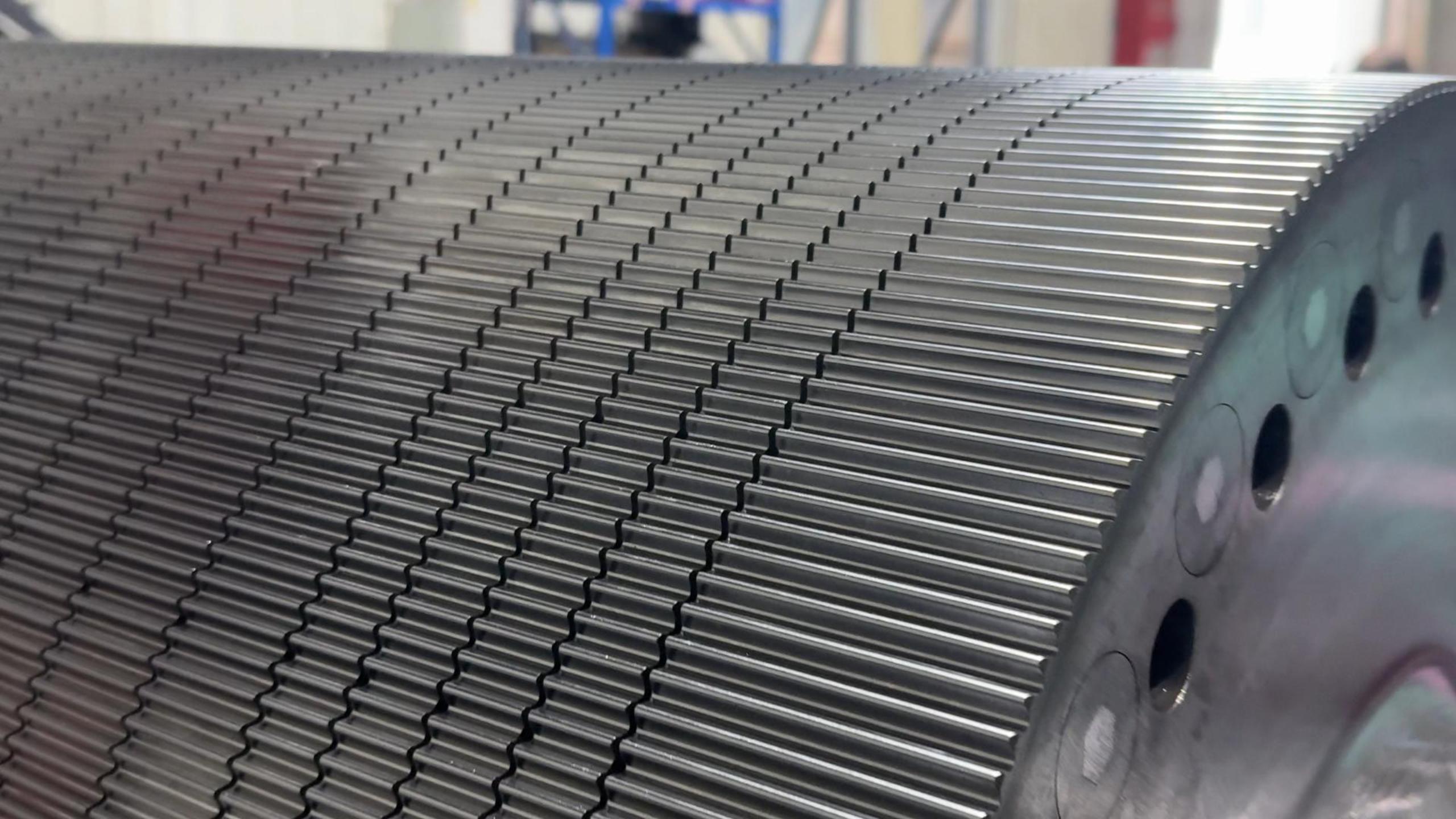
The idea here is simple: don't use more paper than you have to. Every product has a different requirement for compression strength (BCT) or bursting strength. Using a high-consumption flute profile for a product that doesn't need it is pure waste. It’s like using a sledgehammer to crack a nut.
I remember a client in Thailand who was struggling with high paper costs. Their main product was a simple B-flute box for local produce. Their rolls were a standard 2.8mm height. We analyzed their board requirements and found we could switch them to a custom roll with a 2.5mm flute height. The change was small, but the impact was huge. They maintained the necessary compression strength for stacking but reduced their paper consumption on every single run. The savings added up incredibly fast. It's about finding that perfect balance between performance and paper usage.
Before you order your next set of rolls, talk to your supplier. A good partner, like us at RMM, will work with you to analyze your needs and recommend a profile that saves you money without sacrificing quality.
How Do Wear-Resistant Rolls and Precise Adjustments Cut Waste?
Your rolls are wearing down, and the gaps might be off. You notice an increase in crushed flutes and board that won't bond, creating piles of scrap every shift.
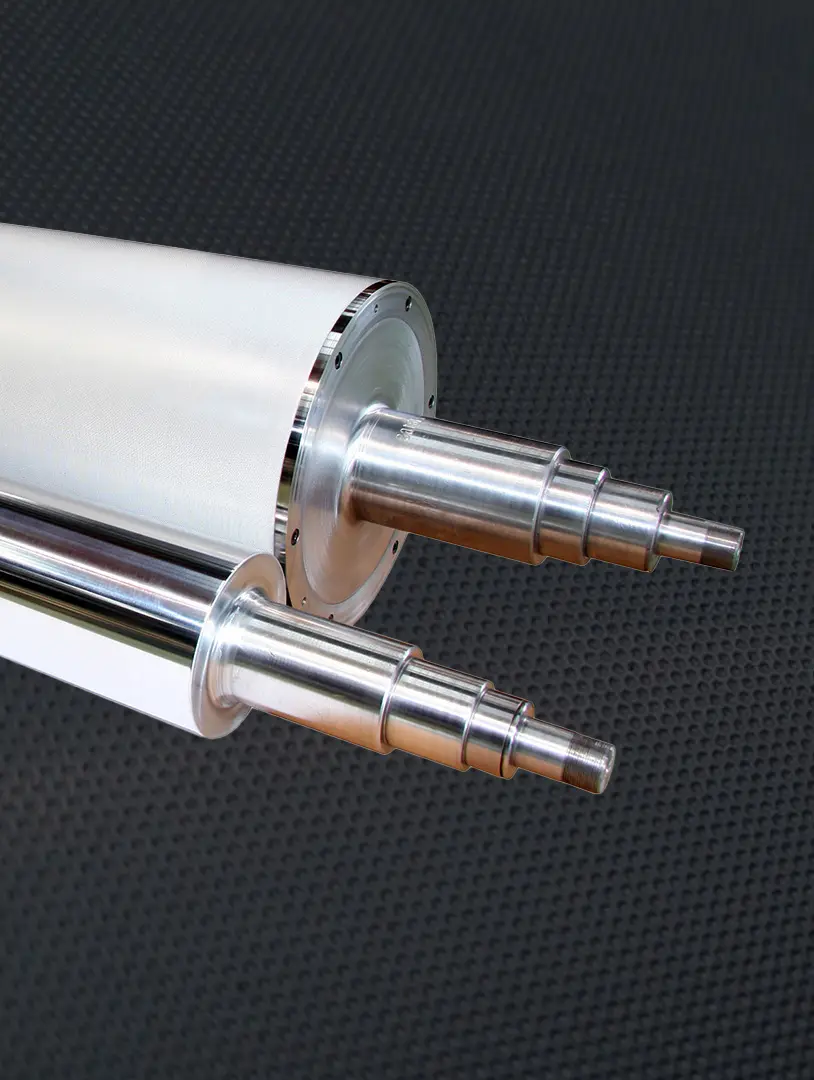
Wear-resistant rolls, like those with a tungsten carbide coating, keep a consistent flute profile for millions of meters. This prevents gradual paper overconsumption. Also, precisely adjusting the gaps between rolls ensures the paper is formed perfectly, not crushed, which directly reduces scrap.
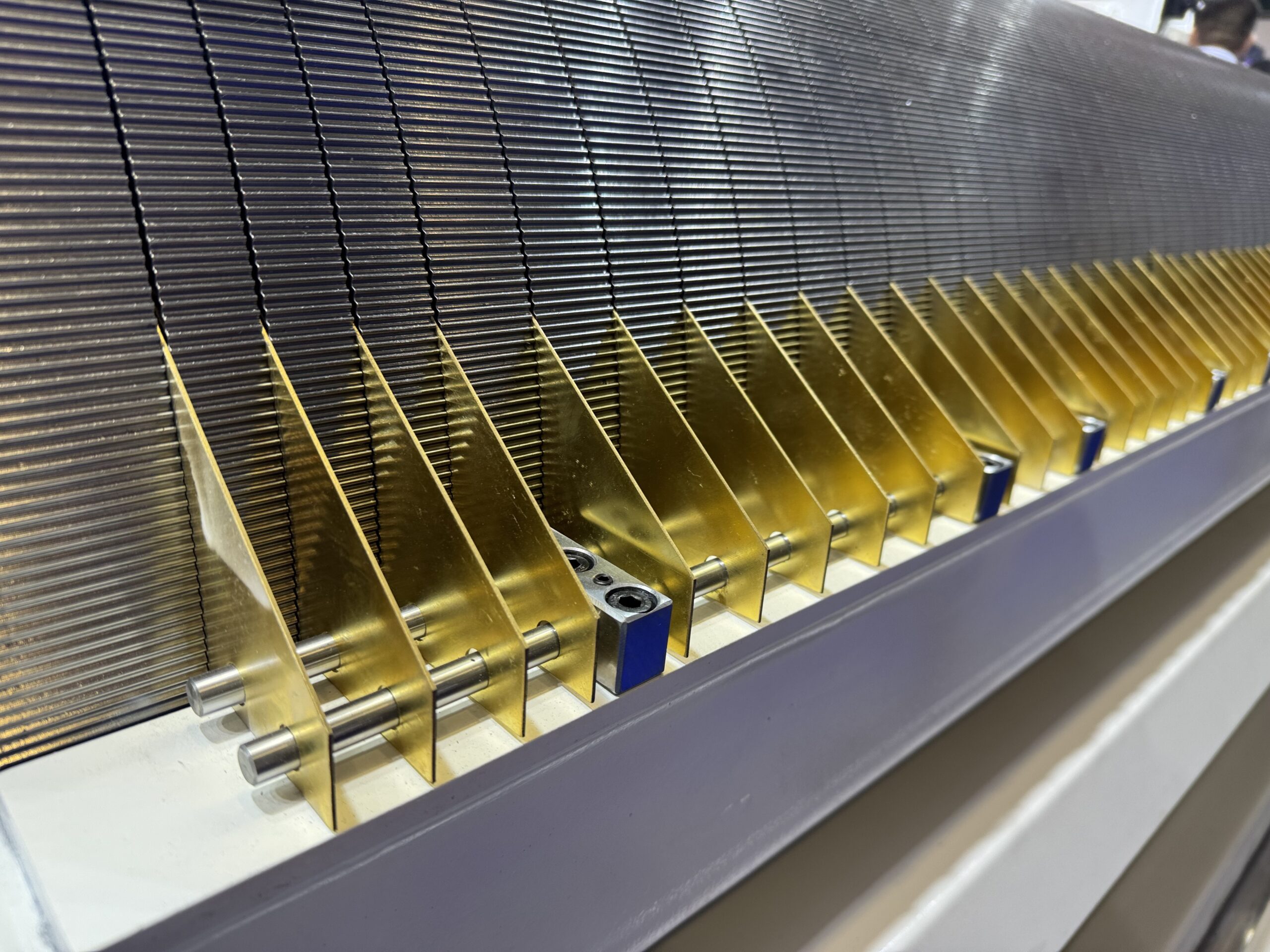
Let's look at two separate but connected issues: roll wear and roll settings. Both can be major sources of waste if you ignore them.
First, the roll material itself. Standard chrome rolls wear down over time. As the flute tips get flatter, the machine uses slightly more paper to achieve the same board thickness. It's a slow, almost invisible process, but it adds up. A tungsten carbide coated roll solves this. The coating is incredibly hard and wear-resistant, so the flute profile stays sharp and consistent for much, much longer. This means your paper consumption factor (PUF) remains stable, and you don't have waste creeping up on you.
Second is the precise adjustment of your rolls. The gaps between the corrugating roll, the pressure roll, and the glue roll are critical. We've seen it countless times on visits to plants in places like Egypt and India. A team is struggling with high waste rates, and the cause is a tiny misalignment.
Here is what happens when gaps are wrong:
You can't just "eyeball" these settings. You need to use professional tools like feeler gauges to ensure the gaps are perfect and, most importantly, that the rolls are perfectly parallel. A tiny difference from the drive side to the operator side can cause massive problems. Investing in durable rolls and the time to set them correctly pays for itself by drastically reducing scrap.
Is Your Maintenance Routine Costing You Money in Wasted Paper?
You see maintenance as just a way to prevent major breakdowns. But while you're not looking, small issues like a dirty roll or a loose bolt are quietly creating more and more paper waste.
Yes, a poor maintenance routine directly leads to waste. Improper installation causes vibration and bad flute formation. Incorrect run speeds stretch or compress the paper. A dirty roll transfers heat poorly. All these small things create scrap, turning preventable issues into lost profit.
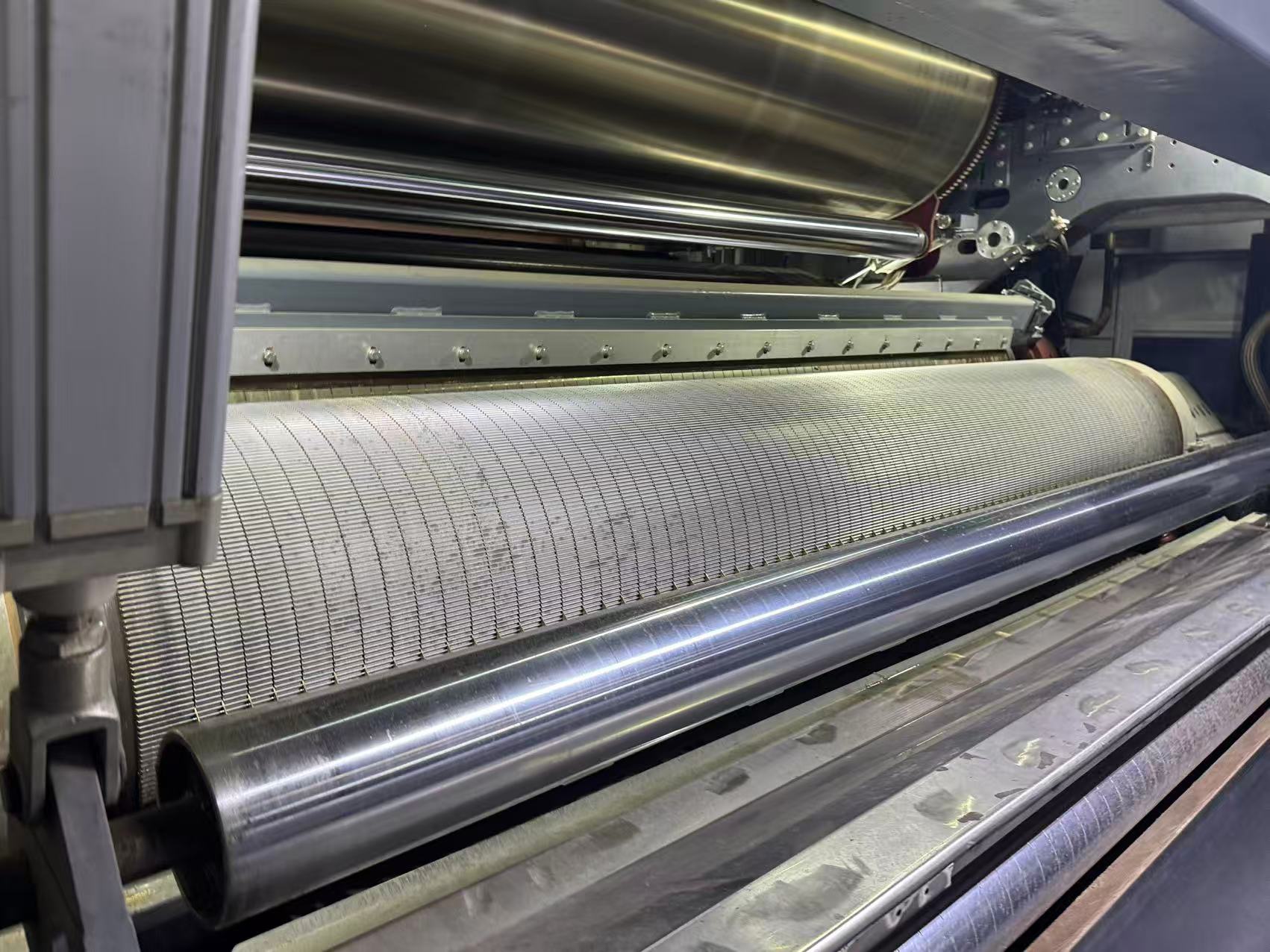
A great set of corrugating rolls can still produce waste if they aren't installed and maintained properly. Your maintenance routine shouldn't just be reactive; it must be proactive in preventing waste. I once visited a long-time partner in South Africa who was ready to buy a whole new single facer because their waste was out of control. After a quick inspection, we found the problem: a slightly loose mounting bolt on the corrugating roll was causing a subtle vibration, and a thick layer of old, baked-on glue was insulating the roll. A day of deep cleaning and proper tightening saved them a huge investment.
Think of your maintenance in three key areas:
1. Secure Installation
When you install a new or refurbished roll, it must be perfectly seated and tightened to specification. Any looseness will cause vibration at high speeds. This vibration leads to inconsistent flute formation, chatter marks on the board, and ultimately, a higher percentage of rejected product. It also causes premature, uneven wear on the roll itself.
2. Controlled Operation
Running the machine too fast for the paper type can stretch the medium, making it thinner and weaker as it enters the nip. Running too slow can cause other issues with heat transfer and glue application. Your operators need to be trained to find the optimal speed that produces good board without putting unnecessary stress on the paper.
3. Regular Cleaning and Inspection
This is the most overlooked part of maintenance. Paper dust and glue residue must be cleaned off the rolls regularly. A buildup of debris does two bad things:
- It acts as an insulator, preventing proper heat transfer to the paper. This leads to weak, soft flutes that are easily crushed.
- It can get pressed into the board, creating defects and weak spots.
A simple checklist for your maintenance team can make a world of difference. Checking for secure mounting, cleaning the roll surfaces, and inspecting for early signs of wear should be a daily or weekly task, not something you do only when a problem appears.
Conclusion
Reducing paper waste isn't about one magic fix. It comes from optimizing your roll parameters, using durable materials, ensuring precise adjustments, and committing to a proactive maintenance routine.