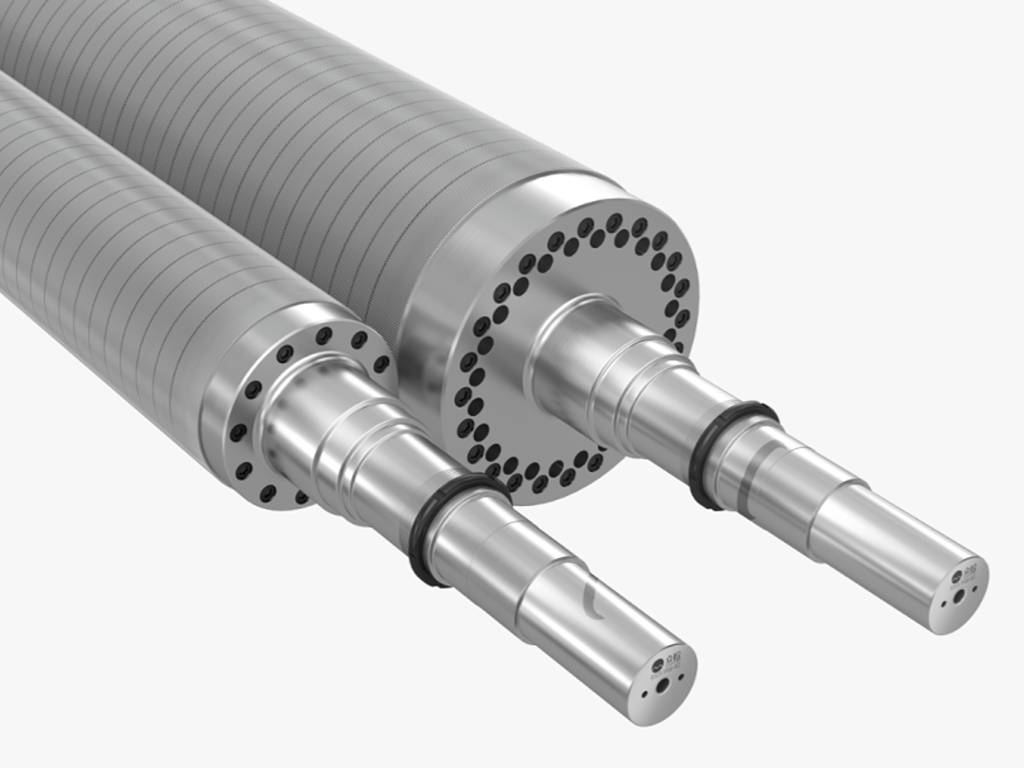
High-quality corrugated board starts with the corrugating roll. A well-designed corrugating roll not only shapes the flute profile, but also directly affects board strength, bonding performance, production stability, and paper consumption. Understanding how corrugating rolls work is the foundation for achieving stronger boards and more efficient production.
The working principle of a corrugating roll is to transform flat paper into wave-shaped flutes using a combination of rotation, pressure, and heat. Two meshing rolls press the paper, heat makes it pliable and helps glue bond, and precise pressure ensures a strong, uniform shape.
Upper and Lower Corrugating Rolls Work Together
Your flat paper has no strength. You need to create strong flutes for packaging, but how? The magic happens when two specially designed rolls come together to reshape the paper.
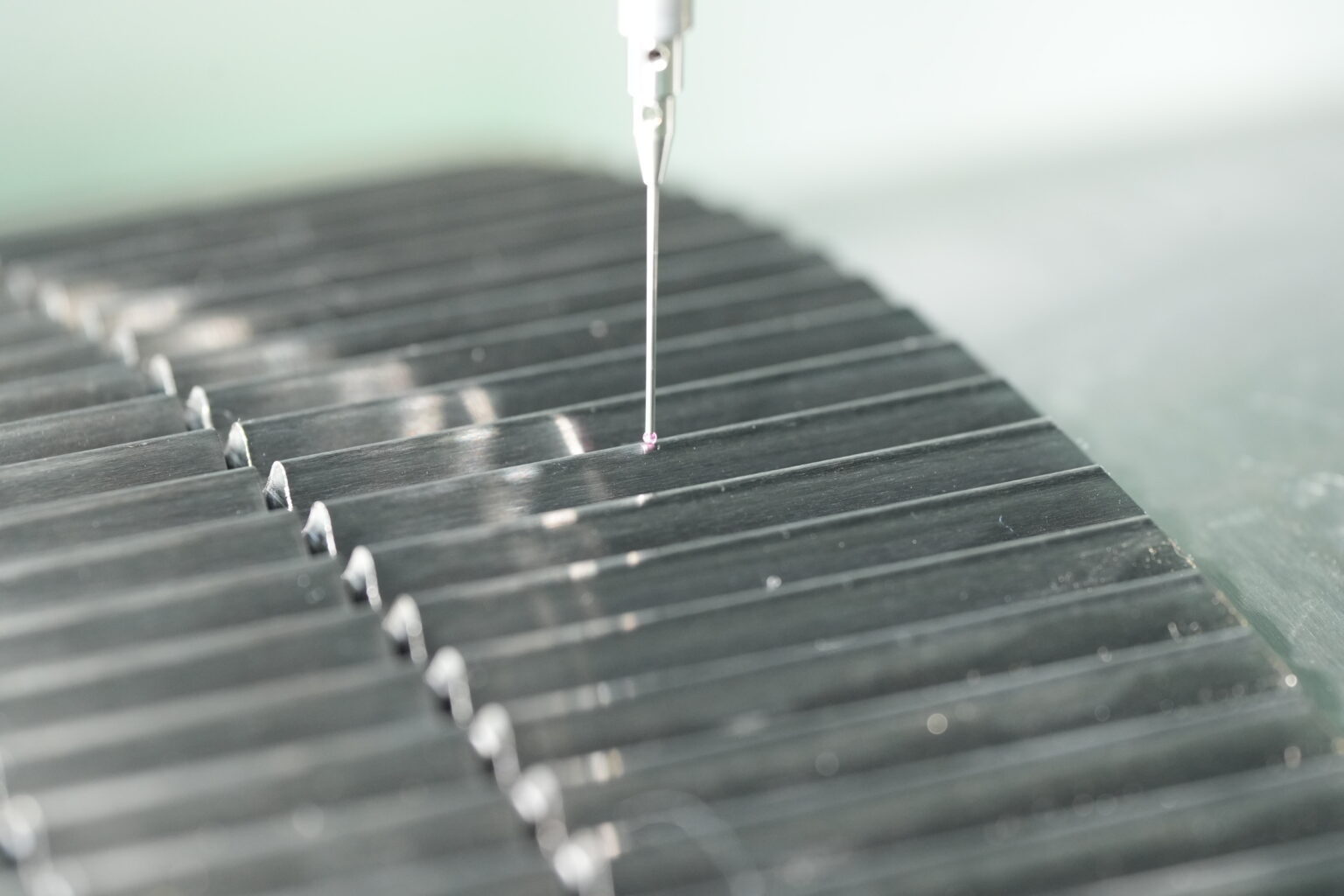
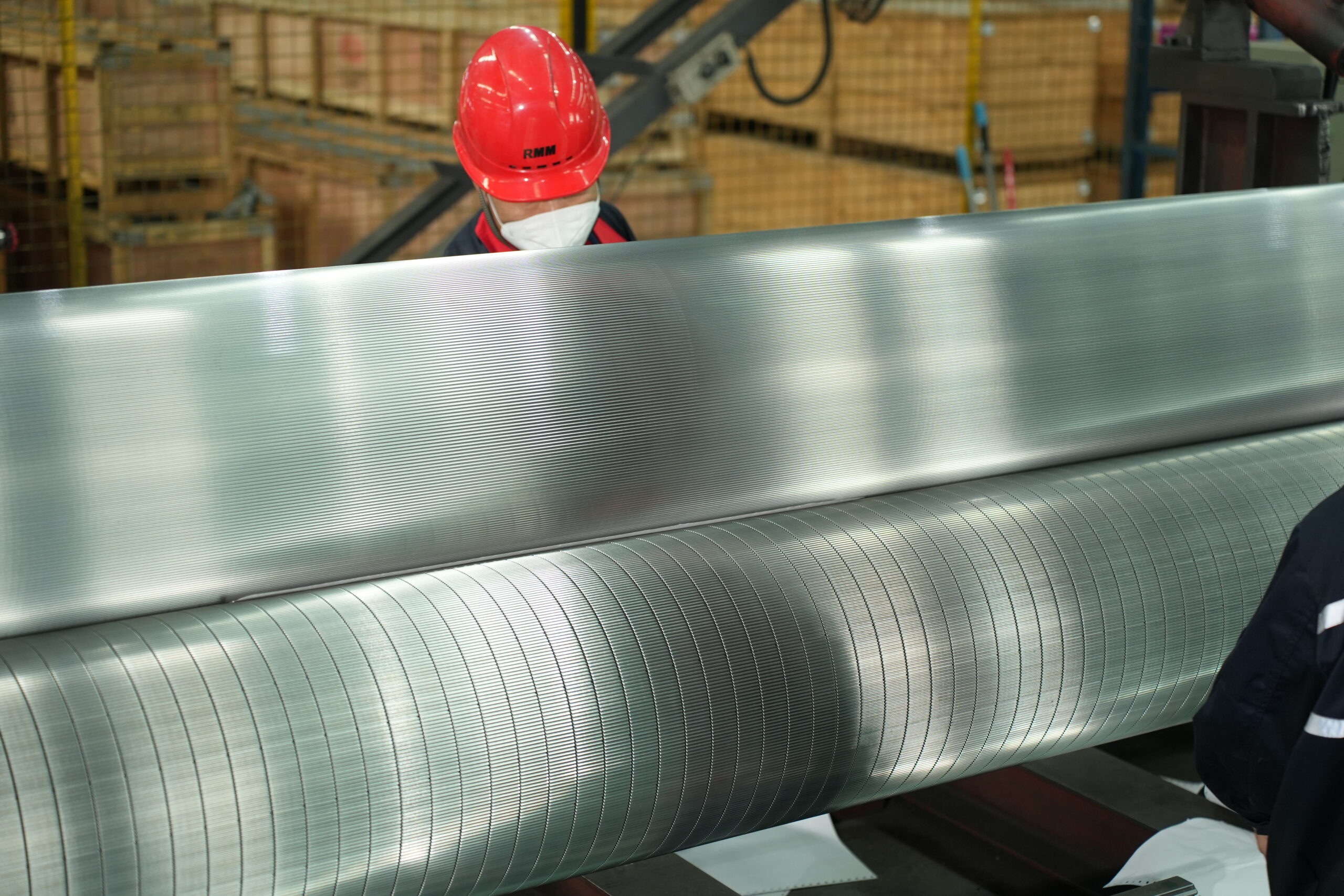
The upper and lower corrugating rolls, designed with precise teeth, mesh and rotate together. As paper passes between them, the force and shape of these teeth mold the flat paper into a consistent wave pattern, forming the corrugated flutes that give cardboard its strength.
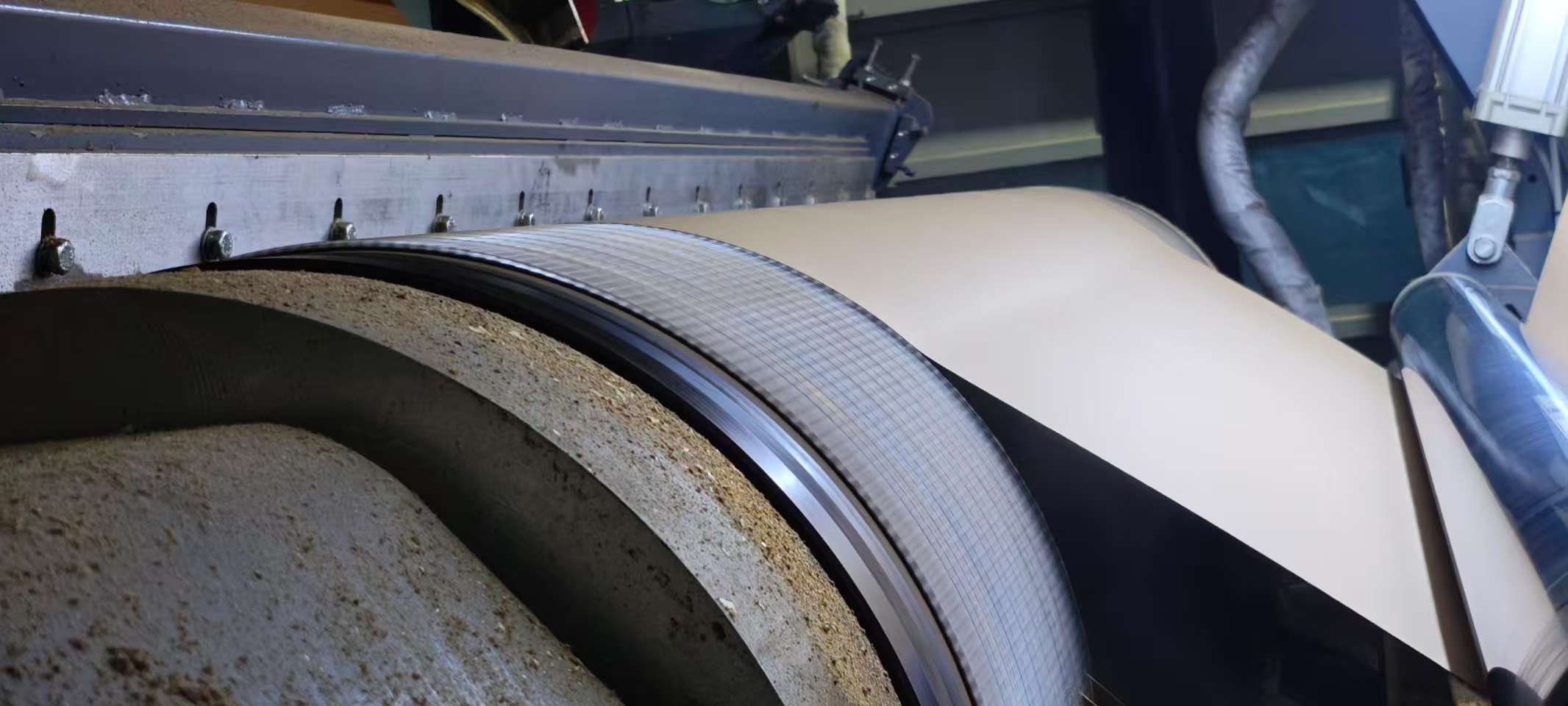
Paper is Formed into Flutes
Your flutes are forming, but they're flimsy and won't hold their shape. This leads to crushed boxes. Heat and pressure are the two critical ingredients you are missing.
When the corrugating medium enters between the two rolls, it is pressed into a wave-shaped structure under pressure, forming the corrugated medium. This process directly affects the strength and forming quality of the corrugated board.
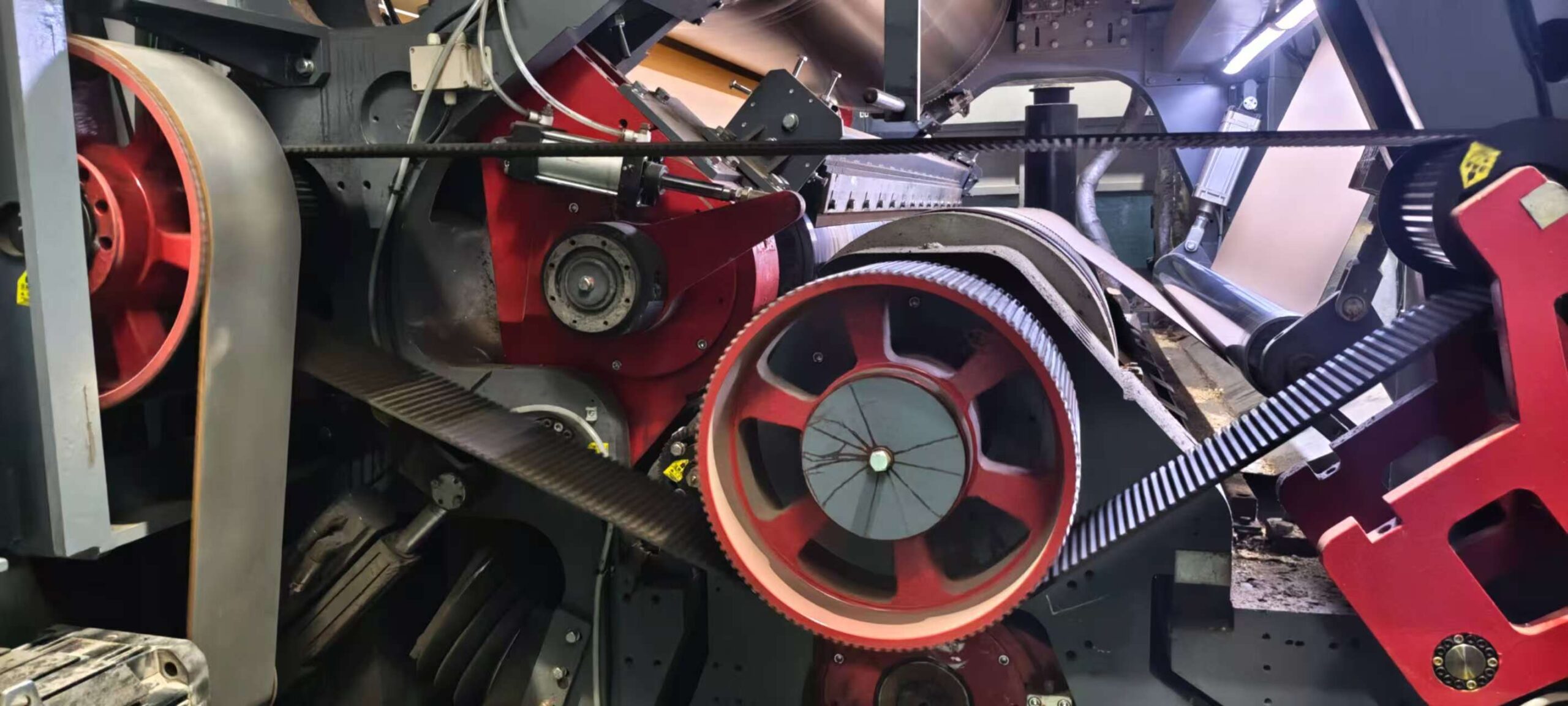
This is where science really meets manufacturing. Getting the pressure and heat right is a delicate balancing act that I've helped countless customers master. These two elements work hand-in-hand to turn a flimsy wave of paper into a rigid, structural component. Without them, you simply have shaped paper, not a functional corrugated medium.
Air Pressure Provides Stable Loading Force
The machine applies pressure to the upper corrugating roll through pneumatic cylinders, keeping the two rolls in close contact.
If the pressure is too low, the flute shape may not form properly;If the pressure is too high, the paper may be damaged.
Maintaining the correct pressure is essential for stable production.
Heating Helps Forming and Bonding
Corrugating rolls are usually heated by steam or electric heating to maintain a stable surface temperature. Heated paper becomes easier to shape, while the heat also helps the glue bond more effectively, improving the bonding strength of the corrugated board.
Gap Adjustment Ensures Flute Quality
The gap between the upper and lower corrugating rolls must be adjusted accurately.
If the gap is too large, the flute shape will not be fully formed;If the gap is too small, the paper may be crushed.
Proper gap adjustment helps meet different corrugated board production requirements.
Conclusion
In simple terms, corrugating rolls use rotation, pressure, and heat to transform flat paper into wave-shaped corrugated medium, providing the foundation for high-quality corrugated board production.