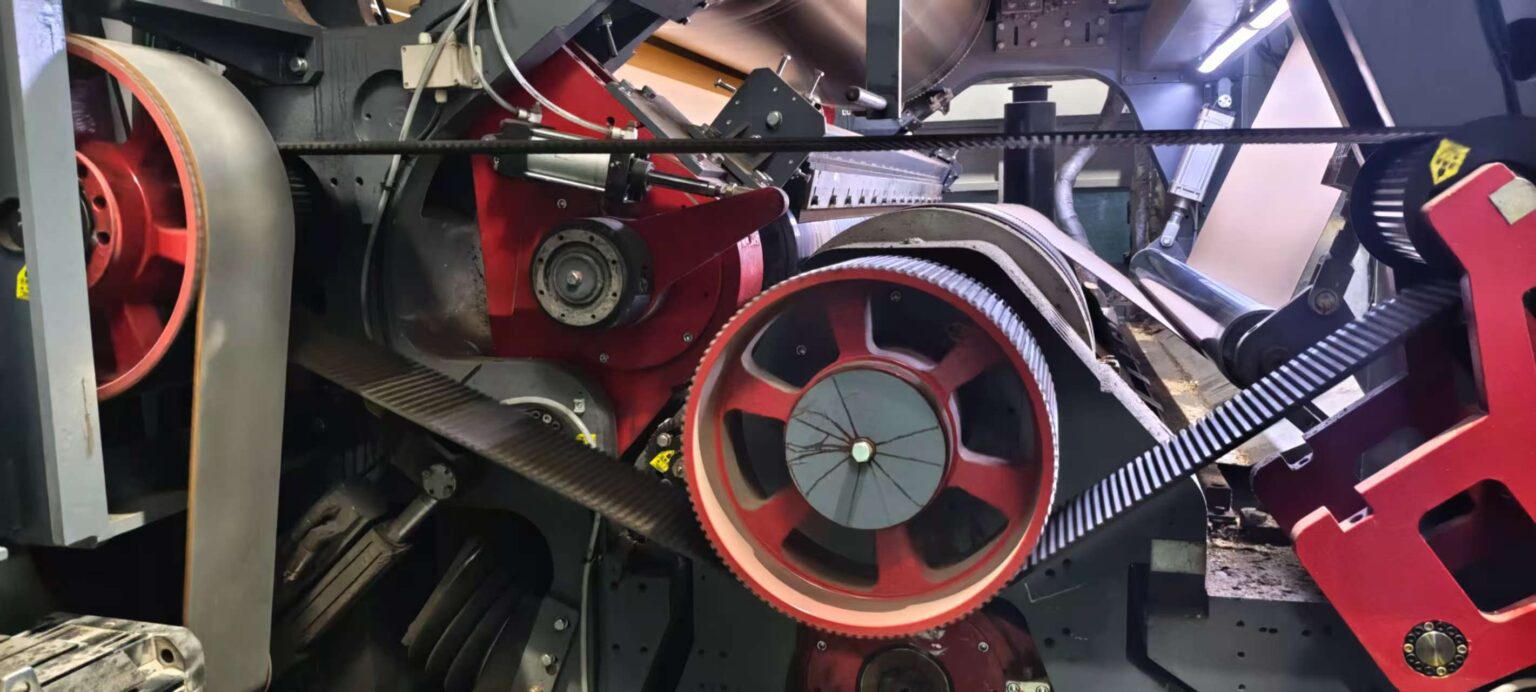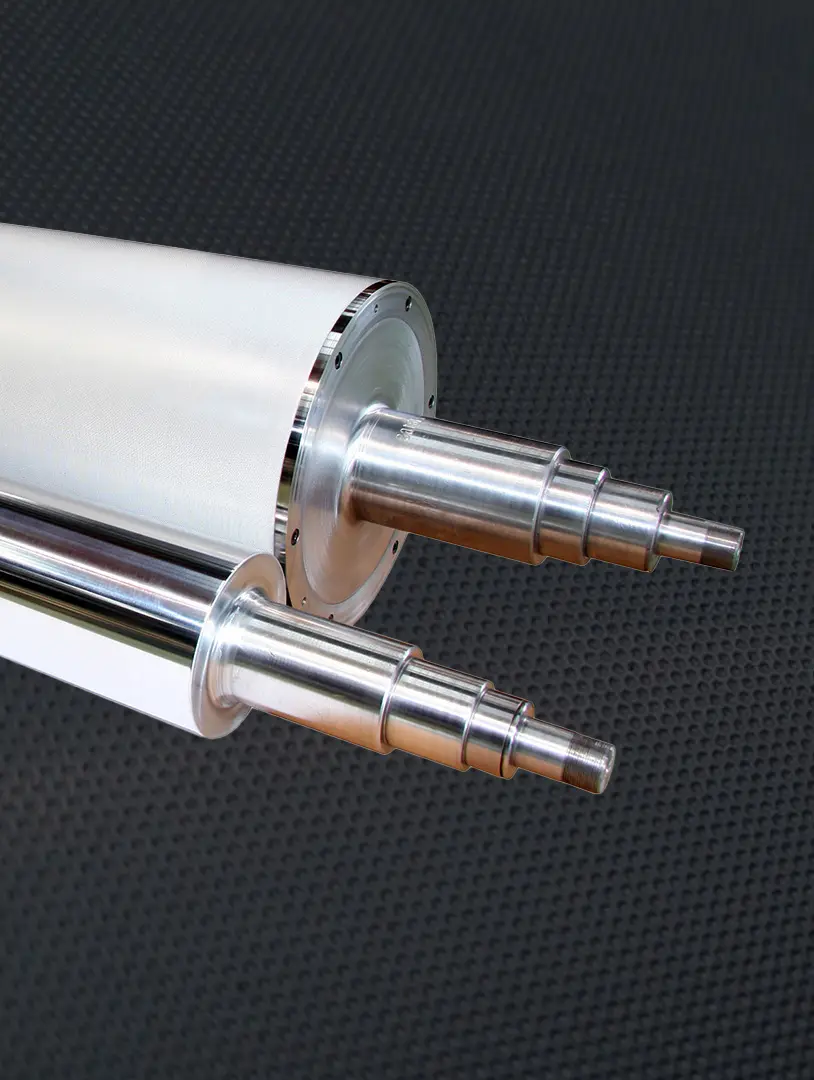
Proper cleaning and storage of corrugating rolls are essential for maintaining flute quality, reducing wear, and extending service life. The following guidelines can help keep corrugating rolls in optimal condition and ensure reliable production performance.
1. Preparation Before Cleaning
Before cleaning, ensure that the machine is completely stopped, operating pressure has been released, and the roll surface temperature has cooled to room temperature.. Avoid applying cold water directly to a hot roll, as sudden temperature changes may cause deformation or surface damage.
2. Cleaning
Remove paper dust, glue residue, carbide buildup, and other contaminants from the roll surface using a soft brush, copper brush, nylon cloth, or sponge. Avoid using steel brushes or abrasive tools that could damage the flute profile or surface coating.
For stubborn deposits, apply a neutral or mildly alkaline cleaning agent specifically designed for corrugating rolls.
3. Cleaning Procedure
After applying the cleaning agent, allow it to soak for 5–10 minutes to loosen dirt and residue. Gently scrub the roll surface and flute grooves, paying particular attention to the root of each groove where paper fibers and adhesive tend to accumulate.
Once cleaning is complete, rinse the roll thoroughly with low-pressure water to remove any remaining cleaning agent and contaminants. High-pressure water should be avoided to prevent damage to the roll surface.
4. Drying
After rinsing, wipe the roll surface, shaft ends, and related components with a clean, lint-free cloth. Warm air can be used to accelerate drying if necessary. Ensure all moisture is removed before storage to prevent corrosion and rust.
5. Storage Precautions
For long-term storage, apply a suitable anti-rust oil or protective lubricant to the roll surface and shaft ends. The roll should then be covered with protective film, anti-rust paper, or a dust cover to protect it from moisture, dust, and accidental surface damage.
Store corrugating rolls horizontally on dedicated roll racks or support both shaft ends with brackets. Avoid placing rolls directly on the floor, stacking them, or leaning them against walls, as improper storage may cause deformation.
6. Storage Environment
Corrugating rolls should be stored in a clean, dry, and well-ventilated area. To minimize the risk of corrosion, it is recommended to maintain a relative humidity below 60% and avoid significant temperature fluctuations that may lead to condensation.
7. Periodic Inspection
During long-term storage, inspect the roll regularly for signs of corrosion, contamination, or physical damage. Rotating the roll slightly at regular intervals can help reduce localized stress on bearings and maintain the roll's condition.
Conclusion
A consistent cleaning and storage routine is one of the most effective ways to maximize corrugating roll performance and longevity. By removing contaminants, preventing corrosion, and storing rolls correctly, manufacturers can maintain flute accuracy, improve board quality, and reduce maintenance costs over the long term.