Choosing the right flute profile for your corrugating rolls is a critical decision. A wrong move can impact your board quality and bottom line. So, how do you choose?
Standard flute profiles offer proven reliability and compatibility for general-purpose production. Custom profiles are engineered to meet specific targets, such as reducing costs, enhancing board performance, or solving a unique production issue. The best choice depends entirely on your factory's specific needs and business goals.
It's a decision we help our clients with every single day. For over 30 years, we've guided box plants from Mexico to Russia in selecting the profile that gives them a competitive edge. The choice isn't always obvious, but it becomes much clearer when you understand the fundamentals. To make the best choice for your operation, let's first break down what "standard" really means in the world of corrugating.
What Are the Common Standard Flute Profiles?
You constantly hear terms like A-flute, B-flute, and C-flute. But do you know exactly how they differ and what that means for your finished board and production line?
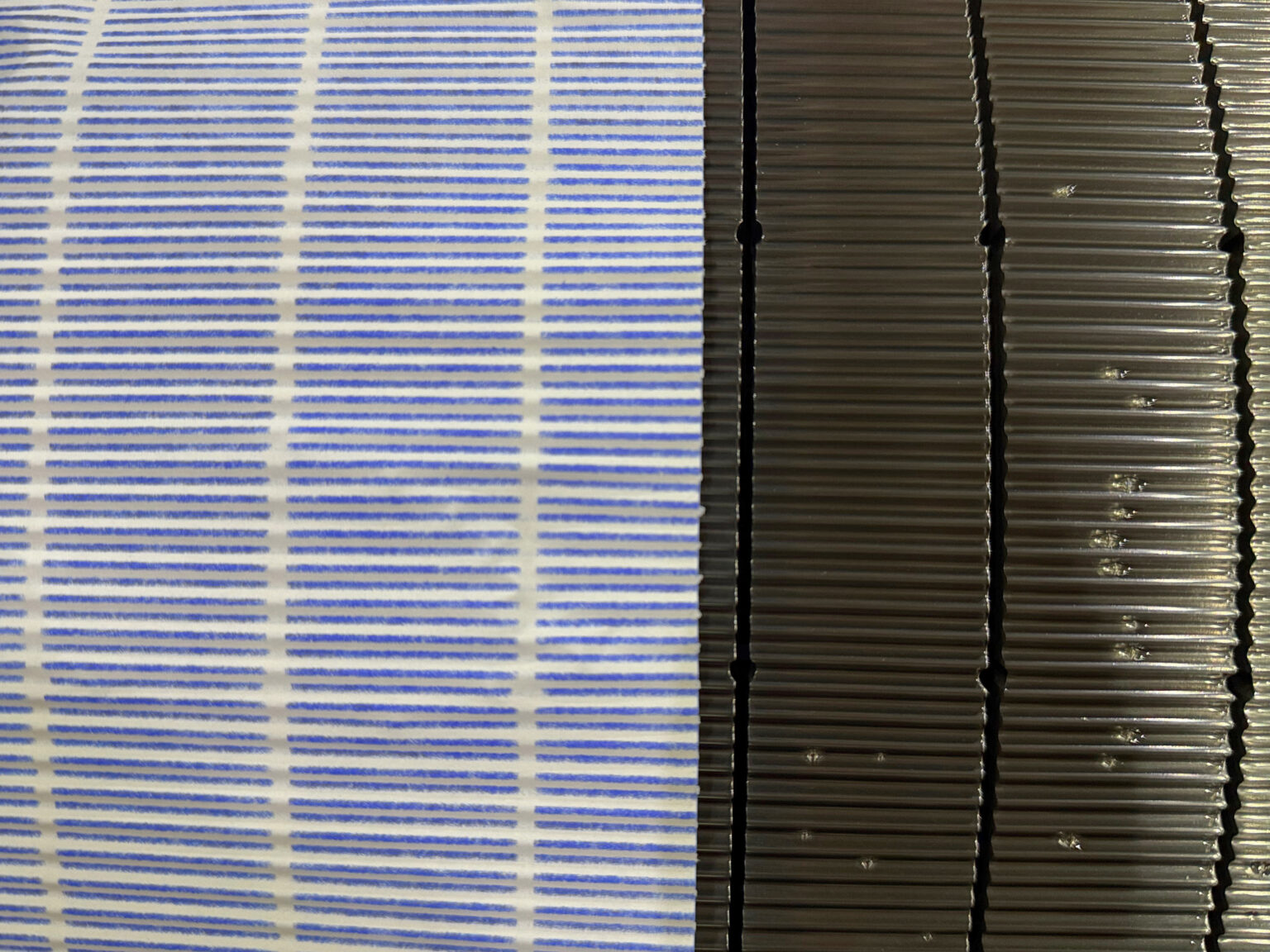
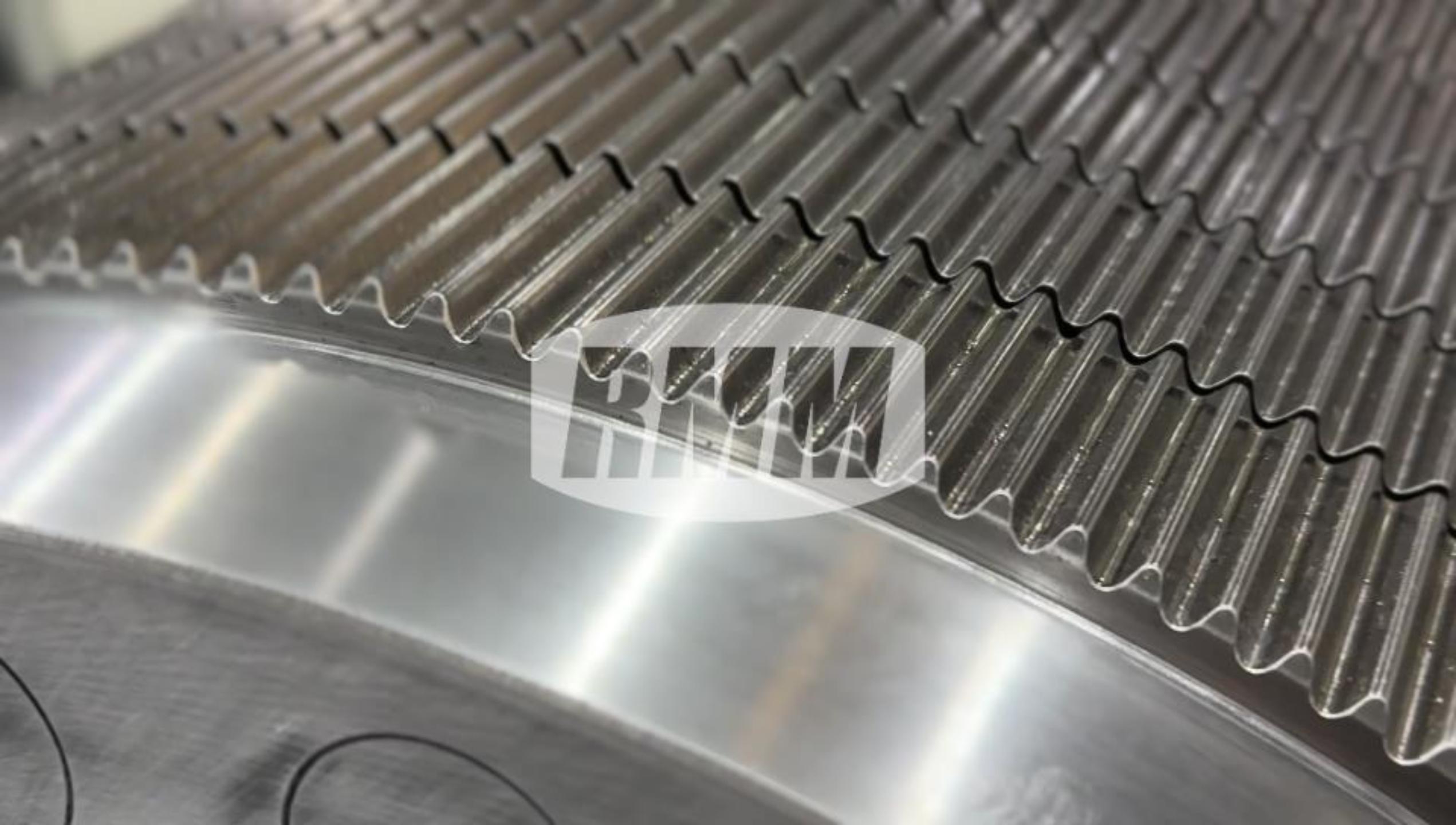
Standard flute profiles like A, C, B, E, and F are defined by their height and the number of flutes per 300mm. A-flute offers the best cushioning, while thinner E and F-flutes provide a superior printing surface. C and B are popular, versatile, all-around performers.
These standard profiles are the backbone of the corrugated industry. They are based on industry standards, like QB/T 2498-2023 in China, which are recognized globally. They are predictable and reliable because they have been tested and refined over many decades. Think of them as the "safe" choice. You know exactly what you are getting.
Understanding Flute Characteristics
The main differences come down to two factors: flute height (the height of the wave) and the number of flutes in a given length. A taller flute creates more space between the liners, which gives the board better cushioning and insulation. A shorter, more dense flute pattern creates a flatter, smoother surface.
Matching Flute to Application
Here is a simple breakdown of the most common standard profiles we produce:
| Flute Type | Flute Height (mm) | Flutes per 300mm | Key Characteristics & Common Uses |
|---|---|---|---|
| A | 4.5 - 5.0 | 34 - 35 | Excellent cushioning and compression. Used for wrapping fragile items. |
| C | 3.5 - 4.0 | 38 - 42 | Good all-rounder. Balances compression and cushioning. Very common for shipping boxes. |
| B | 2.5 - 3.0 | 46 - 50 | Good crush resistance and a stable printing surface. Used for die-cut boxes and displays. |
| E | 1.1 - 2.0 | 96 - 100 | Thin profile with an excellent printing surface. Used for retail packaging, like pizza boxes. |
| F | 0.6 - 0.9 | 136 ± 10 | Very thin and rigid. Often used for small retail packaging where space is a premium. |
Choosing a standard profile is often the right call for general-purpose applications where consistency and compatibility are the main priorities.
When Should You Choose a Custom Flute Profile?
Standard profiles are dependable, but what if they don't quite get you to your performance or cost targets? You might feel stuck with a profile that works, but isn't perfect.
Choose a custom flute profile when you have a specific, measurable goal that standard profiles cannot meet. This could be reducing paper consumption, increasing stacking strength, or solving a unique machine problem like vibration. It's a more advanced strategy, but the rewards can be significant.
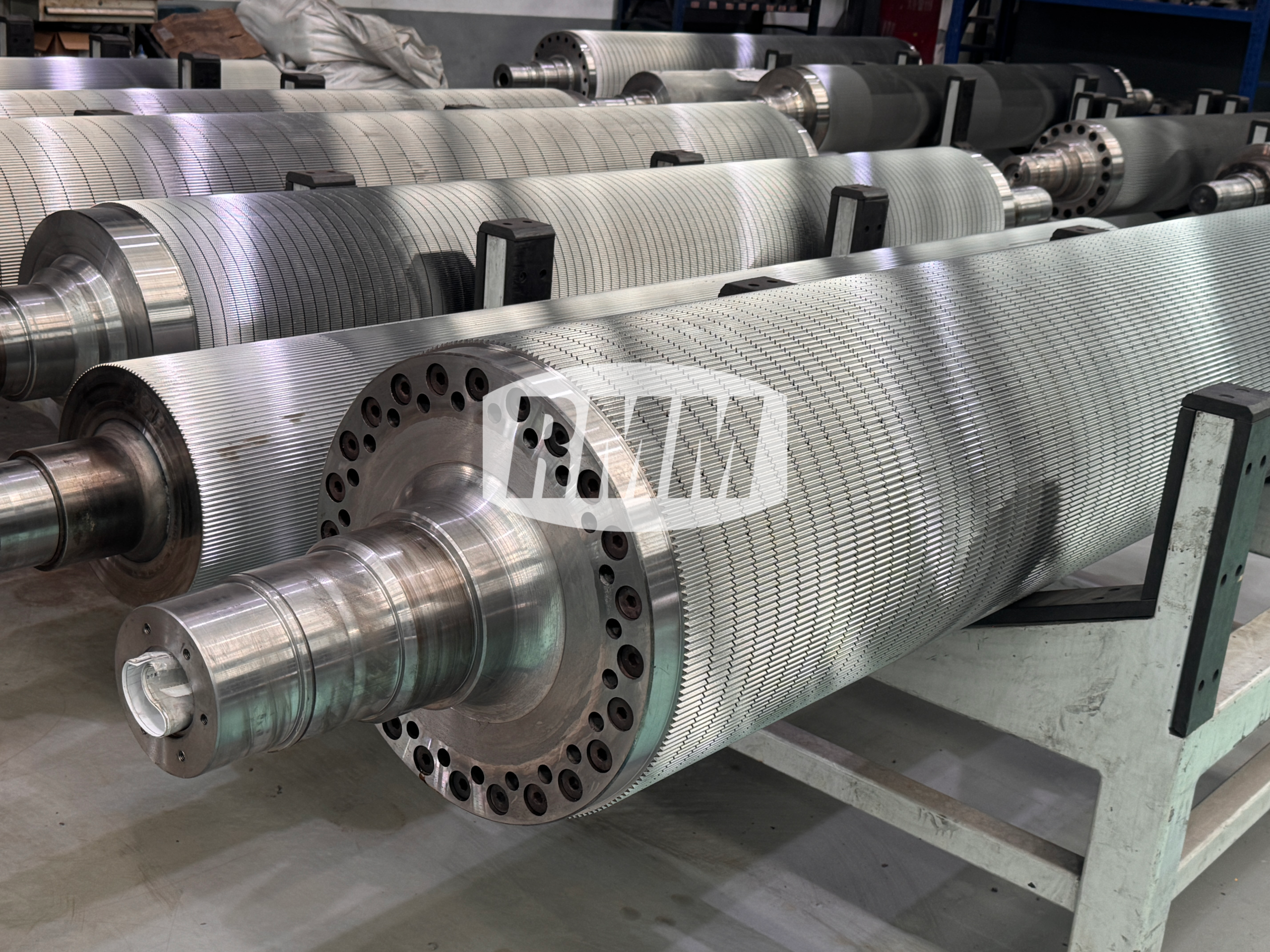
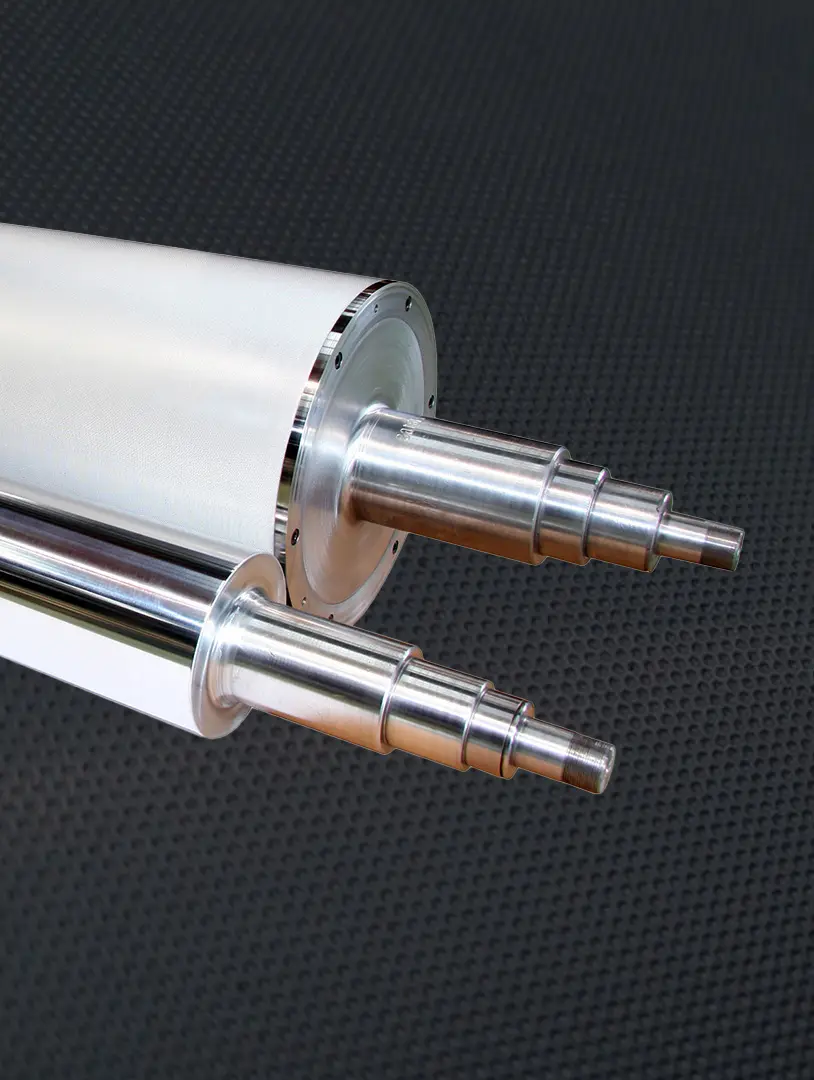
A custom profile is not just a random design. It is a precise modification of a standard profile's geometry. We might slightly change the radius, the angle, or the shape of the flute tip. These small adjustments can have a huge impact on the final board. This is where we move from a conservative approach to a more aggressive one focused on optimization.
Driving Down Costs
The most common reason our clients request a custom profile is to lower paper consumption. By optimizing the flute shape, we can reduce the take-up ratio (the amount of medium paper needed). Even a small percentage reduction can lead to massive savings over a year, especially for a high-volume plant. We work with the client to achieve the required board strength, like Edge Crush Test (ECT) values, using less paper.
Enhancing Board Performance
Sometimes, a standard profile just doesn't cut it for a special application. I remember a client in South Africa who needed to ship heavy auto parts. The standard C-flute boxes were failing under the specific stress points. We designed a custom profile that strengthened the board in a targeted way without increasing paper weight, solving their problem completely.
Solving Technical Problems
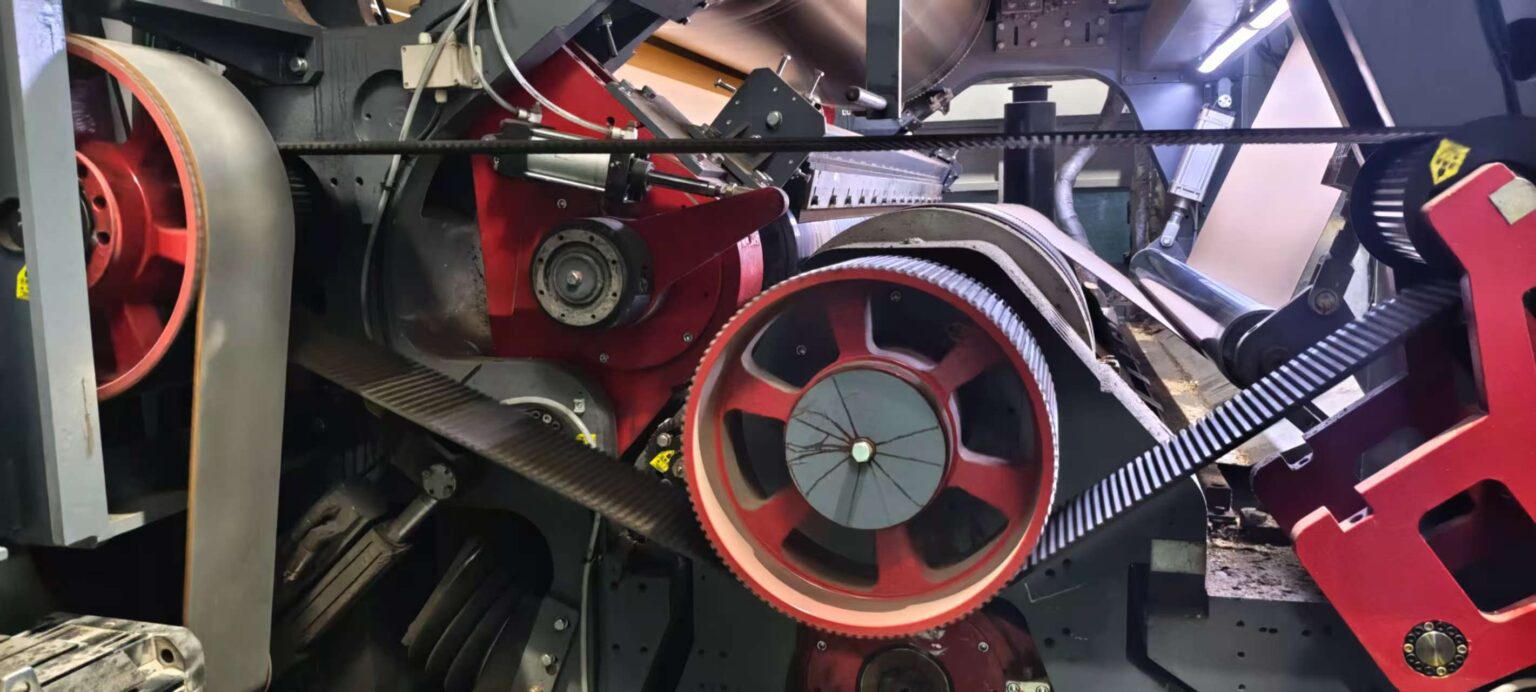
Custom profiles can also solve machine-specific issues. For example, some older corrugators can experience mechanical resonance at certain speeds, causing vibration and poor board quality. By designing a custom flute profile with a slightly different frequency, we can sometimes shift the resonance point and allow the machine to run smoothly at higher speeds. This is a highly technical solution for a very specific problem.
How Can You Trust a Custom Flute Profile?
The idea of an "aggressive" custom profile can be scary. You are interested in the benefits but worry about the risks. What if it causes production problems or doesn't perform as expected?
Trust in a custom profile comes directly from your supplier's experience and data. At RMM, we use over 30 years of performance data from thousands of rolls. This ensures our custom designs are not experiments, but are proven to be stable and reliable in the real world.
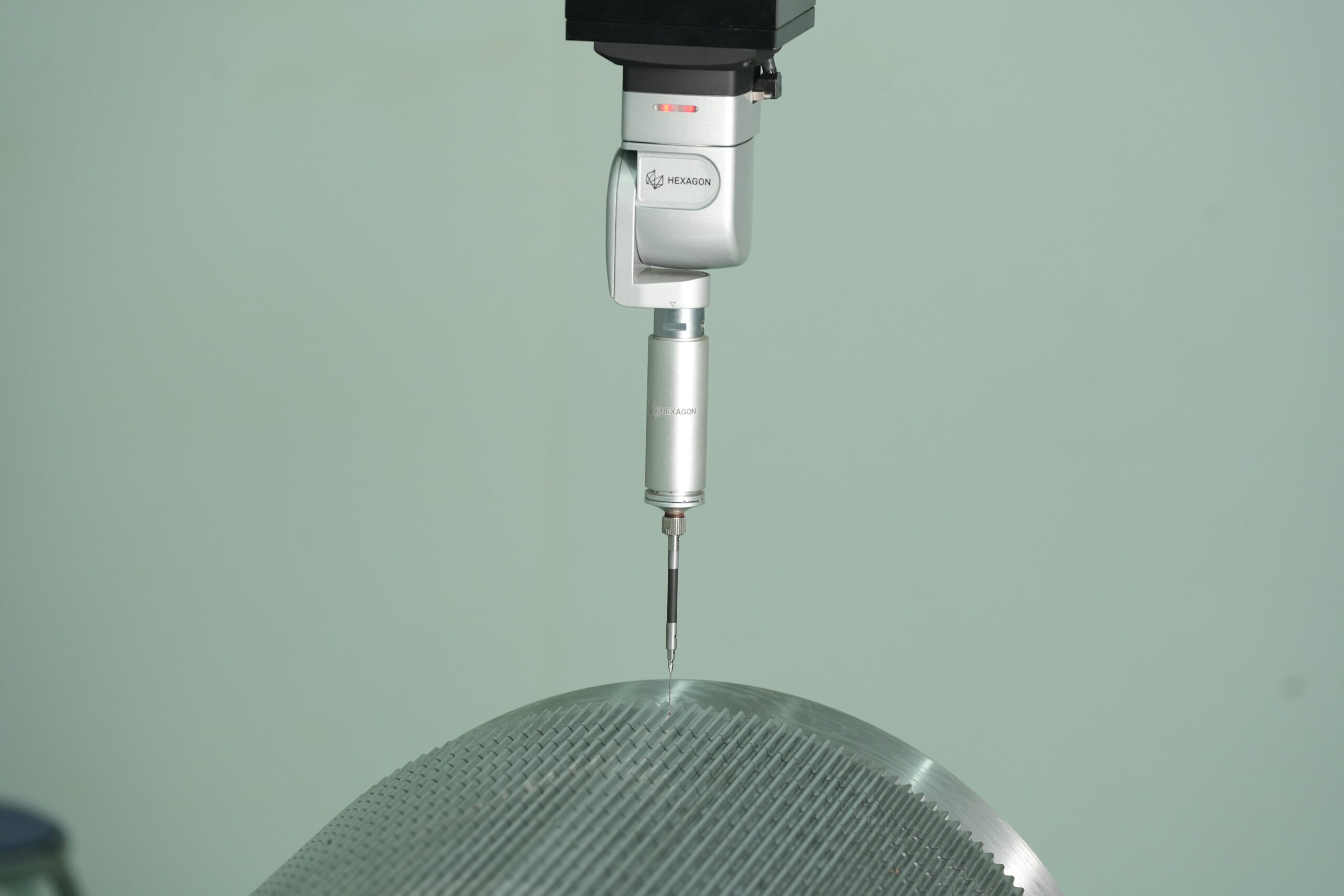
The fear of the unknown is valid. A poorly designed custom roll from an inexperienced supplier can be a disaster, leading to downtime and wasted material. Stability is everything. This is why our entire approach to custom profiles is built on a foundation of data.
Our 30+ Years of Data
When a client comes to us with a specific goal, we don't start from scratch. We start by analyzing our massive database. We have delivered over 20,000 roll sets to more than 70 countries. This gives us an incredible library of what works and what doesn't. We can see how a specific profile modification performed in a similar machine, with similar paper, in a similar climate. This data-driven approach removes the guesswork and risk.
The RMM Design Process
For us, "custom" does not mean "experimental." It means applying a proven solution to your unique situation. Our process involves:
- Understanding Your Goal: We first listen to exactly what you want to achieve.
- Analyzing Your Parameters: We look at your machine, paper types, and current performance.
- Designing with Data: Our engineers use our database and simulation software to design a profile that is optimized for your goal while ensuring stability.
- Manufacturing with Precision: We then manufacture the roll to exact specifications, ensuring the design is perfectly executed.
This process ensures that when you get a custom roll from RMM, you are getting a solution that is both innovative and incredibly reliable.
Conclusion
Standard profiles offer safety, while custom profiles provide opportunity. The right choice depends on your goals, and we are here to help you make that decision with confidence.