Struggling with weak bonds or wasted adhesive? This inconsistency costs you money and harms your board quality. The secret to perfect gluing lies in the design of your corrugating roll's flute profile.
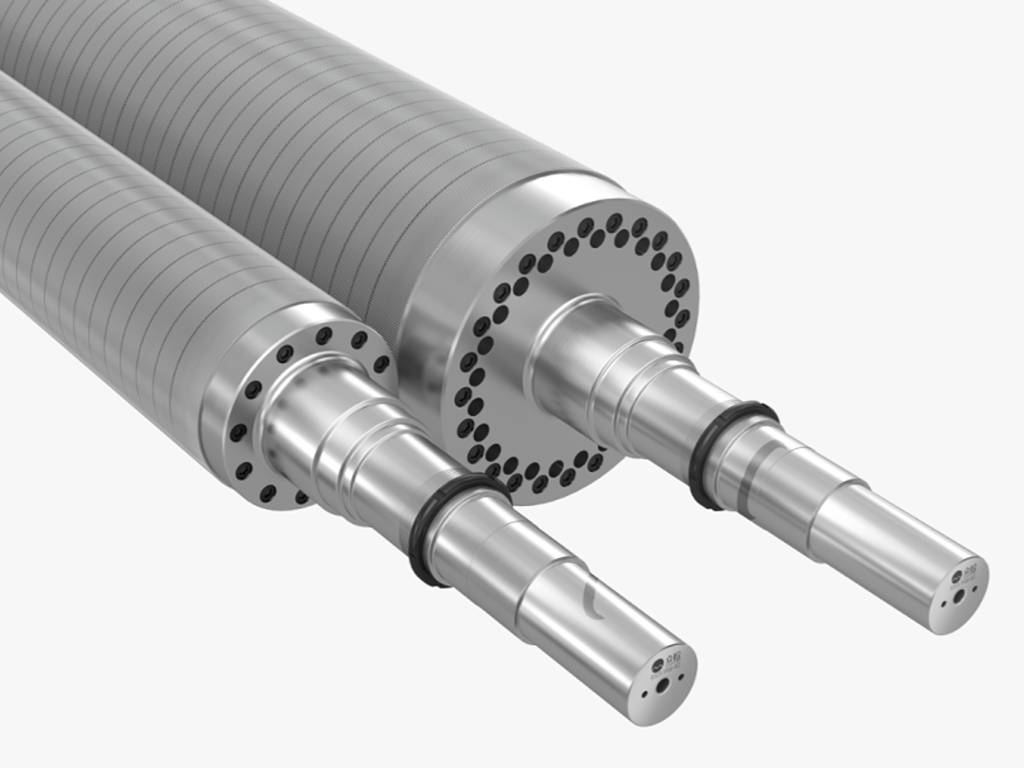
Achieving uniform gluing requires optimizing your corrugating roll's flute profile. By carefully selecting the flute shape, tip radius, and flute count, you ensure the adhesive is applied precisely and consistently on every single peak, leading to stronger boards and reduced glue consumption.
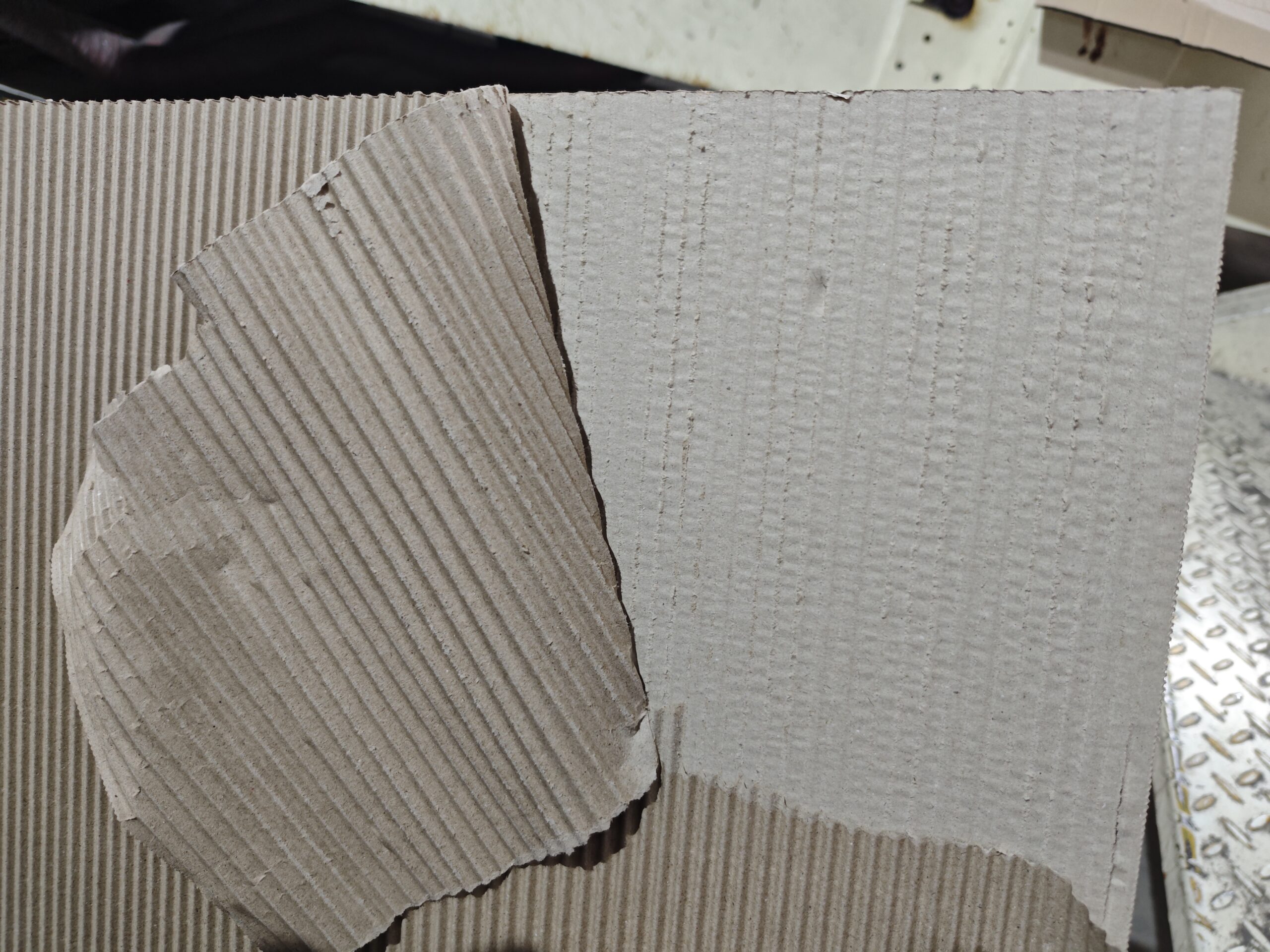
You might be surprised by how much the tiny details of your corrugating roll affect your glue line. These details can be the difference between a profitable run and a pile of scrap. Let's break down exactly how these elements work together to create a perfect bond. Understanding this is the first step to mastering your production line and improving your bottom line.
How Does Your Flute Profile Shape Affect Glue Application?
Do some of your boards delaminate while others seem over-glued? This frustrating inconsistency costs time and materials. It might not be your glue or your operator, but the fundamental shape of your flute profile.
The flute profile geometry (e.g., U-shaped vs. V-shaped) significantly affects adhesive transfer characteristics. V-shaped profiles tend to concentrate adhesive on a narrow tip, enabling faster initial bonding at high speeds. However, they are less tolerant to process variations. U-shaped profiles provide a broader contact area, allowing more uniform adhesive distribution and improved bonding consistency, especially under variable operating conditions. This impacts both bond strength and total glue consumption.
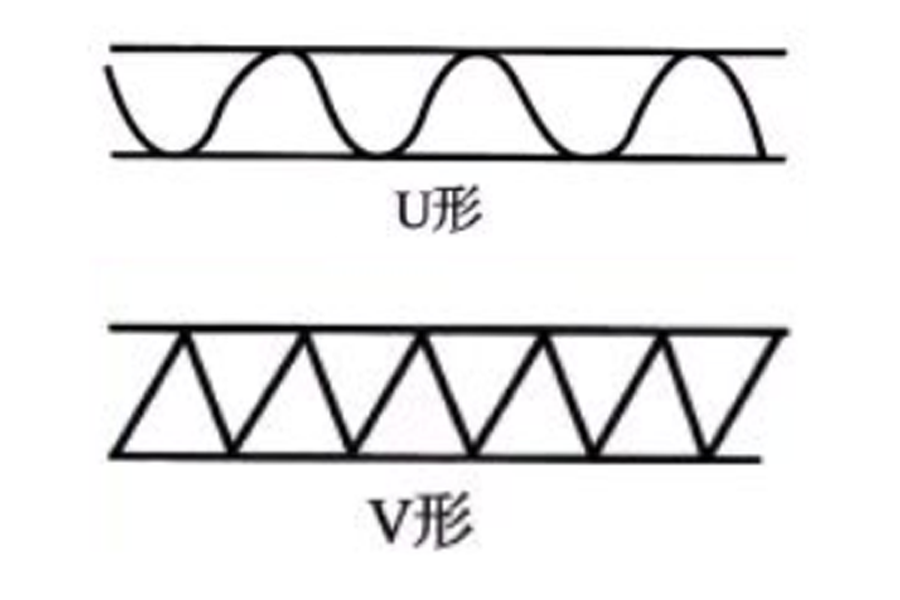
Let's dive deeper into this. The geometry of the flute dictates where and how the glue sits on the flute tip before it transfers to the linerboard. A V-shaped profile creates a very sharp, narrow peak. This is great for achieving a quick, strong initial tack at high speeds because the pressure is concentrated in a small area. However, it's less forgiving. If your settings aren't perfect, you can easily get a "starved" glue line, resulting in a weak bond. On the other hand, a U-shaped profile has a rounder, broader peak. This creates a wider surface for the glue, which leads to a more robust and consistent bond. It's more forgiving of small variations in pressure or paper quality. I remember visiting a plant in Turkey that struggled with inconsistent bonding on their boxes. We analyzed their process and switched them from a standard V-profile to a custom-modified U-profile. The change was immediate. Their issues with weak edges and delamination almost disappeared overnight. It really showed me how a small design change can make a huge difference in daily operations.
| Profile Shape | Glue Application | Best For |
|---|---|---|
| V-Shape | Concentrated, narrow line | High-speed production, quick tack |
| U-Shape | Wide, even line | Strong, consistent bonds; more forgiving |
Why Does the Flute Tip Radius Matter So Much for Gluing?
Ever wonder why your glue doesn't spread evenly, even with the right settings? This can cause weak spots in your board and waste expensive adhesive. The answer could be in the tiny curve at the very tip of your flutes.
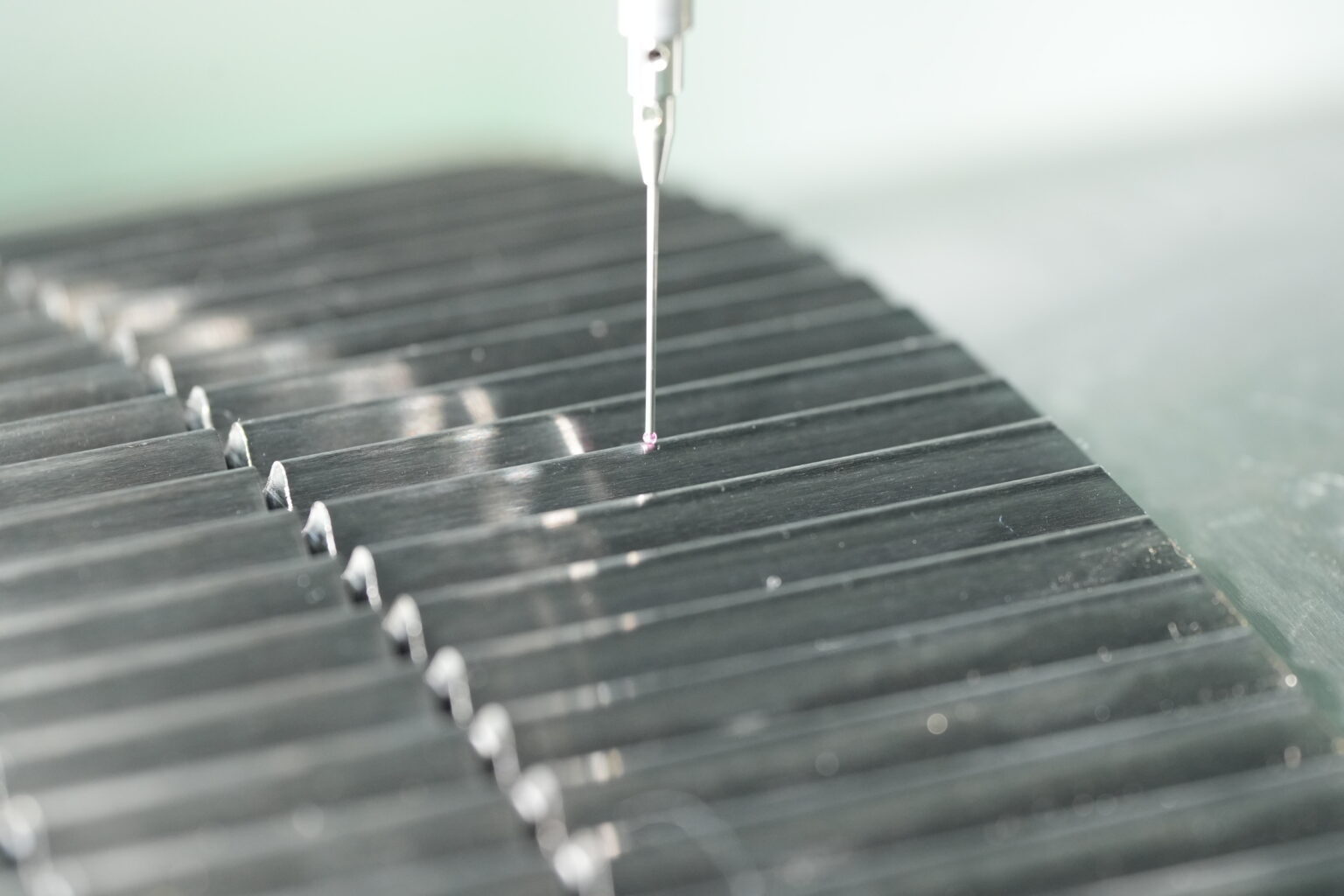
The flute tip radius plays a critical role in adhesive pickup and transfer efficiency. A smaller tip radius increases localized pressure and adhesive pickup precision but may lead to unstable transfer due to surface tension effects. A larger radius improves wetting behavior and promotes more uniform adhesive distribution, resulting in a more consistent bond line.
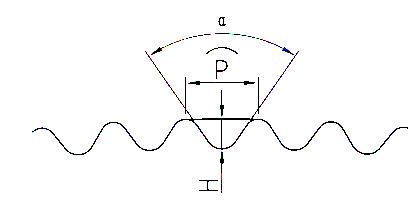
This comes down to simple physics, specifically surface tension. Think of how a water droplet beads up on a surface. A small, sharp flute tip—common in micro-flutes like G and N—has a very small surface area. The glue's surface tension causes it to "bead up" on the tip. This allows for very precise, minimal glue application, but it's a delicate balance. A slight change in pressure or viscosity can disrupt the transfer, leading to an inconsistent glue line. In contrast, a larger, rounder flute tip (like on B or C flutes) provides more surface area. This helps the glue spread out more before it transfers to the liner, creating a wider, more uniform glue line. This is much more forgiving and ensures a solid bond, especially when running heavier paper or at varying speeds. It’s all about matching the radius to the job. For a customer in South Africa running heavy-duty board, we recommended a profile with a larger tip radius to ensure deep, consistent glue penetration for maximum strength.
| Tip Radius | Glue Adhesion | Glue Flow | Uniformity |
|---|---|---|---|
| Small (Sharp) | High | Poor | Can be uneven |
| Large (Round) | Moderate | Good | More consistent |
How Does Flute Wear Impact Your Gluing and Costs?
Are your glue costs slowly creeping up while board quality seems to be dropping? You might blame the glue or the operators, but the real culprit could be hidden in plain sight: the gradual wear on your corrugating rolls.
As corrugating rolls wear, the flute profile changes. The tips flatten, the flute height decreases, and the overall shape becomes distorted. This directly alters the contact area for gluing, leading to inconsistent application, increased glue consumption, and weaker board adhesion.
Let's look at what happens as a roll wears. First, the flute tips become flat. An operator might see weak bonds and try to compensate by applying more pressure or increasing the glue volume. This just wastes adhesive without fixing the root problem. Second, the flute height decreases. This changes the critical gap between the flute tip and the linerboard, making it impossible to get a clean, consistent glue transfer. You end up with some areas getting too much glue and others getting none at all. The result is a warped, weak board that fails quality checks. Over our 30 years in this business, We've seen countless corrugating rolls come to us for refurbishment. They are often worn down several millimeters. After we regrind the rolls and restore the original flute profile, our customers are always amazed. They consistently report a significant reduction in glue usage, often between 10-15%, and a dramatic drop in their waste percentage. That's a direct and immediate impact on their bottom line. Regular roll maintenance isn't a cost; it's an investment in efficiency.
Can a Custom Flute Profile Really Optimize Your Gluing Process?
Are you struggling to find a standard flute profile that perfectly matches your paper, speed, and glue formula? This one-size-fits-all approach often limits your efficiency and final product quality. A custom-designed flute profile can solve these specific challenges.
Yes, absolutely. A custom flute profile from RMM is engineered for your exact operating conditions. By optimizing the tip shape, contact area, and overall geometry, it ensures uniform glue distribution, reduces adhesive consumption, and maintains consistent bond strength, even at high speeds.
Think of it this way: a standard flute profile is like an off-the-shelf suit. It might fit okay, but it's never perfect. A custom profile is like a tailored suit; it’s made just for you. When we design a custom profile, we analyze everything. What kind of paper are you running? What is your machine's top speed? What is your glue formula? We take all these factors into account. For a client in India running very lightweight paper at high speeds, we designed a profile with a unique tip structure that applied just enough glue for a strong bond without crushing the delicate flutes. For another client in Russia making heavy-duty board for cold climates, we engineered a profile that created a wider, deeper glue line for maximum strength. Our goal is to create a stable, forgiving application window. This makes the operator's job easier, reduces process fluctuations, and minimizes scrap. A custom profile from RMM isn't just a service; it's a solution designed to make your entire operation more efficient and profitable.
Conclusion
Uniform gluing depends on your flute profile's shape, tip, and condition. A custom RMM profile optimizes this process, giving you stronger boards, lower costs, and better overall efficiency.