When it comes to corrugated board production, choosing the right type of corrugating roll can feel overwhelming. What’s the real difference between tungsten carbide rolls and hard chrome-plated ones?
Tungsten carbide corrugating rolls and hard chrome-plated rollers differ primarily in material, durability, and cost-efficiency. While tungsten carbide offers longer life and superior performance, hard chrome-plated rollers are more cost-effective but less durable.
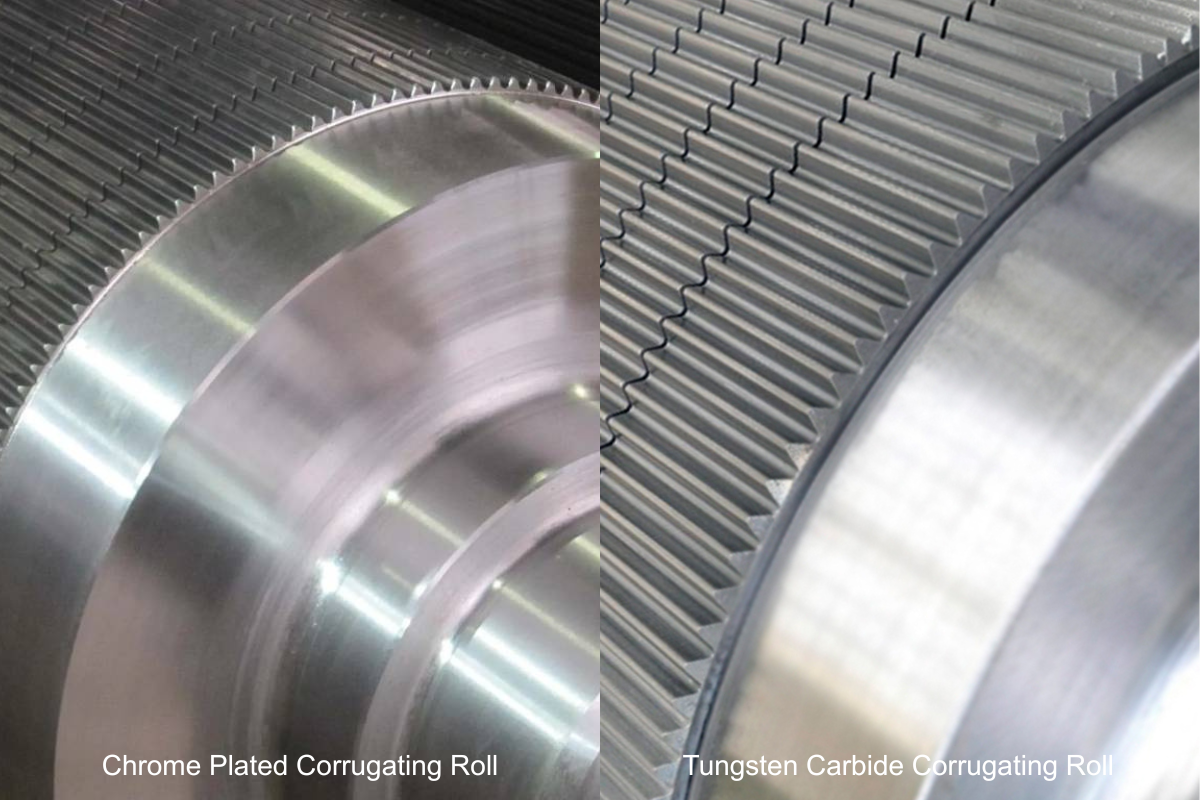
Both have unique strengths, and understanding these differences is critical to choosing the best option for your specific needs.
What Are the Material and Processes Behind Each Roll Type?
Material and production methods heavily influence the performance of these rolls. But what sets tungsten carbide apart from hard chrome?
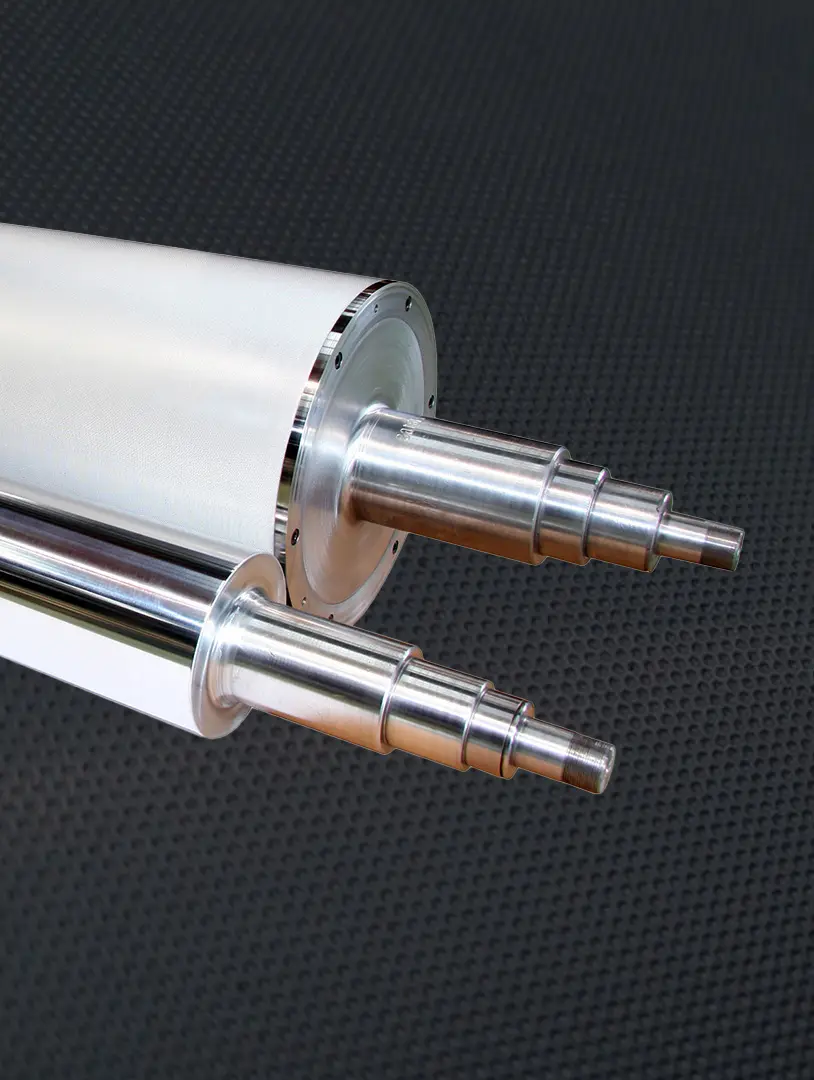
Tungsten carbide rolls feature a special alloy steel base, coated with a dense tungsten carbide layer through high-velocity spraying. Hard chrome rolls use 50CrMo alloy steel, surface-treated with a hard chrome plating of 0.08 to 0.15 mm thickness.At RMM, we use Praxair tungsten powder for this process to ensure superior wear resistance and durability.
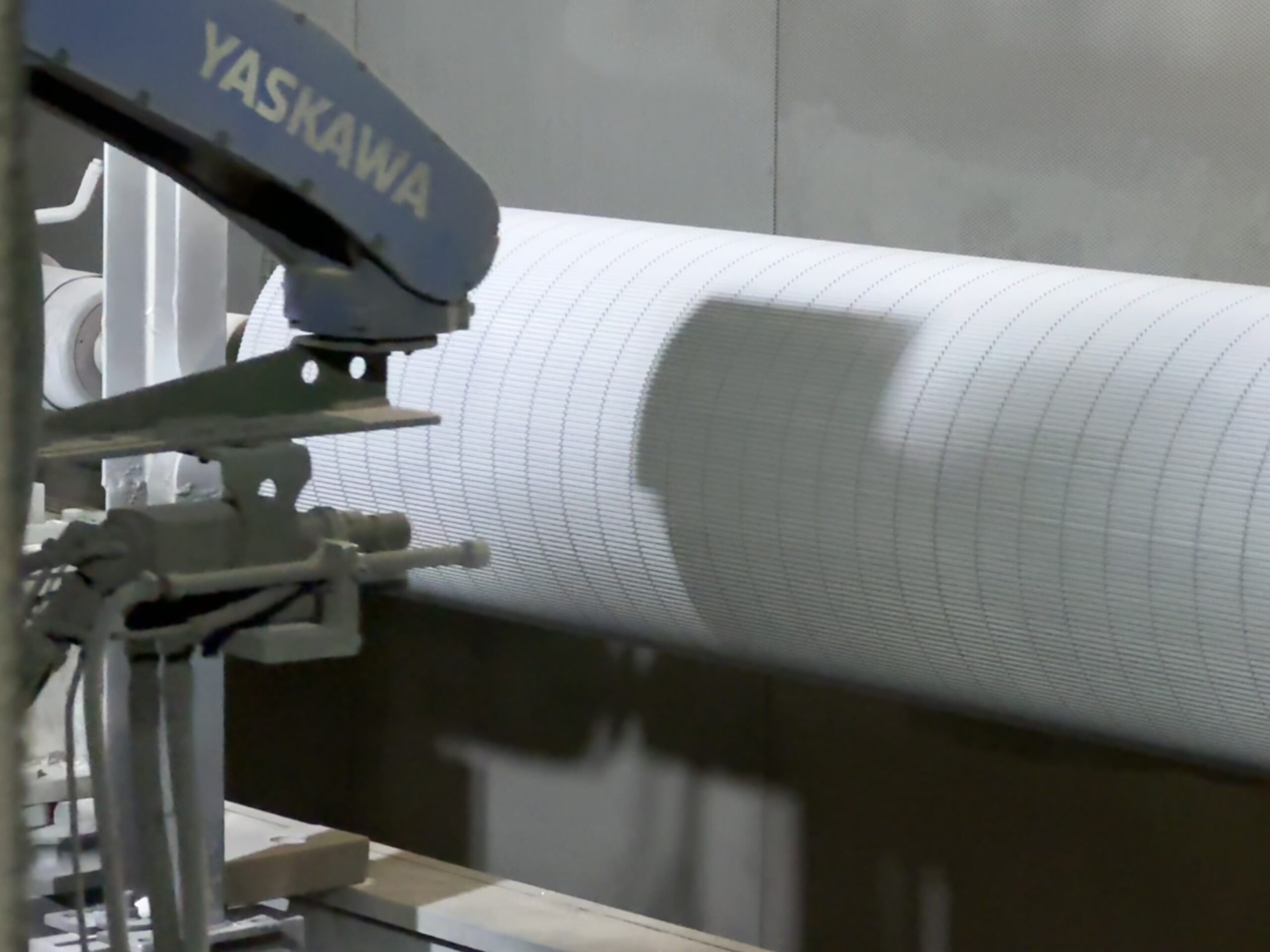
The result is a more wear-resistant, corrosion-proof surface on tungsten carbide rolls. On the other hand, the chrome plating, though robust, offers lower hardness (HRC58-60) compared to tungsten carbide (HV0.3 > 1200).
How Do They Compare in Durability and Lifespan?
Nothing impacts production efficiency more than downtime caused by wear and tear. So, how do these rolls measure up over time?
Tungsten carbide rolls can last over 35 million linear meters, retaining their corrugation accuracy with minimal wear (0.06-0.08 mm per cycle). Chrome-plated rolls wear out after about 6-8 million meters due to the thinner coat and less resistant steel base. At RMM, our tungsten carbide rolls can achieve a service life of up to 100 million linear meters under optimized operating conditions
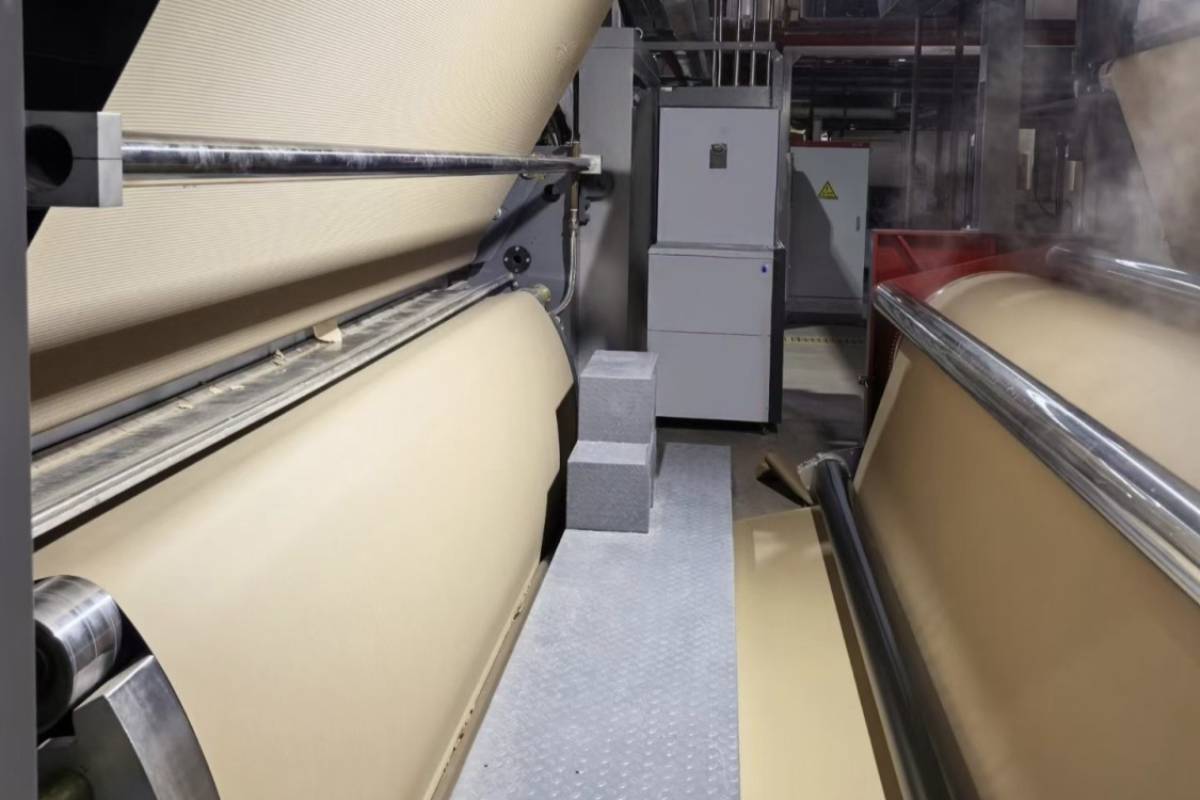
While chrome-plated rolls require frequent replacement or repair, tungsten carbide rolls not only endure but keep the production line smooth and consistent.
How Do They Impact Corrugated Board Quality?
Corrugated board quality makes or breaks your business. But how do these roll types affect it?
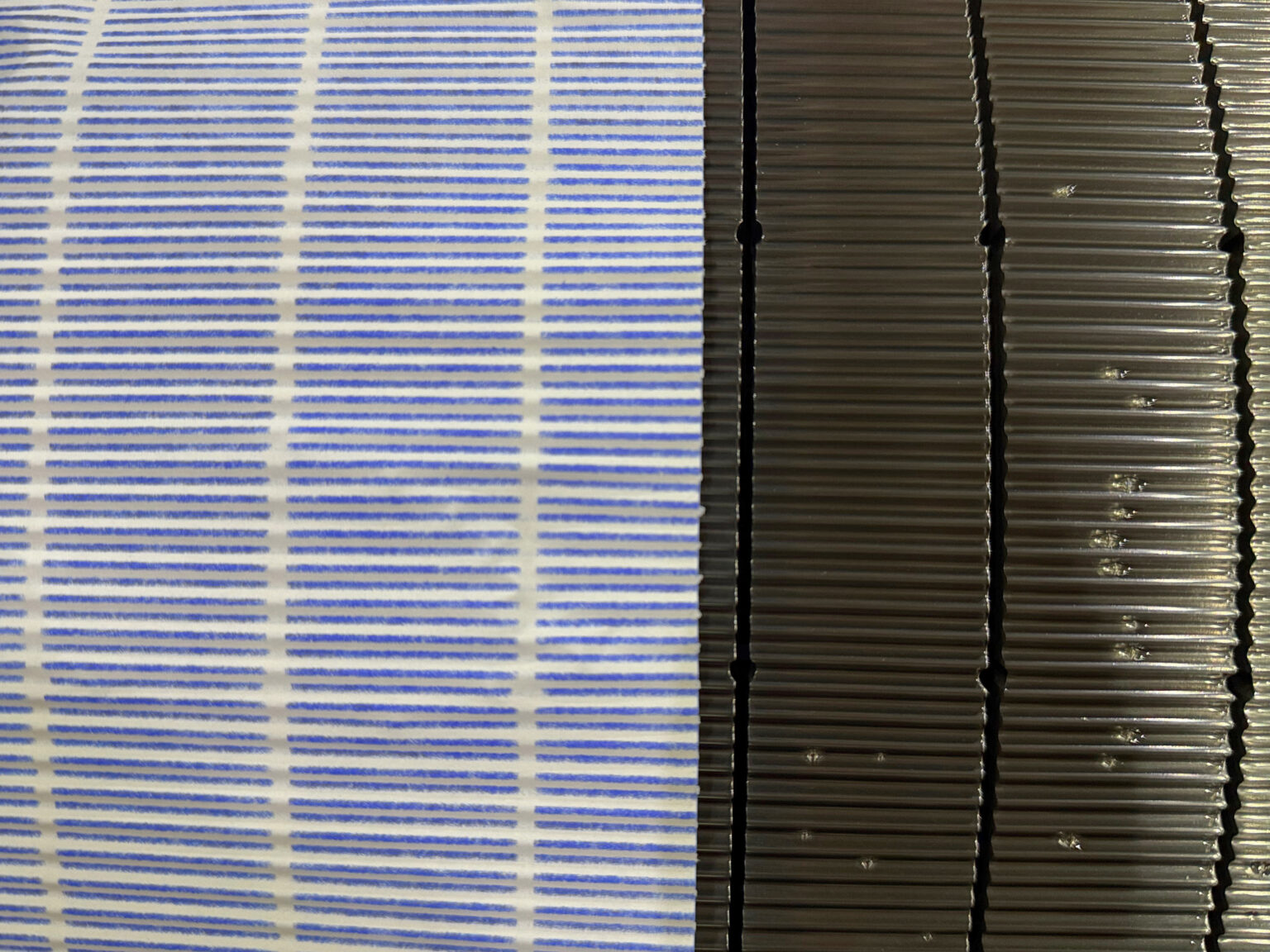
Tungsten carbide rolls maintain consistent flute profiles and adhesive application over time, ensuring high-quality, uniform boards. Hard chrome rollers, on the other hand, degrade and result in uneven flutes, inconsistent adhesive, and weaker boards.
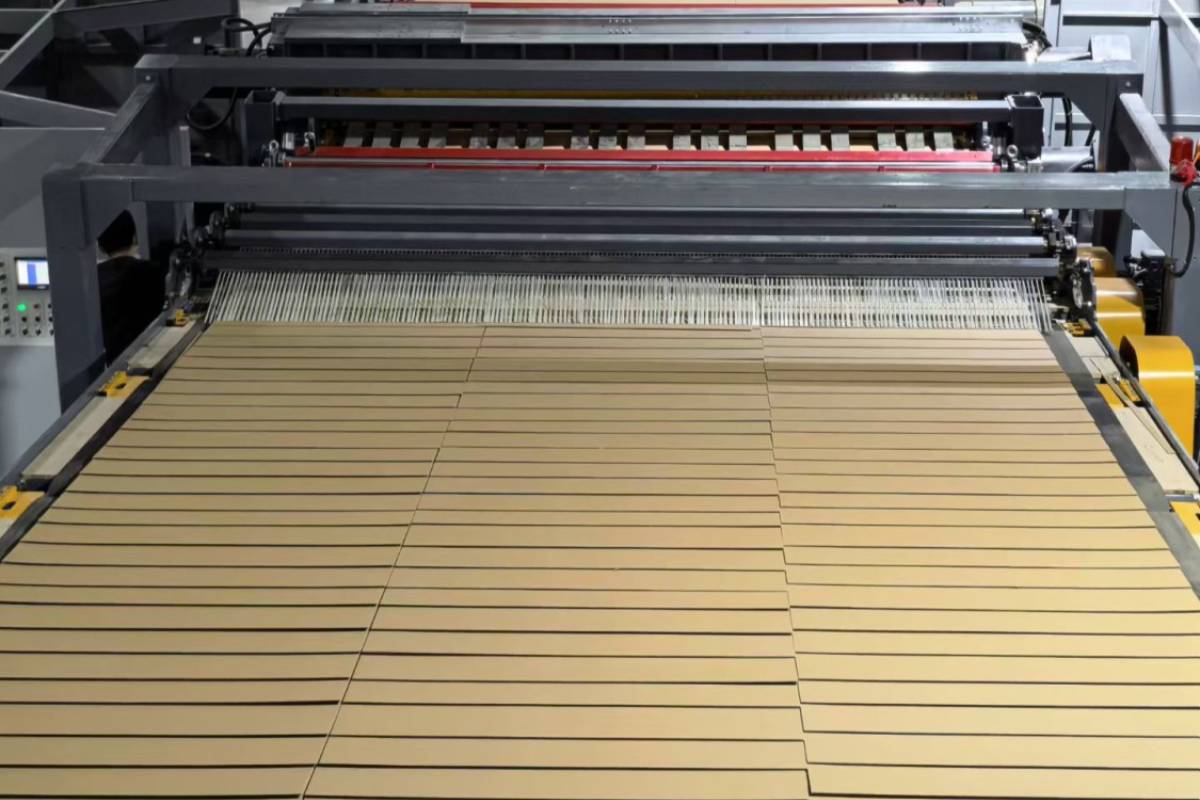
This difference becomes more evident in industries requiring high-strength or export-grade packaging, where quality consistency is a must.
Which Is More Cost-Effective in the Long Run?
Initial cost is often the sticking point. So, which one delivers true value?
Though tungsten carbide rolls have a higher upfront cost, their durability and lower maintenance needs make them more economical in the long term. Chrome-plated rollers, while cheaper initially, incur more frequent replacement and repair expenses.
Additionally, tungsten carbide rolls support re-coating methods, allowing for reuse of the base roll, further reducing long-term costs. Chrome rolls, however, become less efficient and lose diameter with each repair.
Where Should Each Roll Type Be Used?
Finally, it boils down to application. Where does each roller type shine?
Tungsten carbide rolls are best for high-speed, high-quality production lines like export packaging or premium boxes. Chrome rolls suit medium/low-speed lines where cost sensitivity outweighs quality concerns.
Both have their place, but it’s all about aligning the roll choice with your operational goals.
Conclusion
Tungsten carbide and hard chrome-plated corrugating rolls each have their strengths. Tungsten carbide rolls stand out for durability and consistent quality, making them ideal for high-performance environments, while chrome-plated rolls provide a cost-effective option for less demanding operations.