Struggling with rolls that wear out too fast, causing downtime and inconsistent quality? You need a solution that lasts, keeping your production line running smoothly and efficiently.
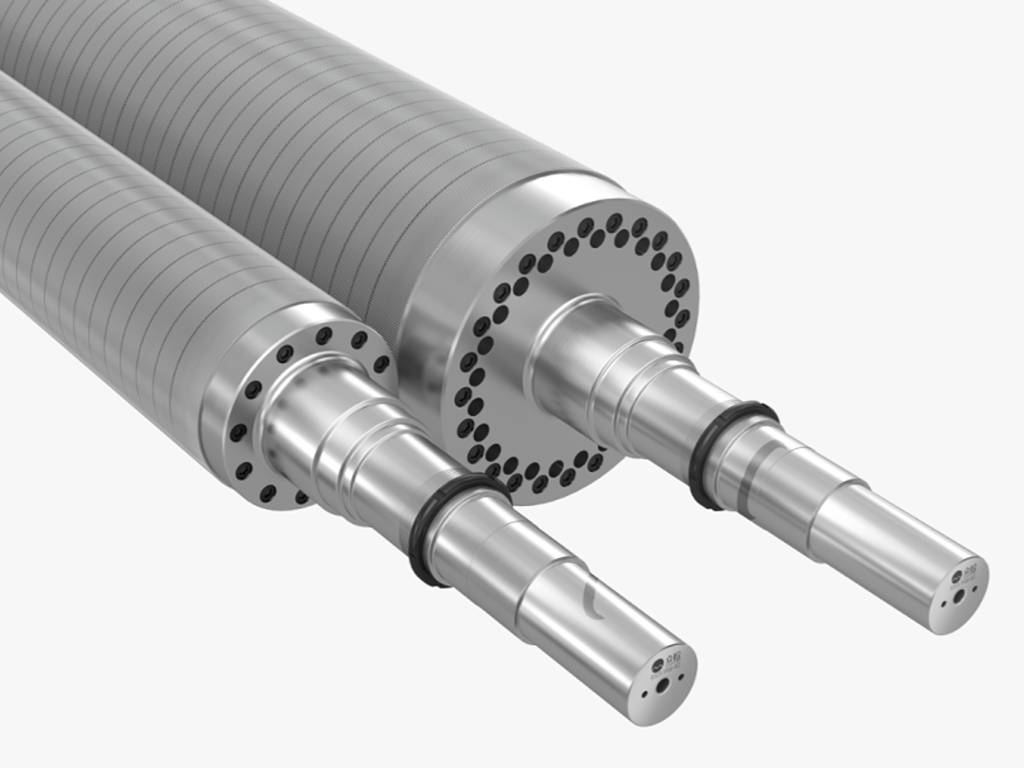
Tungsten carbide corrugating rolls are advanced rollers coated with an extremely hard layer of tungsten carbide. This coating is applied using a High-Velocity Oxygen Fuel (HVOF) process, making the rolls incredibly durable, wear-resistant, and long-lasting compared to traditional chrome-plated rolls.
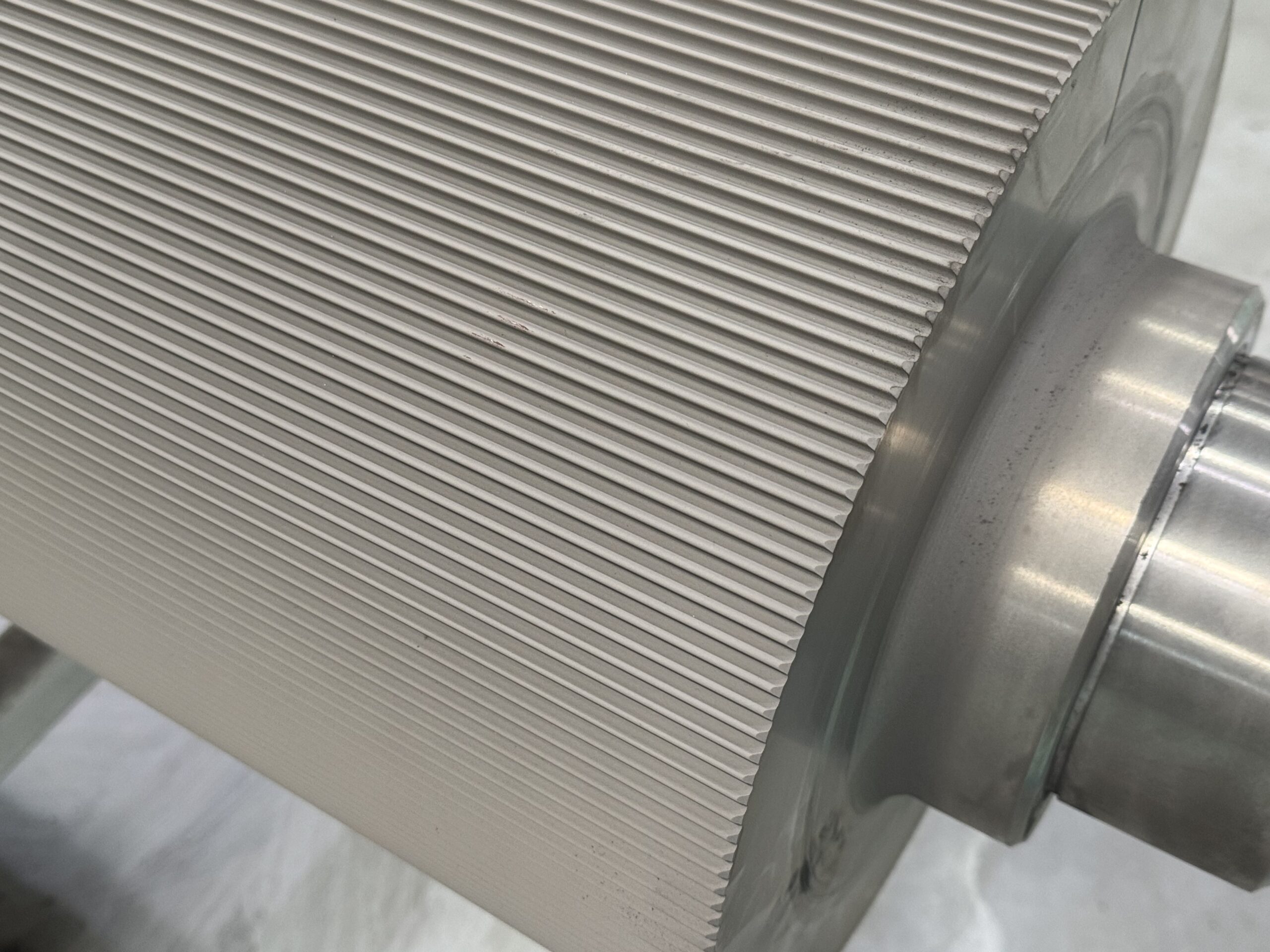
So, you know they are super-hard rolls. But what does that really mean for your production line's performance and your company's bottom line? The technology behind these rolls directly impacts your efficiency, product quality, and operational costs. It’s worth taking a closer look at how they are made and why they perform so well. Let's dive into the details that make these rolls a game-changer for cardboard production.
How Is the Tungsten Carbide Coating Applied?
You hear the word "coating" and might worry about it chipping or peeling off. A failed coating means a failed roll, leading to immediate production stoppage and costly replacements.
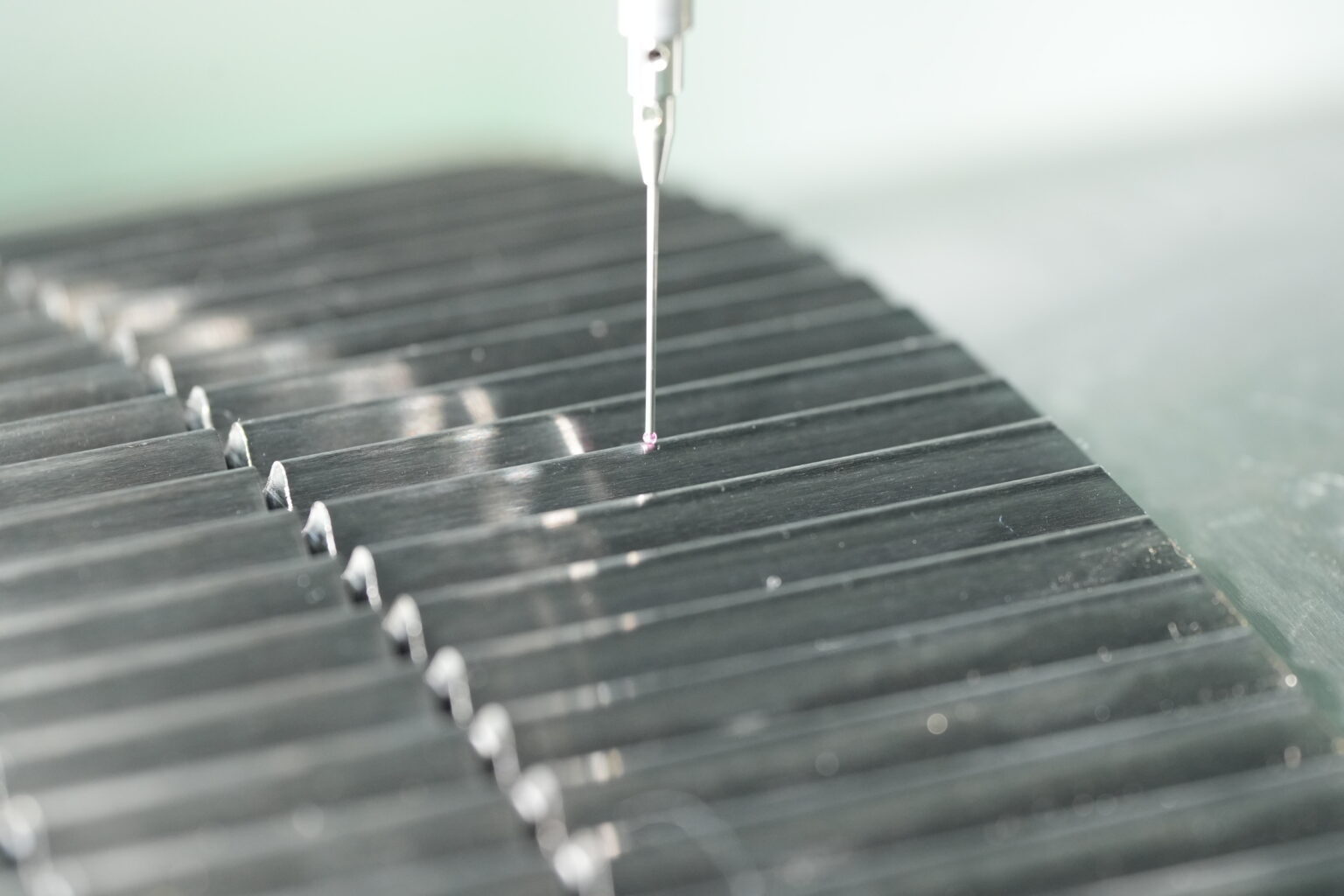
The tungsten carbide coating is applied using a High-Velocity Oxygen Fuel (HVOF) spraying process. This technique melts tungsten carbide alloy powder and sprays it onto the roll's surface at supersonic speeds, creating a dense, uniform, and strongly bonded layer 0.06-0.08 mm thick.
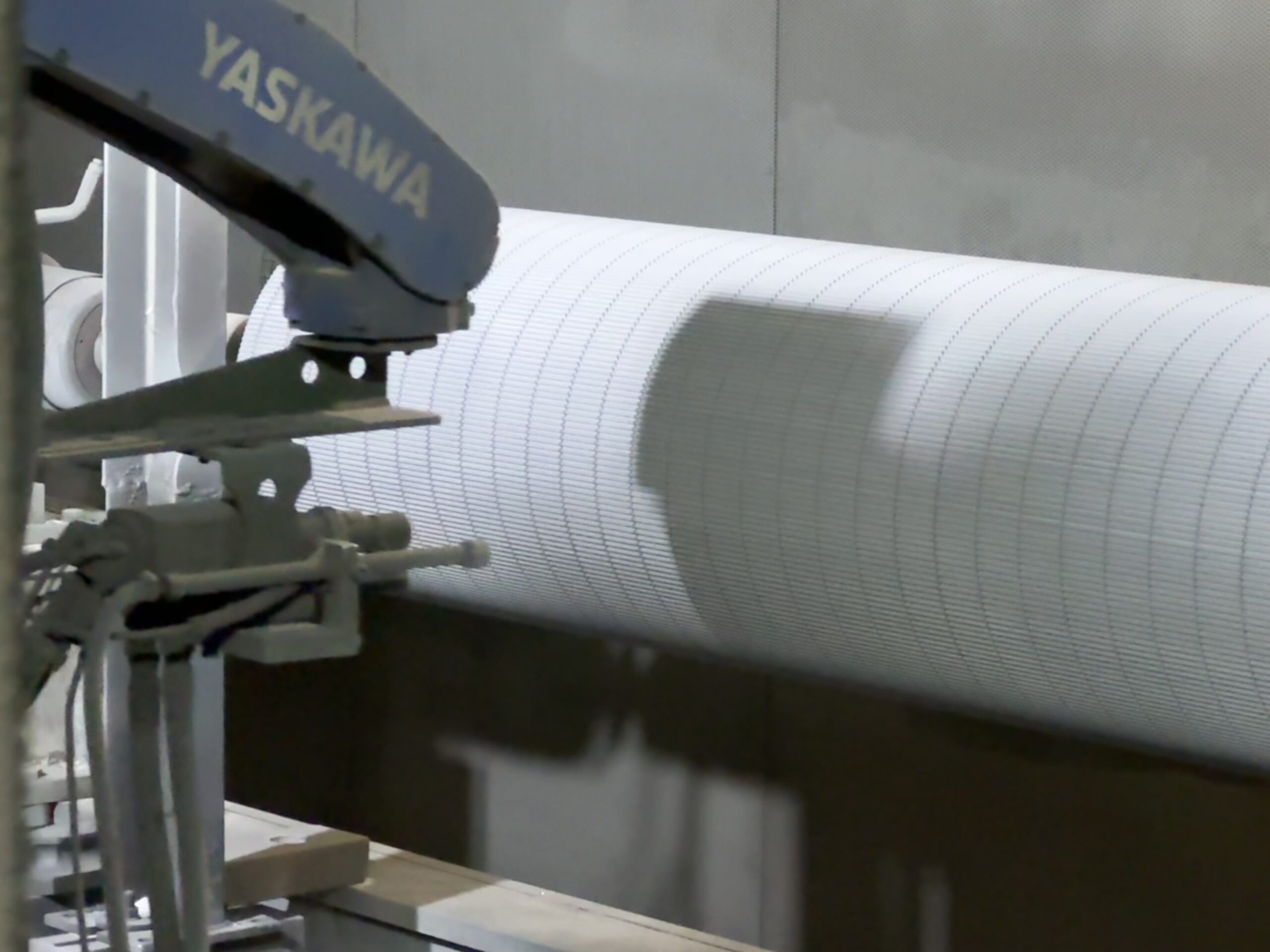
The HVOF process is what makes all the difference. It's not like painting a wall. We're using extreme heat and speed to create a metallurgical bond between the coating and the roll body. The tungsten carbide powder is heated until molten and then shot at the roll faster than the speed of sound. This creates an incredibly dense and tough layer. I remember back in 2002, when our company, RMM (Shanghai Dasong Corrugating Roll Co.,Ltd.), produced the very first pair of tungsten carbide corrugating rolls in China. The technology was revolutionary. It resulted in a coating with a micro-hardness over HV1250 and a bond strength greater than 75MPa. This isn't just a layer on top; it becomes an integral part of the roll, ready to withstand immense pressure and abrasion.
| Feature | Specification | Benefit for You |
|---|---|---|
| Coating Process | HVOF Supersonic Spraying | Creates a dense, non-porous surface. |
| Coating Thickness | 0.06-0.08 mm | Optimal thickness for durability without affecting flute profile. |
| Micro-Hardness | > HV1250-1400 | Extreme resistance to wear and abrasion. |
| Bond Strength | > 75 MPa | Coating will not chip, flake, or peel during operation. |
What Are the Performance Advantages Over Chrome-Plated Rolls?
Your old chrome-plated rolls are wearing down fast. This causes the flute height to shrink and your cardboard quality to drop, leading to more waste and unhappy customers.
Tungsten carbide rolls are much harder and more wear-resistant than traditional chrome-plated rolls. Their operational lifespan is three to five times longer, ensuring stable cardboard quality and significantly reducing the frequency and cost of replacements.
The difference in day-to-day operation is huge. First, the wear resistance is incredible. Tungsten carbide's hardness is second only to diamond. This means the flute profile on your rolls barely changes over millions of meters of production. The total wear on the flute height is often less than 0.08 mm over the roll's entire life. This stability ensures your cardboard thickness and strength remain consistent, which drastically cuts down your scrap rate. We also polish the roll surface to a high finish (Ra0.4-0.6), which helps reduce friction for high-speed production and can even lower the amount of glue you need. Best of all, these rolls are reusable. When the coating eventually wears, we can use a special process to strip it and re-coat the original roll body, saving you the cost of a brand-new roll.
| Advantage | Tungsten Carbide Rolls | Traditional Chrome-Plated Rolls |
|---|---|---|
| Lifespan | 3-5 times longer | Standard |
| Wear Resistance | Extremely high | Moderate |
| Flute Height Stability | Minimal wear, consistent board quality | Degrades over time, inconsistent quality |
| Cost Savings | Fewer replacements, less waste, lower glue use | Lower initial cost, higher long-term cost |
| Reusability | Yes, can be stripped and re-coated | No, typically requires full replacement |
Are Tungsten Carbide Rolls Suitable for All Flute Types?
Running fine flutes like E or F? You might think chrome plating is your only option. But chrome wears out fast on these delicate profiles, causing frequent, expensive roll changes.
Yes, tungsten carbide rolls are perfect for all flute types, especially micro flutes like E and F. While many manufacturers use chrome for fine flutes, RMM's advanced ability to apply tungsten carbide coating provides a huge durability advantage.
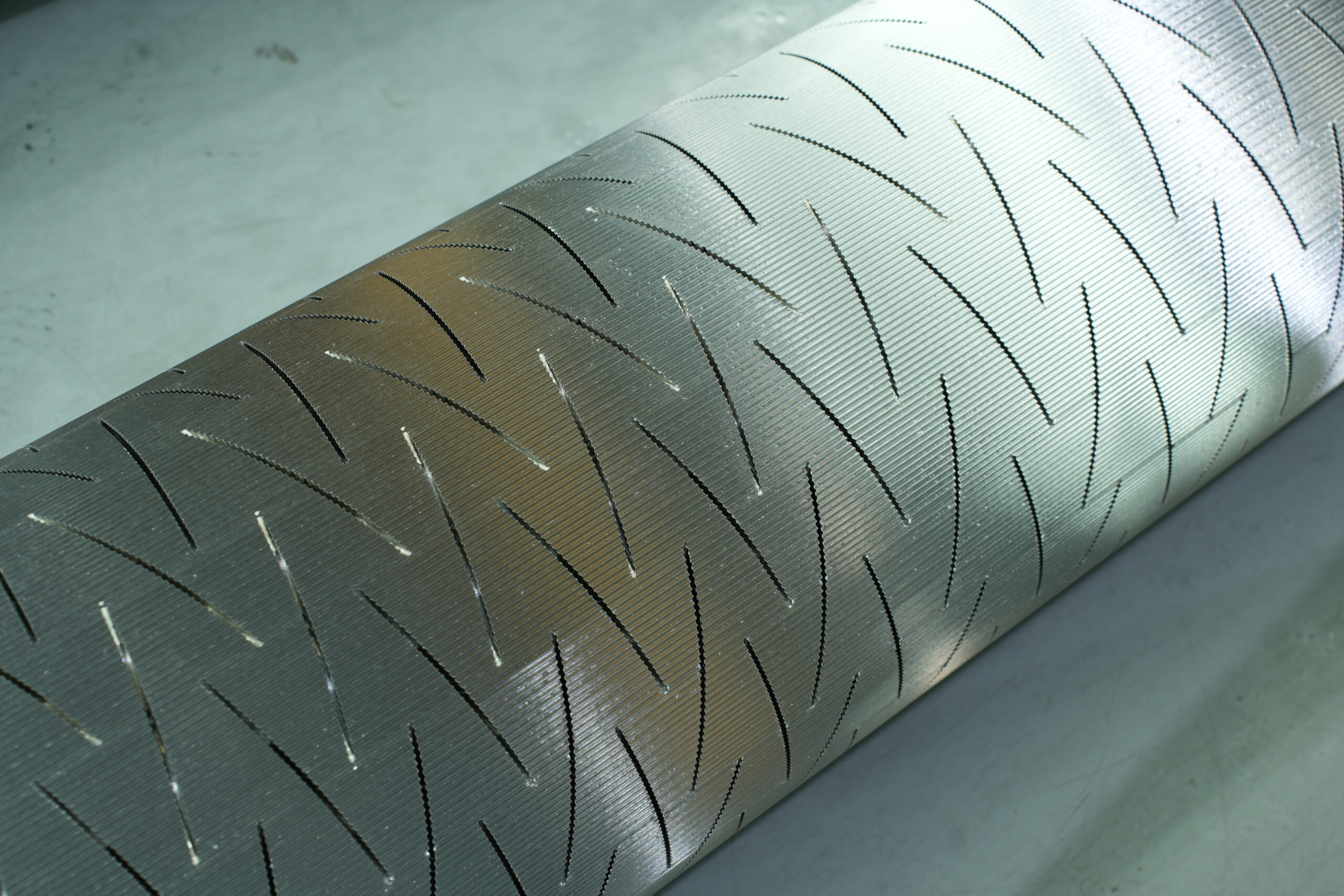
This is one of our biggest advantages at RMM. Coating micro flutes is a serious technical challenge because the flute profiles are so small and precise. Many of our competitors avoid this challenge by defaulting to chrome plating for E, F, or G flutes. They say it's good enough. But we know it isn't. Chrome on a micro flute wears down quickly, and you lose that precise profile that is so critical for quality. We invested heavily in perfecting our HVOF process for these fine applications. As a result, we can give our customers' E-flute and F-flute rolls the same incredible hardness and lifespan as their larger A or B-flute rolls. I recently talked with a plant manager in Mexico who was changing his E-flute chrome rolls every few months. After switching to our tungsten carbide rolls, he has been running the same set for over two years. It completely changed his operation.
Conclusion
Tungsten carbide rolls offer unmatched durability, stable performance, and long-term cost savings. They extend roll life and improve cardboard quality, making them a crucial upgrade for any production line.