In corrugated board production, the glue roll plays a critical role in controlling adhesive transfer and ensuring consistent bonding quality. Among the various glue roll surface designs, Pyramid (Quadrangular) cells and Hexagonal Pyramid cells are two commonly used configurations. Understanding their differences can help manufacturers select the most suitable solution for their production requirements.
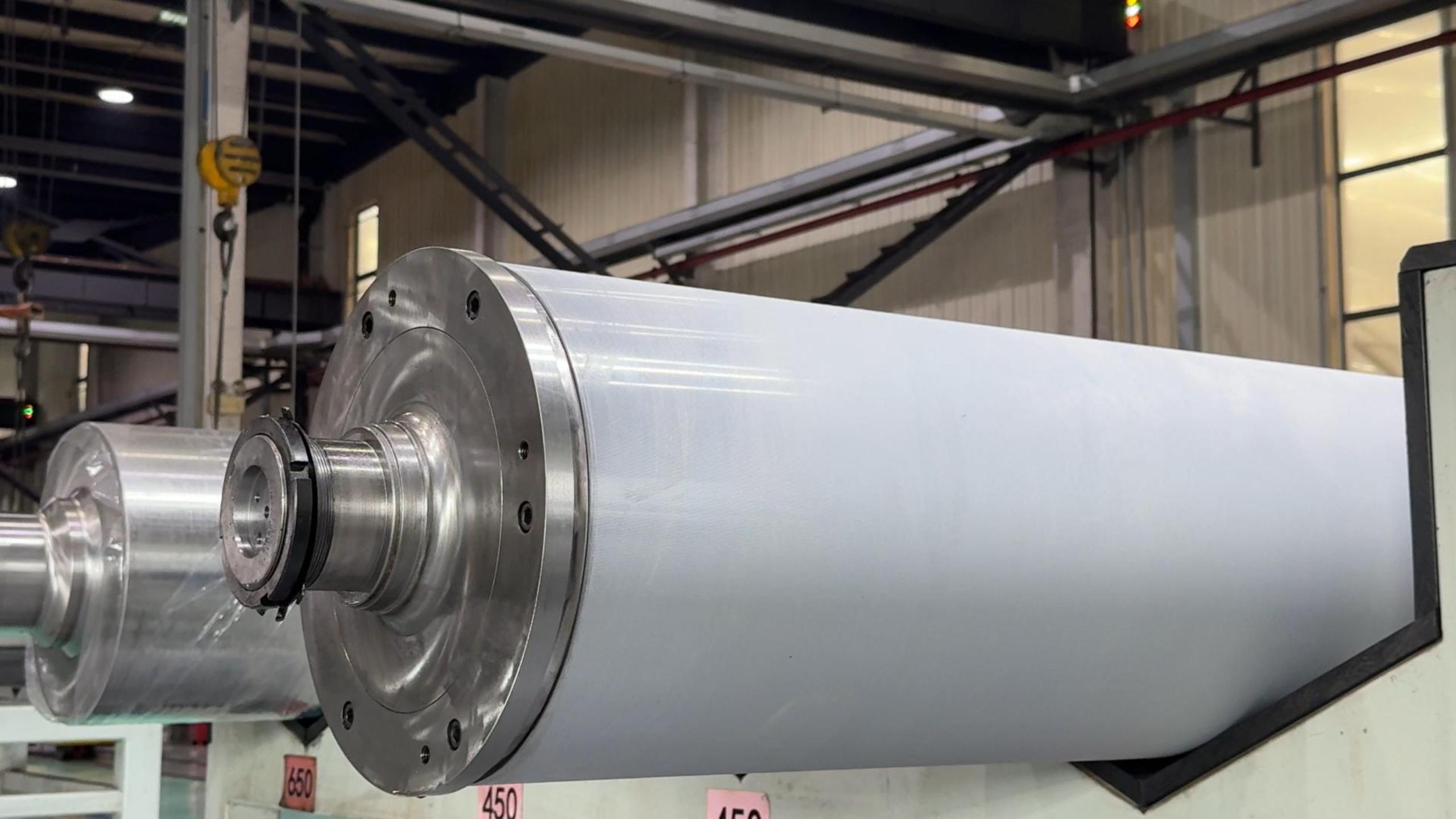
What Are Square Pyramid Glue Roll Cells?
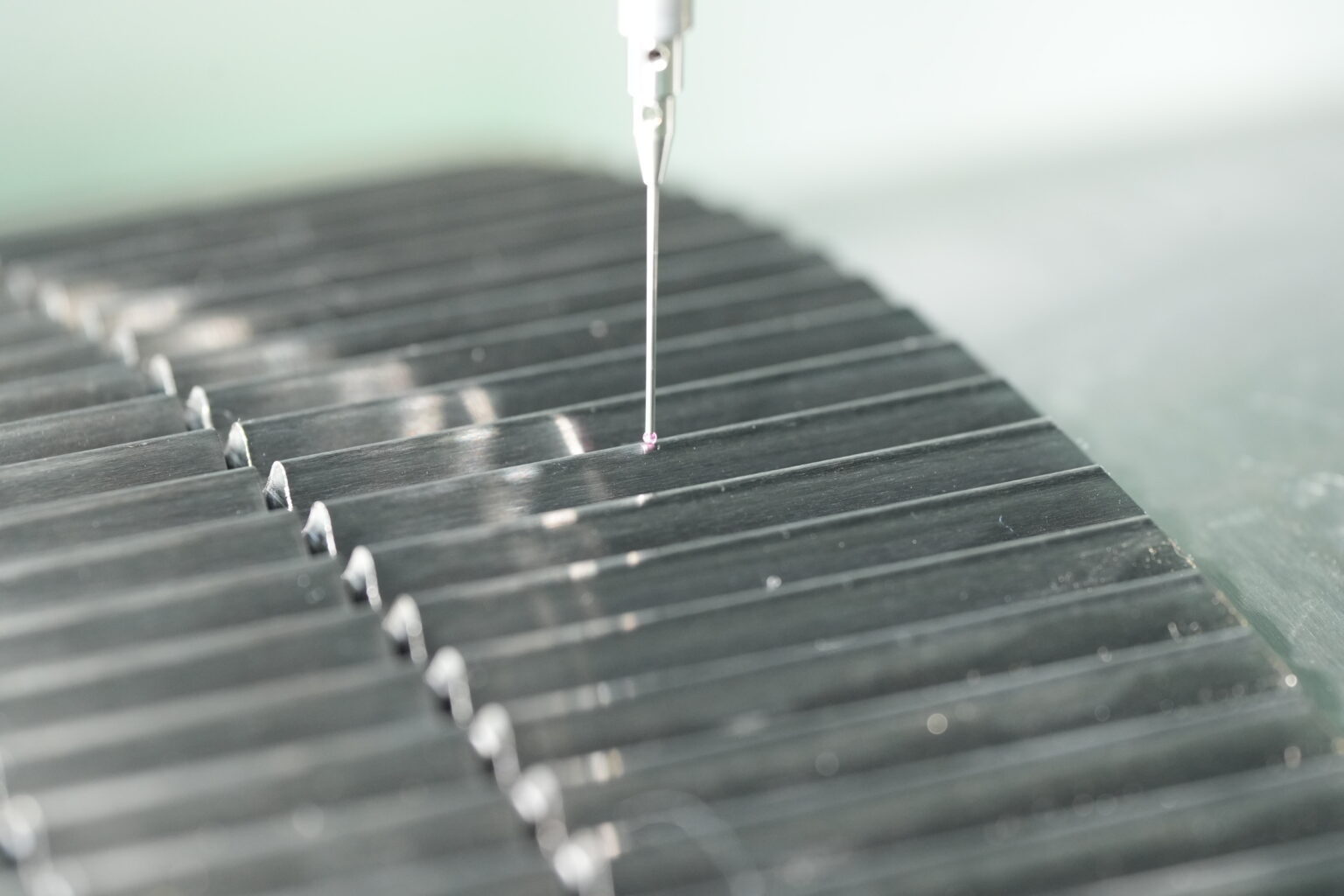
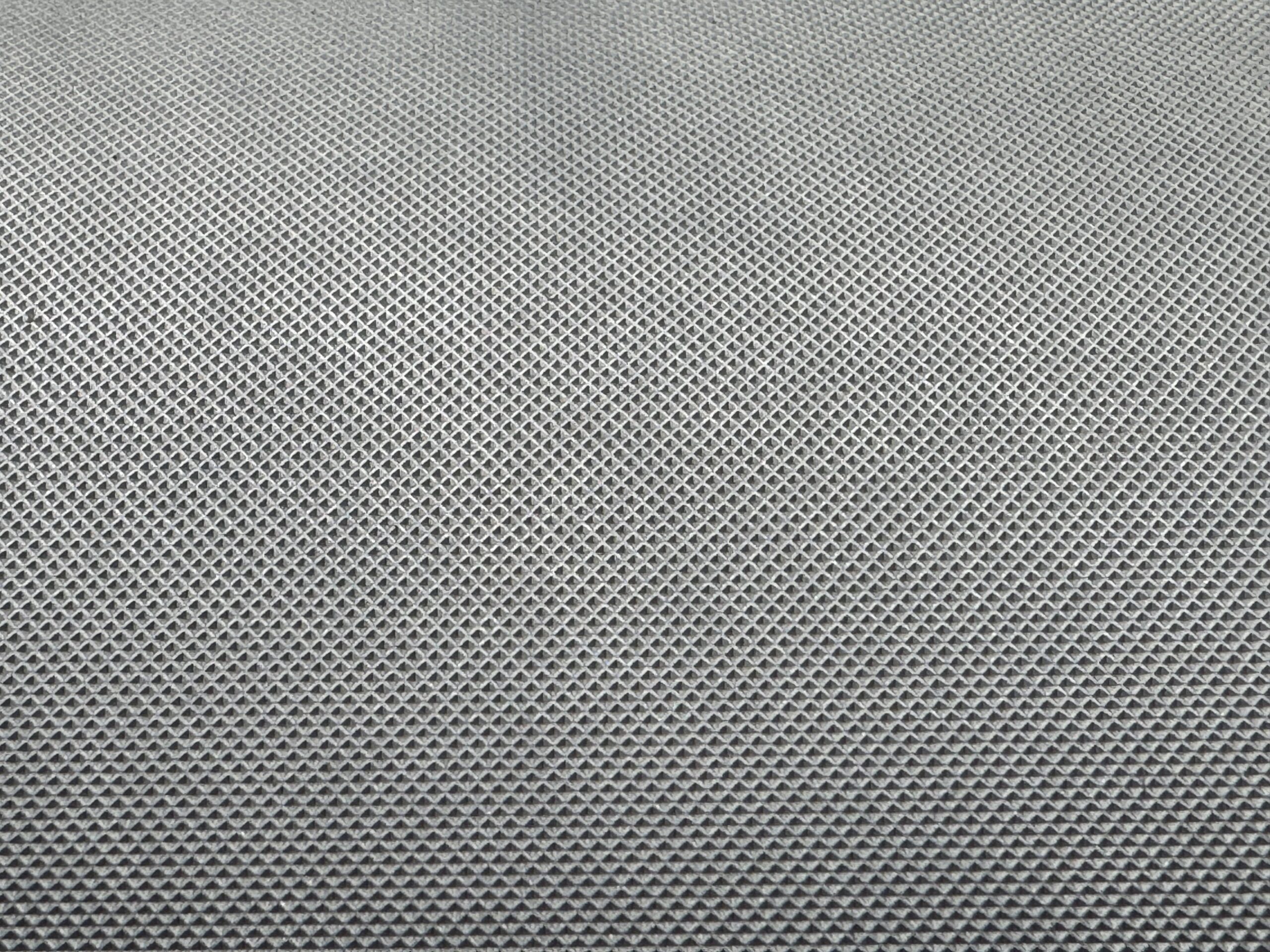 Square pyramid cells feature a square or rectangular base that tapers to a single point, forming a pyramid-like structure. These cells are typically manufactured through electronic engraving processes and may include connecting channels to improve adhesive flow.
Key Characteristics
- Precise adhesive transfer control
- Transfer efficiency typically ranges from 50% to 75%
- Suitable for applications requiring accurate glue volume management
- Helps reduce excessive adhesive consumption
The adhesive volume transferred depends on factors such as cell depth and wall width. Deeper cells and narrower walls generally increase glue transfer capacity.
What Are Hexagonal Pyramid Glue Roll Cells?
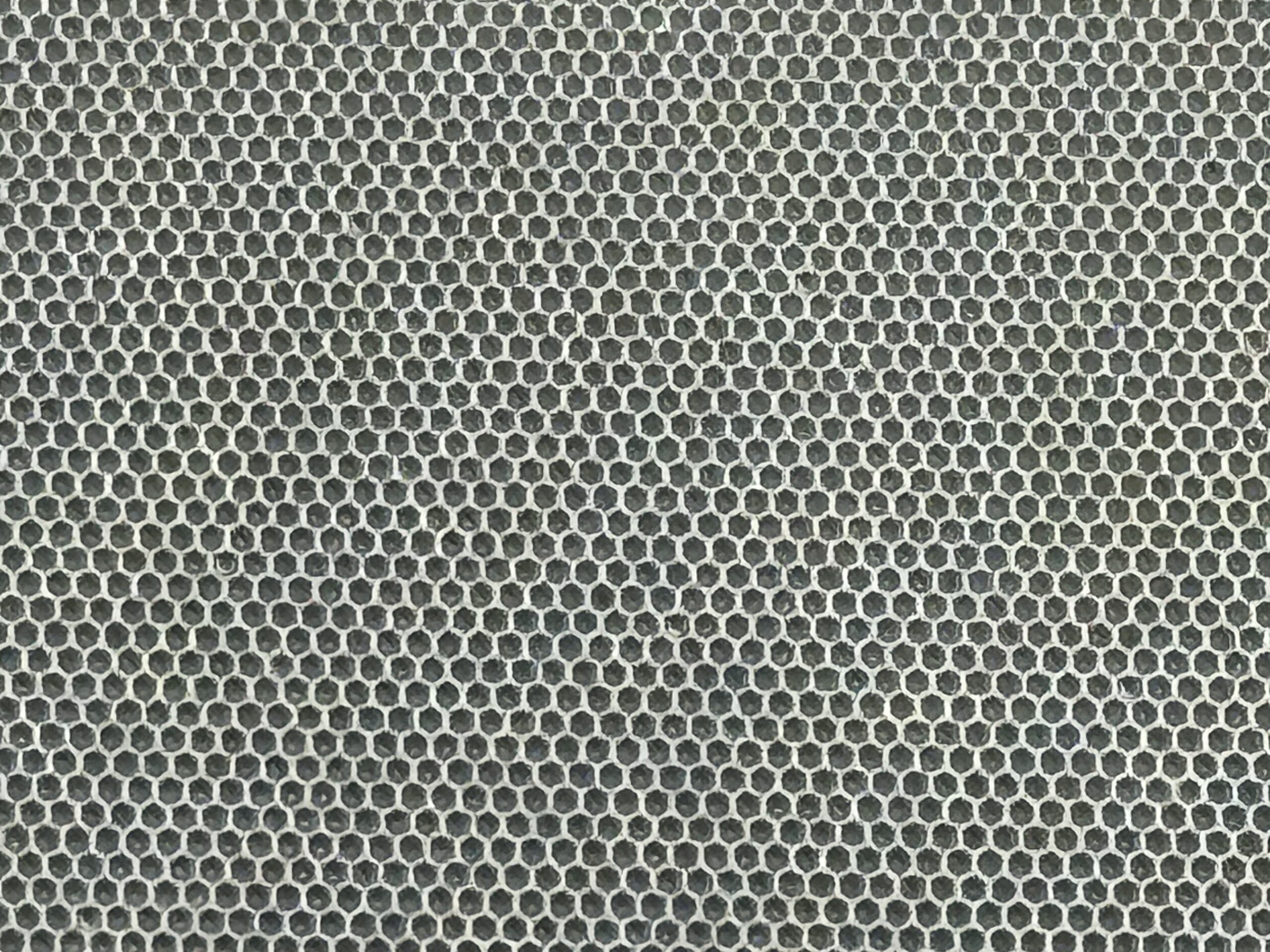 Hexagonal Pyramid cells feature a six-sided base with a pyramid-shaped cavity. They are commonly produced using laser engraving technology, allowing for highly consistent cell geometry.
Key Characteristics
- Larger cell opening area under the same line count and depth
- Higher adhesive carrying capacity
- More uniform adhesive release
- Improved coating consistency across the board surface
The hexagonal structure provides a flow pattern closer to a circular shape, helping adhesive distribute more evenly and reducing streaking or uneven application.
Comparison Between Pyramid and Hexagonal Cells
| Feature | Pyramid Cells | Hexagonal Pyramid Cells |
|---|---|---|
| Adhesive Control | Excellent | Very Good |
| Adhesive Volume | Medium | Higher |
| Coating Uniformity | Good | Excellent |
| Manufacturing Method | Electronic Engraving | Laser Engraving |
| Typical Application | Precise glue control | High-quality uniform coating |
Which Configuration Should You Choose?
The ideal glue roll design depends on several production factors:
- Board grade and flute profile
- Adhesive viscosity
- Production speed
- Required bonding strength
- Glue consumption targets
For operations focused on precise adhesive control and efficiency, Pyramid cells are often a reliable choice. For applications demanding superior coating uniformity and higher adhesive transfer, Hexagonal Pyramid cells may deliver better performance.
RMM Glue Roll Solutions
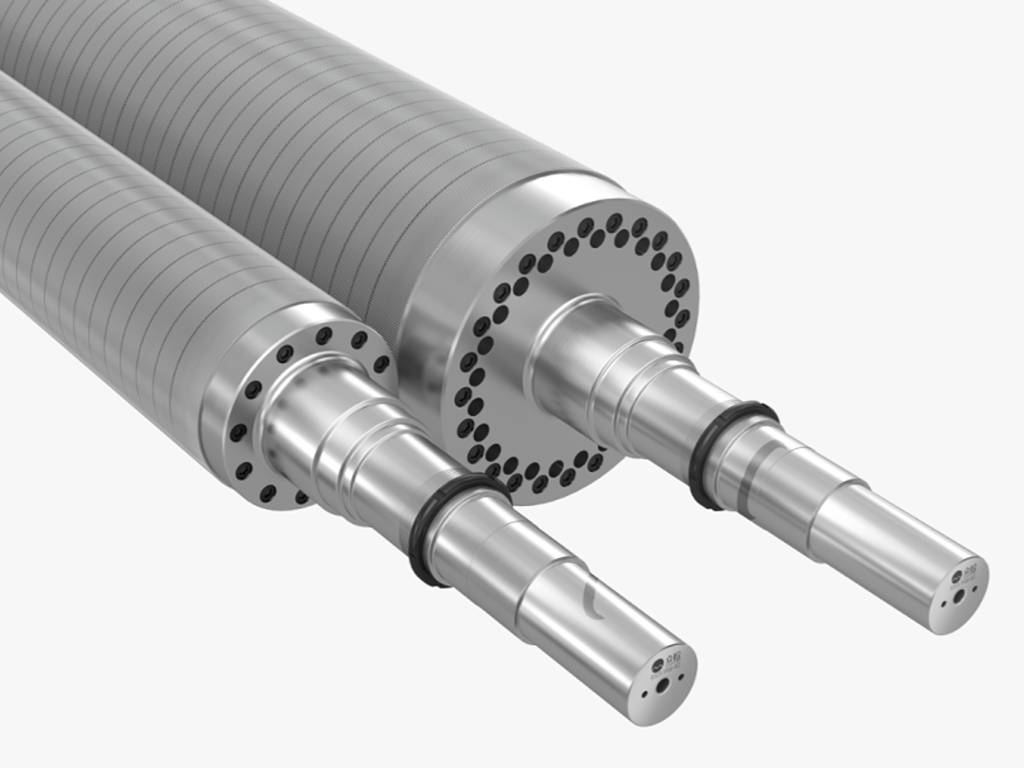
At RMM, we manufacture high-performance glue rolls designed for modern corrugators. Our engineering team can recommend the most suitable cell geometry, line count, and surface treatment based on your production requirements.
Whether you are optimizing adhesive consumption, improving bonding quality, or increasing production efficiency, selecting the right glue roll cell pattern is an important step toward achieving stable and consistent corrugated board production.