Corrugated fiberboard is one of the most widely used packaging materials in the world. Known for its strength, lightweight structure, and recyclability, it plays a vital role in protecting products during transportation, storage, and retail display.
Structure of Corrugated Fiberboard
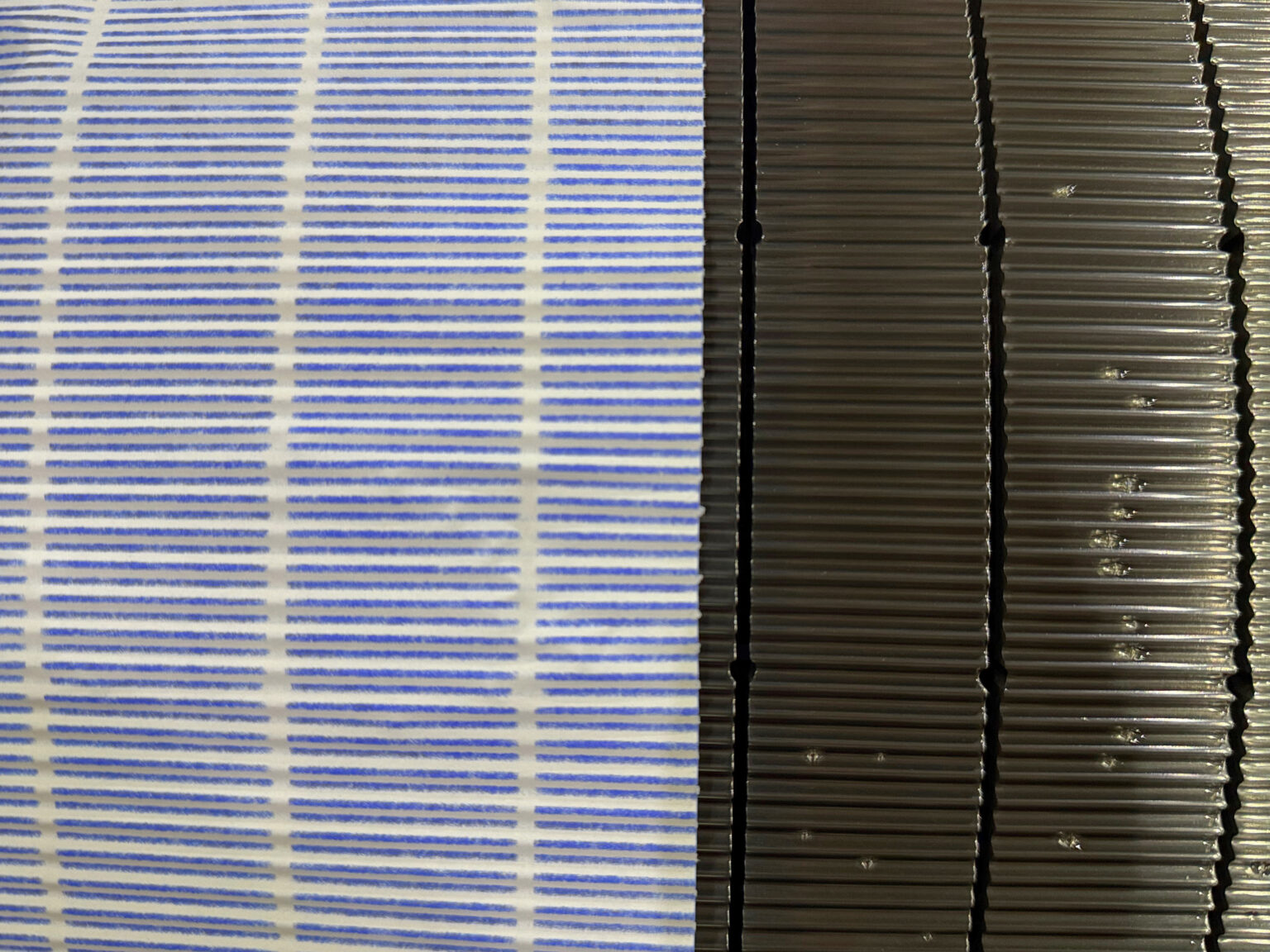
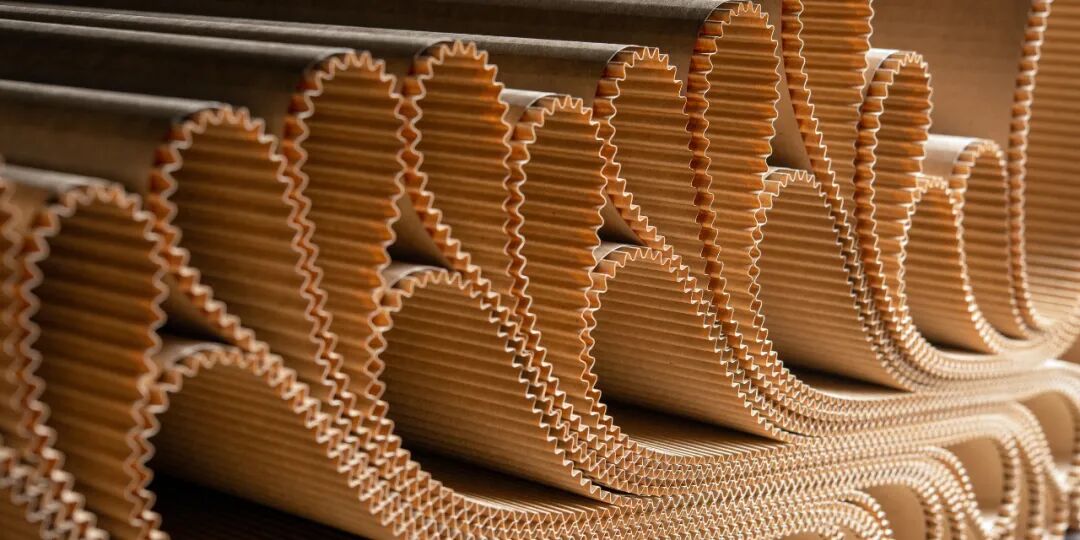
Corrugated fiberboard is a multi-layer paperboard material composed of one or more flat linerboards bonded to a fluted corrugated medium.
Corrugated Medium
The corrugated medium is formed into a series of wave-shaped flutes through a corrugating process. These flutes create an arch-like structure that provides excellent cushioning, stacking strength, and compression resistance.
Linerboard
Linerboards are the flat paper layers attached to one or both sides of the corrugated medium. They provide surface strength, printing quality, and overall structural stability.
Together, these components create a lightweight yet durable packaging material capable of protecting a wide variety of products.
Types of Corrugated Fiberboard
Classification by Board Structure
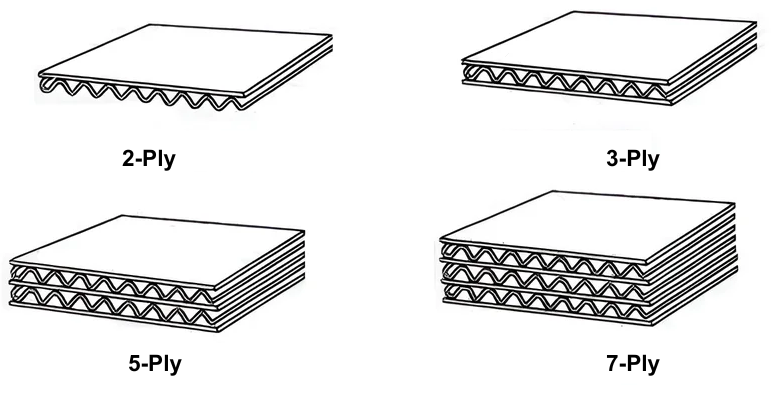
Single-Face Board (2-Ply) Consists of one linerboard and one corrugated medium. It is commonly used as protective wrapping or cushioning material.
Single-Wall Board (3-Ply) Features one corrugated medium sandwiched between two linerboards. This is the most commonly used type for corrugated boxes and shipping cartons.
Double-Wall Board (5-Ply) Contains two layers of corrugated medium and three linerboards, offering increased strength and stacking performance.
Triple-Wall Board (7-Ply) Composed of three corrugated mediums and four linerboards. It is designed for heavy-duty packaging and industrial applications.
Common Flute Profiles
Different flute profiles provide different performance characteristics:
A Flute
The thickest common flute profile, offering excellent cushioning and shock absorption. It is ideal for fragile products.
B Flute
Provides strong puncture resistance and good stacking strength, making it suitable for heavier products.
C Flute
A versatile flute profile that balances cushioning and compression strength. It is widely used across various packaging applications.
E Flute
A thinner flute with a smoother surface, making it ideal for high-quality printing and retail packaging.
F Flute
An ultra-thin flute profile that delivers excellent rigidity and is commonly used for premium and compact packaging solutions.
Advantages of Corrugated Fiberboard
Corrugated fiberboard offers numerous benefits that have made it the preferred packaging material for many industries:
- Lightweight yet strong
- Excellent compression and stacking strength
- Effective cushioning and impact protection
- Cost-efficient packaging solution
- Good printability and branding potential
- Environmentally friendly and recyclable
- Suitable for automated packaging lines
Applications of Corrugated Fiberboard
Corrugated fiberboard is used in a wide range of packaging applications, including:
- Shipping cartons and transport packaging
- E-commerce and parcel delivery boxes
- Food and beverage packaging
- Consumer goods packaging
- Electronics packaging
- Gift boxes and retail displays
- Protective inserts and cushioning materials
The Importance of Corrugating Roll Precision
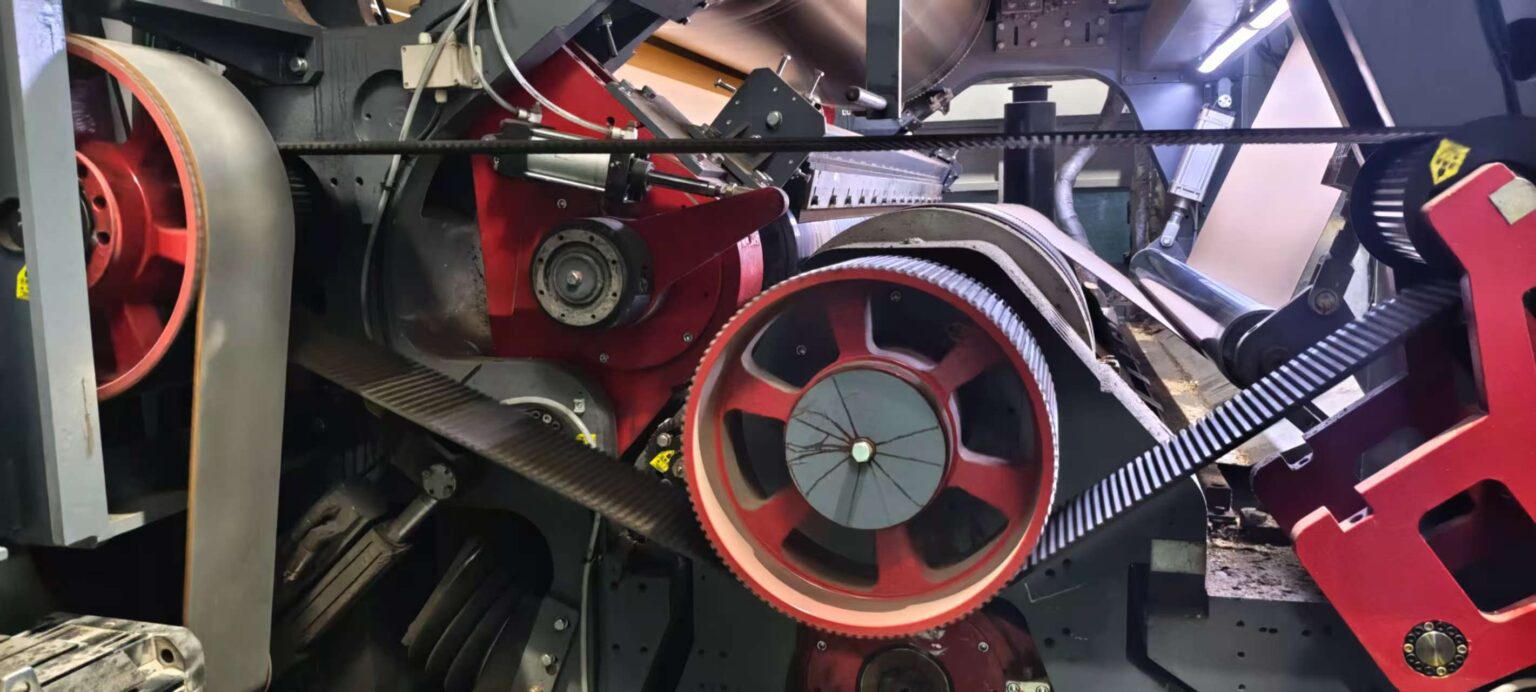
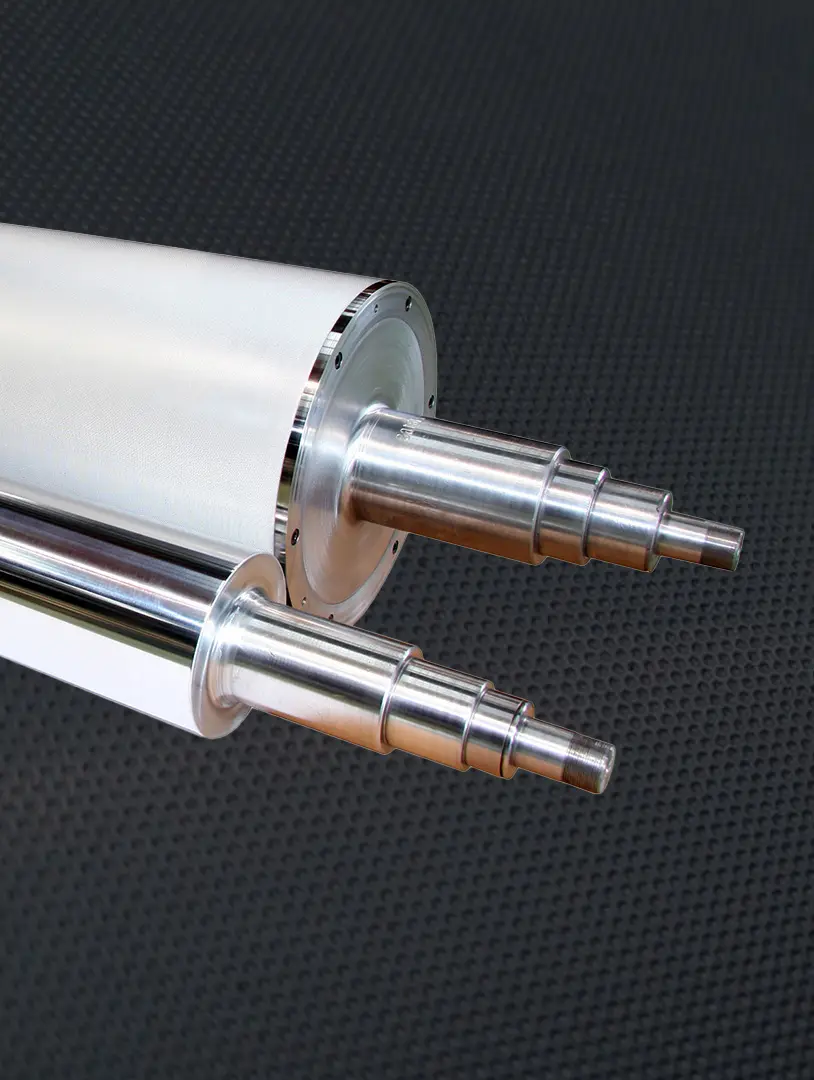
The quality of corrugated fiberboard is heavily influenced by the corrugating process. High-precision corrugating rolls play a critical role in ensuring accurate flute formation, stable bonding performance, and consistent board quality.
At RMM, we specialize in the manufacturing and refurbishment of high-performance corrugating rolls, helping corrugated board producers achieve improved flute quality, longer roll life, and enhanced production efficiency.
Conclusion
Corrugated fiberboard combines strength, protection, sustainability, and cost-effectiveness, making it an indispensable material in modern packaging. By selecting the appropriate board structure, flute profile, and production technology, manufacturers can meet diverse packaging requirements while maintaining high quality and operational efficiency.