Express delivery boxes, fruit cartons, gift boxes, home appliance packaging — every corrugated board package starts with one critical decision: which flute type to use.
Different flute types and wave structures produce dramatically different board performance. The right choice means better protection, cleaner print, and lower cost. The wrong choice means crushed boxes or wasted material. Here is how to read the options and choose wisely.
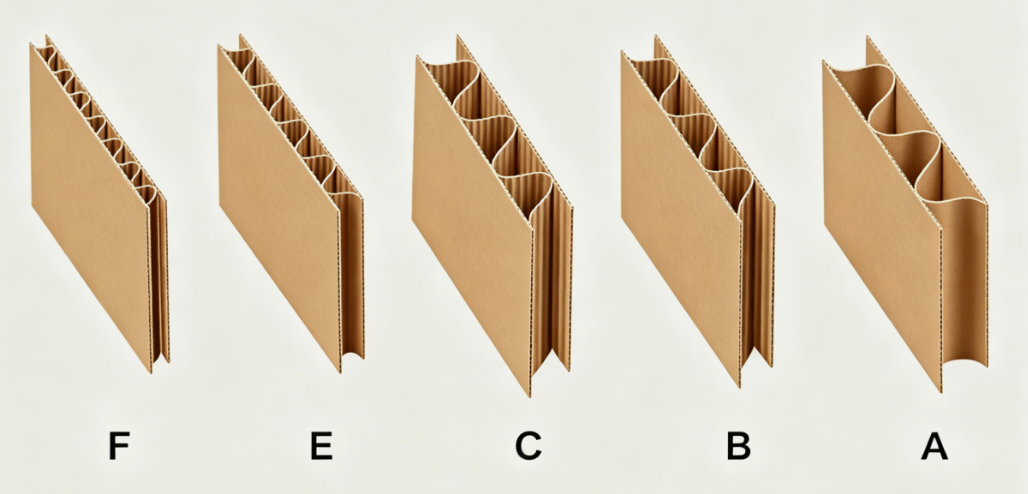
Single-Wall Flutes: Five Standard Types
Single-wall board has one fluted layer between two liners. It accounts for the majority of corrugated packaging worldwide.
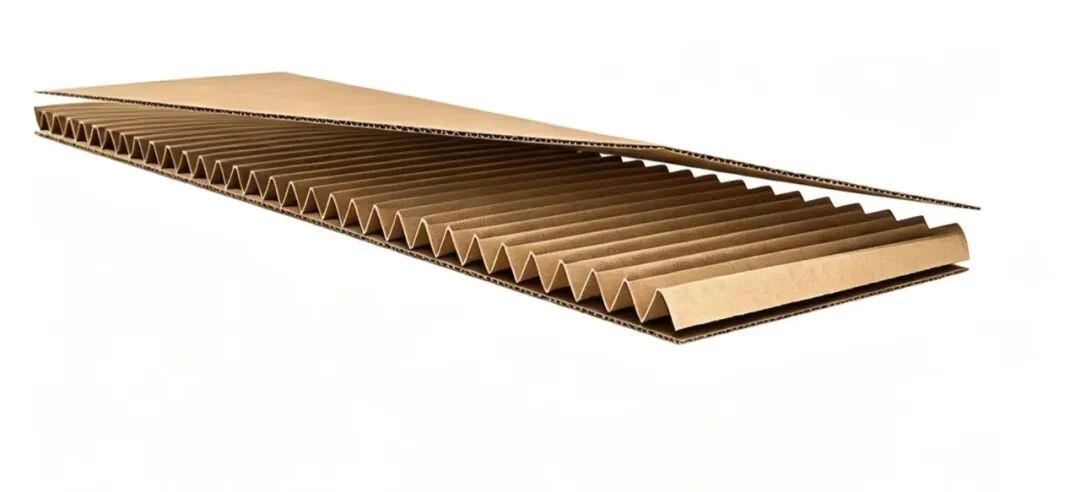
A-Flute — Maximum Cushioning
Height: 4.5–5.0 mm | Wave shape: U to UV | Flutes per meter: ~32–36
A-flute is the tallest of the five common corrugated flute profiles, providing outstanding cushioning and excellent vertical compression strength. Its deep U-shaped arches
absorb and disperse impact effectively, acting like miniature springs to protect products from shocks and vibrations during transportation.
Best for: Ceramics, glassware, precision instruments, fruit packing boxes.
B-Flute — Flat Surface, Good Print
Height: 2.5–3.0 mm | Wave shape: V to UV | Flutes per meter: ~46–52
B-flute uses a tighter, lower wave. The denser flutes create a flatter board surface that holds print detail much better. The trade-off is less cushioning than A or C.
Best for: Canned goods, bottled drinks, hardware tools, small food packs.
C-Flute — The All-Rounder
Height: 3.5–4.0 mm | Wave shape: UV | Flutes per meter: ~38–42
C-flute sits between A and B in every dimension. It balances cushioning, stacking strength, and surface flatness. This makes it the most widely used single-wall flute.
Best for: General industrial products, standard export packaging.
E-Flute — Fine Flutes for Premium Print
Height: 1.1–1.8 mm | Wave shape: UV | Flutes per meter: ~90–100
E-flute is the first of the "micro-flutes." Its fine, tightly spaced waves create a smooth printing surface that handles detailed graphics and photos without the washboard
effect common on coarser flutes. The thin board also saves storage space.
Best for: Gift boxes, cosmetics, electronics packaging, retail displays.
F-Flute — Ultra-Fine Micro Flute
Height: 0.6–0.9 mm | Wave shape: UV | Flutes per meter: ~120–130
F-flute board thickness is close to solid paperboard, yet it keeps the structural benefits of corrugation. It delivers excellent print quality and can run on folding-carton converting lines with minimal changes.
Best for: Fast-food containers, pharmaceutical packaging, small consumer goods.
Double-Wall Combinations: Combining Strengths
Double-wall board stacks two fluted layers between three linerboards. Each layer can be a different flute type, letting you combine their strengths for specific applications.
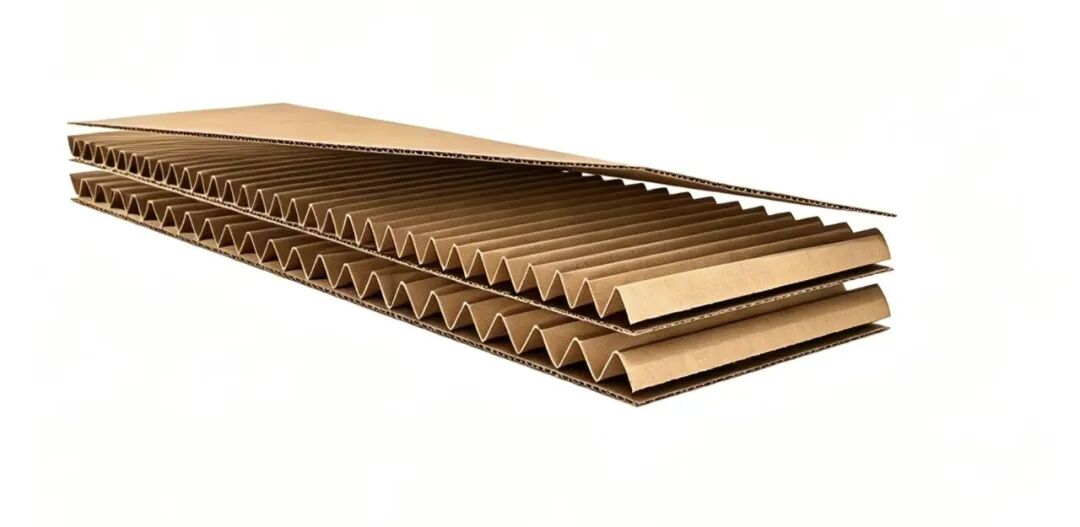
AB-Flute — Heavy-Duty Protection
A-flute on top, B-flute on bottom. Total thickness: 7–8 mm. You get A"s superior cushioning plus B"s crush resistance. Maximum protection for the heaviest loads.
Best for: Home appliances, furniture, heavy machinery, export crates.
BC-Flute — The Most Popular Double Wall
B-flute on top, C-flute on bottom. Total thickness: ~6–7 mm. BC is the standard for industrial and e-commerce packaging. Strong stacking strength with a reasonably flat printing surface.
Best for: Industrial goods, large fruit cartons, heavy e-commerce packages.
BE-Flute — Strength Meets Print Quality
B-flute on top, E-flute on bottom. Total thickness: ~4-5 mm. Provides good structural strength while keeping the outer surface smooth enough for high-quality printing and
detailed graphics.
Best for: Electronics, premium gift boxes, display packaging.
How to Choose the Right Flute
| Need | Best Choice |
|---|---|
| Maximum shock absorption | A-flute |
| Best print quality | E-flute or F-flute |
| All-purpose single wall | C-flute |
| Heavy or large items | AB or BC double wall |
| Premium retail packaging | BE double wall or E-flute |
| Limited storage space | E-flute or F-flute |
Conclusion
Taller flutes cushion better; shorter flutes print better and save space.Double-wall boards let you combine both. Look at what you are packing— how heavy, how fragile, how much
printing — and let those requirements point you to the right flute. Your product and your budget will thank you.
Get the Right Flute Profile for Your Line
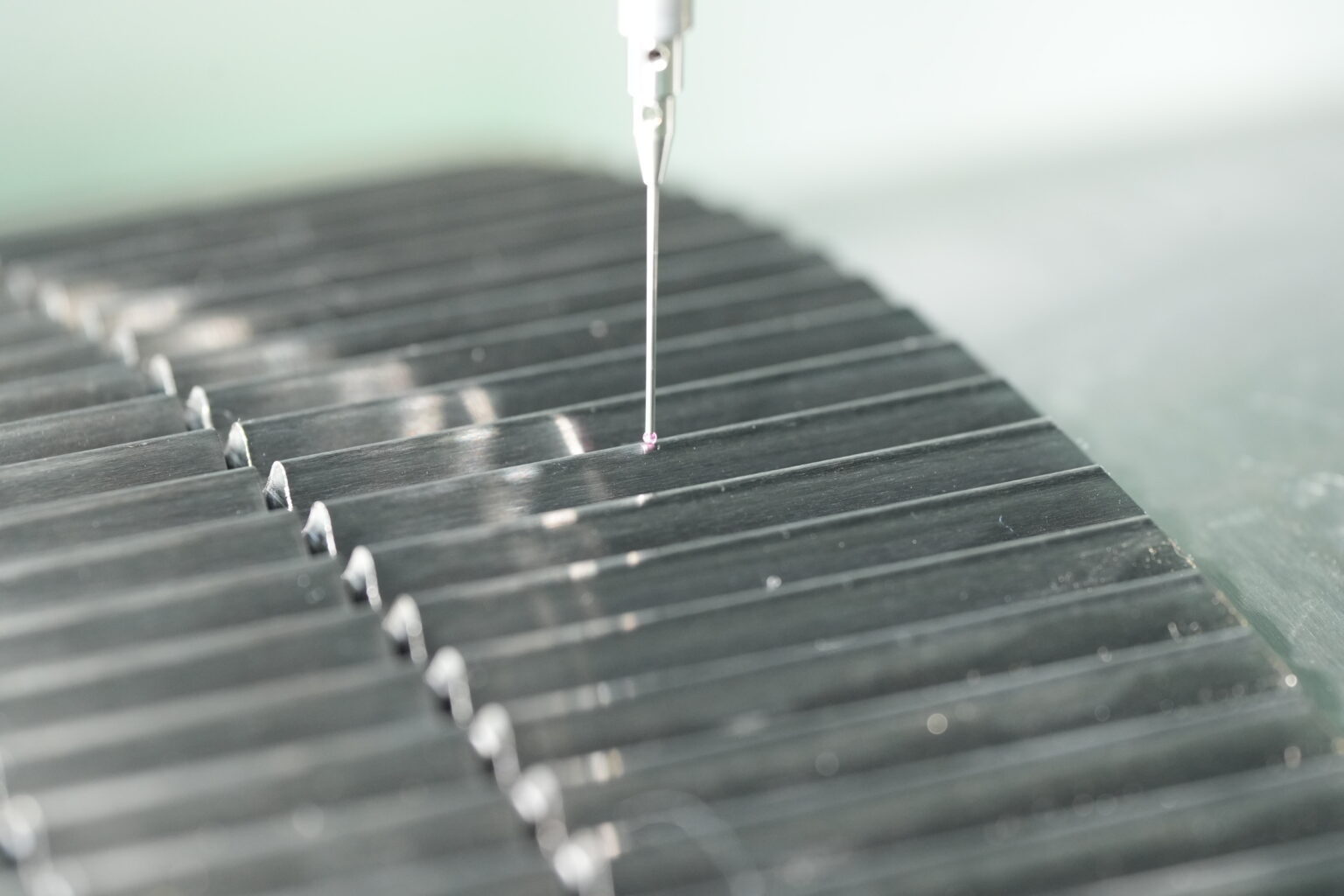
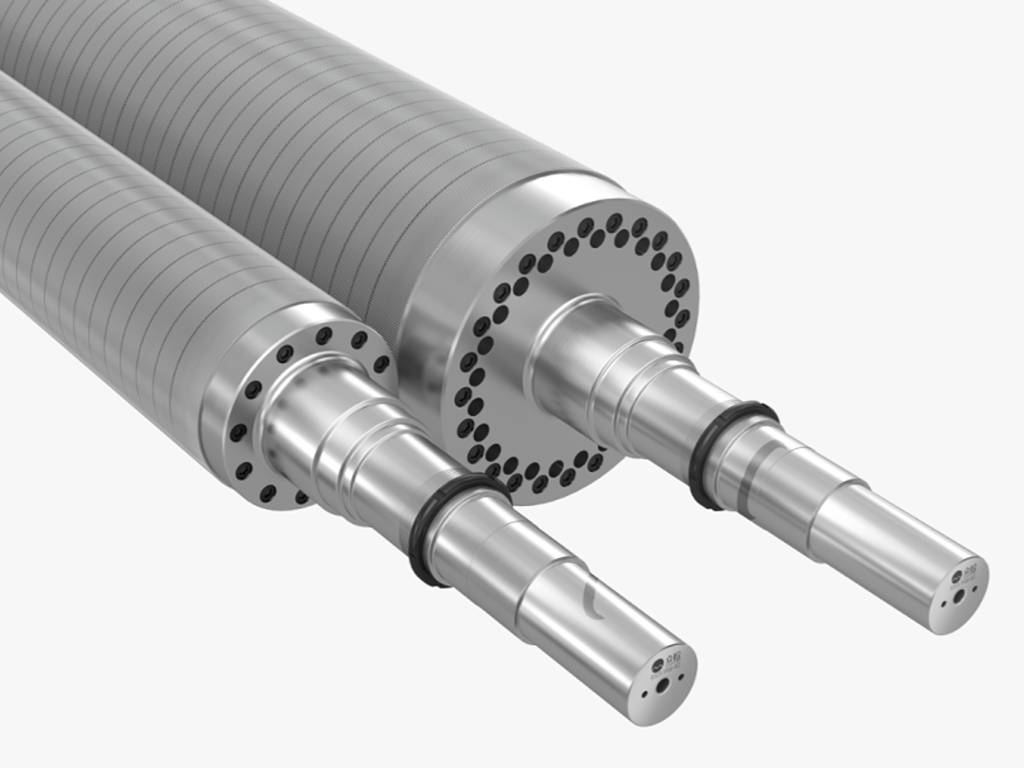
Every packaging line is different. The ideal flute profile depends on your paper grades, machine settings, and end-use requirements. At RMM, we design and manufacture custom corrugating roll flute profiles tailored to your production needs — whether you are optimizing for take-up ratio (TUR),box compression test (BCT), flat crush test (FCT), or edge crush test (ECT).
Tell us what you are running. We will help you find the flute geometry that fits your line.