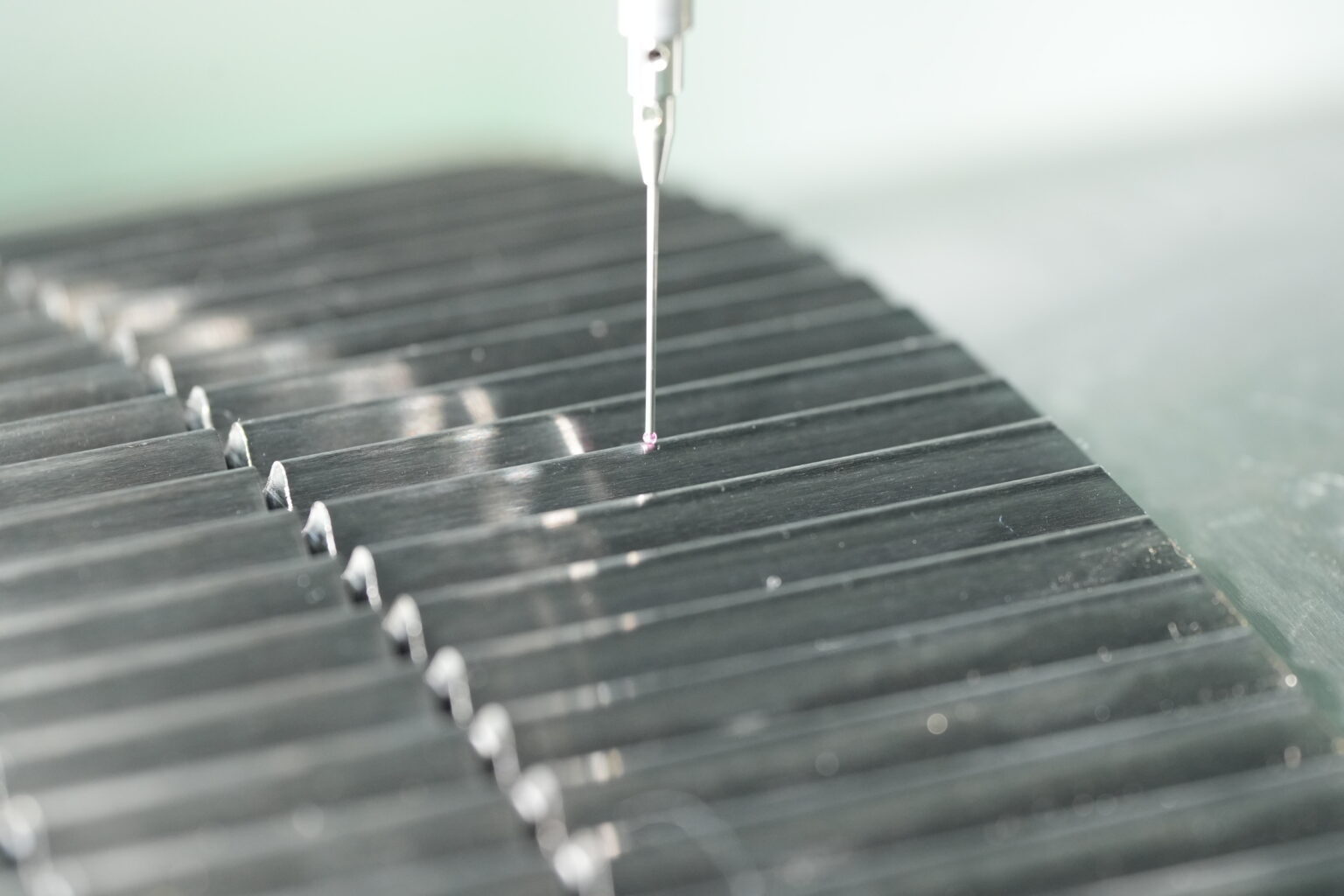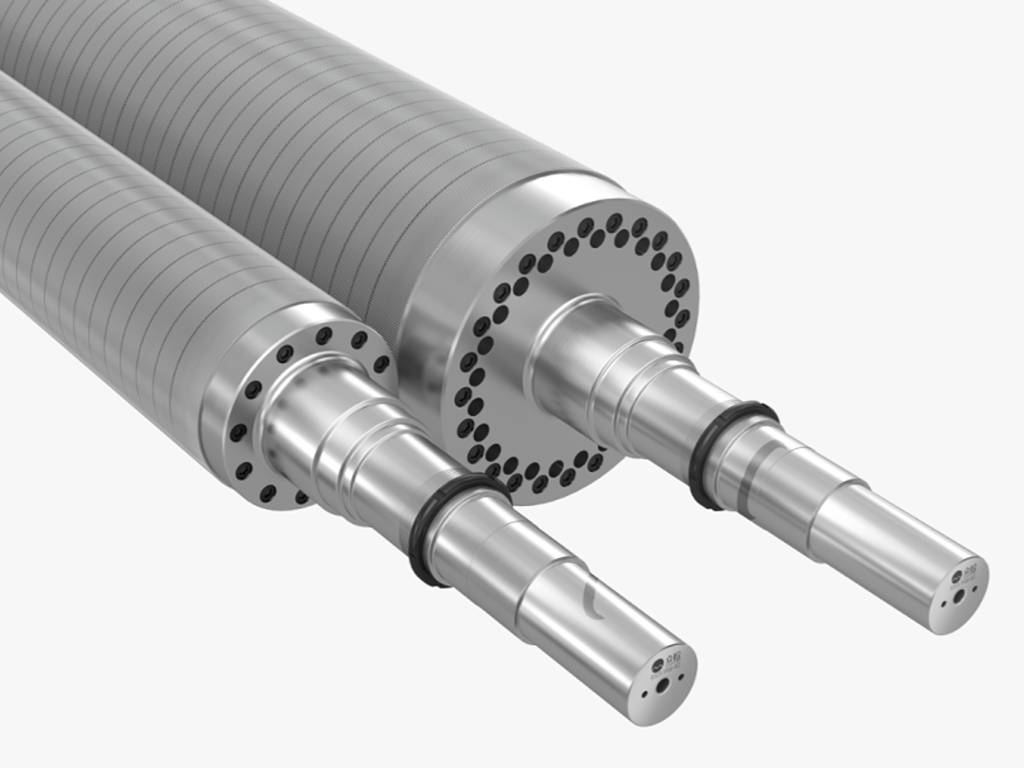
Making corrugated board involves a multi-stage line where temperature, pressure, speed, and moisture must all stay in tight bands. A drift at any step propagates into downstream defects. This guide covers each stage, the parameters that matter, and how to fix common quality issues.
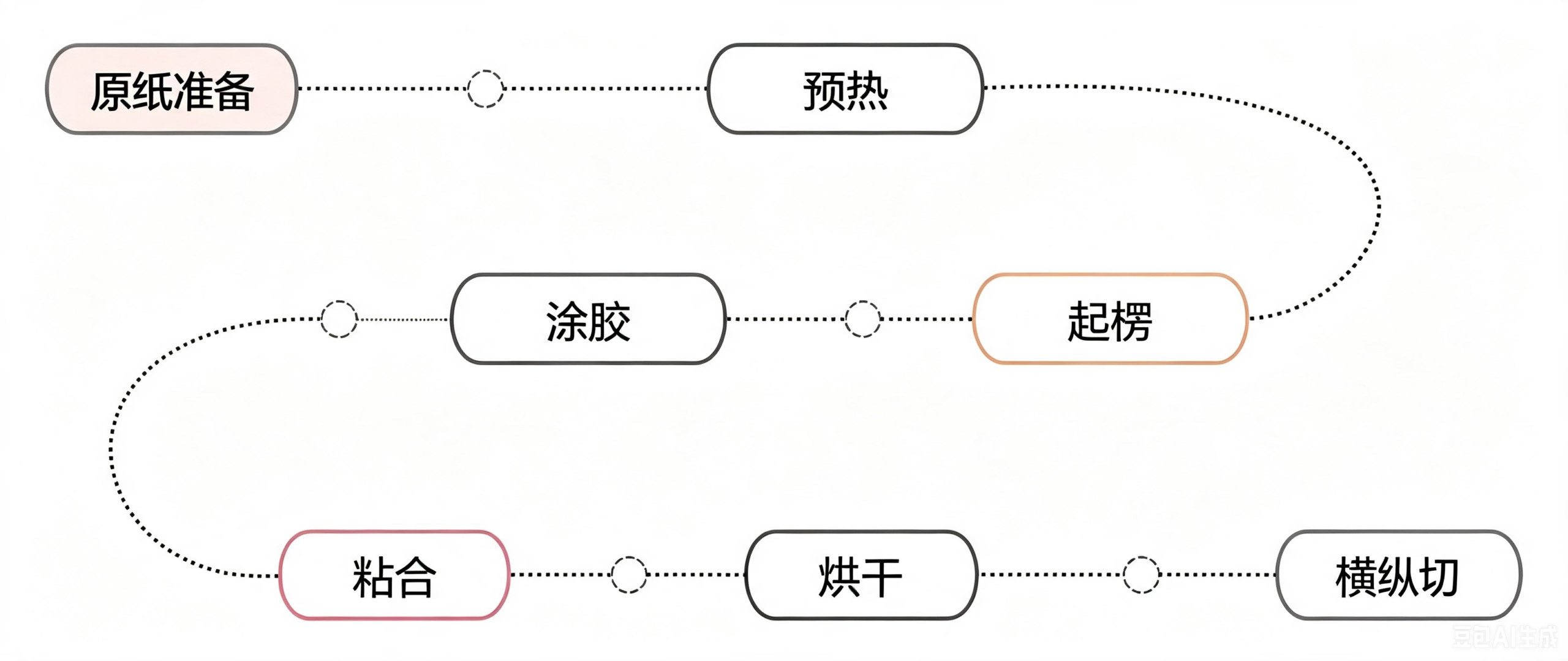
Production Stages
1. Paper Preparation
Paper is the base material for corrugated board, including liner, medium, and corrugating medium. Select flute type and paper grade based on board purpose and customer requirements. Key properties to control: ring crush strength, thickness, breaking length, and burst strength.
2. Preheating
Preheating increases paper flexibility for better flute forming and bonding. Moisture conditioning keeps moisture within 6-8% for strength and stability.
3. Flute Forming
The preheated medium passes through corrugating rolls to form flutes. Flute pitch and height directly affect cushioning and compressive strength. Substandard medium breaking length can also cause flute crushing.
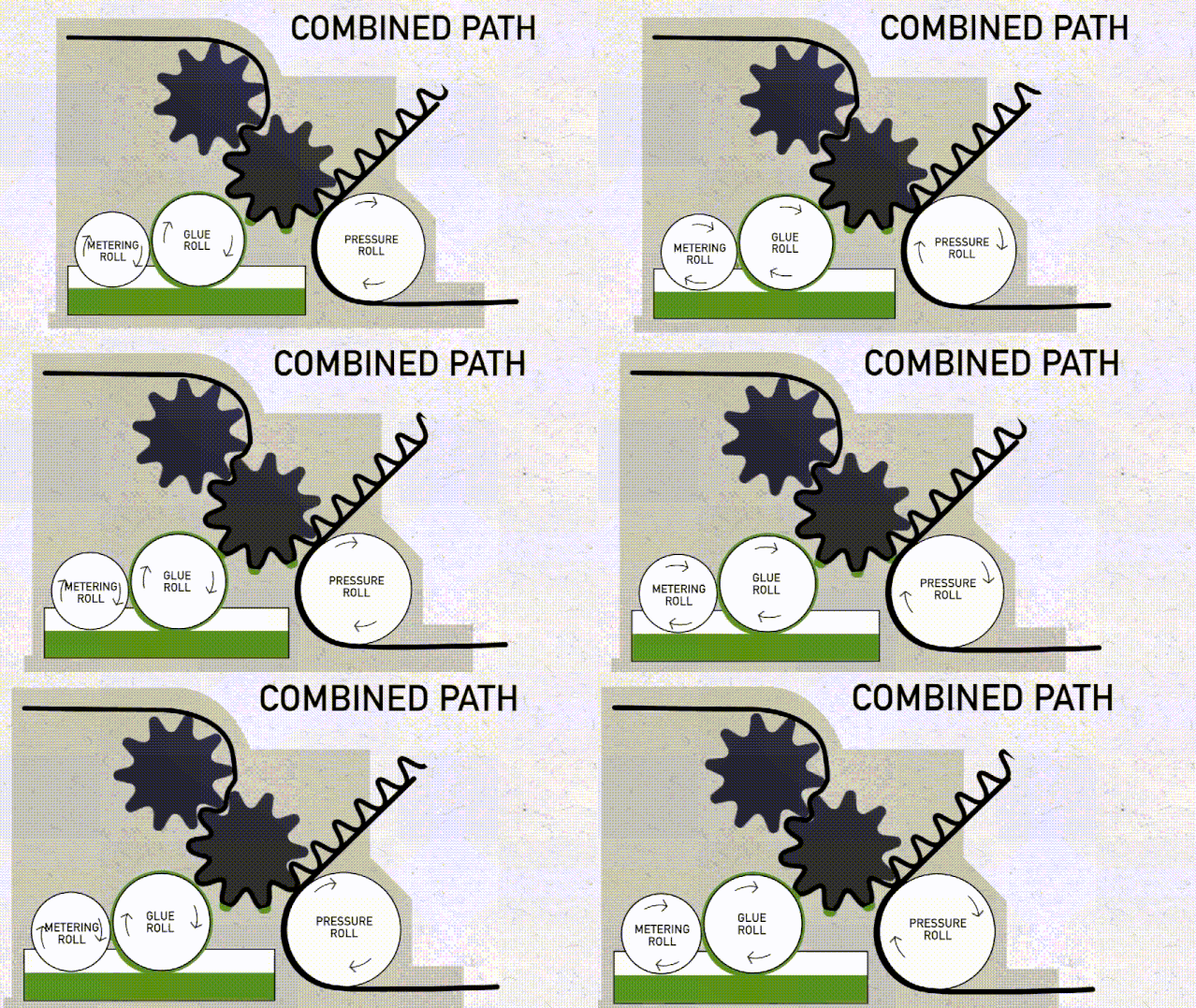
4. Glue Application
The formed medium passes through the glue machine. Adhesive uniformity and quantity directly affect bonding strength.
5. Lamination
Liner, corrugated medium, and backing paper are bonded on hot plates through heating and pressing. Control temperature, pressure, and dwell time to avoid bubbles or delamination.
6. Drying & Cooling
The bonded board is dried to reduce moisture. Avoid overdrying (brittle paper) or underdrying (excess moisture). After drying, the board is cooled to room temperature to prevent warping
7. Cutting
The cooled board is slit and cross-cut to customer dimensions. Use sharp blades and control speed and pressure for clean edges. Stack with controlled height and manage warehouse humidity to prevent damage.
Common Quality Defects
| Defect | Root Cause | Fix |
|---|---|---|
| Delamination | Low glue viscosity, uneven application, insufficient nip pressure | Adjust glue formulation; recalibrate doctor roll gap; increase pressure |
| Blisters | Excessive glue, uneven pressure, wrong drying temperature | Reduce glue volume; level pressure profile; optimize hot plate temp |
| Uneven thickness | Non-uniform paper, uneven roll pressure, worn corrugating rolls | Tighten paper specs; check roll crown; regrind or replace rolls |
| Out-of-spec cuts | Worn blades, poor calibration, operator error | Replace knives; recalibrate cutoff; retrain operators |
| Rough edges | Incorrect blade angle, excessive feed speed, inconsistent board thickness | Re-set blade geometry; reduce speed; improve thickness control |
Conclusion
Corrugated board quality depends on controlling every stage — and quality issues rarely have a single cause. The most effective approach is systematic: monitor each control point, measure what matters, and treat roll maintenance as a predictive discipline rather than a reactive one.