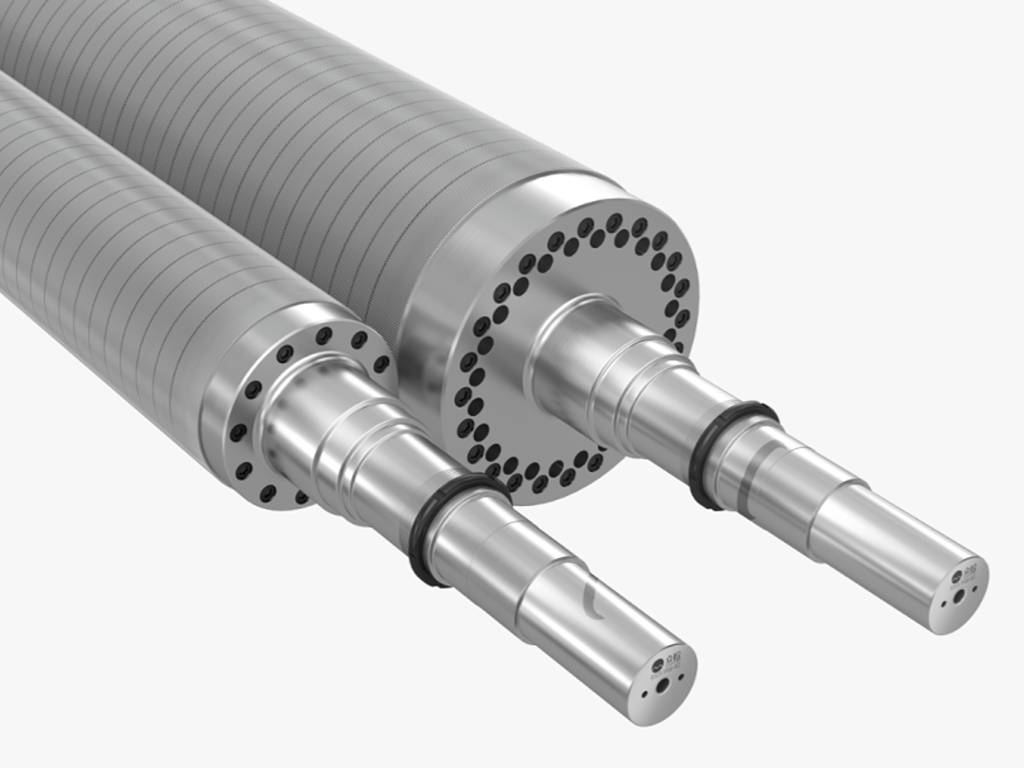
The pressure roll is one of the most hardworking components in a single facer. It applies the force that bonds the corrugated medium to the liner, operates under high temperature and pressure, and takes constant mechanical stress — shift after shift, millions of linear meters at a time.
But like every mechanical component, pressure rolls wear out. Knowing when to replace one — and what factors accelerate wear — can save your production line from costly downtime, quality rejects, and unexpected failures.
In this guide, we cover the main factors that influence pressure roll lifespan and the clear signs that it is time for a replacement.
What Shortens Pressure Roll Life?
Several variables determine how long a pressure roll can perform within spec. Understanding them helps you plan maintenance and avoid premature failure.
1. Raw Material Quality
The paper running through your single facer has a direct impact on roll wear:
- High grit or contaminant content: Recycled paper and low-grade kraft often contain sand, metal particles, and other abrasives. These act like sandpaper on the roll surface, accelerating wear.
- Narrow web production: Running proportionally more narrow-width paper causes uneven wear patterns. The uncovered areas of the roll wear less, while the working section develops a "concave" profile over time — a condition known as center wear or dish-out.
2. Machine Operating Conditions
- Vibration and misalignment: Excessive vibration or non-parallel shaft alignment creates uneven load distribution across the roll face. This leads to localized pressure points and accelerated wear on specific sections of the roll.
- Continuous high-speed/high-pressure operation: Running at maximum rated speed and pressure around the clock accelerates surface fatigue and coating degradation.
- Idling without pressure release: Letting the single facer idle while rolls remain engaged generates unnecessary friction heat and wear.
3. Operation and Maintenance Practices
- Improper pressure settings: Running the pressure roll with excessive or uneven nip pressure causes abnormal wear patterns and can lead to premature coating failure.
- Poor lubrication: Insufficient bearing lubrication increases rolling resistance and friction, accelerating surface wear.
- Residue buildup: Hardened glue residue, paper dust, or foreign debris left on the roll surface acts as an abrasive layer. Regular cleaning is essential.
When Should You Replace the Pressure Roll?
Not every sign of wear means the roll is finished. Minor surface damage can often be addressed through precision regrinding. But when these conditions appear, replacement becomes the only viable option.
1. Dimensional Wear Beyond Repair Limits
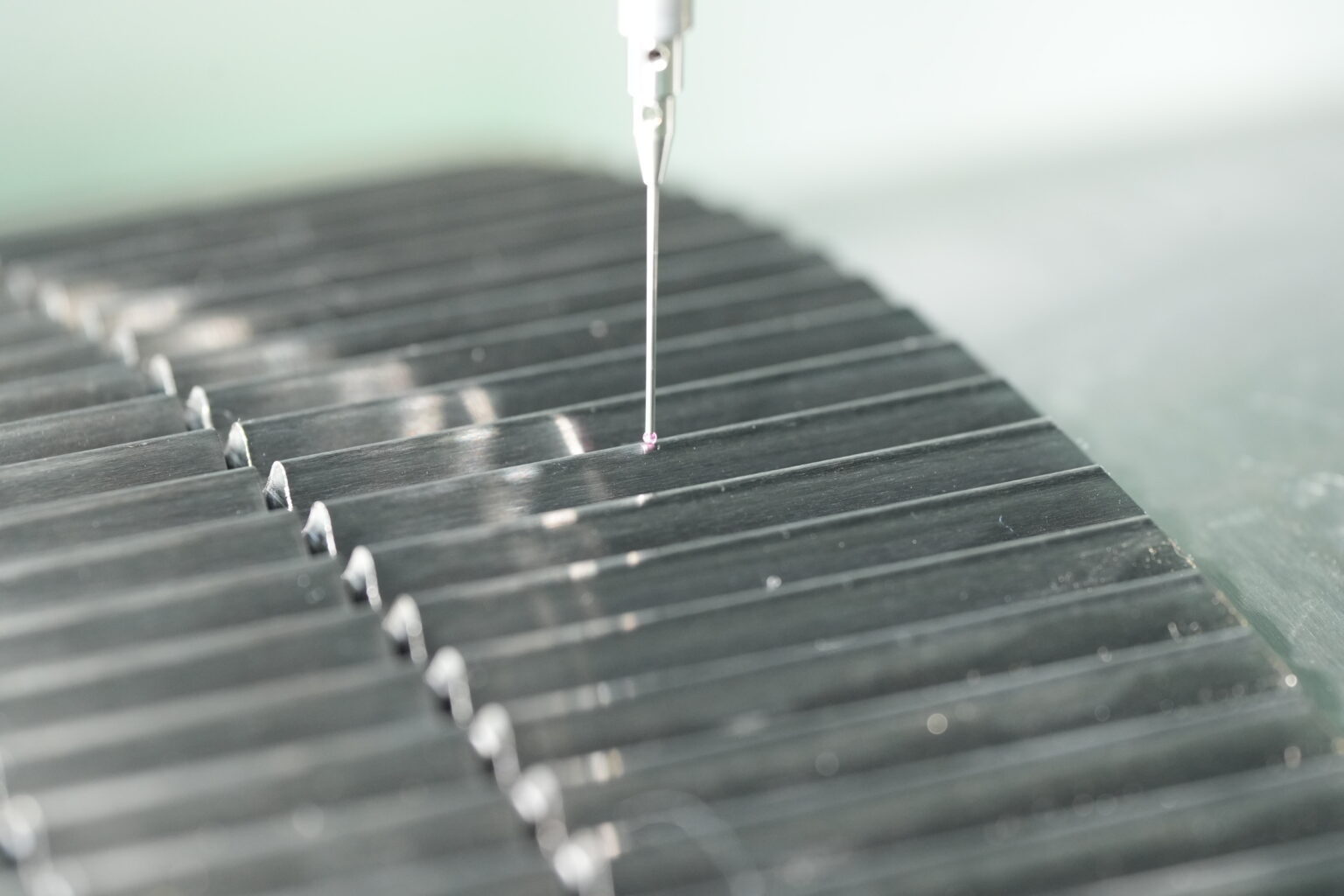
- Severe center wear (dish-out): The roll diameter has worn unevenly across its face, creating a measurable concave profile. If the wear exceeds the maximum grindable allowance — typically more than 1.0–1.5 mm in total diameter reduction — the roll cannot be restored to spec.
- Step wear: Localized grooving or step-like wear patterns that cannot be eliminated through grinding without sacrificing structural integrity.
- Out-of-round condition: The roll has lost its cylindrical geometry, causing vibration and uneven pressure that no amount of adjustment can fix.
2. Mechanical Damage
- Surface spalling or chipping: Large flakes of the chrome or tungsten carbide coating have peeled off. Once the substrate is exposed, rapid wear follows.
- Deep scoring: Deep circumferential or helical grooves caused by foreign objects (staples, wire, metal debris) passing through the nip.
- Roll body deformation: Bending or warpage from excessive thermal stress or mechanical overload. This is usually a showstopper — regrinding cannot fix a bent roll.
3. Board Quality That Cannot Be Salvaged
When the roll's condition starts creating persistent quality defects that adjustment cannot resolve, replacement is the answer:
- Frequent flute collapse or crushing: The pressure roll cannot apply uniform force across the web.
- Poor bonding / glue joint failure: Uneven pressure leads to inconsistent adhesive activation.
- High-low flutes: A clear sign that the pressure profile across the roll face has degraded.
- Excessive board warpage that traces back to uneven nip conditions.
4. End of Service Life
Industry benchmarks suggest a pressure roll's useful life typically ends after 25–30 million linear meters of production, depending on operating conditions. For rolls with tungsten carbide coating, the service threshold is reached when the remaining coating thickness drops below 0.05 mm (5 microns).
Proactive Replacement: A Better Strategy
Waiting for a catastrophic failure is expensive. A proactive replacement strategy — based on tracking accumulated production volume, periodic dimensional inspection, and coating thickness measurement — allows you to schedule roll changes during planned downtime.
RMM offers precision regrinding and recoating services to extend pressure roll life when repair is still viable. When replacement is the better path, our pressure rolls are manufactured from high-strength 45# steel with chrome-plated shafts, precision crown profiles, and thermal stability engineered for high-speed production.
Not sure whether to regrind or replace? Contact RMM's technical service team for a comprehensive roll condition assessment. We help you make data-driven decisions.