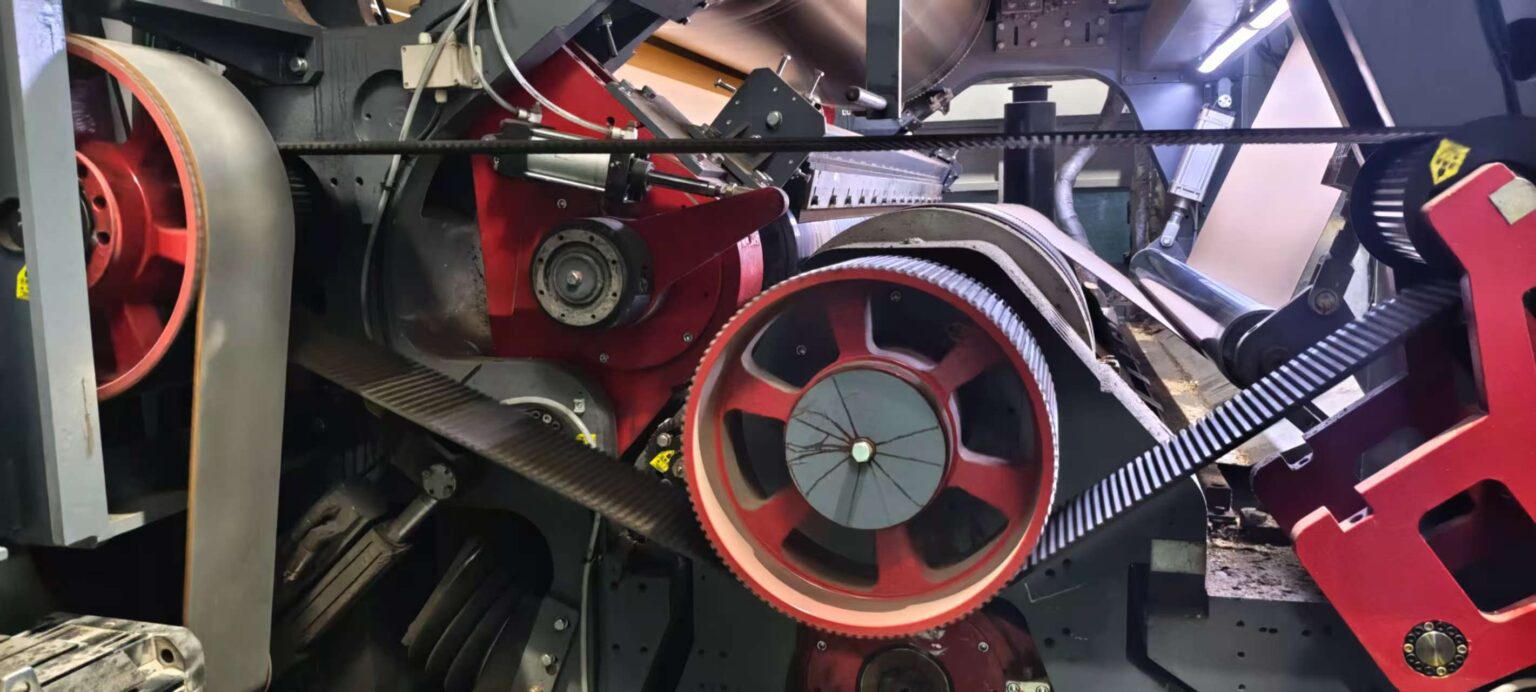
The single facer is the heart of any corrugated production line. How well it is maintained directly determines the quality of the corrugated board you produce. A well-cared-for single facer means consistent output, fewer downtime events, and longer equipment life.
This guide covers the key maintenance areas every operator should know.
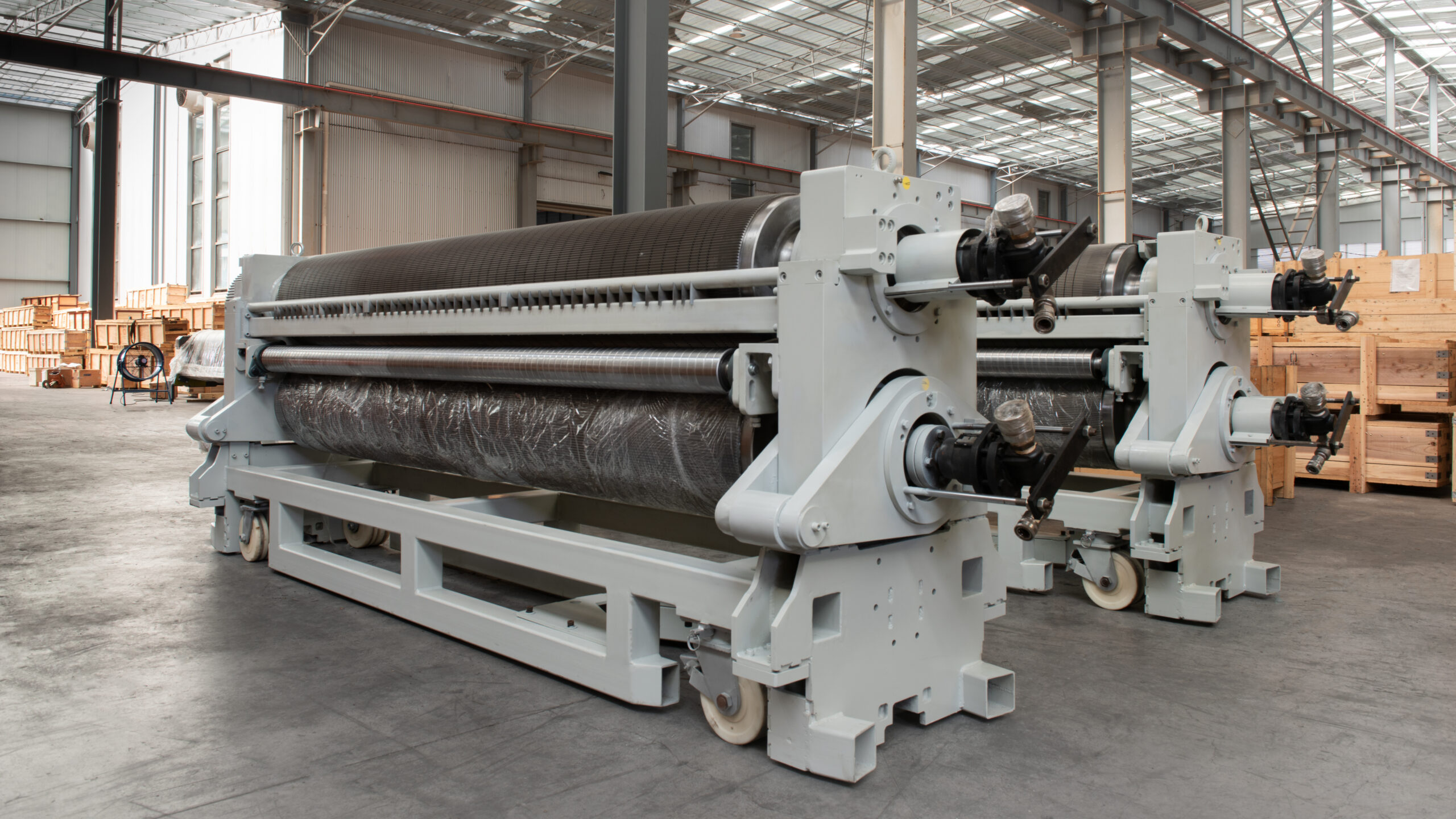
1. Corrugated Rolls — The Core Component
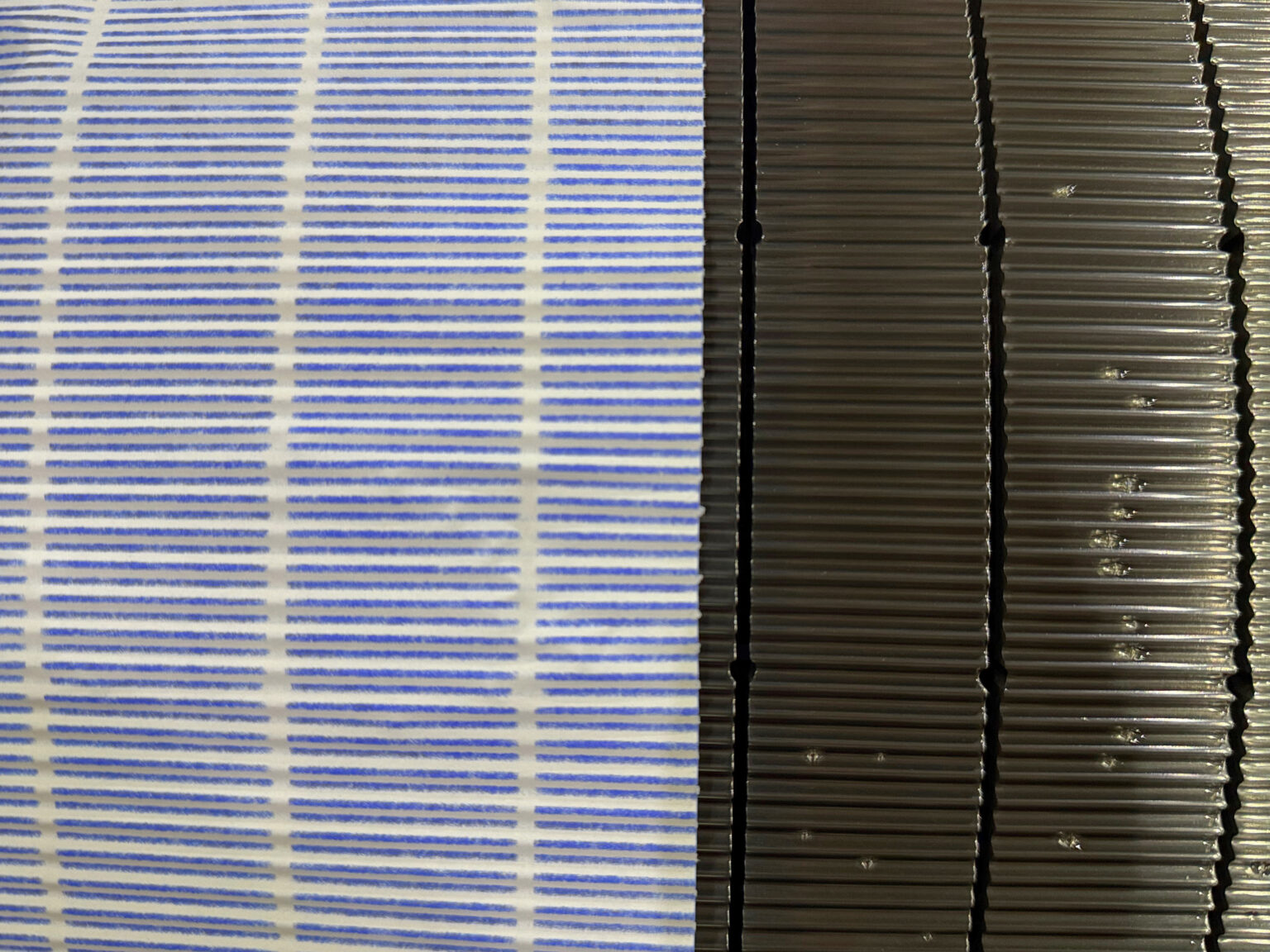
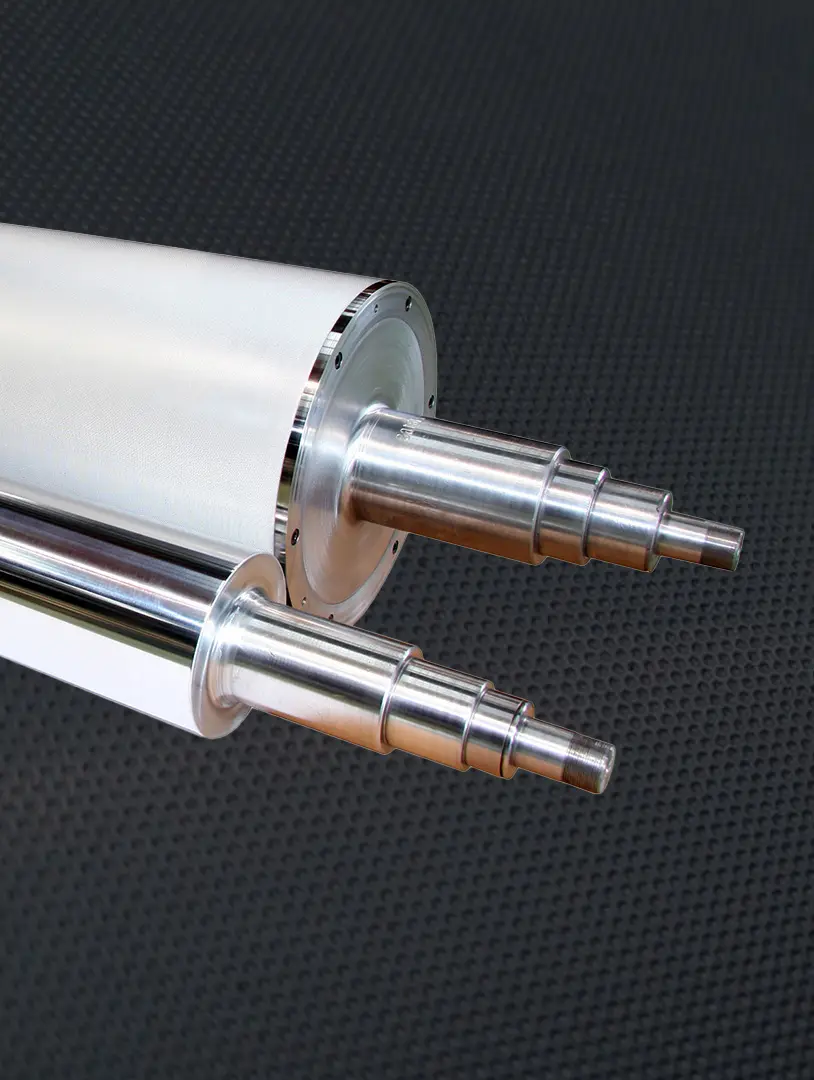
The corrugated rolls are the heart of the single facer — and arguably of the entire production line. Typically made from 50CrMoA steel and hardened through induction quenching or nitriding to HRC 55+, these rolls endure extreme thermal and mechanical stress every shift.
What to watch for:
- Vibration and resonance — The upper and lower corrugated rolls, along with the pressure roll, generate resonance during operation. Check for loose bolts before every startup. Loose hardware can cause severe damage to the roll surface in seconds.
- Surface condition — Inspect the roll flutes regularly for wear, embedded debris, or thermal damage.
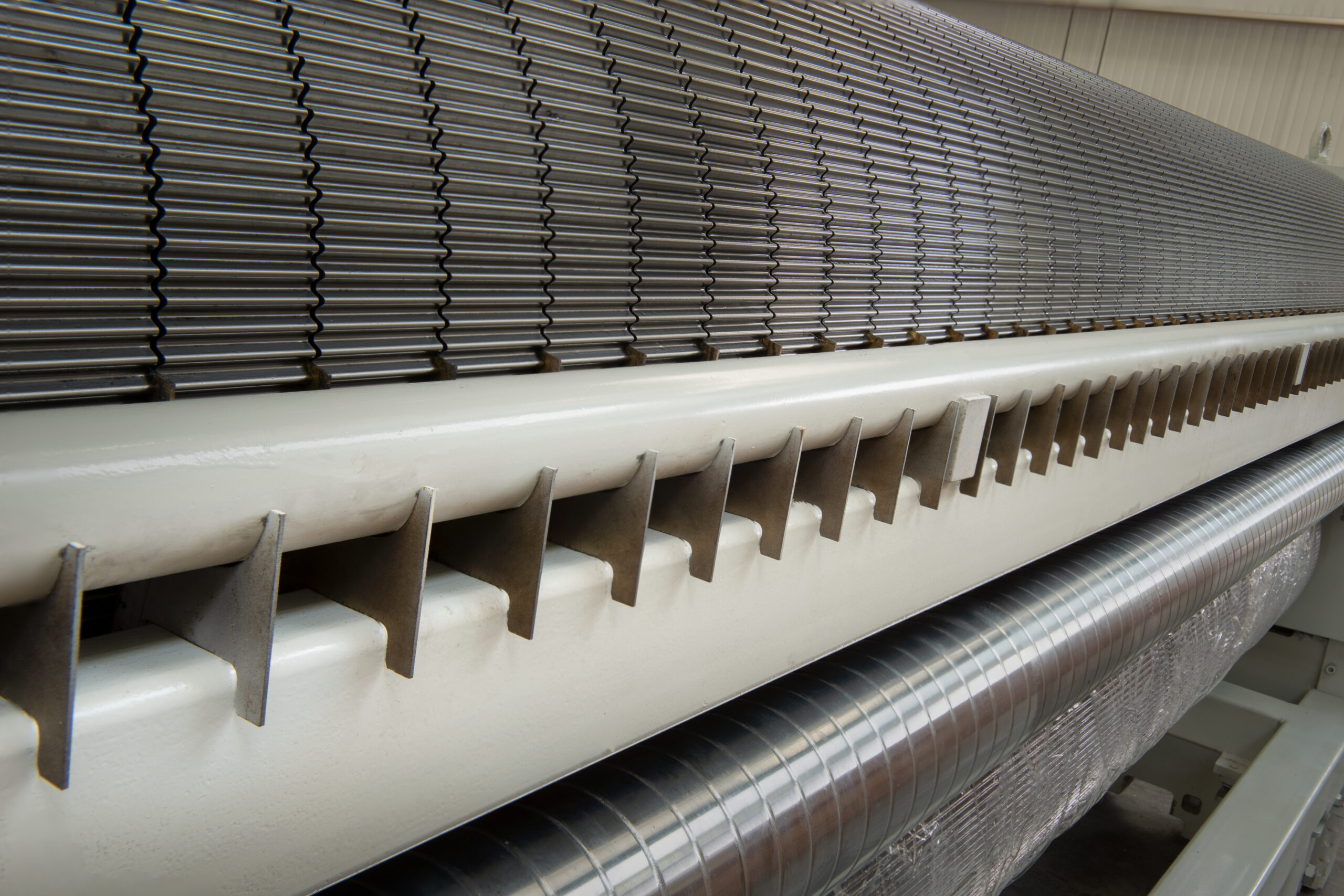
2. Adjusting Roll Pressure
Roll life is closely tied to the type and width of the paper being run.
- Rough or high-sand-content paper accelerates wear significantly.
- Narrower paper also increases localized wear on the roll surface.
- Rule of thumb: Adjust cylinder pressure based on paper width. The narrower the paper, the lighter the pressure should be.
Proper pressure adjustment not only extends roll life but also improves flute formation consistency.
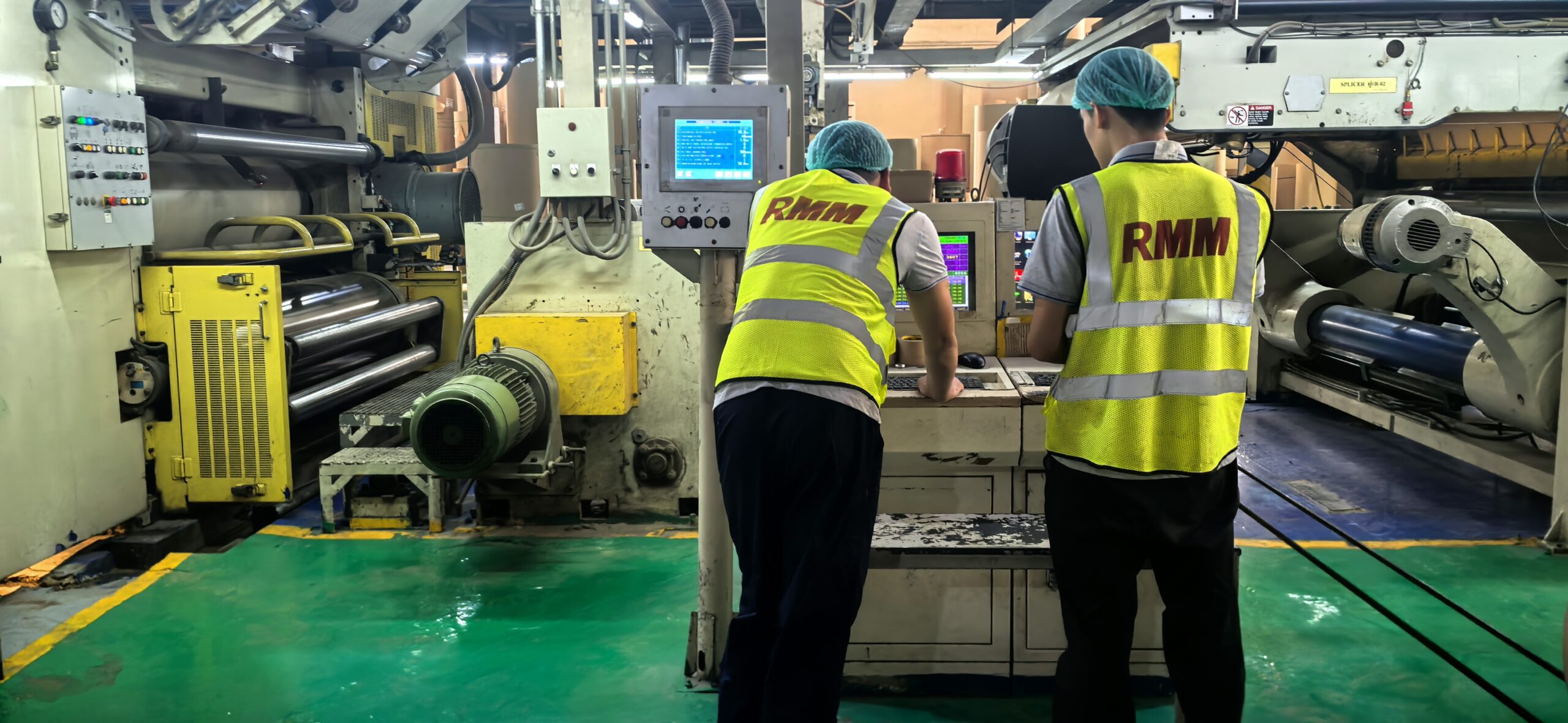
3. Daily Cleaning — Remove Debris Before It Causes Damage
Daily cleaning is non-negotiable.
- Use a steel brush to remove debris and dust from the corrugated rolls.
- Never pour cold water directly onto a hot roll or preheater surface. Thermal shock can cause permanent deformation.
- If a roll surface is damaged, remove the foreign object immediately. Small bumps can be filed flat with a diamond file. Minor dents will not affect normal operation.
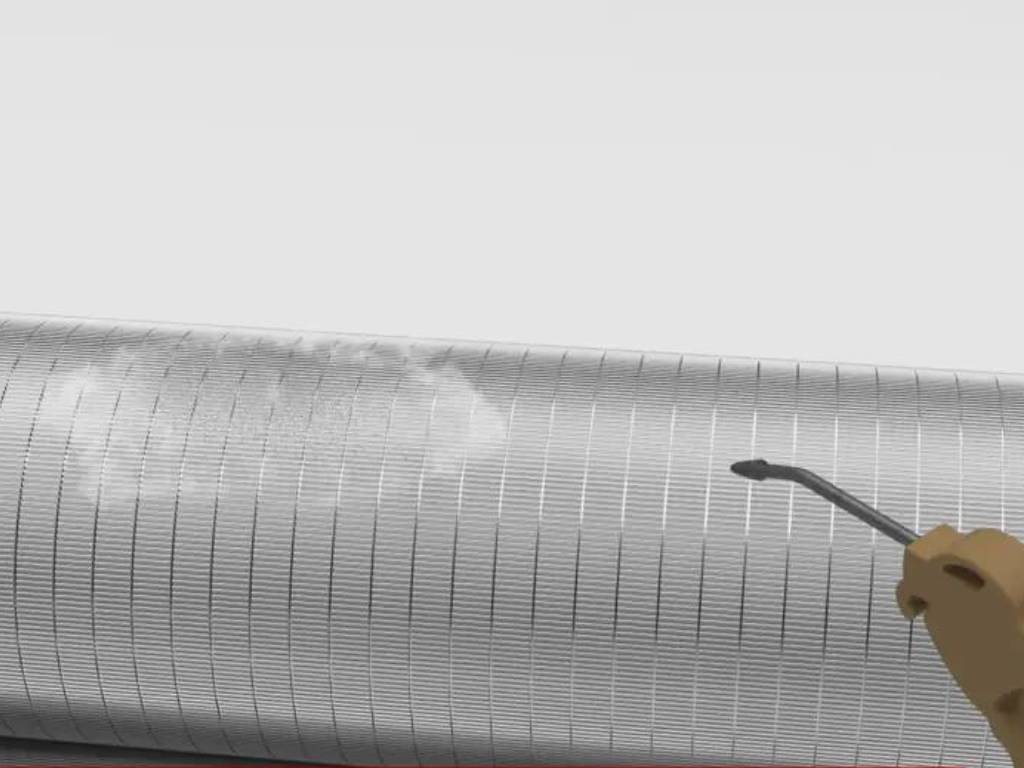
4. Cleaning the Glue System
A clean glue system is essential for even adhesive application.
- Clean the glue pan and glue box daily to prevent paste buildup.
- The glue baffle plates should be adjusted to match paper width and removed and cleaned every day.
- Replace baffle plates if they show significant wear.
A spray gun is recommended for thorough cleaning of hard-to-reach areas.
5. Lubrication — High-Temperature Grease & Gear Oil
The single facer operates in a high-temperature environment. Both the rolls and pressure roll are steam-heated and operate under high torque.
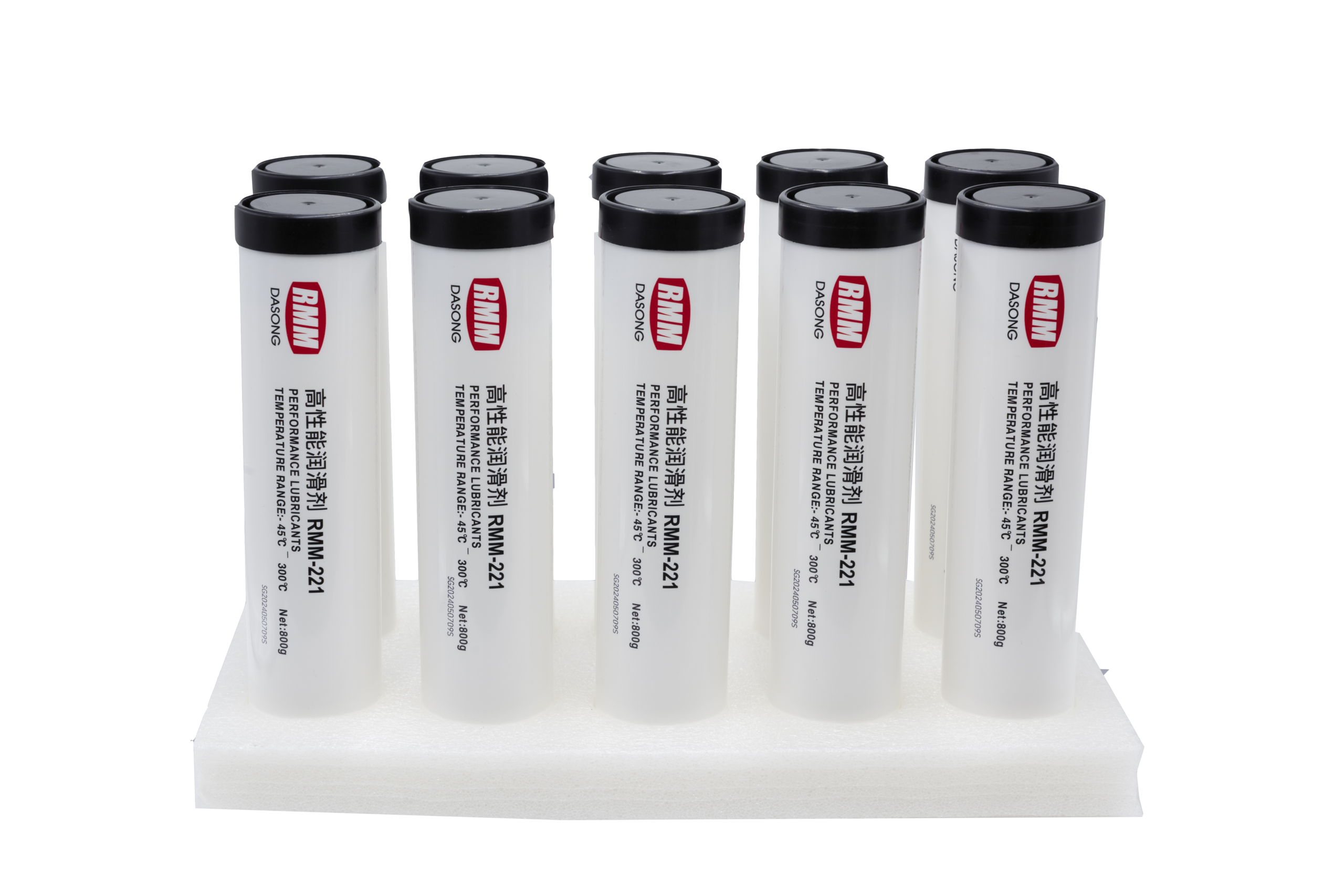
- High-temperature grease — Apply once per month to the roll bearings.
- Gear lubrication — The gear drive uses oil bath lubrication. Change the gear oil at regular intervals according to your equipment manual.
Proper lubrication prevents overheating and premature bearing failure.
Summary Checklist
| Item | Frequency |
|---|---|
| Check bolts and fasteners | Every startup |
| Adjust roll pressure | Per paper width change |
| Clean corrugated rolls | Daily |
| Clean glue system | Daily |
| Apply high-temp grease | Monthly |
| Change gear oil | Per manual schedule |
Final Thoughts
The single facer is the most important machine in your corrugated line. A disciplined maintenance routine — focused on the rolls, pressure settings, cleaning, and lubrication — will pay for itself many times over in reduced downtime and consistent board quality.
If you have questions about corrugated roll maintenance, reconditioning, or replacement, feel free to reach out.
— Your trusted partner in corrugated roll technology.