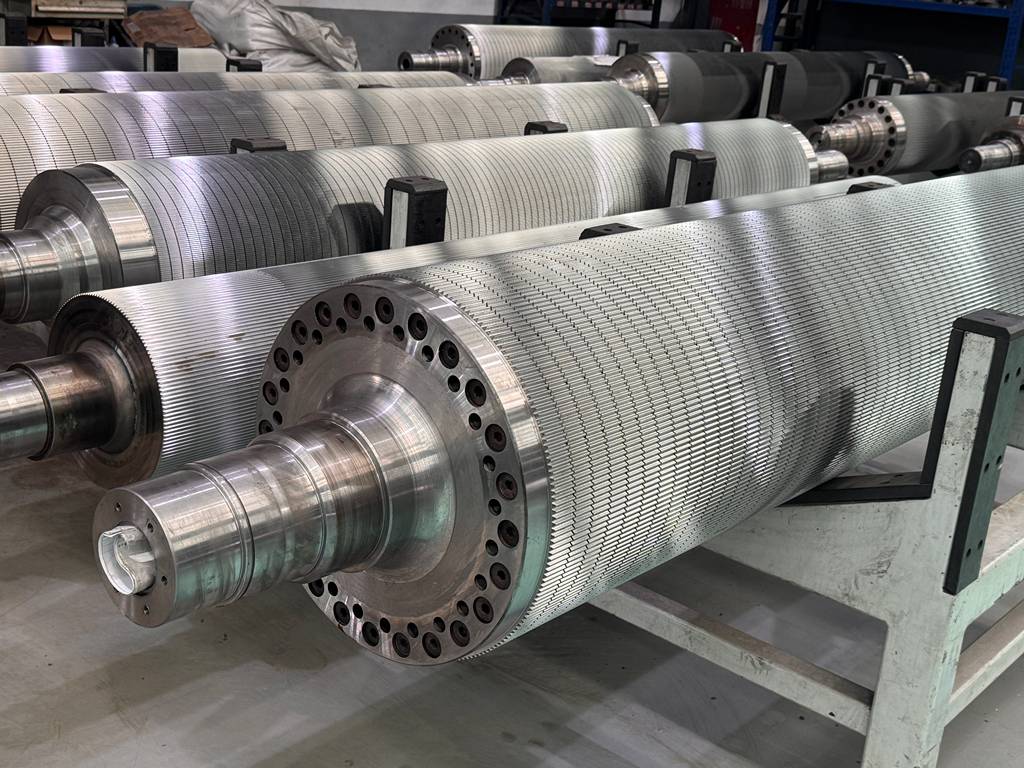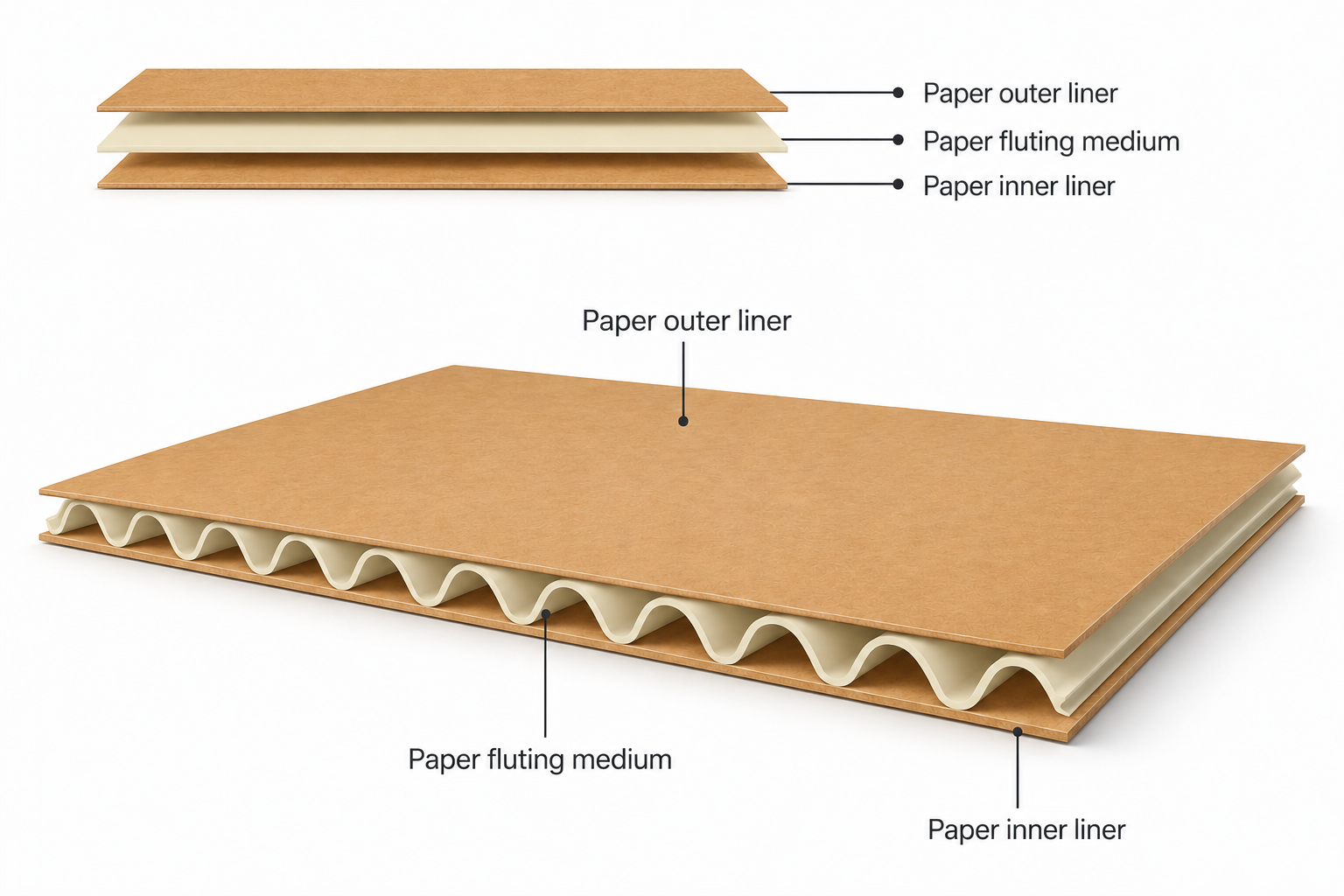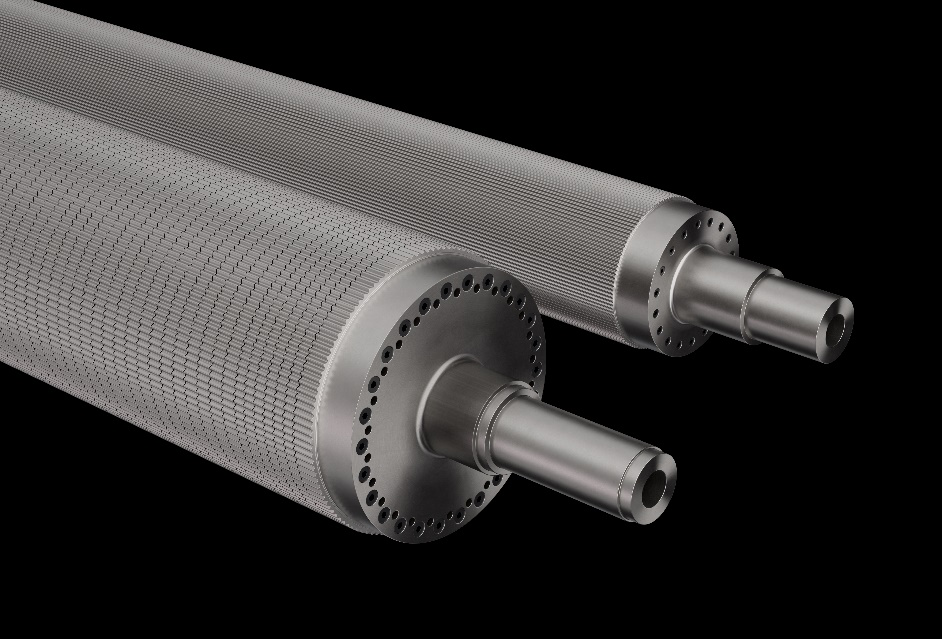
Corrugating rolls are among the most important components in a corrugated board production line. Their surface condition, flute profile, and operating stability directly influence flute formation and finished board quality.
As precision components exposed to heat, pressure, and continuous operation, corrugating rolls require proper handling, routine inspection, and professional maintenance.
Understanding the key points of corrugating roll care helps manufacturers reduce unnecessary wear, maintain production stability, and extend roll service life.
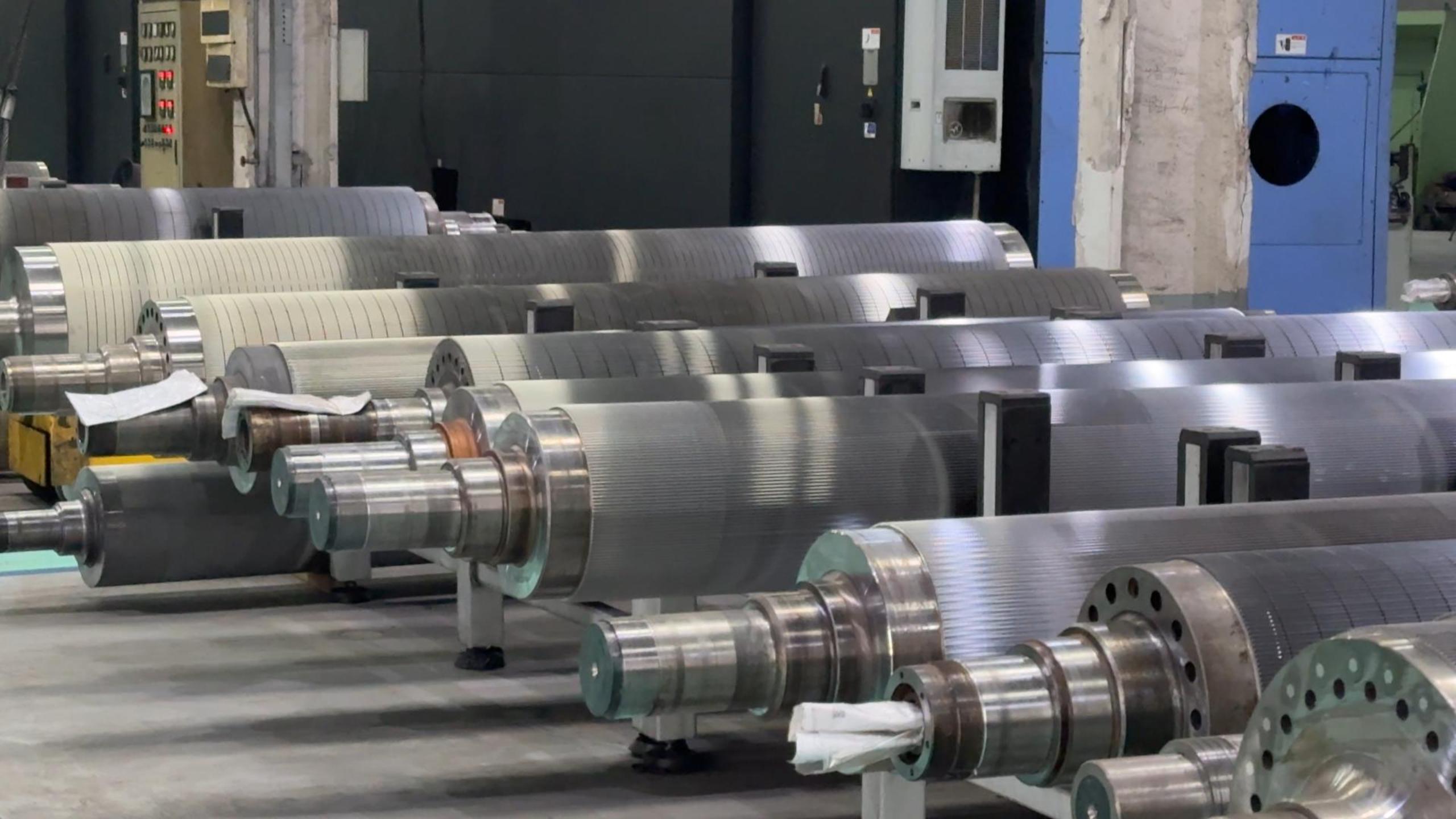
1. Pre-Operation Inspection: Start with Roll Condition
Before production begins, the condition of the corrugating rolls and related equipment should be checked by qualified maintenance personnel.
Important inspection areas include:
- Roll Surface: Check for visible damage, unusual wear, foreign particles, or contamination that could affect the roll surface and flute profile.
- Bearing Condition: Inspect bearing lubrication and check for abnormal noise, vibration, or signs of overheating.
- Steam and Condensate System: Confirm that the heating system is operating normally and that condensate drainage is functioning as expected.
- Machine Environment: Keep the surrounding area clean and free of loose tools or foreign objects that could enter the machine.
A proper inspection helps identify potential problems before they affect production.
2. Equipment Alignment and Setup: Maintain Consistent Flute Formation
Correct equipment alignment is essential for stable corrugating performance.
The relative positioning of the upper and lower corrugating rolls, pressure roll, and glue roll affects flute formation and bonding quality.
Several aspects deserve particular attention:
- Roll Parallelism: Incorrect alignment may result in uneven pressure distribution and inconsistent flute formation across the working width.
- Nip Condition: Excessive or insufficient pressure may affect flute shape, tooth wear, and bonding performance.
- Glue Roll Condition: The condition and alignment of the glue roll influence adhesive distribution and the consistency of bonding.
These adjustments should be evaluated and performed by qualified technicians according to the machine manufacturer's specifications. Proper calibration helps maintain consistent production conditions and reduces unnecessary mechanical stress.
3. Production Monitoring: Pay Attention to Changes in Board Quality
During production, corrugated board quality provides important information about equipment performance.
Operators should pay attention to changes in flute formation, bonding, and board appearance.
Common signs that may require further inspection include:
- Uneven flute height across the board width.
- Collapsed or deformed flutes.
- Inconsistent adhesive bonding.
- Changes in board thickness or flatness.
- Unusual machine vibration or operating noise.
When abnormalities occur, the production team should evaluate the relevant process conditions and equipment status before making adjustments.
Production speed changes and unexpected machine stops should also be managed in accordance with the equipment manufacturer's operating procedures.
Regular monitoring makes it easier to identify developing problems before they lead to more serious production issues.
4. Shutdown and Routine Maintenance: Protect the Roll Surface
Proper shutdown and maintenance are important parts of corrugating roll management.
After production, attention should be given to the condition of the rolls and related components.
Relieve Mechanical Load
When production ends or an abnormal interruption occurs, the equipment should be placed in the appropriate safe condition according to the manufacturer's procedures. This helps prevent unnecessary loading on the corrugating rolls.
Manage Temperature Changes
Corrugating rolls operate under demanding thermal conditions. Temperature changes should be managed in accordance with the equipment manufacturer's recommendations to reduce the risk of thermal stress.
Remove Contamination
Paper dust, adhesive residue, and other deposits can affect the roll surface and production performance. Cleaning should only be carried out by trained personnel using approved methods and suitable materials.
Inspect Flute Profiles Regularly
Periodic inspection helps identify changes in flute height, tooth shape, and surface condition. Abnormal wear patterns or deteriorating board quality may indicate that professional evaluation or regrinding is required.
Maintenance work must follow the manufacturer's safety procedures, including proper machine isolation before personnel access the equipment.
5. When Should Corrugating Rolls Be Reground or Replaced?
Corrugating rolls experience gradual wear during long-term production. Over time, changes in the tooth profile and surface condition may affect flute formation and board quality.
Regrinding may be considered when inspection identifies wear that can be corrected through professional restoration.
Replacement may be necessary when the roll has reached the limits of its usable condition or when the damage cannot be economically restored.
The decision should be based on professional inspection, flute profile measurements, surface condition, and actual production requirements.
For corrugated board manufacturers, regular condition monitoring helps make maintenance decisions more effectively and avoid unnecessary production interruptions.
Conclusion
Corrugating roll performance depends not only on manufacturing quality but also on proper equipment management and ongoing maintenance.
From pre-operation inspection and alignment evaluation to production monitoring and routine maintenance, every stage contributes to stable flute formation and reliable board quality.
By establishing a consistent inspection and maintenance program, corrugated board manufacturers can better protect their corrugating rolls, identify potential problems early, and support long-term production efficiency.