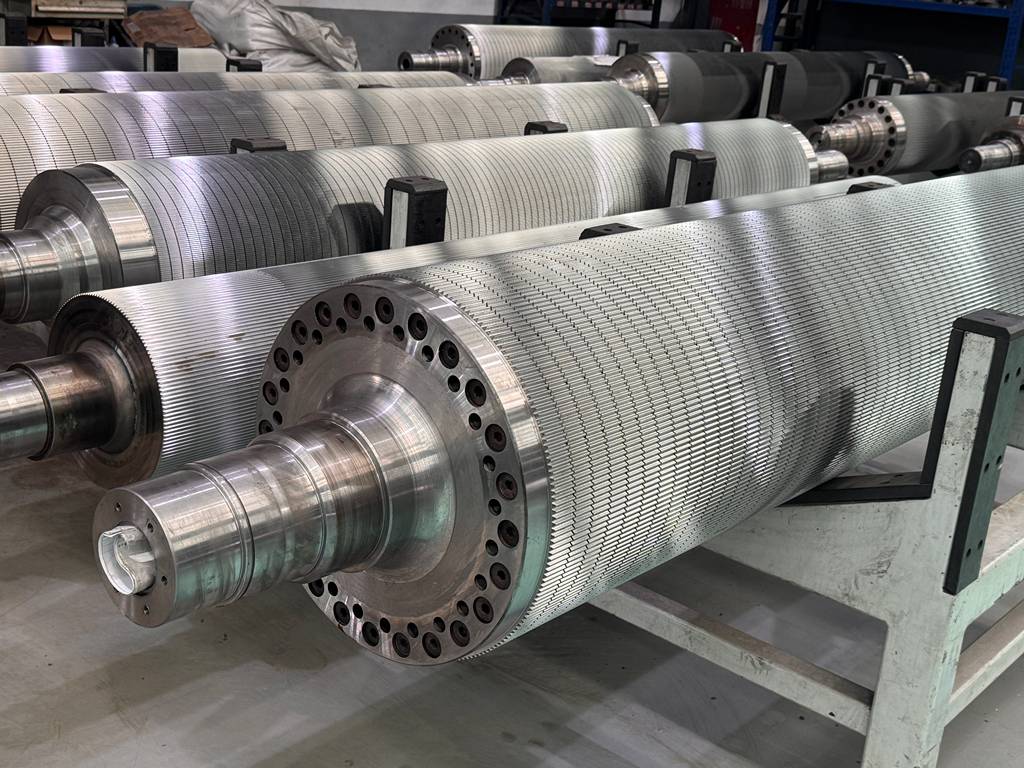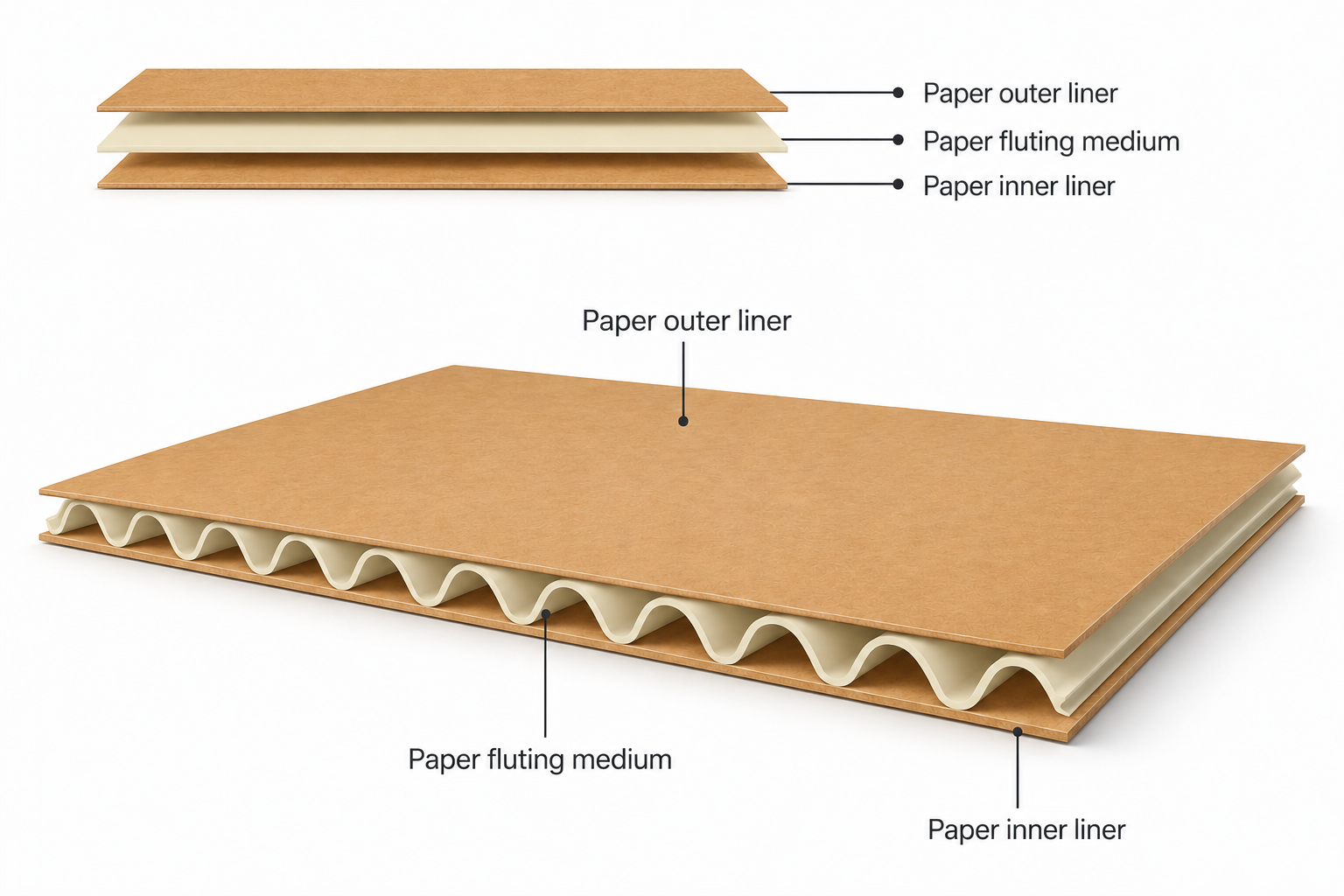
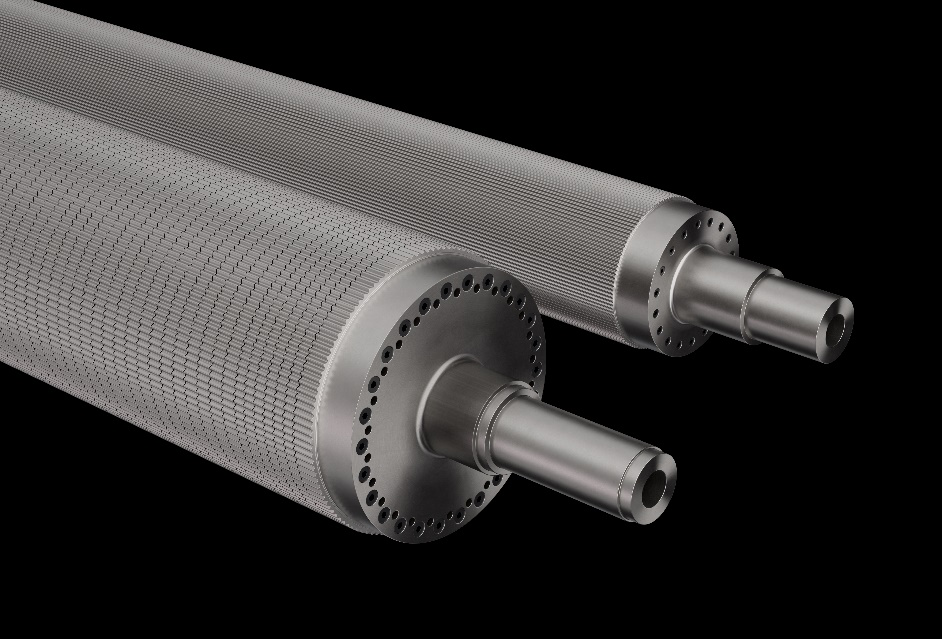
Peripheral heating corrugating rolls are designed to improve thermal conditions during corrugated board production. By managing heat distribution and condensate discharge, this technology helps maintain stable roll performance, consistent flute formation, and reliable production.
For corrugated board manufacturers, peripheral heating is not only a heating method. It is also a way to reduce temperature-related problems and support more stable operation.
 |
 |
|---|
1. How Does a Peripheral Heating Corrugating Roll Work?
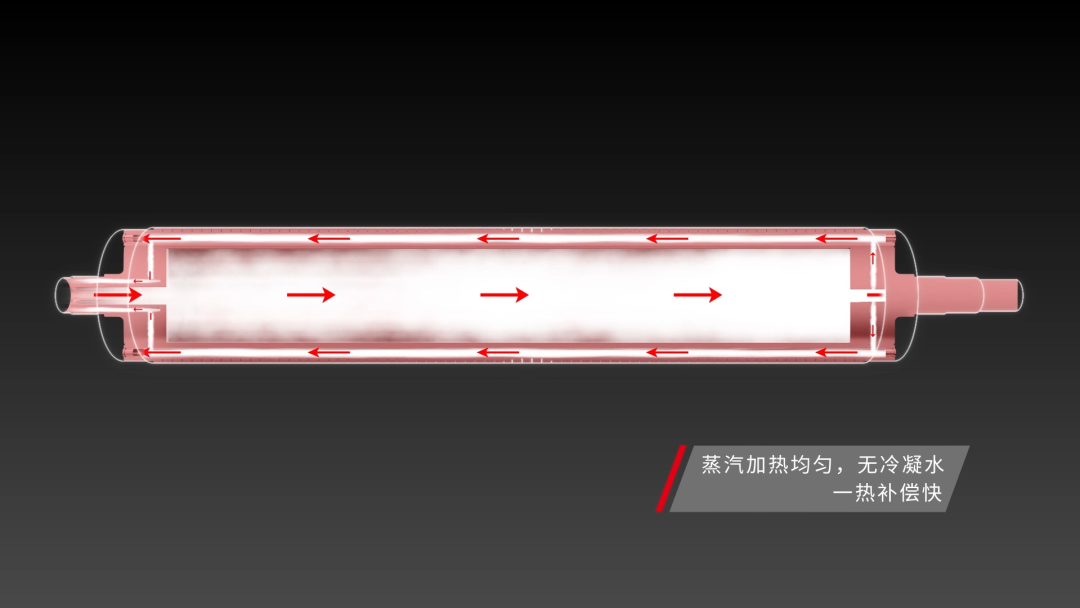
A peripheral heating corrugating roll uses a peripheral steam circulation system to heat the roll body. Heat is transferred through the roll by thermal conduction and reaches the flute surface, where the corrugated medium is formed.
In RMM's peripheral heating design, steam pressure helps continuously discharge condensate, whether the corrugating roll is running or stopped. This helps reduce condensate accumulation and the temperature differences that may occur within the roll.
Traditional Heating vs. Peripheral Heating
| Heating Method | Advantages and Disadvantages |
|---|---|
| Traditional Heating | Uses cavity-based heating. Condensate may accumulate, resulting in a longer preheating time. The selection of the siphon pipe also requires attention. |
| Peripheral Heating | Uses a peripheral steam circulation system. It helps prevent condensate accumulation, enables faster heating, and improves thermal utilization. However, the post-processing drilling process is more complex, heat treatment is more difficult, and inadequate sealing may cause steam leakage. |
2. Improved Temperature Uniformity and Roll Stability
Uneven temperature distribution caused by condensate accumulation may affect the thermal condition of a corrugating roll. Under certain operating conditions, this can increase the risk of roll deformation.
By supporting continuous condensate discharge, peripheral heating technology helps maintain more uniform temperature conditions and reduce the risk of thermal deformation.
This is particularly important when the corrugator stops and later resumes operation. Improved roll stability can help minimize forming-related waste during restart.
3. More Consistent Flute Formation and Board Quality
The thermal condition of the corrugating medium affects its flexibility during flute formation. Appropriate heating helps the paper adapt to the flute profile, supporting more uniform forming conditions.
Stable roll temperature and flute geometry can help reduce forming defects and contribute to consistent corrugated board quality.
4. Reduce Abnormal Wear and Production Losses
Temperature-related roll deformation may affect the operating relationship between the corrugating roll and pressure roll. This can contribute to abnormal wear and production quality issues.
Peripheral heating helps reduce the risk of such problems by supporting more stable roll conditions. Potential benefits include less restart waste, reduced abnormal wear, and improved production stability.
Actual results depend on machine configuration, paper properties, operating conditions, and maintenance practices.
5. Peripheral Heating Modification for Existing Corrugating Rolls
Peripheral heating is not limited to newly manufactured rolls. RMM also provides peripheral heating modification for existing corrugating rolls, allowing suitable conventional rolls to be upgraded.
This solution gives corrugated board manufacturers an option to improve their existing equipment without automatically replacing the entire roll.
RMM Peripheral Heating Corrugating Roll Solutions
RMM develops corrugating roll solutions for corrugated board manufacturers, including peripheral heating corrugating rolls and modification services.
By combining heating design, condensate management, and roll precision, peripheral heating technology helps support stable flute formation, reduce temperature-related risks, and improve production reliability.
For manufacturers evaluating a corrugating roll upgrade, peripheral heating is a technology worth considering as part of a long-term production improvement strategy.